

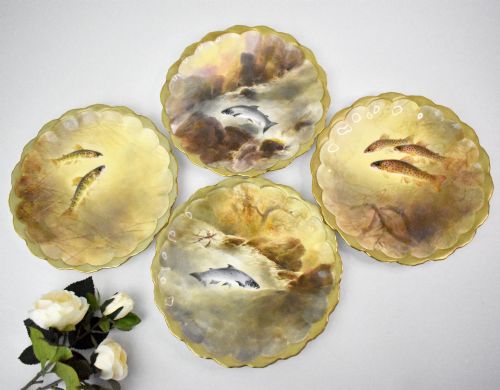


Landscape Painted Plate
A landscape painted plate brings a distant view onto porcelain, earthenware or ceramic, capturing scenic vistas for display or service.
Landscape Painted Plate
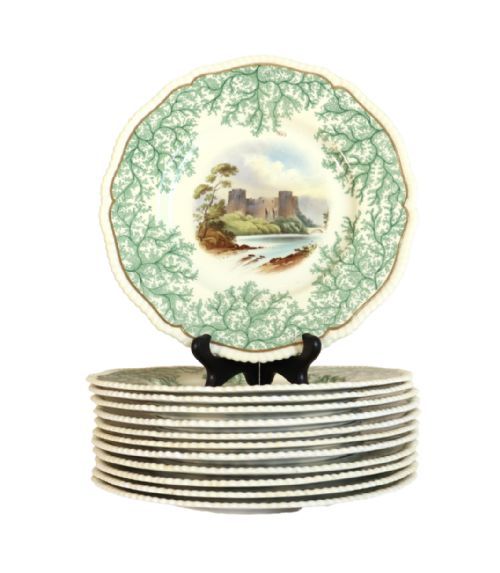
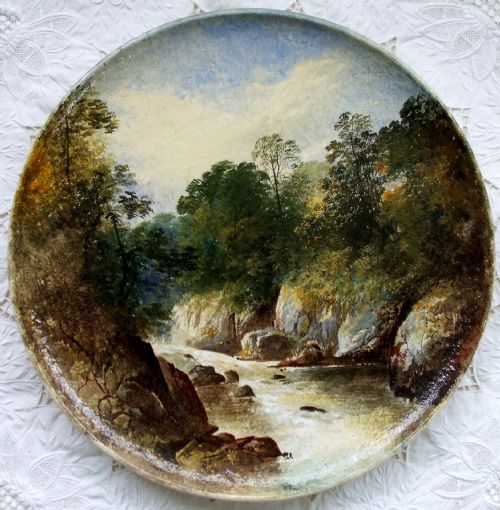
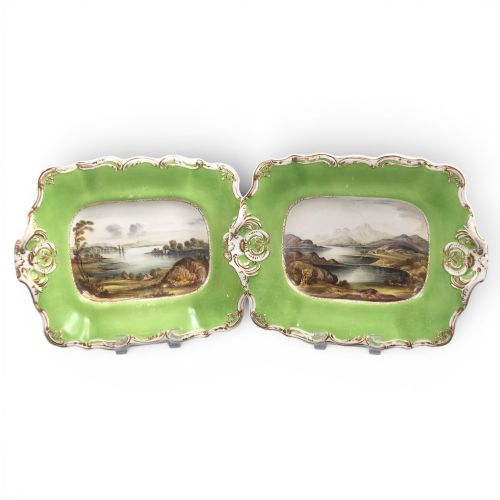
A landscape painted plate serves as both a functional dish and a canvas for detailed topographical or imaginative scenery. When searching for a landscape painted plate, collectors encounter pieces ranging from Georgian earthenware to Victorian porcelain and Art Deco ceramics.
The objects take various forms, including cabinet plates, dessert plates, dinner plates, and decorative plaques. English factories such as Copeland, Minton, Royal Doulton, and Worcester feature prominently alongside continental and Chinese works.
Most examples originate from the nineteenth century, capturing named views, Scottish scenes, and Welsh valleys rendered by skilled ceramic painters. These items were traditionally created for formal dining or decorative display in cabinet collections.
Materials and Decoration
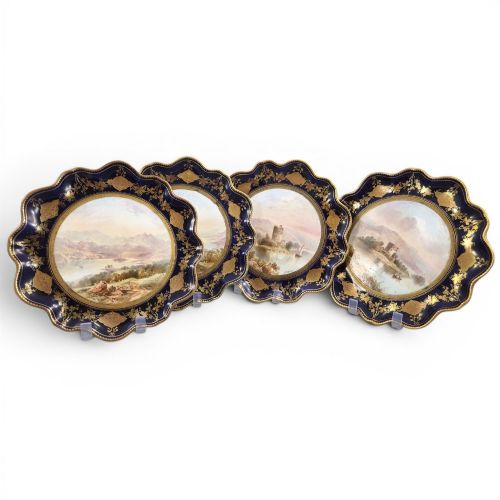
Makers utilised fine porcelain, earthenware, and ceramic as the primary body for each plate, applying smooth white glaze to prepare the surface for pigment. Paint was carefully brushed across the clay body, often combined with enamel colours, gold leaf accents, and jewelled borders.
Firing techniques fused the painted landscapes into the glaze, securing the pigments against fading over time. Artisans then applied gilding by hand to the rims, completing the composition with parcel gilt or elaborate giltwood framing where relevant.
Listings feature porcelain, earthenware, and glass items decorated with paint, enamel, and gold leaf across Victorian, Georgian, and Art Deco styles.
Judging the Workmanship
The distinction between standard service wares and superior cabinet pieces lies in the complexity of the hand-painted composition and the richness of the surrounding gilding or jewelled enamel details.
Spode·Copeland and Garrett·Aynsley·Royal Doulton·Darte Brothers·Pucher Deroche·Coalport·Derby·Minton·Barr Flight Barr Worcester·Clarice Cliff·Royal Worcester
The Landscape Painted Plate Glossary
- Cabinet plate
- A decorative plate intended for display in a glass-fronted cabinet rather than everyday dining use. These pieces usually feature elaborate painted scenes or gilt borders.
- Named view
- A specific geographic location or landmark inscribed on the reverse or front of the plate. It identifies the exact topography depicted by the artist.
- Enamel
- Opaque vitreous composition fused to the ceramic surface through firing. It provides vibrant colouration for landscape details.
- Gilding
- The application of gold leaf or gold paint to the edges and borders of the plate. It frames the central landscape painting.
- Earthenware
- A porous pottery body fired at lower temperatures than porcelain. It forms the base for various nineteenth-century decorative plaques and dishes.
Landscape Painted Plate: Frequently Asked Questions
How should I display a landscape painted plate?
These pieces suit mounting on a wall bracket or resting securely within a glazed cabinet shelf. Proper plate hangers distribute weight evenly without straining the ceramic body.
Direct sunlight should be avoided to prevent any gradual fading of the delicate enamel colours and painted scenery over long periods.
Can I use these plates for dining?
Most antique painted plates function primarily as cabinet pieces or decorative items rather than modern tableware. The historical glaze and hand-painted details can suffer from abrasive cutlery and automatic dishwashing.
Gentle hand washing with mild soap is recommended if cleaning becomes necessary, protecting both the ceramic body and the surface gilding.
How do I identify the maker?
Manufacturers often applied stamped marks, painted pattern numbers, or impressed ciphers to the underside of the ceramic base. Researching these specific factory marks reveals the operating dates and the particular kiln origin.
Inscribed titles or artist signatures on the front surface also help trace the piece to specific hands or workshops.
What periods do these plates come from?
The available selection spans the eighteenth, nineteenth, and early twentieth centuries. Georgian and Regency examples sit alongside Victorian and Edwardian works.
Later Art Deco creations also appear, demonstrating how landscape decoration adapted to changing aesthetic movements across generations.