

Gilt Candle Stand
These gilt candle stand examples bring gilded light and warmth to a room, ranging from small table pieces to tall floor standards.
Gilt Candle Stand
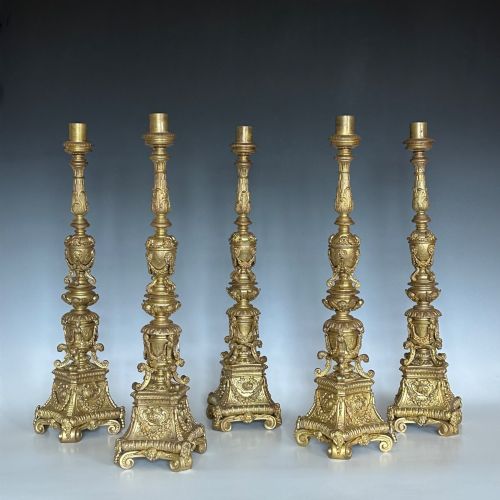
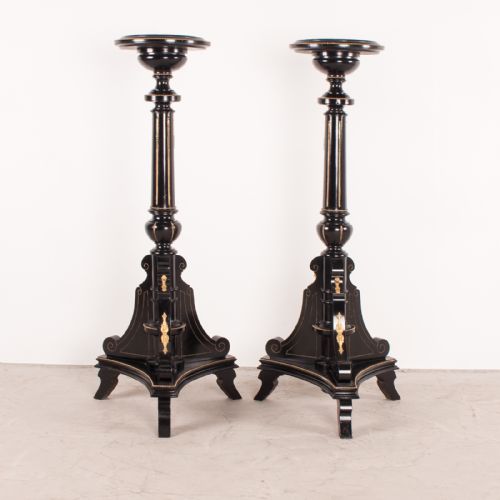
A gilt candle stand search encompasses everything from small table candlesticks to multi-arm candelabra and tall floor-standing torcheres. These pieces date principally from the eighteenth and nineteenth centuries, spanning Regency, Victorian, and French Empire styles.
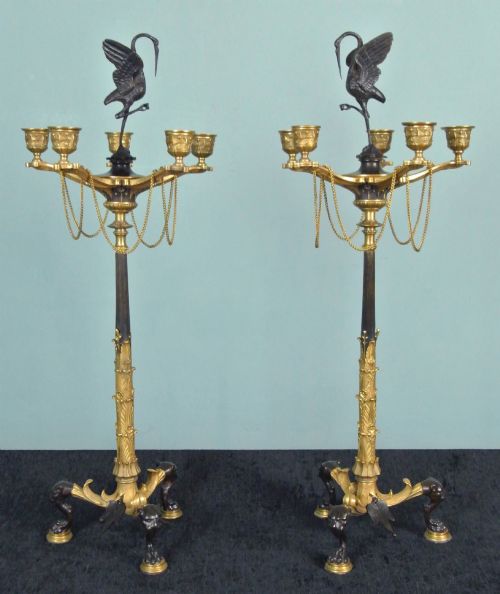
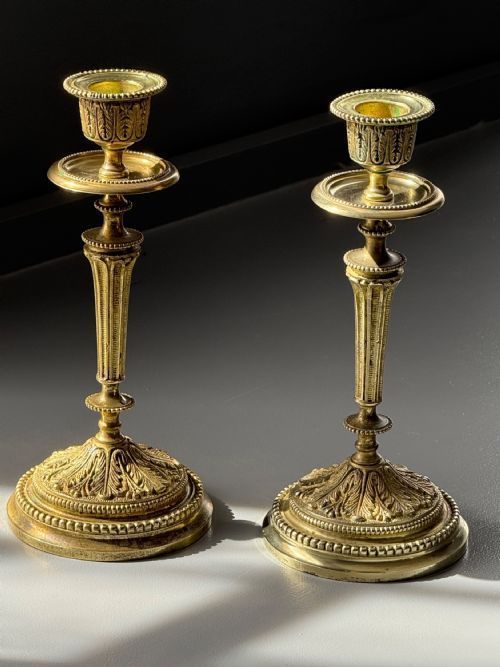
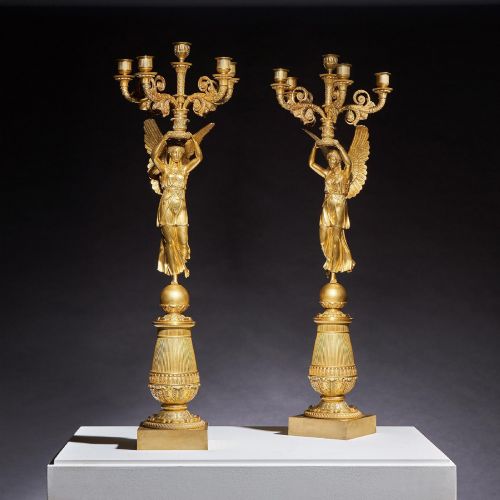
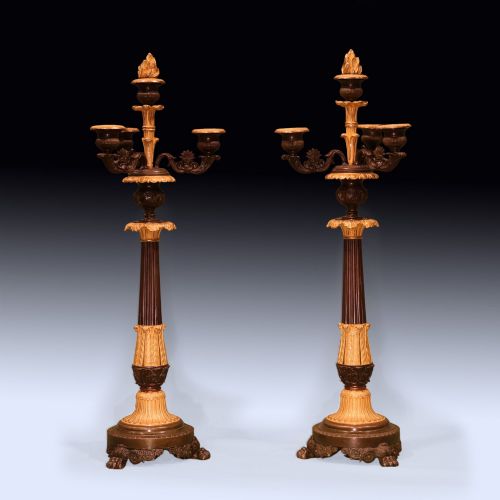
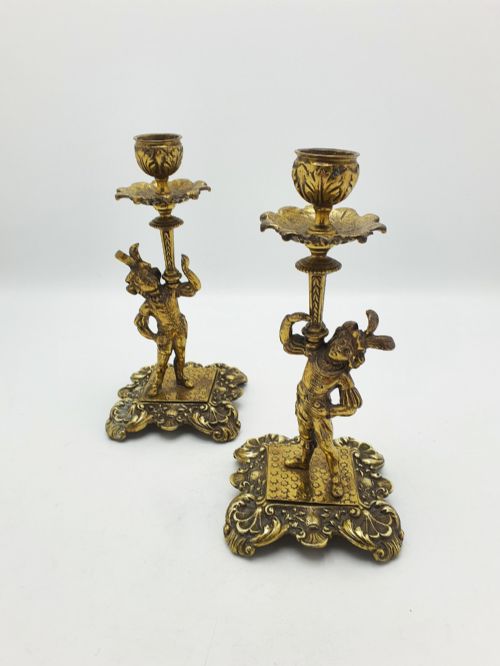
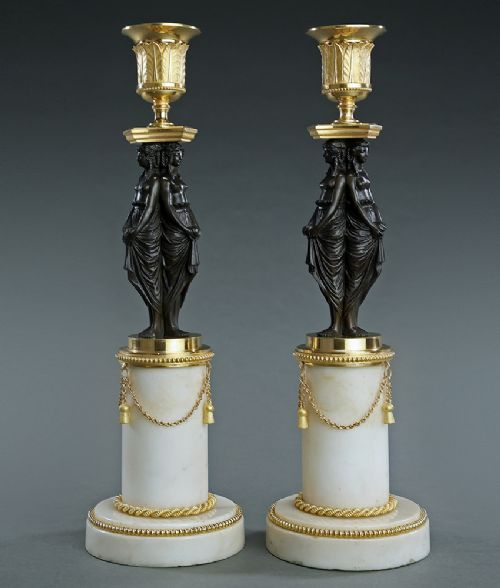
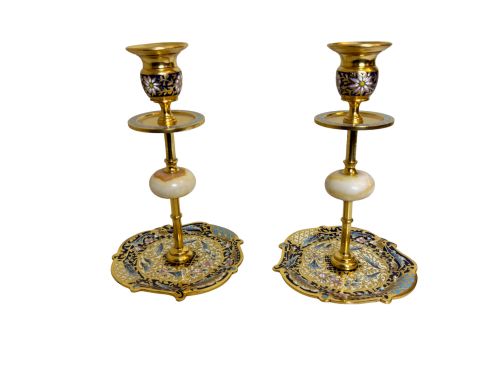
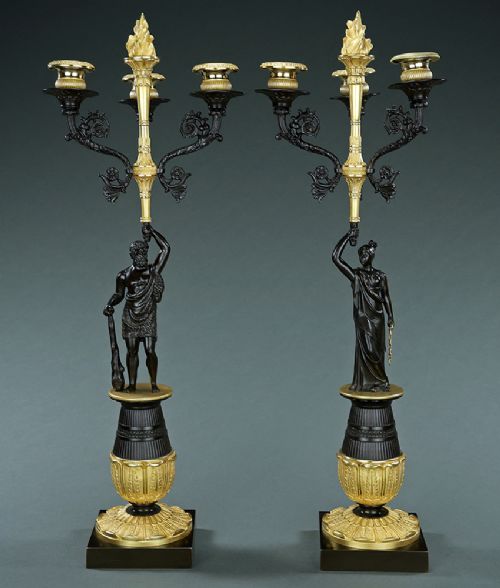
The objects seen here are most frequently matched pairs of gilt bronze or ormolu candlesticks and candelabra. Alongside metalwork, one encounters giltwood and gesso pieces designed for domestic interiors or liturgical use.
Materials and construction
Metal pieces rely on bronze, brass, and patinated elements combined with mercury gilding or ormolu, often paired with white marble bases or champlevé enamel sections.
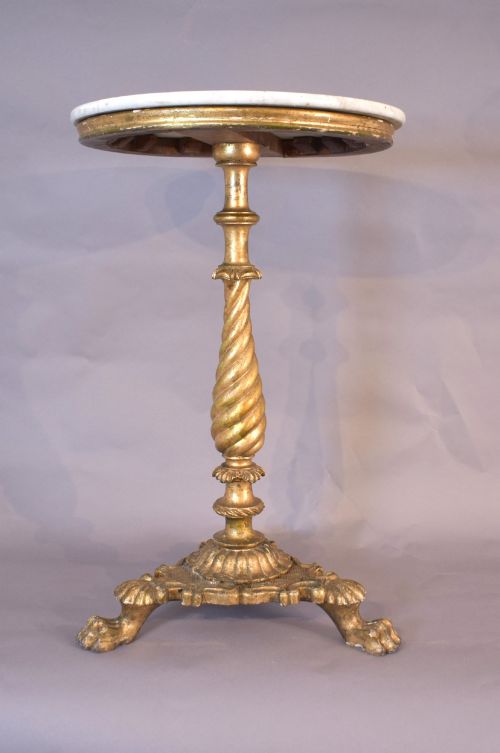
Wooden examples utilise carved mahogany, giltwood, and gesso, showing traditional joinery and surface gilding techniques typical of the period.
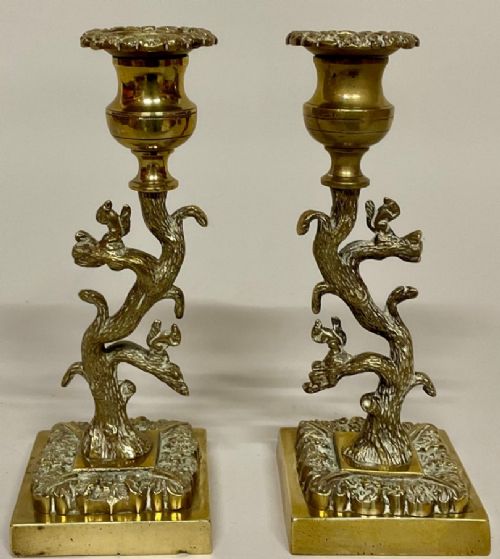
Squirrels forage among cast bronze tree branches on a Regency pair.
Markers of quality
The crispness of the chased detail in cast bronze and ormolu separates standard items from exceptional workshop productions. Sharp relief work and well-defined figural elements indicate skilled foundry execution.
In wooden and gesso pieces, the depth of the carving and the preservation of the original gilded surface determine the standing of the object.
Barbedienne·Pierre Philippe Thomire·Ridgway·Abel Landry·Rabiat
The Gilt Candle Stand Glossary
- Ormolu
- Finely ground high-carat gold applied to a bronze base using a mercury amalgamation process. This technique produces a deep, lasting metallic lustre seen on French Empire and Regency pieces.
- Candlestick
- A portable device with a single nozzle and socket for holding a candle. Examples range from simple desk models to sculptural figural designs.
- Candelabra
- A branched lighting fixture holding multiple candles. These often feature removable arms to allow conversion into single candlesticks.
- Torchere
- A tall stand designed to support a light source or decorative object. They frequently appear in giltwood or ebonised finishes.
- Pricket
- A sharp metal spike on a candle stand designed to secure a wax taper. This form is common on altar-style and floor-standing pieces.
Gilt Candle Stand: Frequently Asked Questions
How do I date a gilt candle stand?
Dating relies on stylistic clues, manufacturing techniques, and materials such as ormolu or champlevé enamel. Comparing the cast details with known period designs helps narrow the decade.
Period markers include the neoclassical motifs of the late eighteenth century and the heavy ornamentation typical of Victorian production.
Were these stands used on tables or floors?
The evidence includes both portable table pieces and tall floor-standing torcheres or pricket stands. Table candlesticks and candelabra sat on side tables, desks, and mantlepieces.
Floor-standing versions were positioned in corners or beside furniture to provide ambient illumination in large rooms.
What is the difference between ormolu and gilt bronze?
Ormolu specifically describes the historical French technique of mercury gilding on a bronze substrate. Gilt bronze is a broader term encompassing various methods of applying gold colour to a bronze object.
Both finishes yield a rich metallic surface designed to reflect candle flame effectively.
How should I clean a antique gilt candle stand?
Antique gilt surfaces require gentle treatment to avoid removing the delicate gold layer. Dusting with a soft brush is usually sufficient for regular maintenance.
Harsh chemical polishes must be avoided, particularly on ormolu and gesso, as they strip the historic finish.