
Gillows Mahogany Table
When you search for a gillows mahogany table, you are looking at the refined work of a renowned Lancashire and London cabinet-making firm.
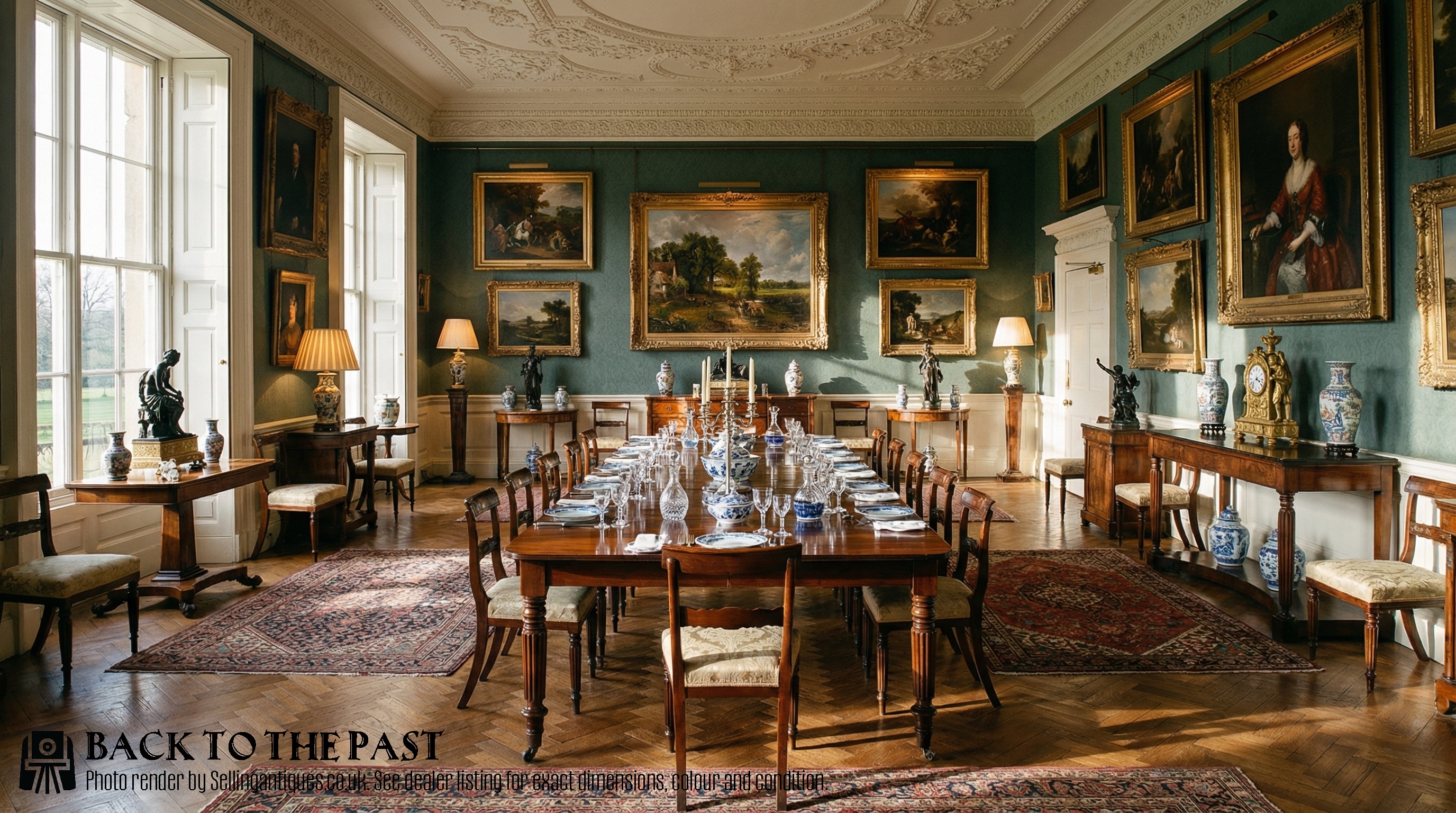
Gillows Mahogany Table
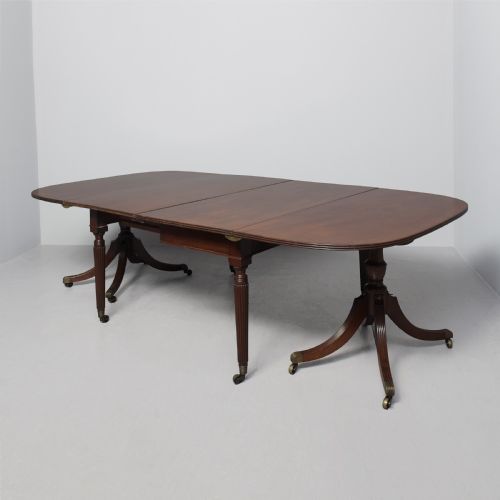
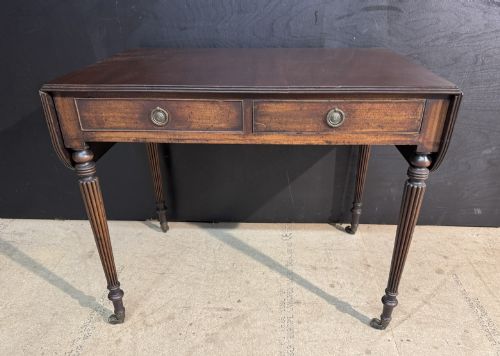
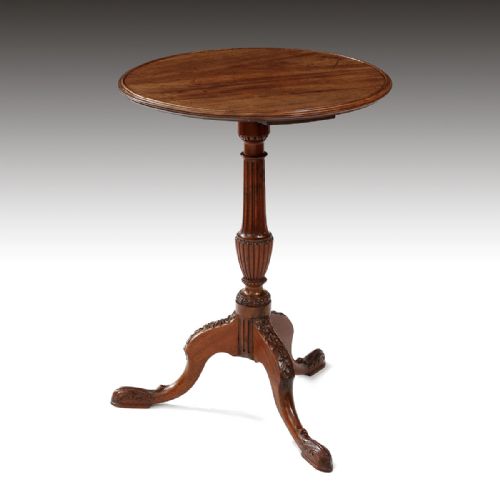
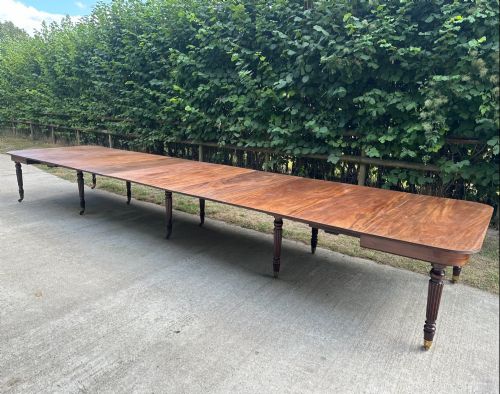
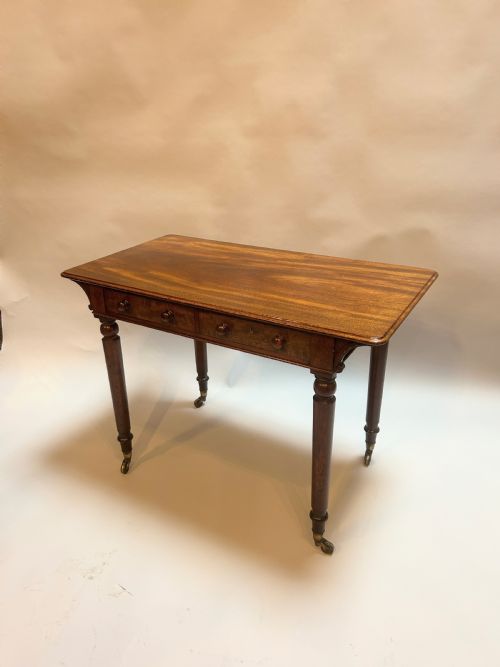
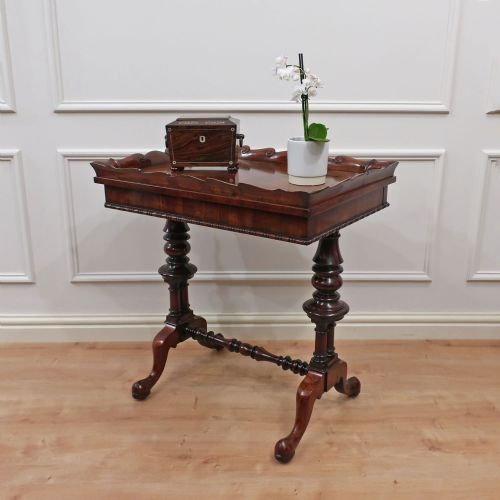
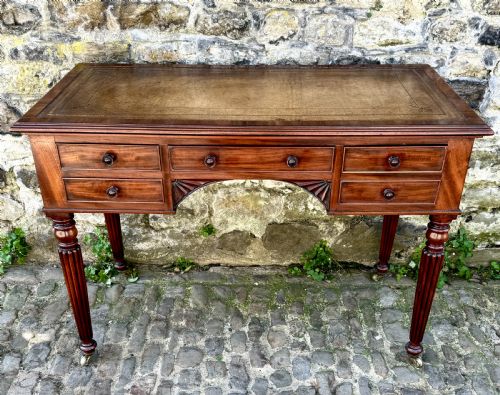
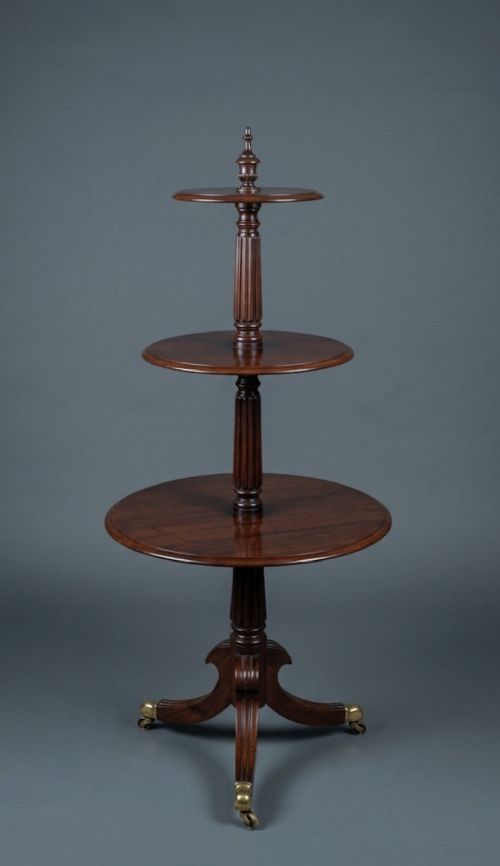
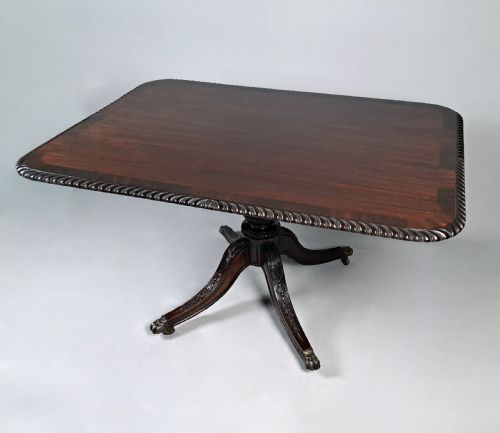
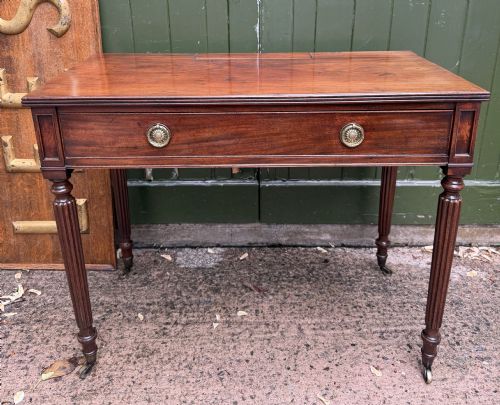
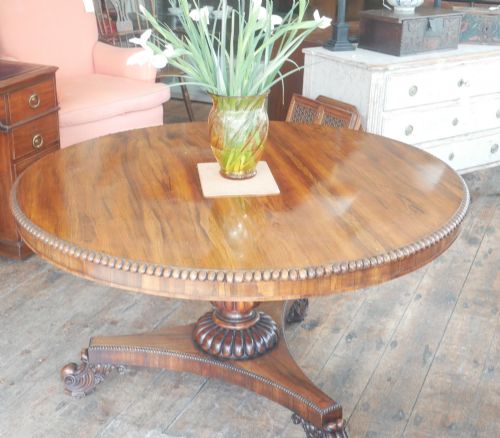
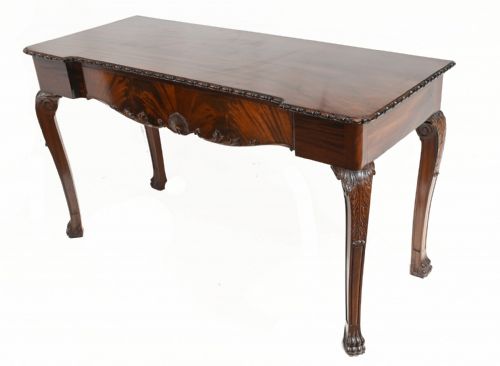
A gillows mahogany table embodies the practical elegance characteristic of English furniture production from the eighteenth through the nineteenth centuries. You will encounter various forms ranging from large extending dining tables to compact writing desks and centre tables.
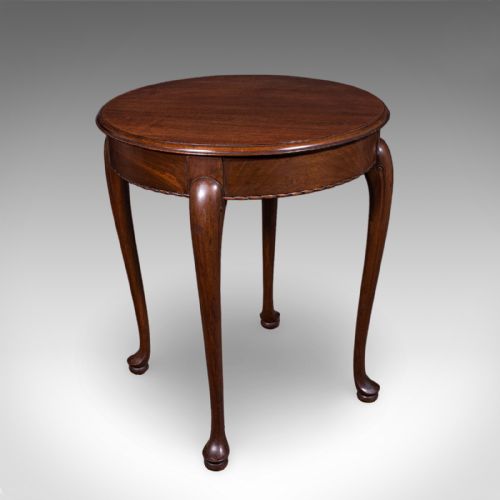
The pieces on this page span the Georgian, Regency, and Victorian periods, reflecting shifting domestic needs over generations. Dining and centre tables predominate, alongside smaller occasional and work tables suited for specific rooms.
Many examples are directly stamped by the firm, while others bear the distinct structural hallmarks associated with their Lancaster and London workshops. Whether fully signed or attributed through style, each piece demonstrates functional utility combined with restrained ornamentation.
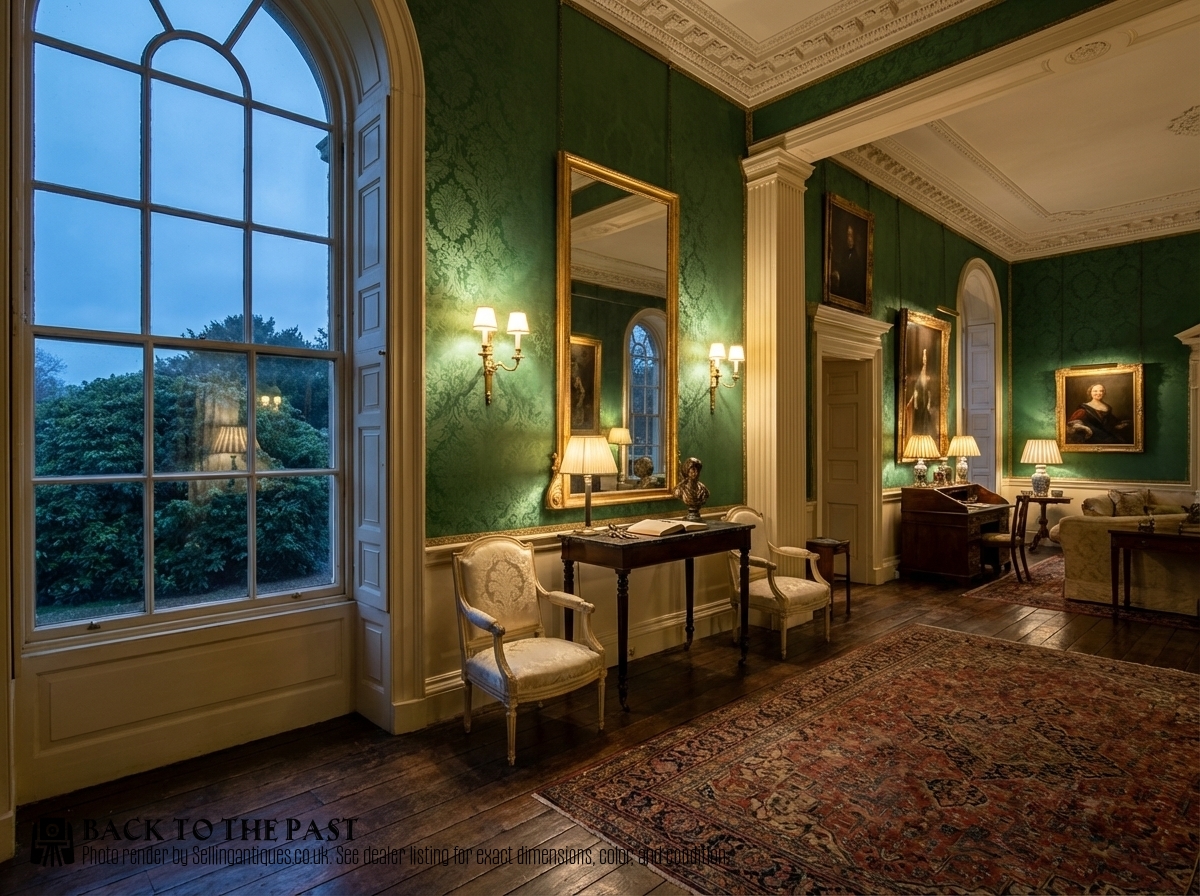
Materials and construction methods
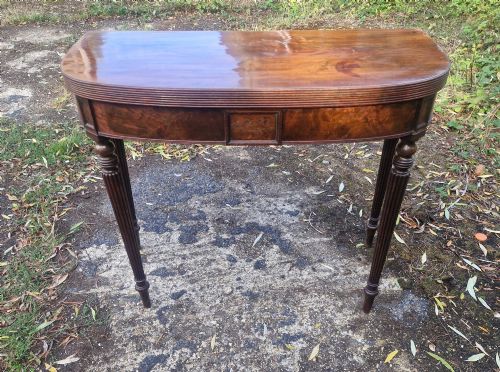
Solid mahogany and flame mahogany veneer provide the primary visual and structural foundation for these pieces. Cabinet-makers selected timber for rich grain patterns, often enhancing surfaces with rosewood or brass details.
Secondary woods support the robust internal framework, whilst mechanical innovations such as patent extending mechanisms allowed dining tables to expand smoothly. Turned, reeded, and tapered legs frequently anchor the design, showcasing precise carpentry techniques.
Gillows Mahogany Table Retail Price Guide 2026
Typical asking prices for gillows mahogany table among the pieces listed under this phrase on Sellingantiques today, from the lower quarter to the upper quarter. They describe what is for sale here now, not the wider market.
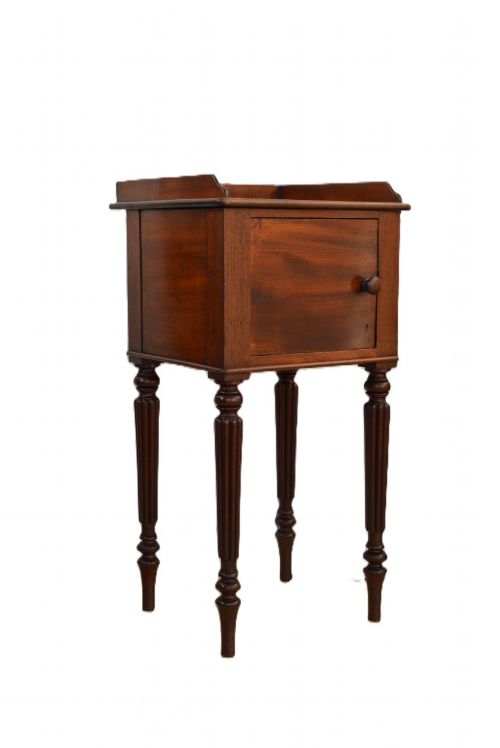
Several bedside cabinets quietly hide a bidet compartment inside, showing Georgian practicality at its most discreet.
Distinctions in craftsmanship
The distinction between standard workshop output and top-tier production rests on the select choice of figured timber and the crispness of carved details. Finer pieces exhibit meticulous attention to secondary framing and drawer linings.
Makers achieved superior quality through rigorous joinery that maintained structural integrity over centuries of domestic use. Stamped signatures from the Lancaster or London premises further elevate a piece by confirming its documented origin.
Gillows of Lancaster·Gillow and Co·Waring and Gillow
The Gillows Mahogany Table Glossary
- Flame mahogany
- A veneer cut from the fork of the mahogany tree to create a distinctive, flickering flame pattern. This decorative finish was prized for prominent table tops and drawer fronts.
- Reeded legs
- Cylindrical furniture legs carved with parallel, convex semicircular moulding strips running vertically. This decorative treatment appears frequently on Regency and George IV pieces.
- Centre table
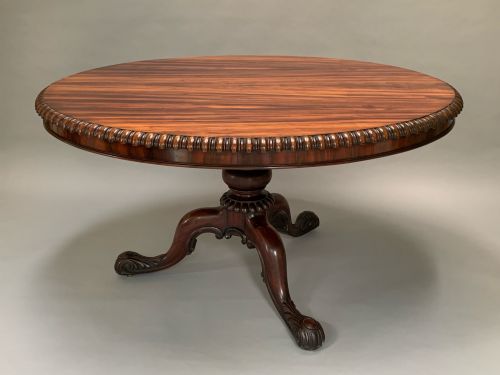
- A freestanding table designed to be viewed from all sides and placed in the middle of a room rather than against a wall. These often feature circular or oval tops supported by a central pillar or pedestal.
- Patent extending mechanism
- An internal mechanical system allowing a dining table to pull apart smoothly to insert extra leaves. These clever devices modernised dining room furniture management.
- Pembroke table
- A small rectangular table featuring two hinged drop leaves on opposing sides. It typically includes one or more small drawers and rests on four legs, often with castors.
Gillows Mahogany Table: Frequently Asked Questions
How do I identify a real piece?
Look for the physical signature stamped directly into the wood, usually found on the top edge of a drawer or beneath the frame. The presence of the stamp provides definitive proof of origin from the Lancaster or London workshops.
Where no stamp is present, examine the timber quality, brass hardware, and structural joinery against known examples. Stylistic markers like reeded legs and patent mechanisms help support careful attribution.
How were these tables used originally?
Dining tables accommodated large household meals and formal gatherings, expanding as needed with specialised leaves. Smaller tables served specific domestic duties, such as writing letters, sewing, or holding bedside items.
Centre tables stood prominently in reception rooms to display decorative objects or host books. Their placement in the middle of the room required finished craftsmanship on all sides.
How should I care for the wood?
Keep mahogany furniture away from direct sunlight and heat sources to prevent the timber and veneer from drying out and cracking. Maintain a stable indoor humidity level to protect the antique finish.
Dust the surface regularly with a soft, dry cloth rather than using silicone-based polishes. Occasional applications of traditional beeswax help nourish the grain and preserve the surface sheen.