

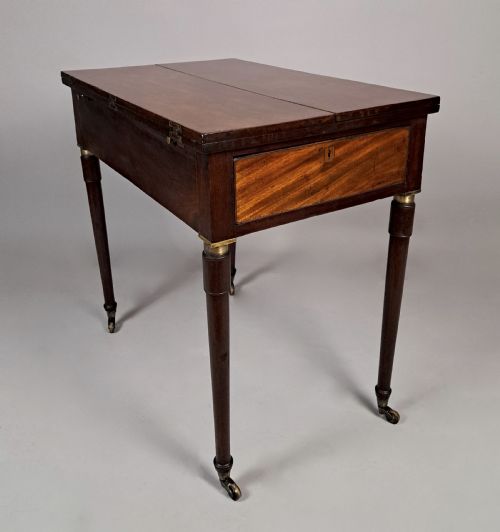


Gillows Furniture Table
When you handle a gillows furniture table, you hold centuries of bench-made British cabinet-making that balances quiet utility with uncompromising timber selection.
Gillows Furniture Table
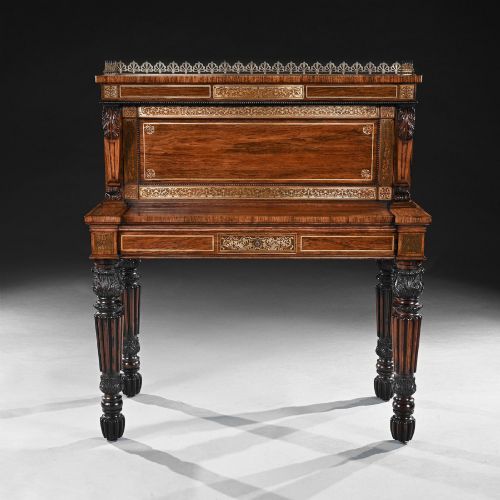
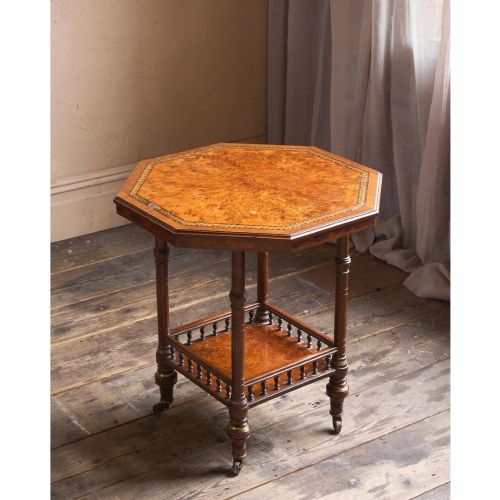
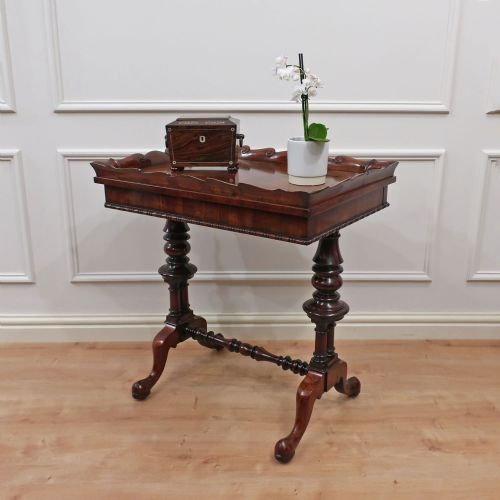
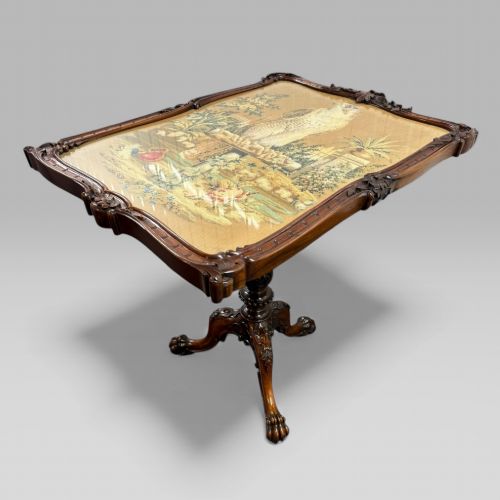
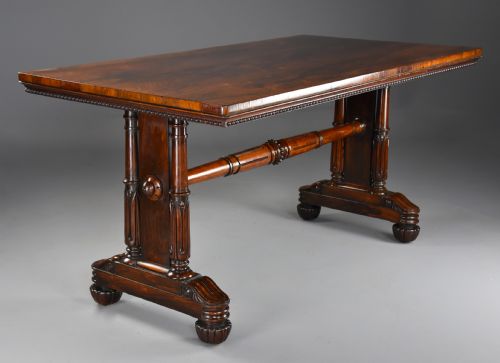
When buyers search for gillows furniture table, they seek pieces originating from the celebrated Lancaster and London workshops whose output defined British domestic interiors from the Georgian era through the Victorian period. You will most frequently meet side tables, writing tables, and dining tables fashioned in mahogany or rosewood, spanning periods from George III and Regency to William IV and later Victorian decades.
The range encompasses formal library tables, games tables, and work tables, alongside robust oak and walnut pieces. These tables reflect the practical demands of historic households, constructed to serve specific domestic functions with tidy proportions and sensible mechanisms.
Attributions connect pieces directly to the firm or acknowledge the pervasive influence of its design vocabulary. Whether signed, stamped, or attributed through characteristic construction details, each piece demonstrates the firm's persistent focus on utility and structural integrity.
Materials and construction
Makers utilised dense hardwoods such as mahogany, rosewood, and walnut, often selecting figured veneers and flame grains to catch the light on table tops and drawer fronts. Secondary timbers like oak and pine provide sturdy interior framing for drawers and undercarriages.
Brass inlays, castors, and gallery rails appear alongside parcel gilt details and leather writing inserts. Joinery relies on precise dovetailing and stable secondary framing, ensuring drawers glide smoothly and structural joints resist seasonal movement.
Distinctions in quality
The standard of a gillows furniture table rests on the grade of timber selected for the primary surfaces and the precision of the secondary framing hidden beneath. Master cabinet-makers chose logs with deep figure and matched veneers thoughtfully across table leaves and drawer panels.
Refinement shows in the crispness of carved mouldings, the neatness of brass stringing, and the smooth operation of drop-leaf hinges or extending dining mechanisms. Pieces that retain their original castors, functional locks, and unwarped tops stand apart from those altered or heavily restored over time.
Gillows Lancaster and London·Thomas Myers of Gillows·Waring and Gillows·GILLOWS
The Gillows Furniture Table Glossary
- Tilt top tripod table
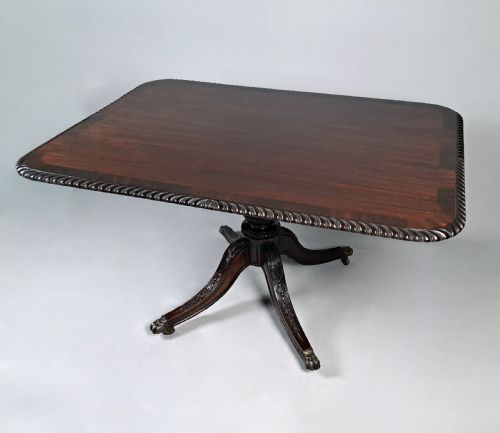
- A table with a circular top that pivots on a central pillar supported by three legs. This mechanism allowed tables to stand flat against walls when not in use.
- Dumb waiter
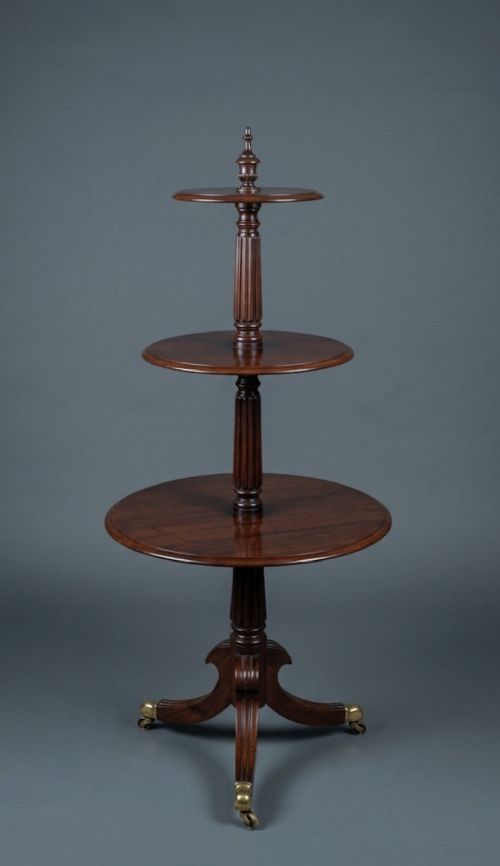
- A tiered set of revolving or stationary circular trays on a central column designed to hold dishes or serving items without servant attendance. They appear frequently in mahogany during the Regency period.
- Tea poy
- A small cabinet or chest mounted on a pedestal or legs to store loose tea leaves and mixing bowls. They often feature fitted interior compartments and lockable lids.
- Whatnot
- An open set of freestanding shelves supported by slender corner posts, utilised for displaying or storing books and decorative objects. They range from two to multiple tiers in walnut, mahogany, or rosewood.
- Stringing
- A thin inlay of contrasting wood or brass set into channels cut into the primary timber surface. It creates fine decorative borders around table tops and drawer fronts.
Gillows Furniture Table: Frequently Asked Questions
How do I identify a genuine gillows furniture table?
Look for stamped maker marks, numbered inventory stamps, or distinctive construction traits such as numbered drawer sides and particular dovetailing methods used by the Lancaster workshop.
Compare the timber choice and hardware quality against documented examples from the Georgian and Regency periods to confirm the attribution.
Where were these tables used in historic homes?
Dining tables served formal meals in the dining room, while side tables and console tables anchored hallways, drawing rooms, and libraries. Smaller work tables and writing desks accompanied ladies and gentlemen in private parlours and studies.
Their placement depended strictly on domestic utility, matching the room's specific social function.
How should I care for a mahogany or rosewood table?
Keep antique timber away from direct sunlight and steady heat sources to prevent the wood from drying out and veneers from lifting. Feed the polished surface occasionally with traditional beeswax to maintain the natural lustre of the grain.
Avoid setting wet glasses or hot plates directly onto antique table tops.
How do I distinguish Regency styles from Victorian pieces?
Regency tables typically display restrained classical lines, brass stringing, and elegant rosewood or mahogany surfaces inspired by antiquity. Victorian examples often incorporate heavier proportions, darker walnut timbers, and revival motifs such as Elizabethan or Aesthetic movement details.
Examining the turning of the legs and the complexity of the hardware helps separate the earlier period from the later nineteenth century.