






Gillows Lamp Table
A gillows lamp table is a versatile surface for lighting and small items, uniting refined cabinet-making with functional domestic design.
Gillows Lamp Table
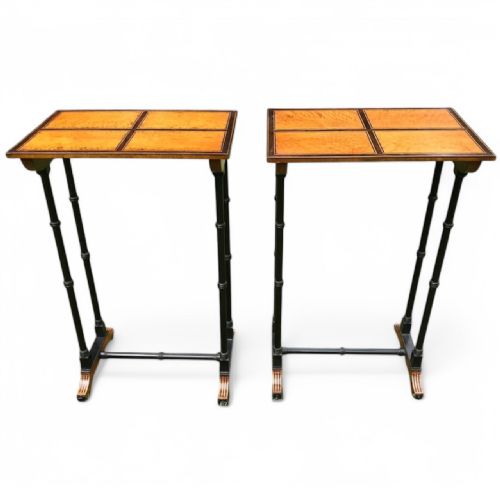
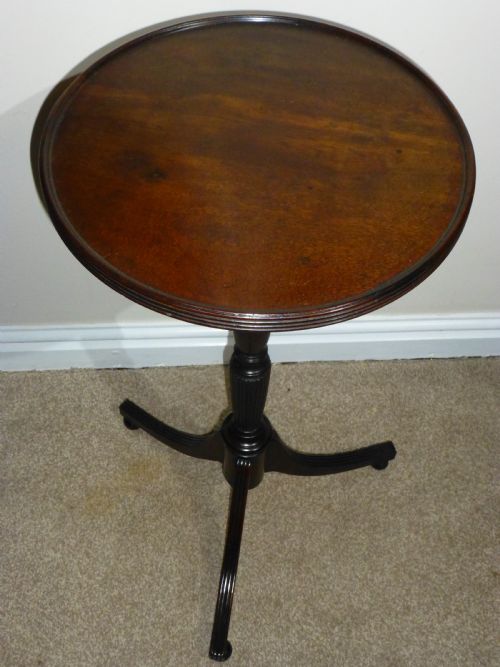
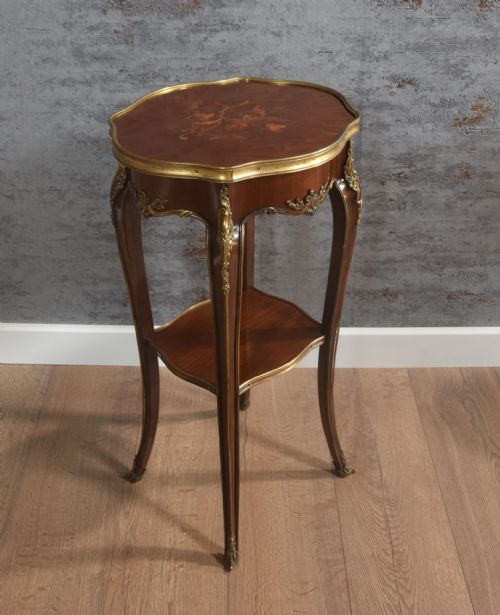
A gillows lamp table is a compact surface originally intended for auxiliary lighting and small domestic tasks, appearing across multiple periods including the Regency, Victorian, and Edwardian eras. Buyers searching for a gillows lamp table encounter diverse forms such as tripod wine tables, occasional tables, side tables, and Pembroke drop-leaf work tables. These pieces emerge in English rooms from the late eighteenth century onward, reflecting the changing social habits of domestic life.
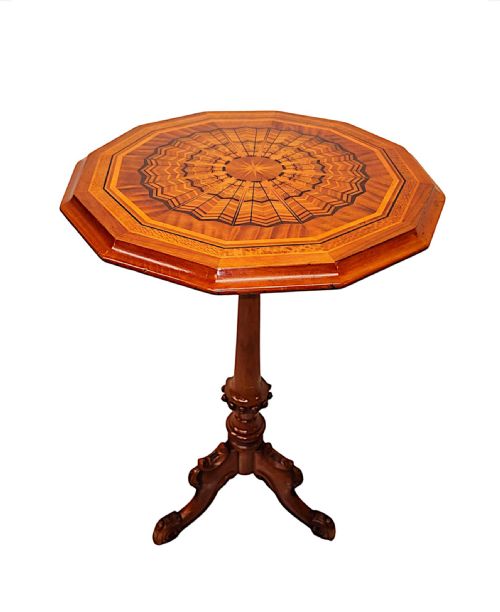
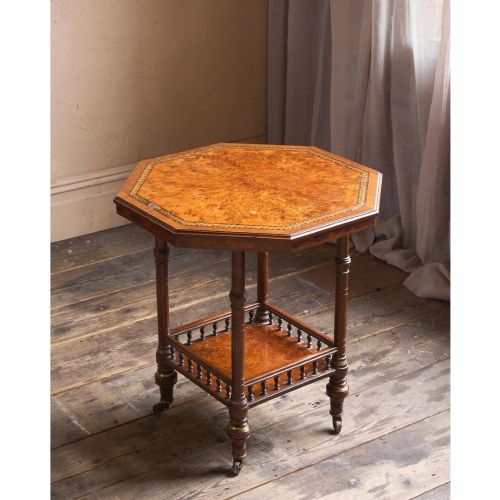
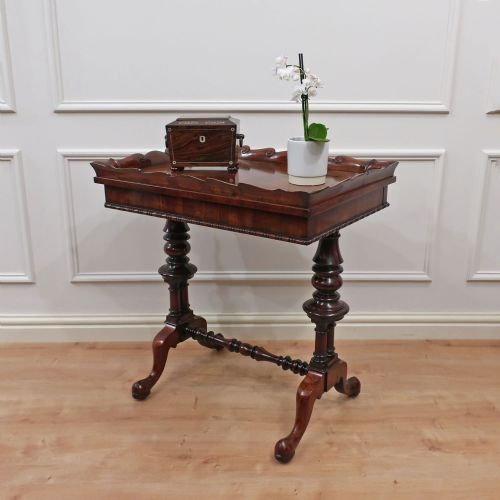
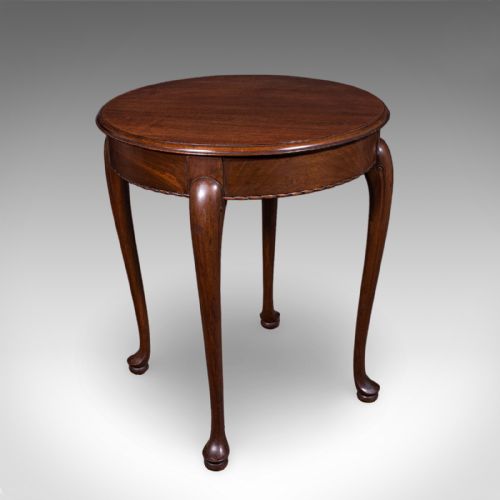
The pieces listed on this page span several centuries, with a strong representation from the Regency period alongside later nineteenth-century examples. The forms vary from circular tilt-top tripod tables to octagonal and rectangular side tables with inlaid tops. Oak, mahogany, and rosewood serve as the primary woods, often enhanced by contrasting veneers.
Makers associated with these pieces include the prominent Lancaster and London firm, alongside later iterations such as Waring and Gillow. Many items are attributed through characteristic construction methods, timber selection, or specific stamps on the woodwork. Buyers will find both documented workshop pieces and items executed in the distinct manner of the firm.
Materials and Construction
Timbers such as mahogany, rosewood, and oak form the structural core of these tables, supplemented by decorative veneers like satinwood, amboyna, and burr walnut. Cabinet-makers selected dense hardwoods for stability, applying figured veneers to table tops to create visual interest. Brass mounts, parcel gilding, and gilt-bronze details occasionally accent the woodwork.
Joinery methods reflect traditional high-grade workshop practices, utilising precise mortise and tenon joints, stable rule joints on drop-leaf Pembroke tables, and solid turning for tripod pedestals. Drawer linings, where present, show careful secondary framing in pine or mahogany with hand-cut dovetails. Table tops frequently rest on tilting mechanisms or sturdy birdcage supports secured to central columns.
Several examples include clever drop leaves and secret drawers designed to conceal sewing implements and correspondence from unexpected callers.
Assessing Quality
The distinction between standard examples and superior workshop output lies in the selection of timber figures and the precision of decorative inlay. Master cabinet-makers employed finely figured mahogany, goncalo alves, or amboyna paired with crisp marquetry and stringing. The weight of the timber and the balance of the tripod or pedestal base indicate the original maker's investment of labour.
Execution of carved details and bronze mounts further separates the range. Crisp mouldings, well-defined brass or gilt-bronze mounts, and smooth drawer action demonstrate higher workshop standards. Simpler utilitarian oak or mahogany variants serve functional roles, whereas highly inlaid satinwood or amboyna examples represent top-tier design.
Gillows·Waring and Gillow·Gillows of Lancaster
The Gillows Lamp Table Glossary
- Pembroke table
- A small rectangular table with hinged drop leaves on two opposing sides. These tables often incorporate a small drawer and slender legs.
- Tripod table
- A small freestanding table supported by a central pillar resting on three legs. This form gained popularity during the Georgian and Regency periods for tea or lighting.
- Goncalo alves
- A dense, highly figured tropical hardwood with contrasting dark brown and golden stripes. Makers utilised this timber for decorative occasional and games tables.
- Amboyna veneer
- A rich, highly knotted burr veneer derived from the Pterocarpus indicus tree. It provides a warm, mottled surface on nineteenth-century cabinet work.
- Parquetry
- Geometric mosaic woodwork formed by fitting small pieces of veneer together. It appears on the tops of refined occasional and games tables.
Gillows Lamp Table: Frequently Asked Questions
What is a gillows lamp table used for?
These tables provide a stable surface for holding candlesticks, oil lamps, or small decorative objects next to seating. In period interiors, they functioned as mobile furniture moved about rooms as needed.
Their compact proportions also suited them for use as wine tables, small writing desks, or occasional side surfaces in halls and drawing rooms.
How do I identify a genuine piece?
Identification relies on examining timber quality, construction methods, and characteristic hardware used by the workshop. Some pieces feature stamped signatures directly into the mahogany or oak framing.
When a stamp is absent, attribution depends on stylistic markers such as specific leg turnings, brass castors, and precise internal joinery consistent with documented workshop output.
What woods were commonly used?
Mahogany served as the predominant structural timber throughout the Georgian and Regency periods. Cabinet-makers also utilised rosewood, oak, and walnut for heavier occasional furniture.
Satinwood, amboyna, and birds-eye maple appeared as decorative veneers on table tops, often contrasted with darker stringing in ebony.
Where should I place it at home?
These compact tables fit easily beside armchairs, sofas, or in narrow hallways where floor space is limited. Their modest footprints allow them to function as bedside surfaces or plant stands.
Keeping them away from direct heat sources protects the antique veneers and polished timber finishes from drying out and splitting.