







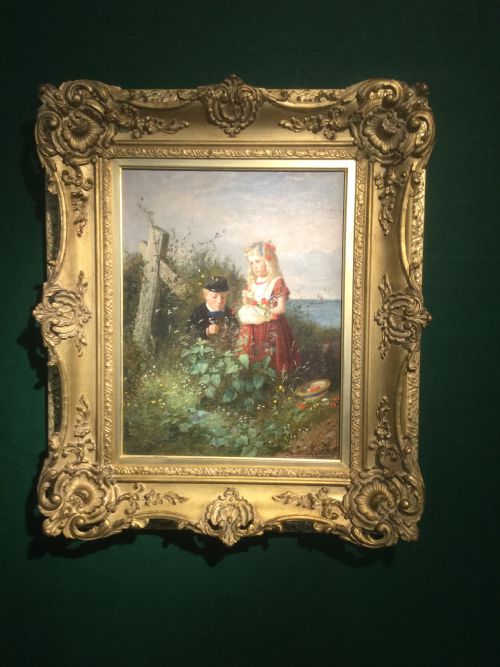
Gilded Wood Oil Painting
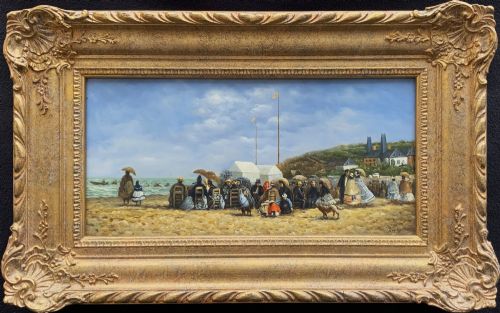
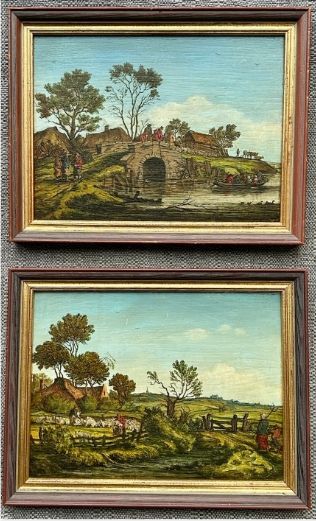
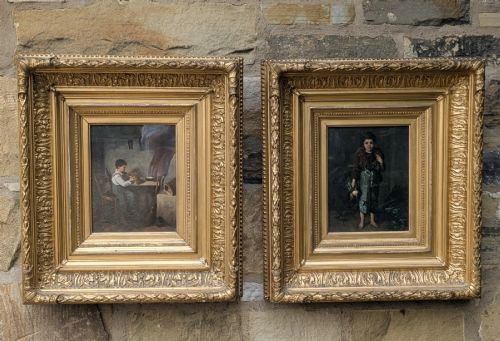
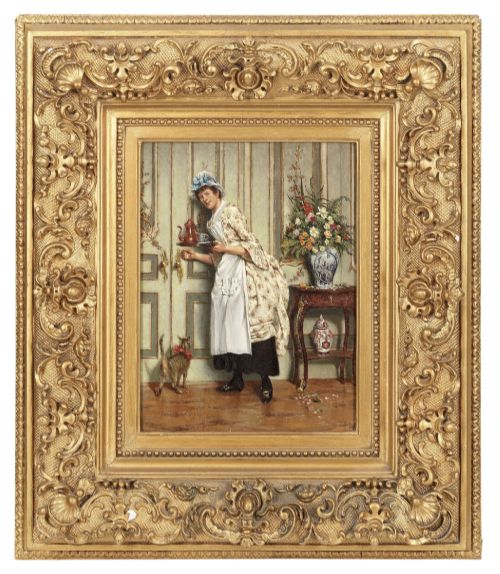
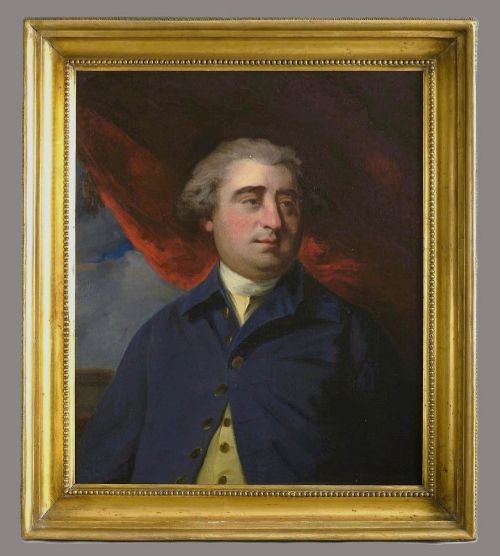
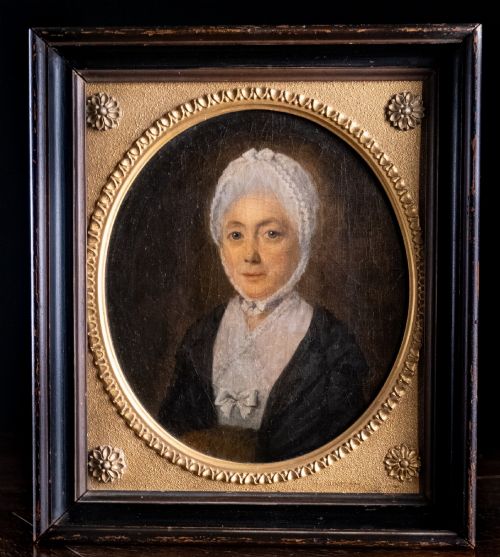
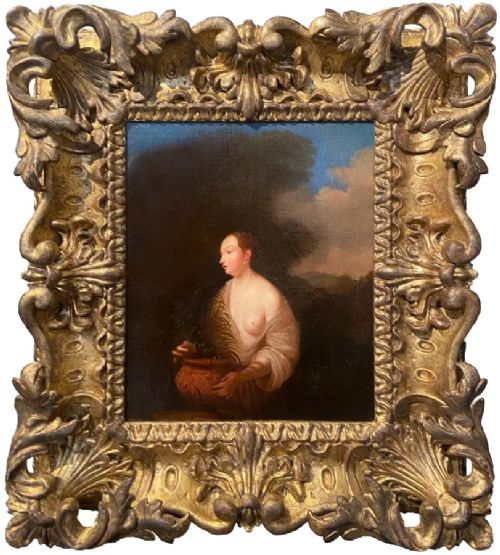
Gilded wood oil painting pieces bring together canvas or panel works and ornate gold-finished frames.
Gilded Wood Oil Painting
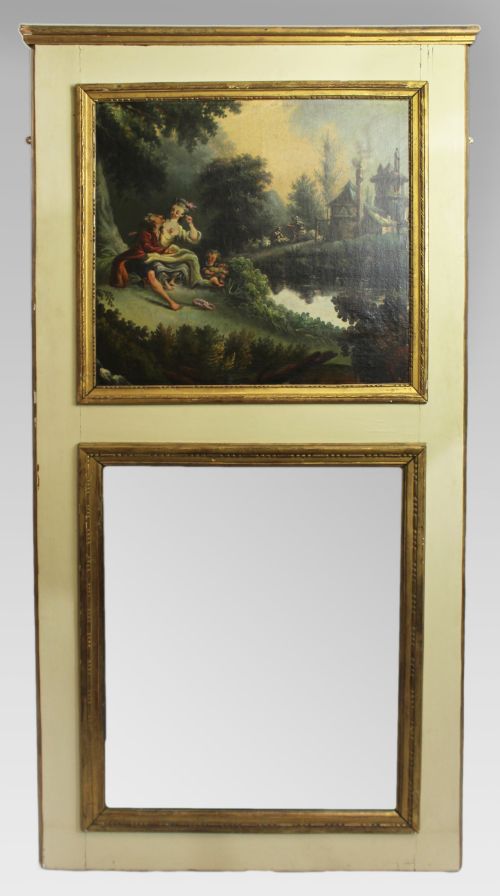
A gilded wood oil painting search uncovers historic fine art works alongside decorative wall mirrors incorporating painted panels.
The selections span centuries from seventeenth-century portraits to mid-twentieth-century scenes, reflecting shifting artistic movements.
Portraiture and pastoral landscapes dominate the selection, frequently housed within original period frames.
Materials and construction
Makers applied oil paint to stretched canvas, wooden panels or board supports, utilising pigments bound in oil.
Frames and decorative wooden elements received layers of gesso before the application of delicate gold leaf or metal gilt.
Several canvases capture cats at play and dogs posing patiently, proving historic patrons loved their pets just as much as we do.
Quality factors
Distinction lies in the skill of the brushwork and the depth of the initial composition, particularly in portraiture and landscape detailing.
The integrity and craftsmanship of the gilded wooden frame elevate the piece, especially when the frame is original to the work.
Stephen Samuel Lewin·Thomas Beach·Alfred Arthur Brunel de Neuville·Paul Jean Anderbouhr·John Theodore Heins
The Gilded Wood Oil Painting Glossary
- Giltwood
- Wood carved and coated with gold leaf or metal gilt. This finish provides the bright metallic border common on historic art frames.
- Gesso
- A plaster mixture applied to wood surfaces as a preparation for gilding. It allows carvers to achieve crisp relief details before applying gold leaf.
- Trumeau
- An architectural mirror incorporating an oil painting in the upper section. These decorative fixtures originated in French interior design.
- Oil on Panel
- A painting executed on a wooden board rather than canvas. This rigid support was common in earlier centuries.
Gilded Wood Oil Painting: Frequently Asked Questions
How do I date a gilded wood oil painting?
Dating relies on stylistic clues within the canvas, the costume of depicted figures, and the construction techniques of the wooden frame. Canvas types and stretcher assembly methods also provide chronological markers.
Examining pigment usage and any signatures or inscriptions on the reverse helps narrow down the period of creation. Expert analysis of the gesso and gilding style on the frame supports accurate dating.
Are original frames important?
Original frames contribute significantly to the historical integrity and visual harmony of the artwork. They were often designed specifically to complement the palette and period of the painting.
Matching frames enhance the overall character and collectible standing of the piece. Replacing a frame alters the historic context intended by the creator.
What subjects are most common?
Portraits of nobility and everyday figures appear frequently across seventeenth and eighteenth-century entries. Landscapes and pastoral scenes also form a major part of the available selection.
Animal studies and narrative scenes provide further variety within nineteenth-century items. Each subject reflects the prevailing tastes of its specific era.
How should I care for these paintings?
Keep the pieces away from direct sunlight and fluctuating humidity to protect both the canvas and the gilded wood frame. Gentle dusting with a soft, dry cloth prevents particulate buildup.
Avoid chemical cleaners on the gilt surface, as moisture can damage the delicate gold leaf and gesso layers. Professional conservators should handle any structural repairs.