

British Genre Artwork
British genre artwork captures domestic scenes and daily life through oil and watercolour, offering a direct window into nineteenth-century social history.
British Genre Artwork
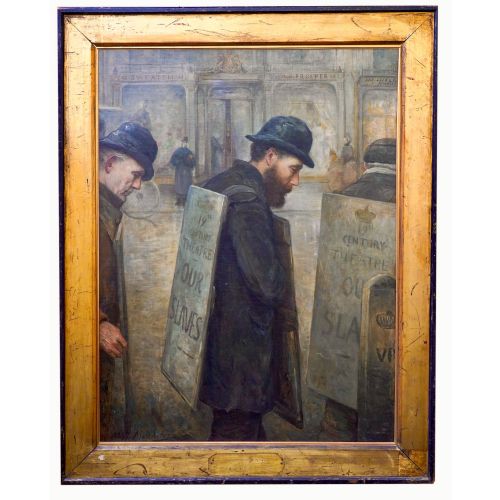
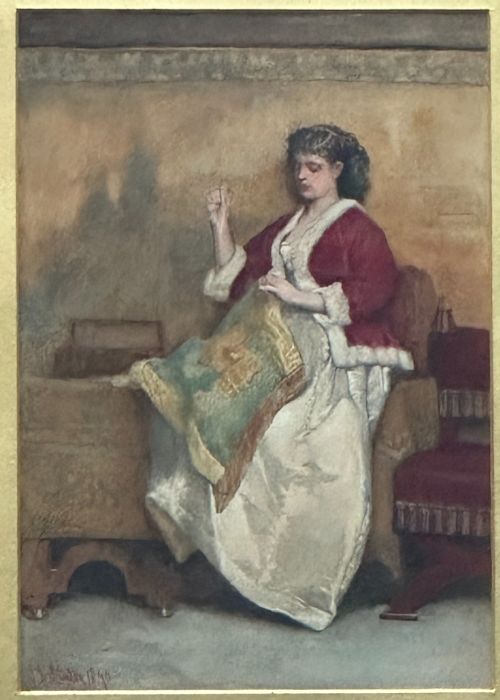
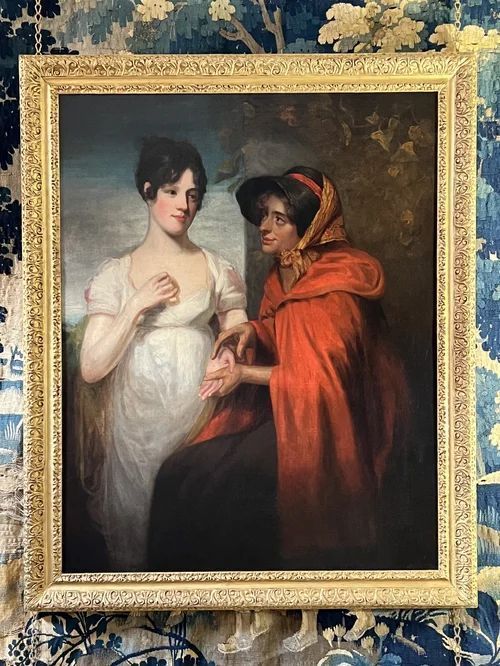
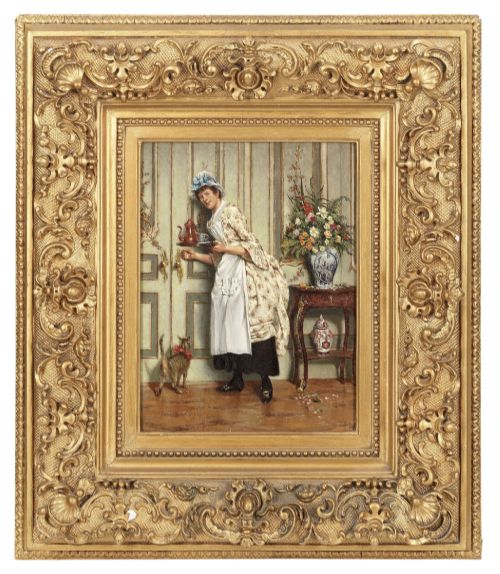
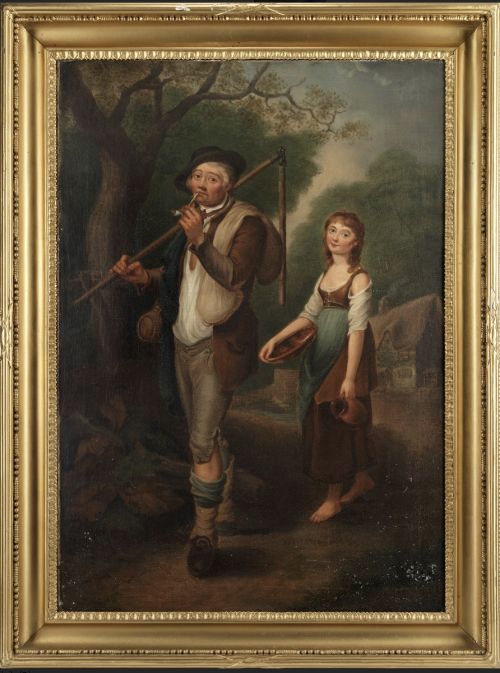
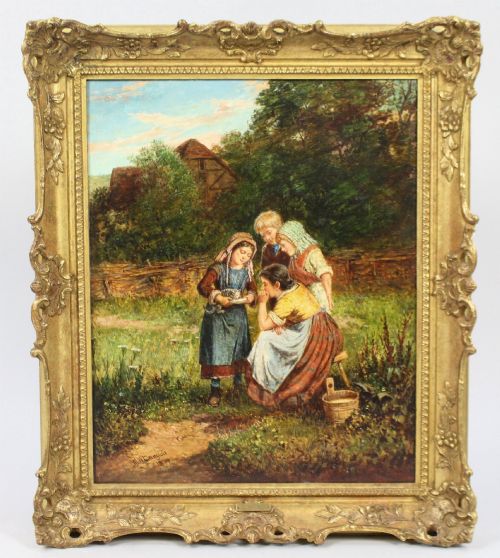
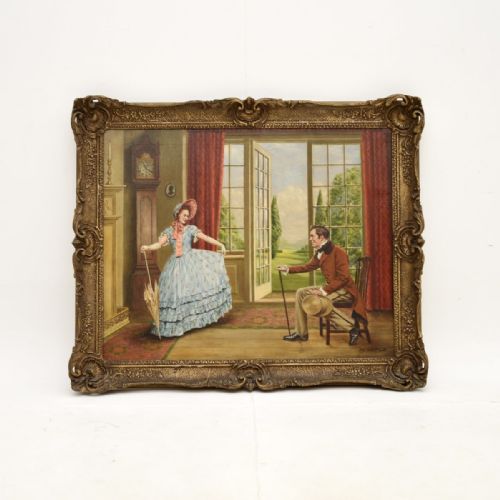
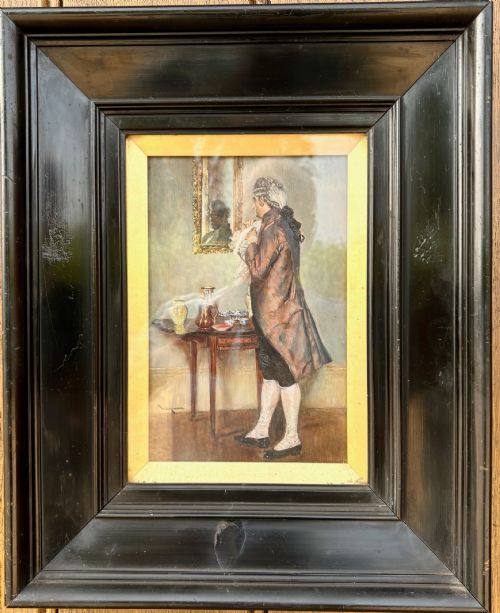
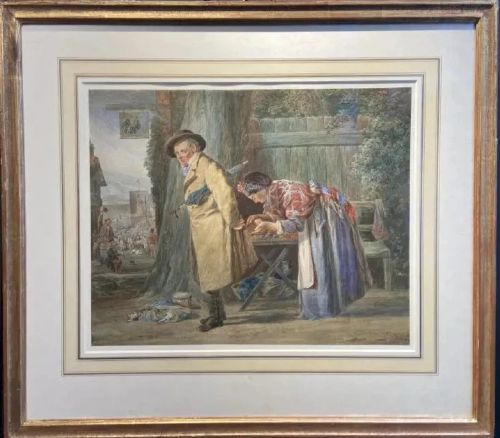
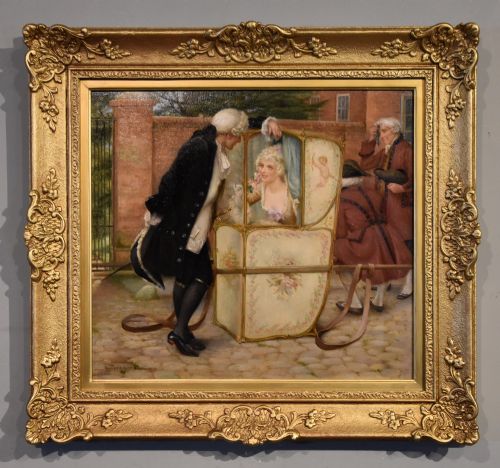
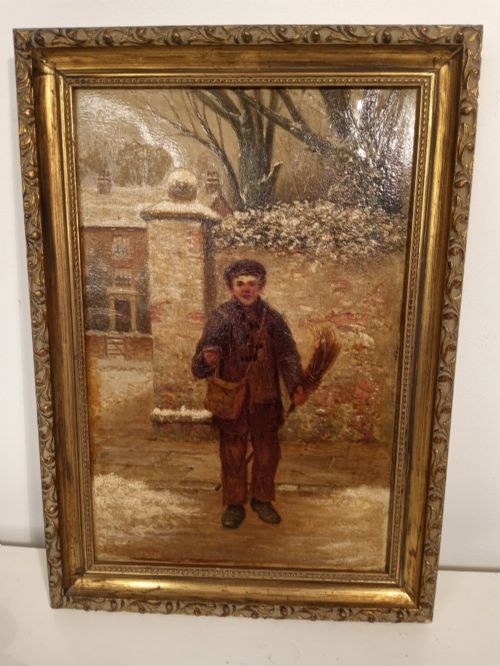
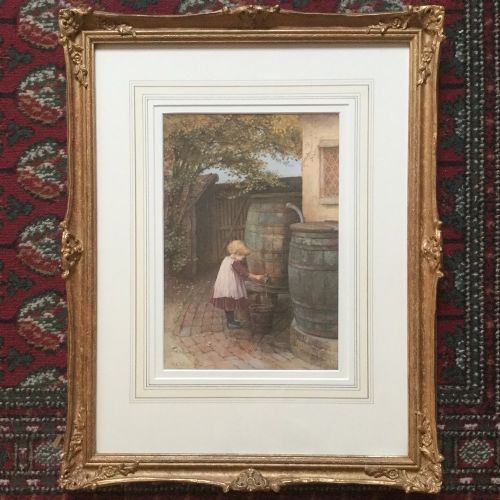
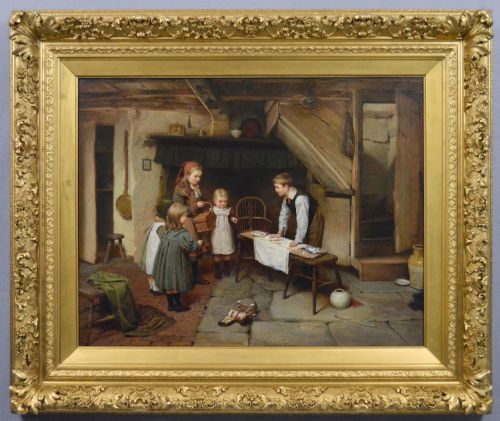
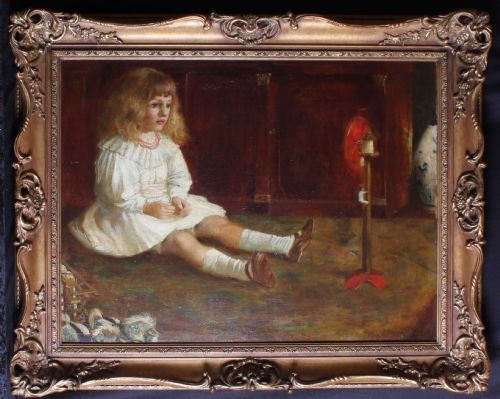
British genre artwork focuses on narrative scenes of everyday life, depicting children, domestic interiors, rural workers and historical vignettes. These pieces range from intimate cottage watercolours to large oil paintings created during the Victorian and Edwardian periods.
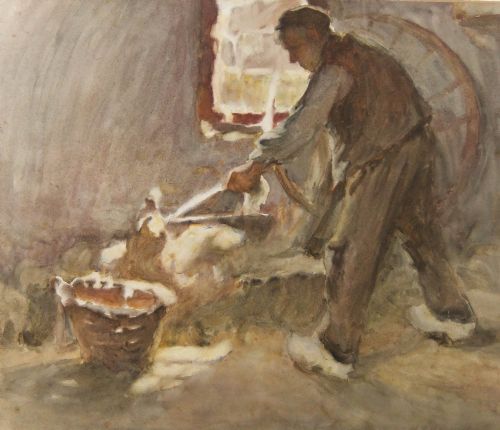
The selections here heavily feature Victorian genre painting and social realism, capturing human interaction in settings such as blacksmiths' shops, firesides and country houses. Artists frequently portray ordinary people engaged in routine tasks or quiet moments.
Forms span framed artwork, wall art and fine art paintings executed on canvas, board, paper and panel. Subjects often highlight Victorian social history, country life and coastal scenes.
Assessing quality in these works
Quality rests upon the handling of light and narrative expression within the scene, distinguishing accomplished academic output from routine studio production. Masterful brushwork brings clarity to facial expressions and interior details such as textiles and furniture.
The strength of provenance, exhibition history at institutions like the Royal Academy, and the artist's standing elevate individual works. Complete preservation of the original surface and period framing further marks the upper tier of these paintings.
The selection spans from the late eighteenth century through the 1920s, utilising paper, oil on canvas, wood and giltwood.
Felix Stone Moscheles·Sir James Dromgole Linton·Valentine T Garland·John Opie·Stephen Samuel Lewin·Thomas Barker of Bath·Mark William Langlois·Henry Silkstone Hopwood·Alfred Lyndon Grace·W D Almond·Joseph H Barnes·Delapoer Downing·Charles Edward Wilson·Harry Brooker·Byam Shaw·Alexander Rosell·John Arthur Lomax·John Watkins Chapman·Haynes King·John Sanderson Wells·Charles Burton Barber·James Kyd·C S Lidderdale·James Mallard Bromley·Arthur Hopkins
The British Genre Artwork Glossary
- Genre painting
- Depiction of aspects of everyday life by depicting ordinary people engaged in common activities. These works form the core of the available selection.
- Victorian social realism
- An artistic movement focusing on the realities of working-class life and contemporary social issues. Works in this style often carry strong narrative or historical weight.
- Giltwood
- Wood carved and covered with a thin layer of gold leaf or gold paint. This material is standard for period frames enclosing nineteenth-century canvases.
- Watercolour painting
- Art created using water-soluble pigments on paper supports. This medium is frequently employed for lighter interior studies and coastal views.
- Oil on canvas
- Pigment bound in a drying oil applied to stretched fabric. It serves as the primary medium for monumental historical and domestic scenes.
British Genre Artwork: Frequently Asked Questions
What subjects do these paintings show?
These artworks depict scenes of everyday life, including children playing, domestic interiors, cottage tasks and coastal workers. The subjects offer a detailed look at social history and rural routines.
Common themes involve figures gathered around firesides, engaged in trades or participating in historical narratives set within British homes and landscapes.
How do I identify a Victorian piece?
Victorian works often feature distinct social realism, narrative domestic themes and detailed clothing typical of the nineteenth century. Signatures, dates and framing styles frequently align with the Victorian and Edwardian eras.
Artist biographies and exhibition records from institutions like the Royal Academy provide further context for dating individual canvases and watercolours.
What is the difference between oil and watercolour here?
Oil paintings utilise pigment on canvas or panel, offering rich textures and deep tones suitable for substantial interior scenes. Watercolours employ pigment on paper, yielding a lighter and more translucent finish.
Both mediums were widely used by British artists to capture domestic life, though oils typically appear in larger, more finished exhibition formats.