

19th Century Oil Art
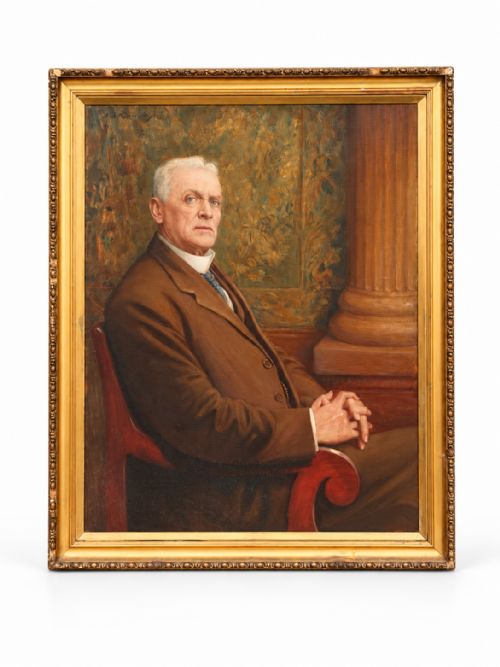
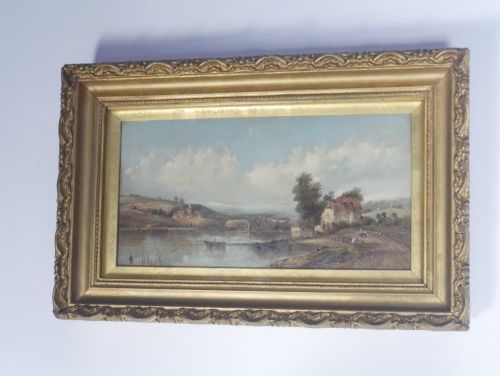
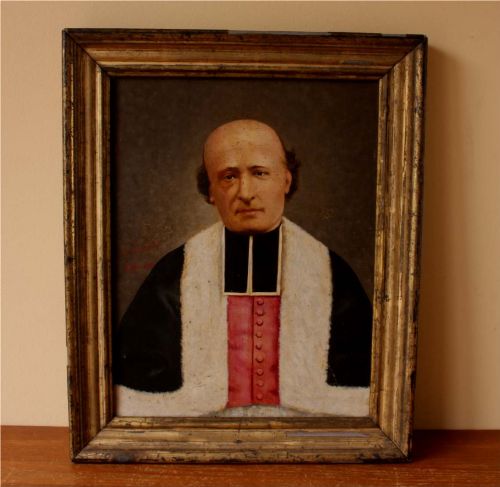
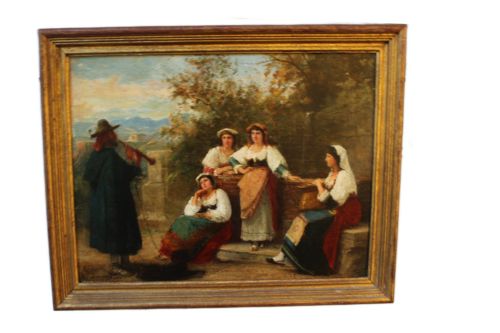
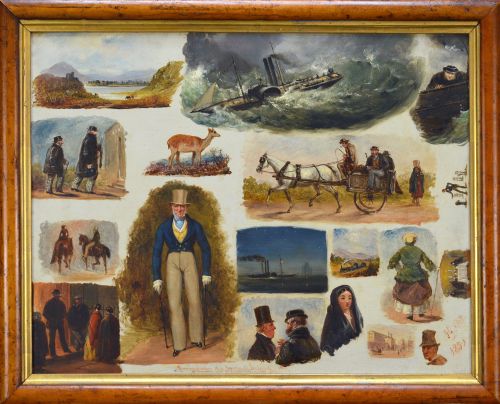
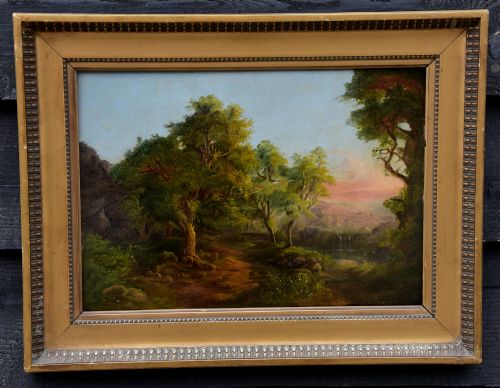
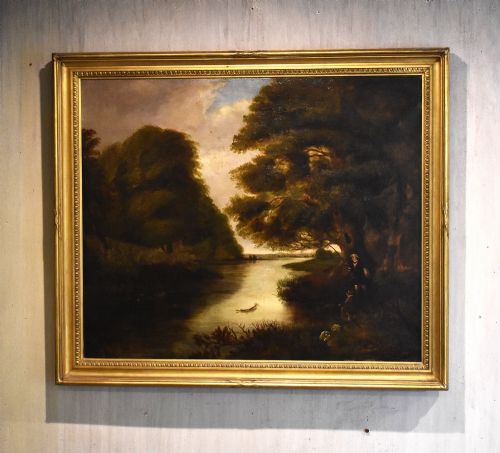
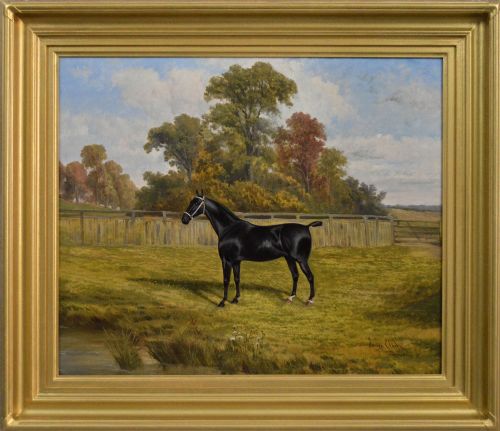
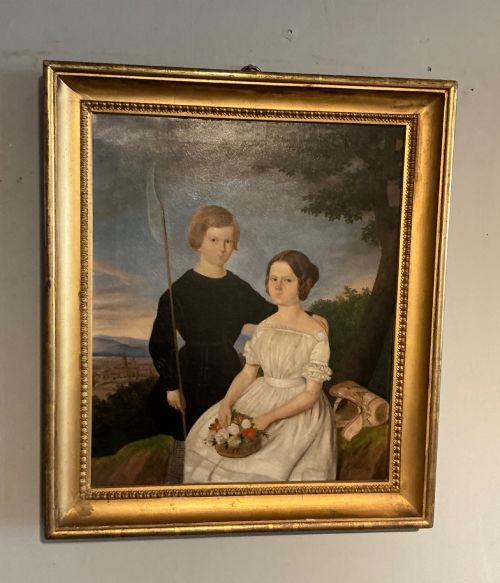
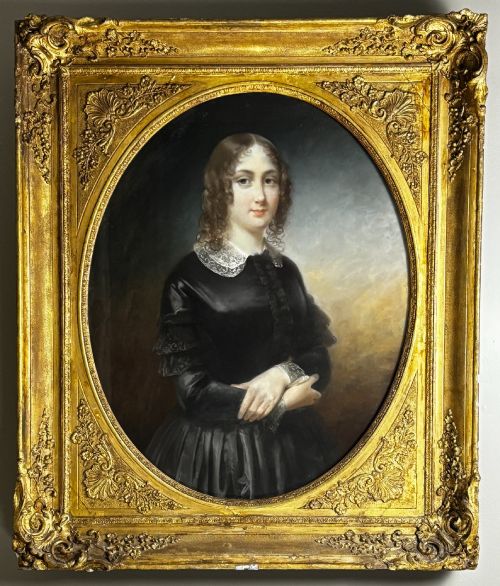
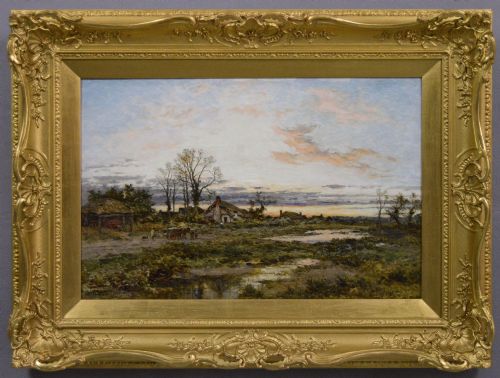
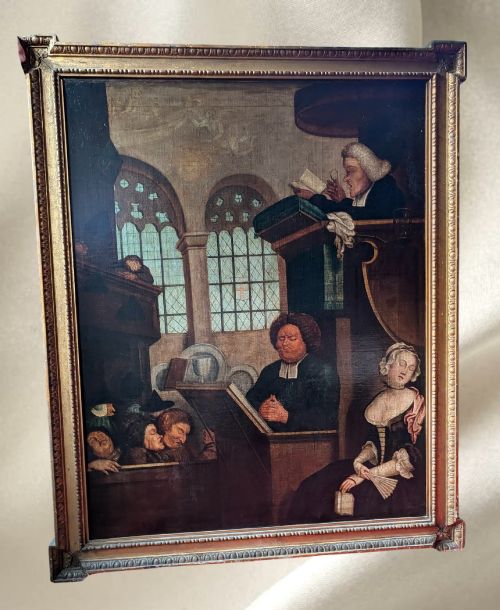
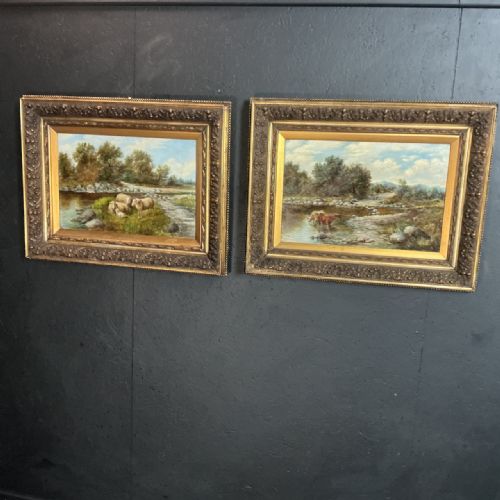
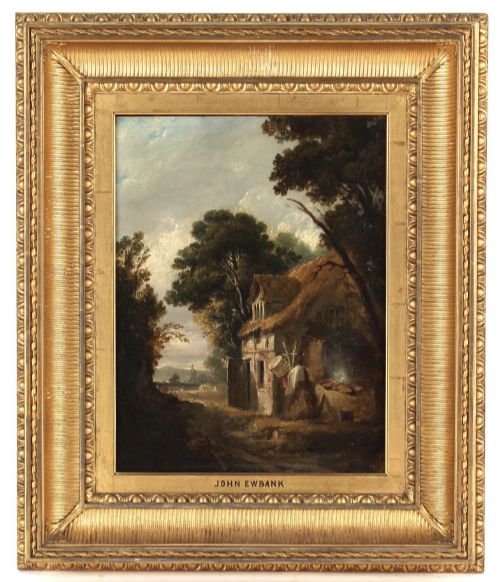
These curated works of 19th century oil art capture the rich portraiture, detailed marine scenes and pastoral landscapes of the era.
19th Century Oil Art
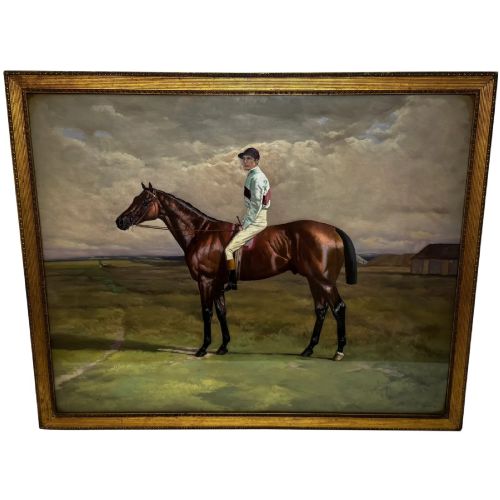
Collectors seeking 19th century oil art encounter a wide spectrum of subjects, from formal portraiture and romantic landscapes to marine views and naive folk pieces. The pieces on this page span British, French, and European schools, representing both named artists and anonymous workshops.
The dominant forms include oil paintings on stretched canvas, wooden panels and board supports. Many examples retain their original decorative frames, providing a complete historical presentation.
Materials and construction
Painters of this period applied ground oil pigments onto prepared canvas, wooden panels or thick board. Stretchers and wooden panels provided rigid support for the layered paint media.
Frames associated with these works frequently utilise moulded gesso over wood, finished with applications of gold leaf or giltwood to enhance the visual depth of the composition.
19th Century Oil Art Retail Price Guide 2026
Typical asking prices for 19th century oil art among the pieces listed under this phrase on Sellingantiques today, from the lower quarter to the upper quarter. They describe what is for sale here now, not the wider market.
Cats, dogs and farmyard animals frequently steal the show in nineteenth-century domestic paintings, proving that pet portraits are by no means a modern invention.
Quality and execution
Execution quality rests upon the anatomical handling of figures, the perspective within landscapes and the subtle blending of light and shadow across the canvas. Masterworks display confident brushwork and precise compositional balance.
The condition of the original paint layer and the preservation of the backing support also dictate the desirability of a given piece, alongside the presence of legible signatures or documented provenance.
Joseph Clover RA·Henry Barraud·Theude Gronland·Sir Joseph Noel Paton·Eugène Verboeckhoven·Richard Sebastian Bond·William Beattie-Brown·Felix Stone Moscheles·John Maler Collier·Arthur Joseph Meadows·John Nost Sartorius
The 19th Century Oil Art Glossary
- Oil on Canvas
- Pigments mixed with a drying oil applied to a woven fabric stretched across a wooden frame. This was the primary medium for easel painting throughout the Victorian era.
- Giltwood
- Timber carved and coated with gold leaf or metallic powder to create a lustrous decorative surface. These frames complement the tonal warmth of period paintings.
- Panel
- A flat wooden board used as a rigid painting support instead of fabric canvas. Artists frequently employed mahogany or oak panels for smaller cabinet works.
- Naive Art
- Works created by self-taught painters operating outside academic traditions, often characterised by flat perspectives and direct charm. Folk art portraits and animal scenes fall into this category.
- Gesso
- A plaster mixture applied to wood frames or canvas grounds to provide a smooth surface for gilding and paint adhesion.
19th Century Oil Art: Frequently Asked Questions
How do I identify a genuine 19th century painting?
Examine the canvas weave, stretcher construction and pigment ageing under magnification. Period works often show characteristic craquelure and utilise hand-mixed lead or oil formulations consistent with nineteenth-century chemistry.
Inspect the reverse of the panel or stretcher for artist inscriptions, historical gallery labels and workshop stamps. These secondary markers frequently confirm the geographic origin and approximate date of creation.
Should I reframe an antique oil painting?
Original frames provide historical context and structural integrity that modern replacements lack. Even minor wear on period giltwood often adds authenticity and visual harmony to the artwork.
Consult a professional conservator before attempting any frame replacement or restoration. Removing a canvas from its period housing can diminish both the aesthetic balance and the historical value of the piece.
How should I clean my oil painting?
Dust accumulation should be gently removed using a soft, dry natural bristle brush without applying pressure to the paint surface. Avoid household cleaning agents, water or chemical solvents entirely.
Professional conservators should handle any removal of darkened varnish or accumulated grime. Improper cleaning techniques can permanently strip delicate glazes applied by the original artist.
What lighting is best for oil art?
Position paintings away from direct sunlight and intense ultraviolet sources to prevent fading of sensitive organic pigments. Ambient room illumination paired with dedicated low-heat picture lights works effectively.
Maintain stable indoor humidity and temperature levels to prevent expansion or contraction of wooden panels and canvas supports. Radical environmental shifts cause paint cracking and separation from the ground.