
Victorian Animal Portrait
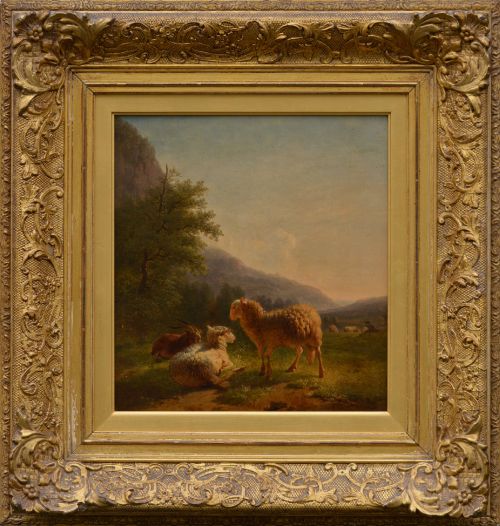
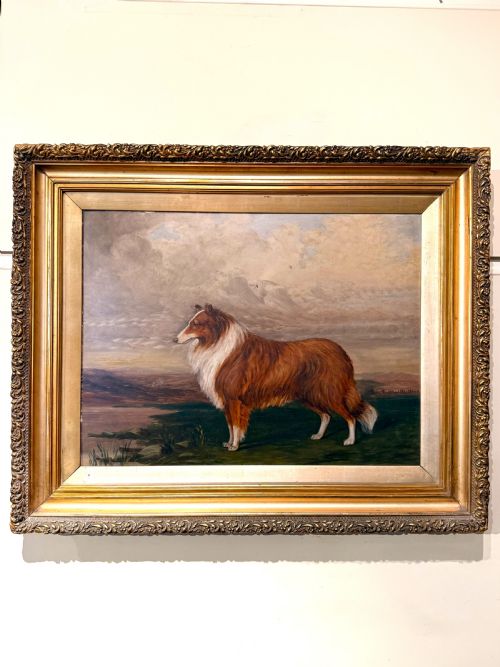
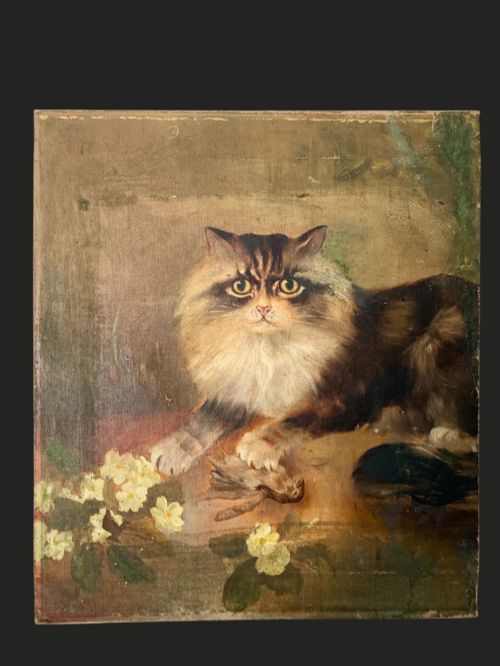
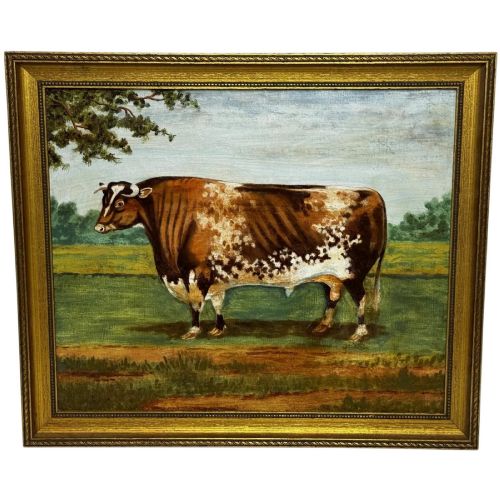
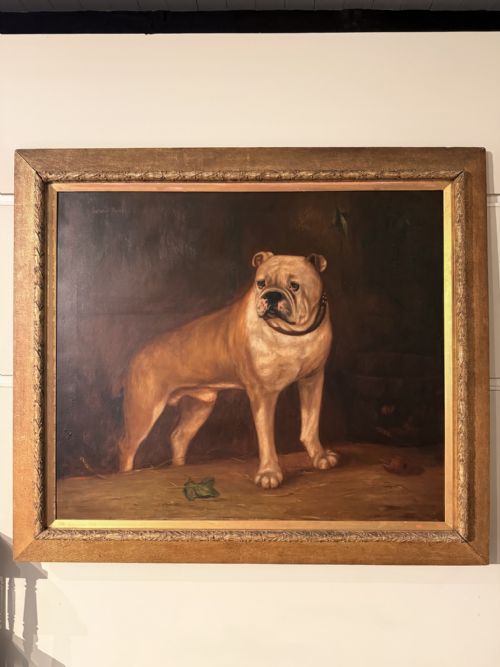
A victorian animal portrait captures the distinct character of valued livestock, prized hounds and domestic companions through nineteenth-century brushwork.
Victorian Animal Portrait
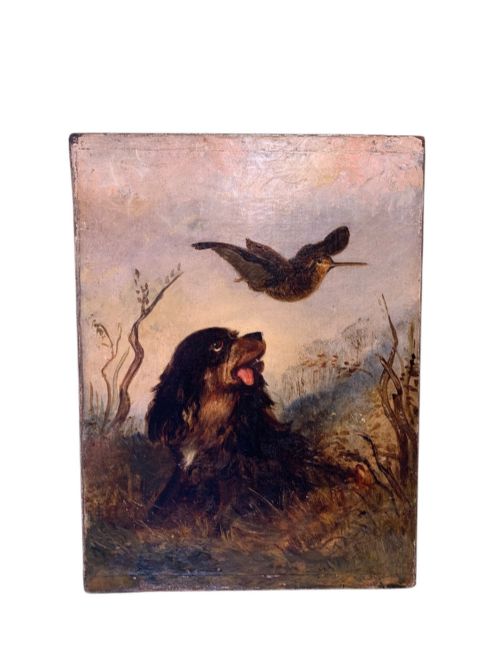
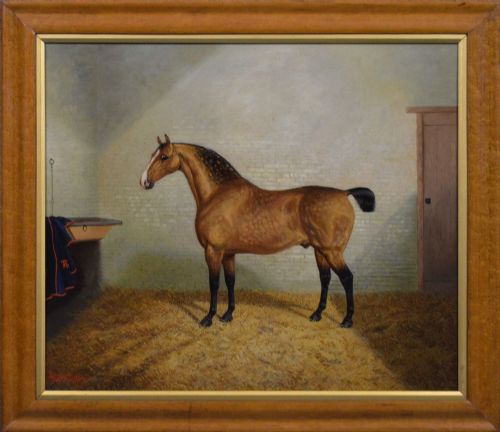
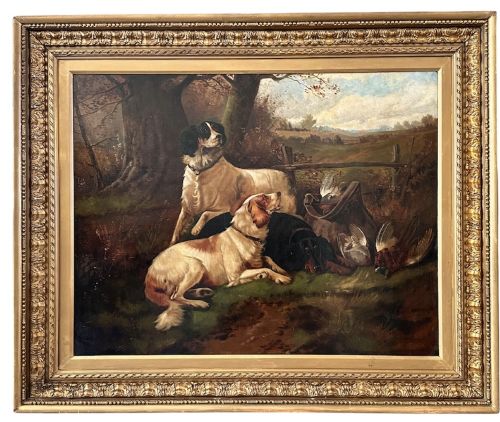
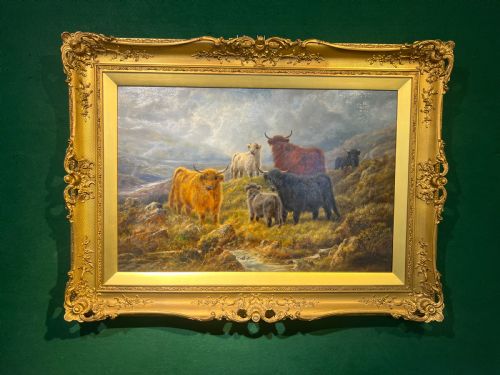
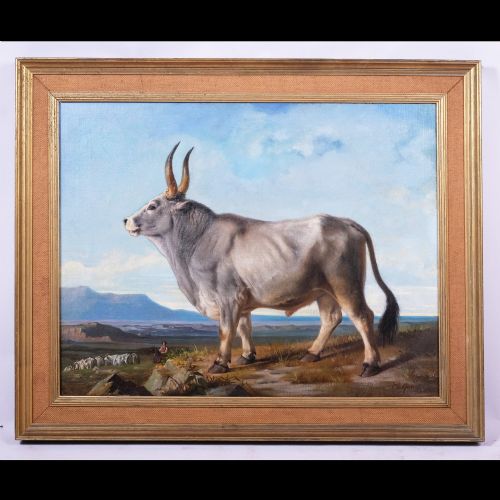
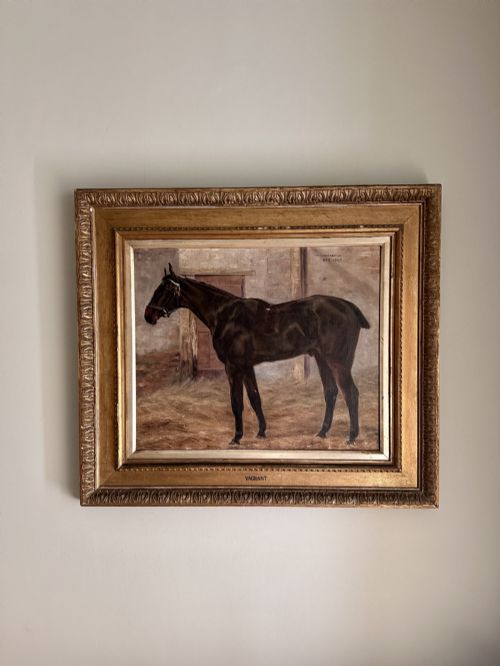
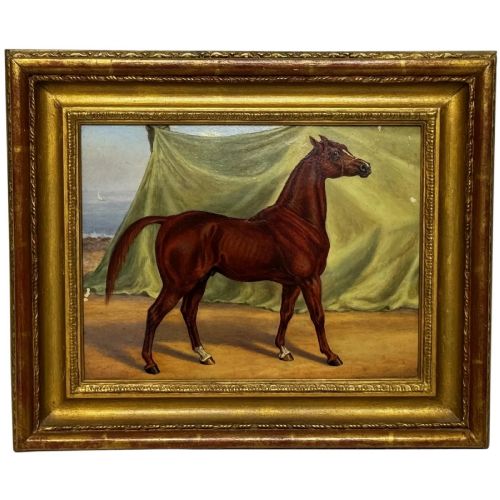
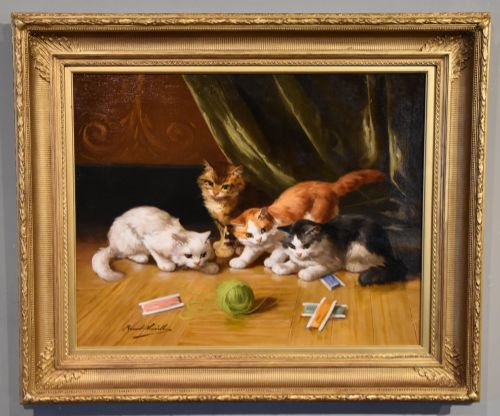
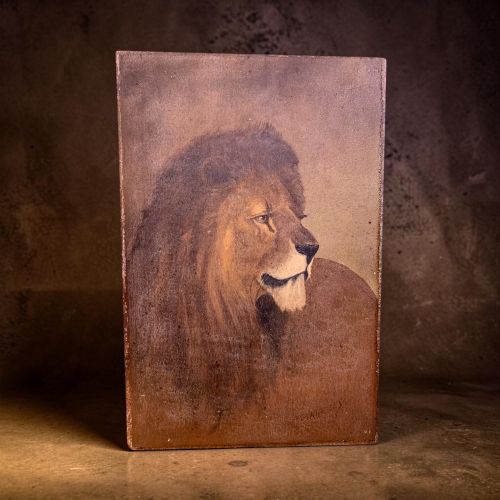
When you search for a victorian animal portrait, you encounter oil paintings on canvas and board alongside watercolours and charcoal drawings depicting individual creatures. The subjects range from prize shorthorn bulls and working farm dogs to thoroughbred horses, playful kittens and exotic lions.
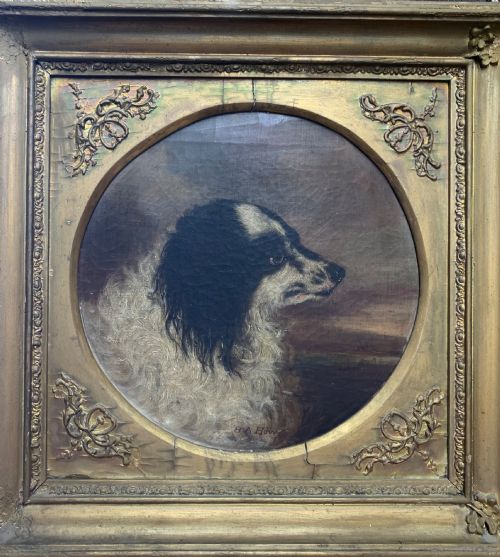
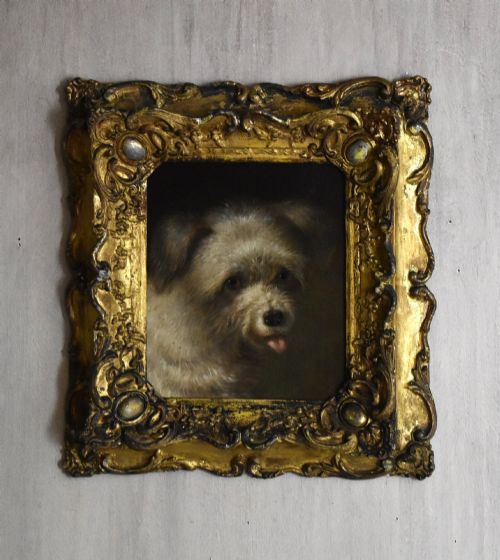
You are most likely to meet pieces originating from the nineteenth century, including specific dates across the eighteen-sixties, eighties and nineties, framed in period giltwood or gesso. These works reflect both British and continental schools of realism, sporting art and pastoral traditions.
The compositions present single animals or small groups within landscapes, stables or domestic interiors. Many record specific named animals belonging to estates, breeders or artists, preserving the individual identity of the subject.
Materials and Techniques
The works rely primarily on oil paint applied to stretched canvas or wooden board, capturing the sheen of a horse coat or the texture of a dog fur through layered brushwork. Watercolour on paper and charcoal also appear, particularly in studies and preparatory works.
Original framing utilises giltwood, gold leaf and moulded gesso over wooden bases, often accompanying the canvas since the nineteenth century. These frames provide structural support and complement the dark, rich palettes typical of the period.
Victorian Animal Portrait Retail Price Guide 2026
Typical asking prices for victorian animal portrait among the pieces listed under this phrase on Sellingantiques today, from the lower quarter to the upper quarter. They describe what is for sale here now, not the wider market.
Listings feature oil on canvas, wood panels and watercolours across the nineteenth-century periods, utilising giltwood and gesso frames.
Quality Variations
Quality rests upon the artist ability to render anatomical accuracy, bone structure and the individual expression of the animal rather than a generic representation. Master practitioners command brushwork that conveys muscle tension, light on fur and accurate proportions with supreme confidence.
The depth of the background and the integration of the animal within its pastoral or domestic setting distinguish ambitious gallery pieces from simpler naive folk art. Original period framing in untouched giltwood also contributes to the integrity of the piece.
Eugène Verboeckhoven·Albert Clark·Martin Theodore Ward·John Sargent Noble·Fred Fitzpatrick·Alfred Arthur Brunel de Neuville·John Emms·Arthur Wardle·William Henry Mander·Thomas Sidney Cooper·George Lance·William Barraud·Sir Edwin Landseer·Colin Graeme Roe·Valentine Thomas Garland·Agnes Augusta Talboys·John Trivett Nettleship·Helena Maguire·Samuel Spode·Fannie Moody·Robert Cleminson
The Victorian Animal Portrait Glossary
- Naive school
- A classification for art created by self-taught painters who often used flattened perspective and simplified forms. This style appears frequently in nineteenth-century folk portraits of livestock.
- Gesso
- A plaster-like mixture applied to wooden frame mouldings before gilding. It provides a smooth base for intricate relief ornamentation.
- Sporting art
- A genre dedicated to depicting field sports, horses, hounds and shooting dogs. It forms a major category within nineteenth-century animal painting.
- Provenance
- The documented history of ownership of an artwork. It traces the passage of a painting through estates, galleries and collections.
Victorian Animal Portrait: Frequently Asked Questions
What animals were painted most often?
Dogs, horses, cattle and sheep dominate nineteenth-century painting records. Owners commissioned portraits of prized livestock, working gun dogs and pampered pets to record their value and affection.
Wild animals and exotic creatures also appear through the work of specialist artists observing subjects in menageries or rural landscapes.
How do I identify naive folk art?
Naive paintings show simplified proportions and a direct, unpretentious perspective that differs from academic realism. These works are created by regional or untrained painters.
They carry a distinct charm focused on the direct presence of the animal rather than technical anatomical precision.
Are original frames important?
Period giltwood and gesso frames contemporary to the canvas preserve the historical context of the artwork. Original frames complement the palette and protect the edges of the board or canvas.
Matching frames enhance the decorative presence of the portrait on the wall.
How should I care for an oil painting?
Keep nineteenth-century oil paintings away from direct sunlight and sudden changes in room humidity. Gentle dusting with a soft, dry brush maintains the surface without disturbing the varnish.
Avoid using liquid cleaners or touching the paint layer directly.