
Traditional Animal Oil Painting
A traditional animal oil painting captures livestock, hounds, horses and farmyard birds across canvas and panel supports through centuries of British and continental artistry.
Traditional Animal Oil Painting
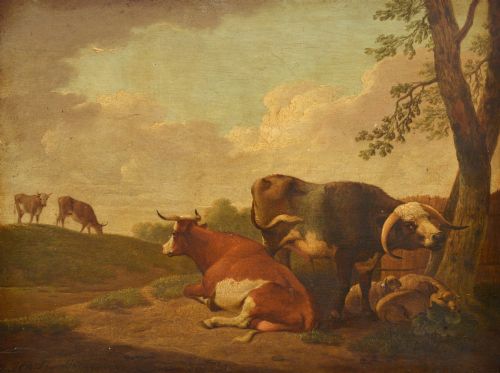
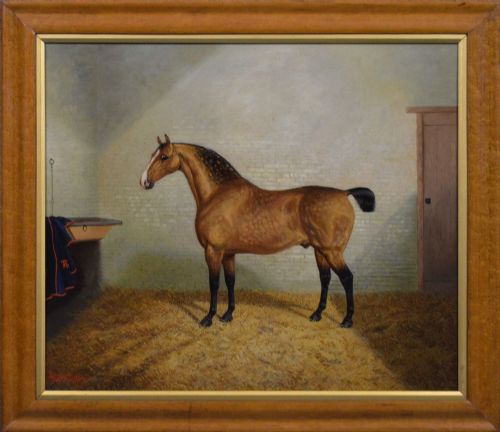
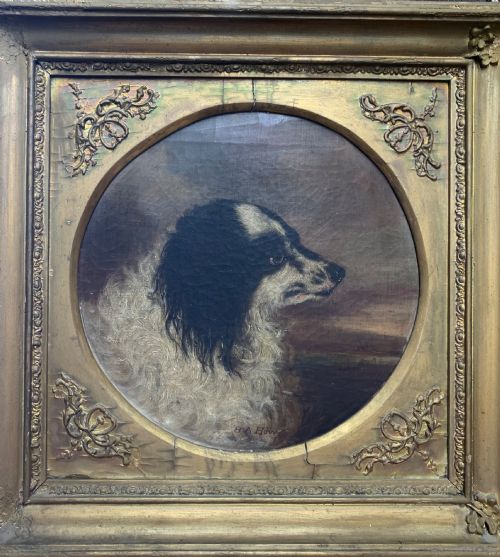
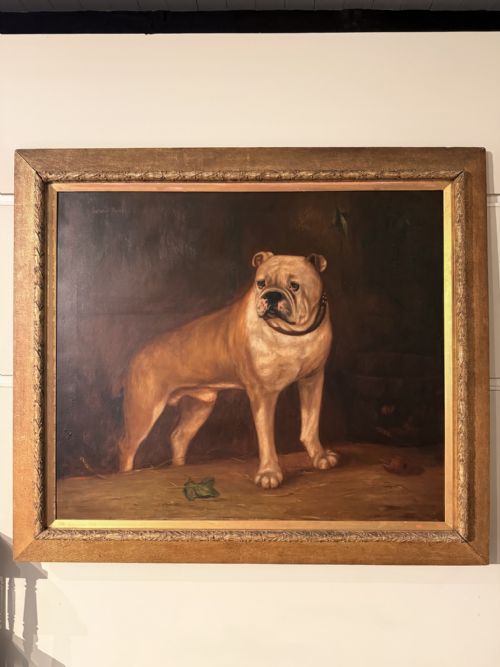
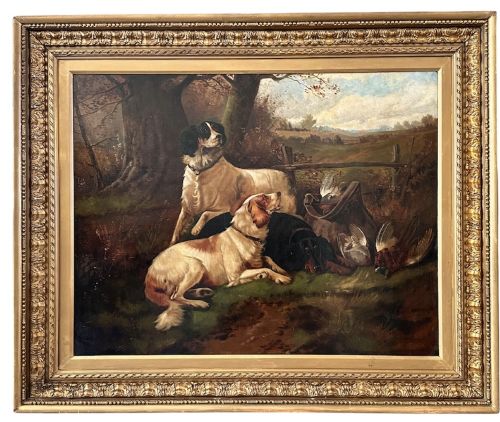
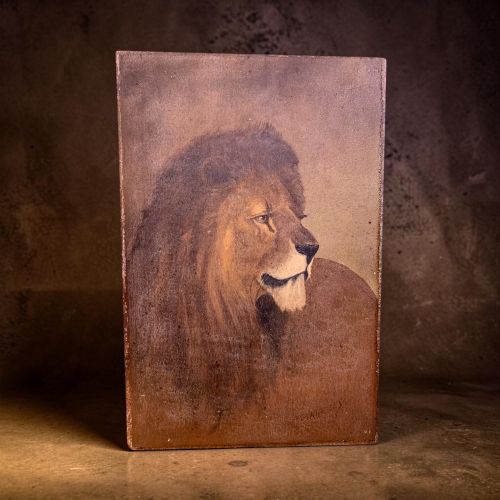
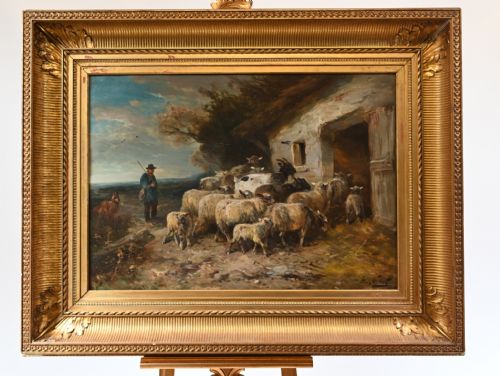
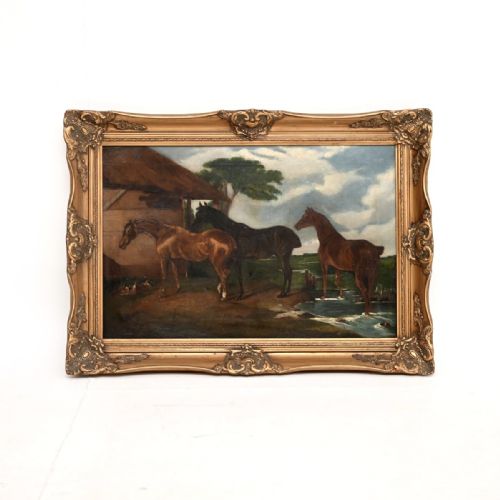
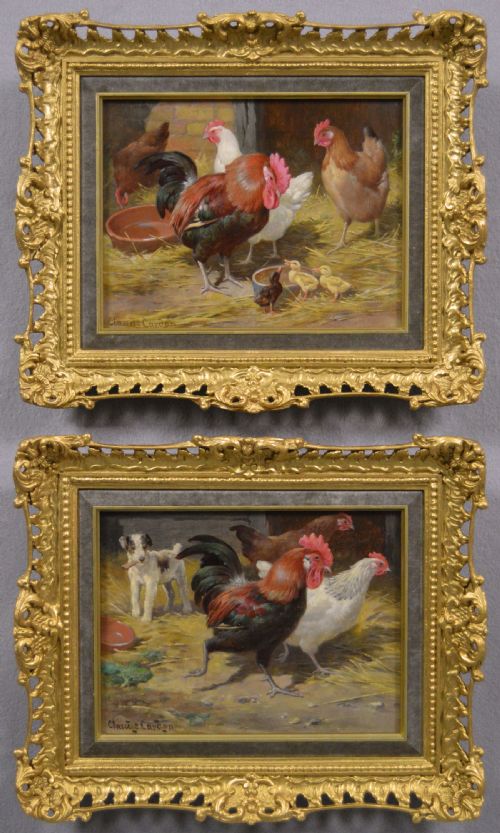
A traditional animal oil painting depicts horses, cattle, sheep, dogs and farmyard fowl set within rural landscapes, pastoral scenes or direct portrait studies. These works span the nineteenth century and the Victorian era, alongside select Edwardian and mid-century pieces.
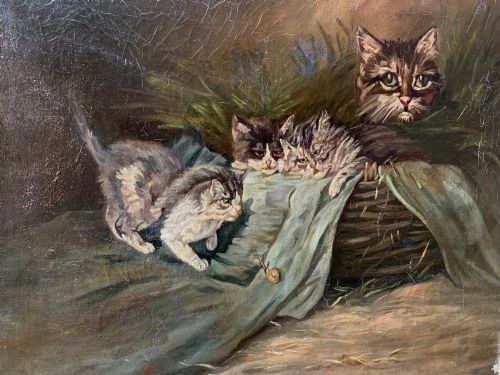
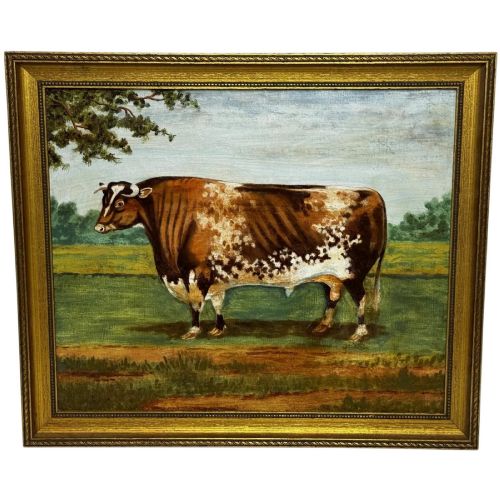
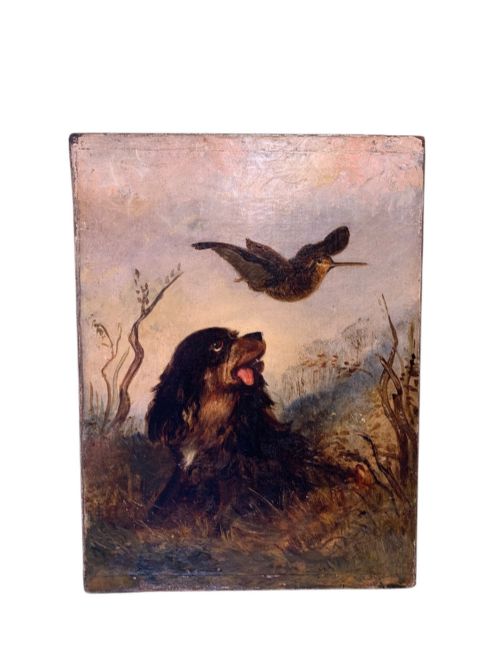
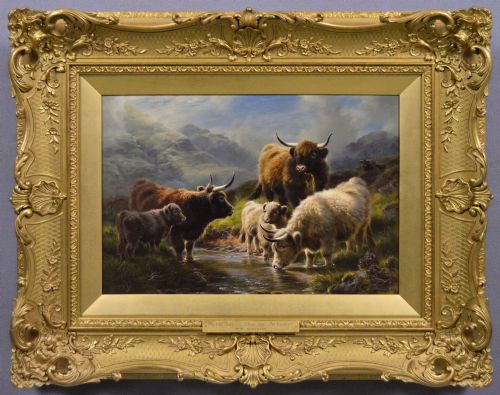
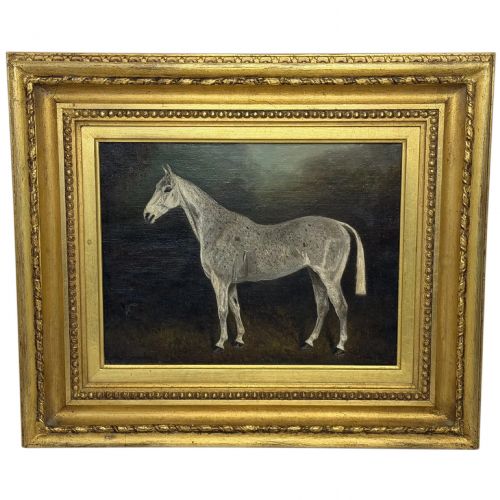
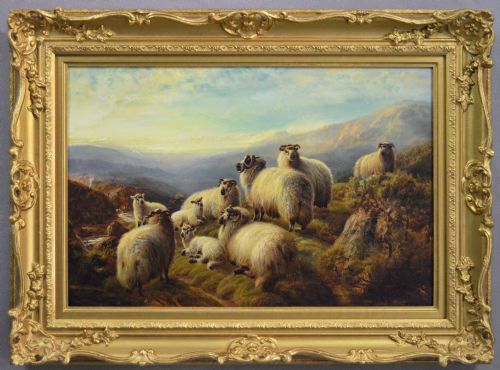
Buyers encounter distinct categories including equestrian portraits, sporting art with hounds and gun dogs, naive folk art, and detailed farmyard pastorals featuring sheep and cattle. The subjects range from prize shorthorn bulls and named racehorses to domestic cats and kittens.
Originating from British and European schools, these canvases reflect changing agricultural and domestic relationships with animals. The selection relies heavily on nineteenth-century realists and Victorian animaliers who recorded rural life and prized livestock.
How they were made
These works use oil paint applied to canvas, wood panels or boards, framed in traditional wood, gesso and giltwood frames with gold leaf details. Artists built up the compositions using layered oil colours to achieve texture in animal coats and atmospheric depth in landscape backgrounds.
Support materials varied from stretched canvas on wooden frames to rigid panels, which painters prepared with grounds before executing the final oil layers. Finished pieces were housed in heavy moulded frames that frequently carry the patina of age.
Traditional Animal Oil Painting Retail Price Guide 2026
Typical asking prices for traditional animal oil painting among the pieces listed under this phrase on Sellingantiques today, from the lower quarter to the upper quarter. They describe what is for sale here now, not the wider market.
What varies in quality
Quality in a traditional animal oil painting rests upon the artist's anatomical accuracy in rendering bone structure, muscle tone and the texture of fur or feathers. Master hands capture the distinct personality and intelligent gaze of a specific dog or horse rather than a generic animal form.
Compositional balance between the central animal subject and its landscape or farmyard setting separates accomplished studio works from simpler naive pieces. Brushwork execution, handling of light on coats, and the preservation of the original canvas and giltwood frame contribute to the overall standard.
Hendrik Willem Schweickhardt·Albert Clark·Carl Whitfield·William Watson Jnr·Robert Watson·Henry Schouten·Claude Cardon·Frans Snyders·LM Webb·Henry Robinson Hall·William Henry Mander·Thomas Sidney Cooper·John Frederick Herring Jnr·William Barraud·Samuel Joseph Clark·George Armfield·Eugene Joseph Verboeckhoven·Percival Glenfern·John Frederick Herring·Fannie moody·Pierre Emmanuel Dielmans
The Traditional Animal Oil Painting Glossary
- Oil on canvas
- Pigments bound in a drying oil applied to woven fabric stretched across a wooden frame. This primary support method allows for varied brushwork and surface texture.
- Giltwood
- Wood carved and coated with gold leaf or metallic paint to create decorative frames. These surrounds complement the traditional oil medium.
- Gesso
- A paint mixture consisting of a chalk, gypsum, and pigment binder used to prepare wood panels and frame mouldings. It provides a smooth base for subsequent gilding or painting.
- Sporting art
- Genre of painting depicting field sports, hunting dogs, horses, and game. These works document rural pastimes and valued livestock.
- Naive art
- Style produced by artists without formal academic training, characterised by direct perspectives and flat planes. Such pieces offer charm through unpolished observation.
Traditional Animal Oil Painting: Frequently Asked Questions
What animals appear in these paintings?
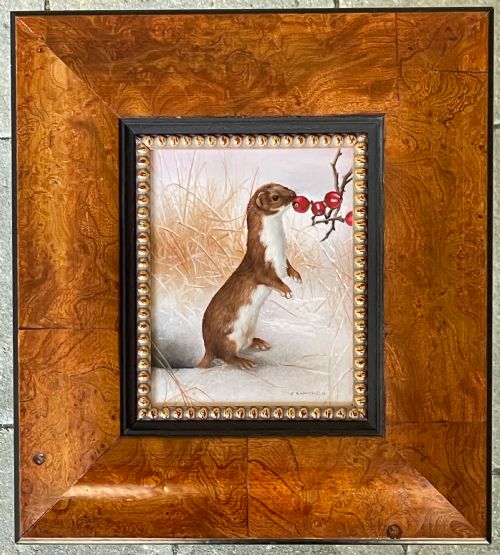
The subjects include horses, cattle, sheep, dogs, cats, foxes, weasels and farmyard fowl such as chickens and ducks. Individual canvases focus on single prize animals or grouped herds and hunting packs.
Domestic pets and working farm animals feature prominently alongside notable racehorses and livestock from nineteenth-century estates.
How do I date an oil painting?
Dating relies on stylistic evidence, artist signatures, canvas stamps and the construction methods of the accompanying wooden frame. Nineteenth-century works often display specific realism or romanticism traits associated with Victorian art.
Costume details in accompanying human figures, background architecture and written inscriptions on the reverse provide further chronological clues.
Where should I hang an animal painting?
These works suit traditional reception rooms, studies and dining spaces where rural and equestrian themes complement classic interiors. Avoid placing oil paintings in direct sunlight or areas of high humidity to protect the canvas and giltwood frame.
Secure wall fixings are essential given the weight of traditional wood and gesso frames.
What is Victorian sporting art?
Victorian sporting art encompasses paintings that record equestrian pursuits, fox hunting, shooting dogs and prized agricultural livestock. Artists documented the country pursuits and rural economy of the period with high realism.
These pieces celebrate specific animals owned by landed gentry, farmers and sportsmen.