
Antique Interior Scene
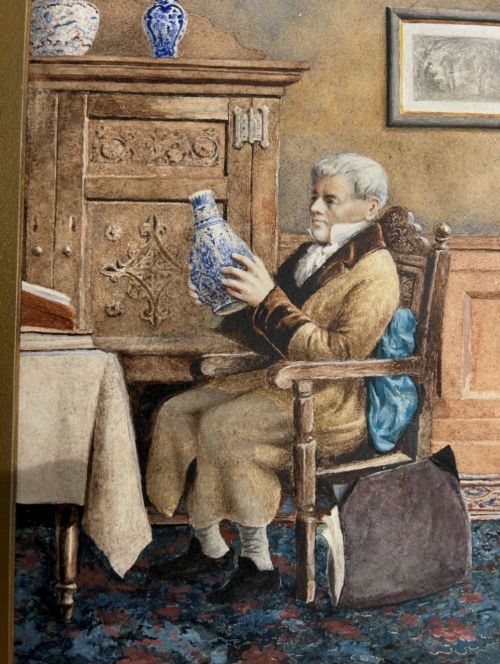
An antique interior scene captures the quiet domestic rhythms of past centuries through oil paintings, watercolours and etchings.
Antique Interior Scene
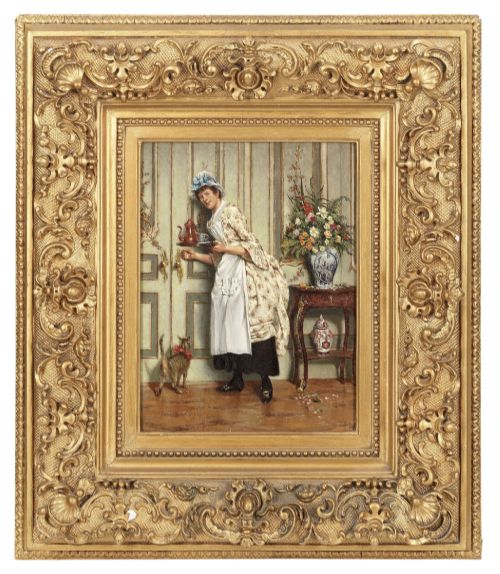
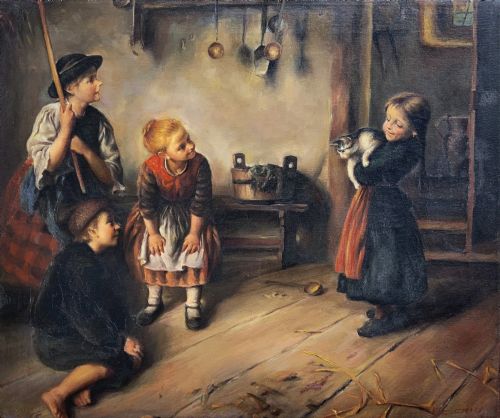
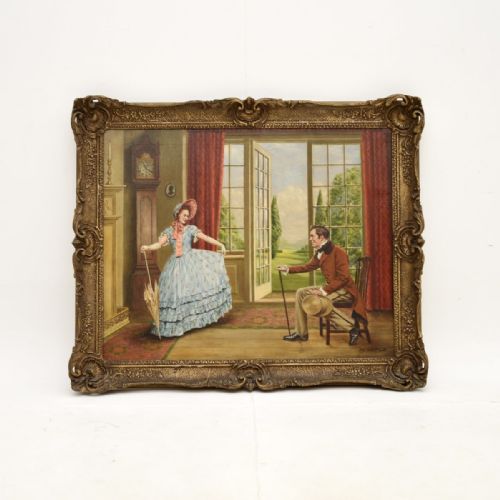
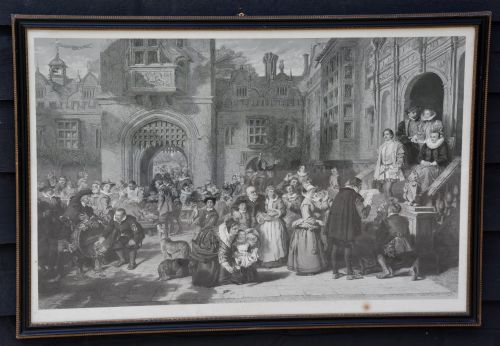
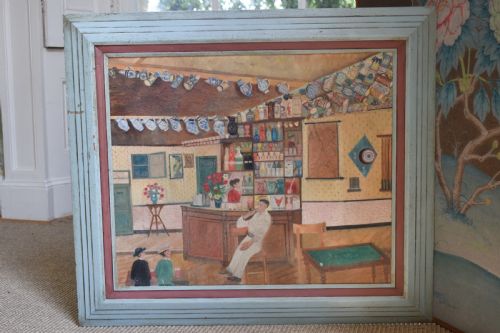
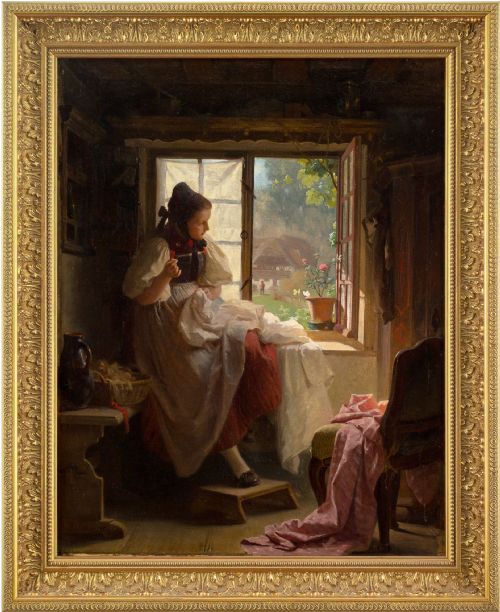
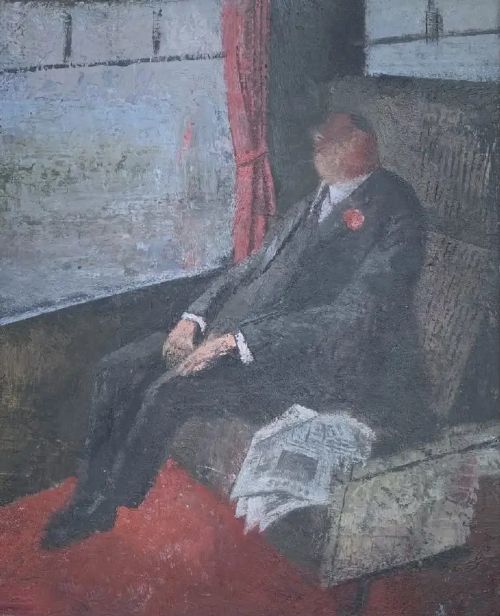
An antique interior scene depicts domestic life, tavern gatherings and quiet domestic moments within private homes, country houses and cottages. These works capture figures sewing, reading, dining or resting in carefully observed architectural settings.
The pieces on this page span the nineteenth century and the early decades of the twentieth century, with academic realism, Dutch school influences and Victorian genre painting forming the core of the selection.
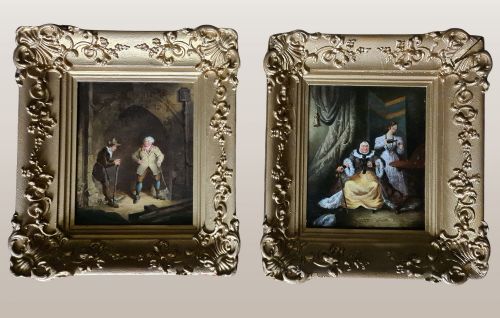
Common formats include oil on canvas, delicate watercolours, panel paintings and original etchings housed in period frames such as giltwood or Hogarth moulding.
How They Were Made
Artists built these compositions using oil paint on stretched canvas, wood panels or tin, applying pigments with varying brushwork to render fabrics, light and shadow.
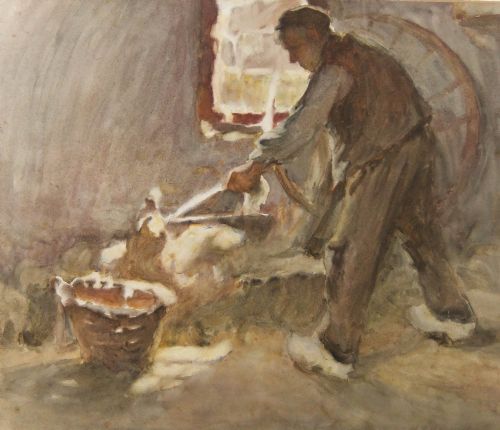
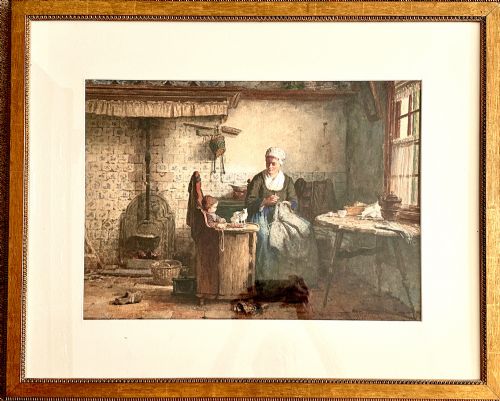
Watercolour paintings on paper utilise transparent washes combined with gum arabic or bodycolour to achieve luminous details in domestic interiors.
Framing often involves gesso, gold leaf and leaf cast giltwood mouldings that complement the period aesthetic of the artwork.
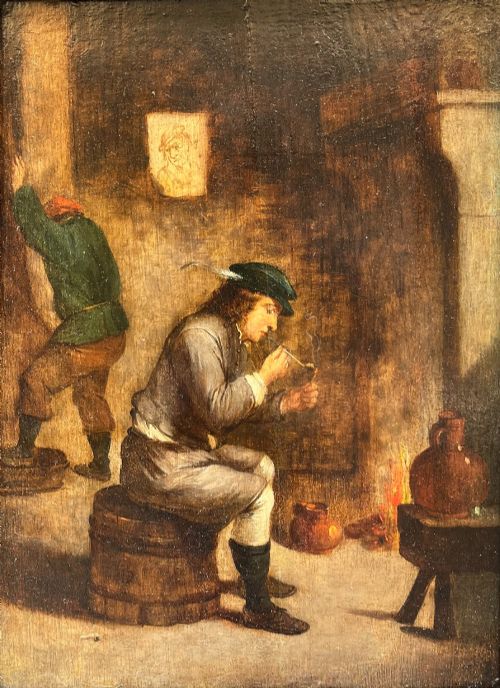
Several characters in these historic rooms are caught tapping barrels or feeding pigeons in the hearth.
What Varies in Quality
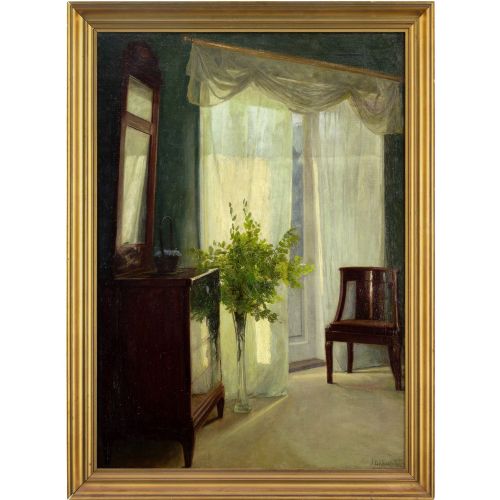
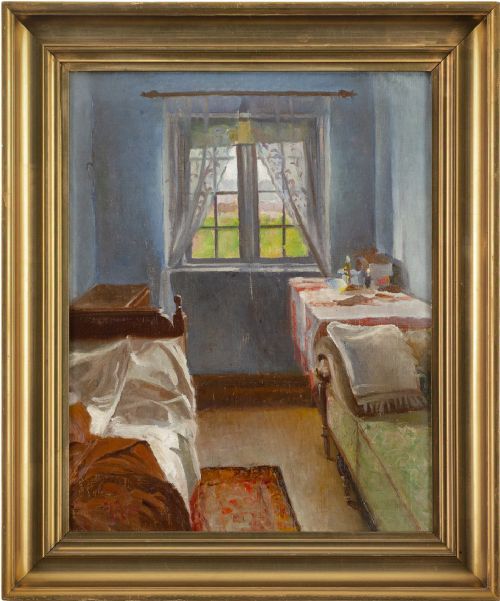
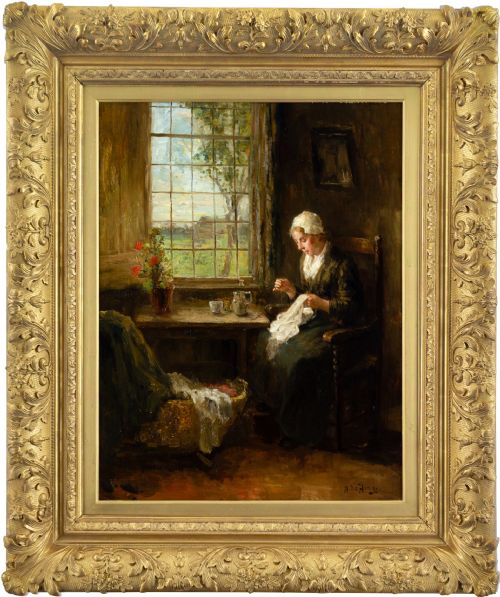
Quality rests upon the artist's command of light, particularly in how daylight enters a room through windows or how candlelight illuminates a gathering.
The handling of architectural perspective and human anatomy dictates the depth and realism of the domestic space.
The survival of original framing, whether hogarth moulding or leaf cast giltwood, preserves the historical context of the piece.
Stephen Samuel Lewin·Henry Silkstone Hopwood·Alfred Lyndon Grace·John Lübschitz·Herbert Dicksee·Max Kaltenmoser·David Teniers·Harry Kluge·Hendrik Valkenberg·Bernard De Hoog·Renato Moretti·Jacob Akkersdijk·James Hayllar·Harry Brooker·Benjamin Eugene Fichel·Haynes King·James Kyd·Robert Alexander Hillingford·George Smith·Edwin Hughes
The Antique Interior Scene Glossary
- Genre painting
- Depiction of aspects of everyday life by subjects from ordinary life, typically painted in domestic settings or taverns. These works often tell a moral or narrative story.
- Chiaroscuro
- The use of strong contrasts between light and dark, usually bold contrasts affecting a whole composition. Artists employ this technique to create drama and focus within a quiet room.
- Giltwood
- Wood that has been covered with gold leaf or gold paint. This material frequently appears on period frames surrounding nineteenth century canvases.
- Gesso
- A paint mixture consisting of a neutral binder mixed with chalk, gypsum, and pigment. It serves as a prepared surface for wood panels or canvas before oil painting begins.
- Etchings
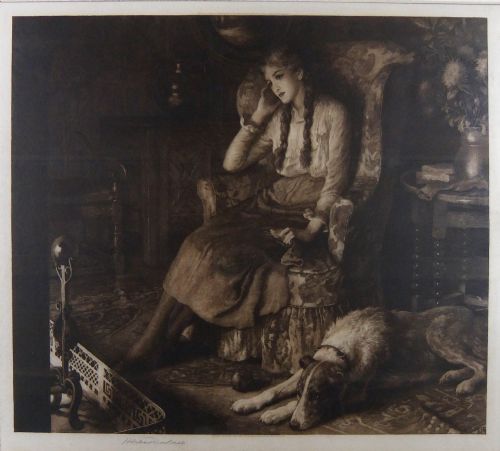
- Printmaking technique where lines are gouged into a metal plate with acid before ink is applied. This method produces fine, linear domestic scenes on paper.
Antique Interior Scene: Frequently Asked Questions
What subjects appear in these scenes?
These artworks depict figures engaged in everyday domestic tasks such as sewing, reading, dining or writing by a window. Tavern interiors, cottage kitchens and ballroom gatherings also feature prominently.
Artists focused on human interaction and quiet solitude within defined architectural spaces.
Which materials were used for supports?
Painters worked on stretched canvas, wooden panels, tin and heavy paper sheets. Watercolours were painted directly onto quality paper using fine pigments.
Etchings and engravings utilised metal plates to transfer inked impressions onto paper.
How do I date an interior painting?
Dating relies on clothing styles, interior furnishings, framing types and documented artist working periods. Nineteenth century works often display academic realism or Victorian genre characteristics.
Signatures, exhibition labels and backend inscriptions provide further chronological markers.
How should I display these artworks?
Hang paintings away from direct sunlight and fluctuating humidity to protect canvas, paper and pigments. Maintain stable room temperatures to preserve wooden panels and gilt frames.
Pair pieces with period appropriate lighting to highlight the subtle tonal variations of interior scenes.