
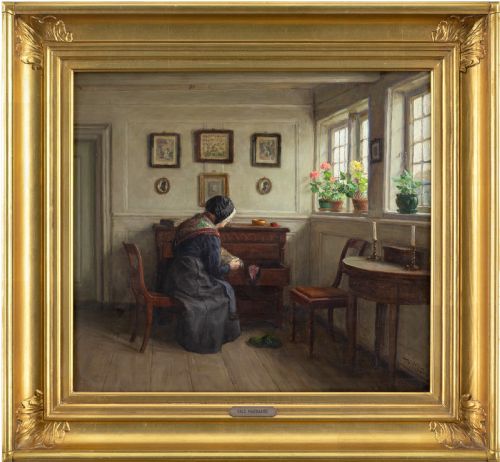




Danish Oil Painting
These danish oil painting selections capture domestic interiors, calm landscapes, and precise portraits made across the nineteenth and twentieth centuries.
Danish Oil Painting
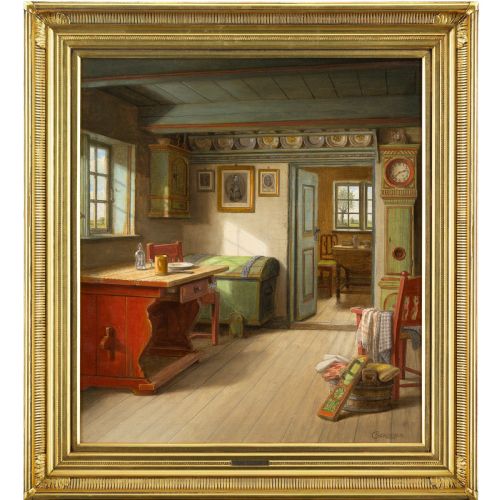
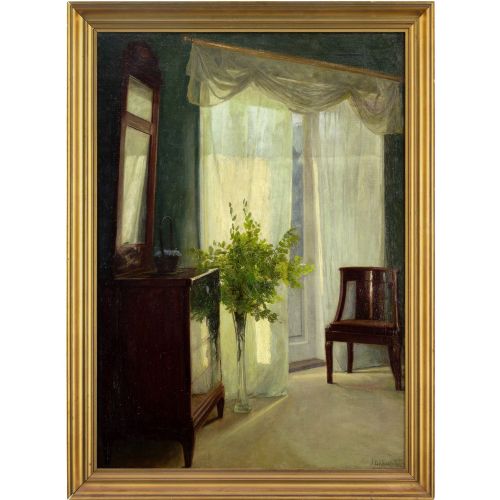
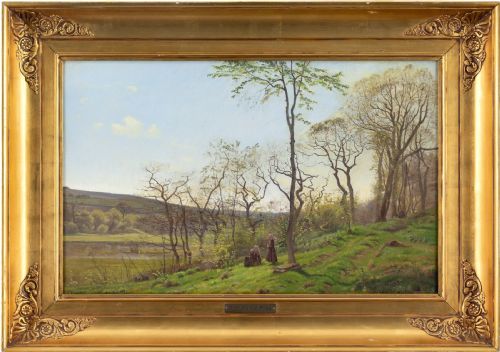
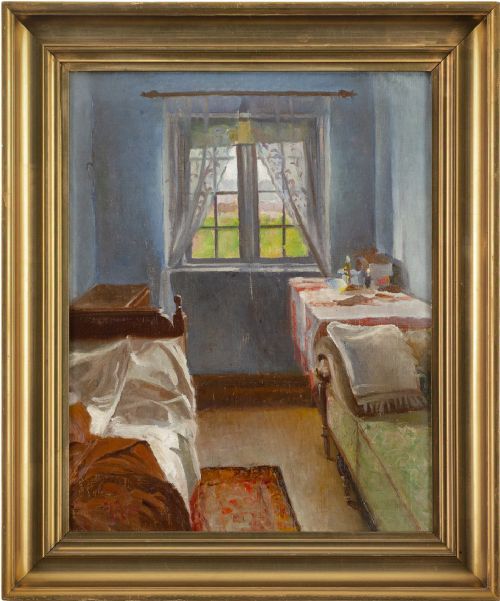
A danish oil painting brings together historical scenes, domestic interiors, quiet landscapes, and portraits originating from Denmark across multiple centuries. Buyers searching this phrase encounter works ranging from nineteenth-century realism to mid-century Scandinavian styles.
The most common examples on this page reflect regional schools and named artists working in oil on canvas, often housed within period giltwood frames. These canvases frequently depict everyday domestic life, local landscapes, and botanical studies.
Materials and Technique
Artists painted using oil pigments applied to canvas supports, building depth through layered brushwork and tonal transitions. The resulting surfaces capture light within domestic interiors and natural settings with careful observation.
Many of these works retain their original wood and giltwood frames, which provide structural support and complement the palette of the canvas.
Danish Oil Painting Retail Price Guide 2026
Typical asking prices for danish oil painting among the pieces listed under this phrase on Sellingantiques today, from the lower quarter to the upper quarter. They describe what is for sale here now, not the wider market.
Materials documented across the selection include oil on canvas, wood supports, and giltwood frames.
Evaluating Quality
Quality rests in the handling of light, anatomical precision in portraits, and spatial depth within architectural interiors and landscapes. Superior examples demonstrate confident brushwork and a clear command of atmospheric perspective.
The preservation of the original canvas and the integrity of the period frame contribute significantly to the standing of an individual piece.
C Sørensen·John Lübschitz·Harald Foss·Harry Kluge·Valdemar Magaard·Niels Wiwel·Frederick Christian Lund·Hans Kappel Øvre·Emma Løffler·Johan Jens Neumann·Helge Helme·Olof Walfrid Nilsson·Axel Schovelin·Fritz Kraul
The Danish Oil Painting Glossary
- Oil on Canvas
- Pigments bound in a drying oil medium applied to a stretched woven fabric support. This combination allows for rich blending and enduring colour depth.
- Giltwood Frame
- A wooden moulding coated with gold leaf or metallic powder over a prepared gesso ground. These frames enclose and protect the perimeter of the canvas.
- Realism
- An artistic movement focused on the truthful and objective depiction of contemporary life, nature, and everyday scenes without idealisation. This approach defines much of the regional Danish output.
- Vanitas
- A symbolic genre of still life painting containing collections of objects that remind viewers of the transience of life. Common motifs include flowers and domestic items.
Danish Oil Painting: Frequently Asked Questions
What subjects appear in these paintings?
The subjects span domestic interiors, pastoral landscapes, coastal views, floral still lifes, and detailed human portraits. Many compositions focus on quiet domestic moments and local regional scenery.
Artists frequently recorded the specific quality of light found in Danish homes, gardens, and coastal towns during the nineteenth and twentieth centuries.
How should I hang an oil painting?
Select a wall away from direct sunlight and significant temperature fluctuations to protect both the canvas and the wooden frame. Secure fixings directly into wall studs or utilise appropriate wall anchors.
Ensure the painting hangs at eye level to best appreciate the brushwork and tonal balance of the composition.
How do I identify the period?
Dating relies on stylistic markers, framing materials, stretcher construction, and artist signatures where available. Nineteenth-century works often lean toward detailed realism and traditional portraiture.
Mid-century pieces introduce simplified palettes and modern interpretations of domestic interiors, reflecting broader Scandinavian design movements.
Are these works signed by the artist?
Many examples feature visible signatures, monograms, or dates applied by the painter, while others remain attributed to specific regional schools. Unsigned works are typically classified by their period and stylistic school.
Archival records and framing details sometimes offer further context regarding the origin of unsigned canvases.