




Scandinavian Fine Art
Scandinavian fine art brings together oil paintings and elm furniture from northern Europe, offering subtle realism and clean modernist lines for your interior.
Scandinavian Fine Art
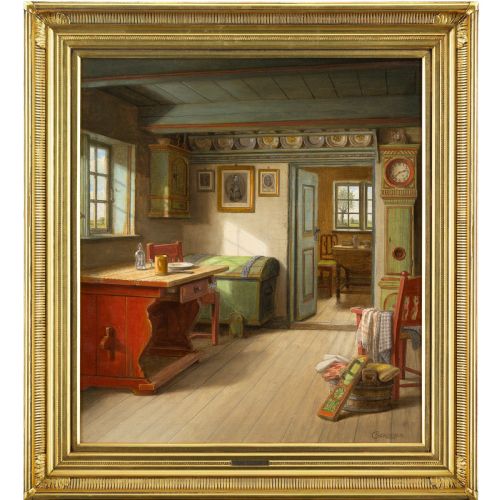
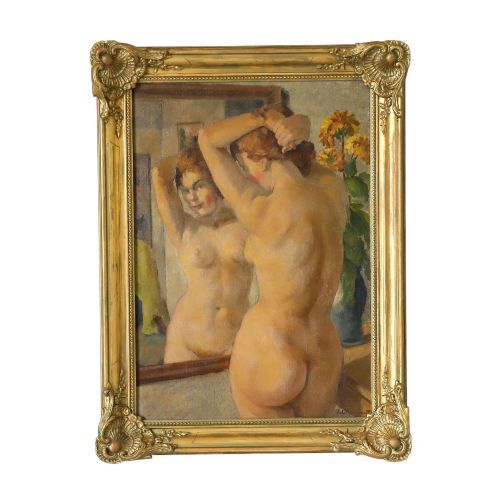
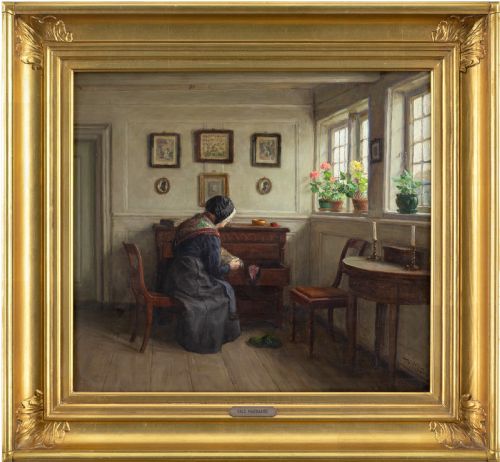
When you search for scandinavian fine art, you encounter a curated selection of oil paintings on canvas and modernist furniture rooted in northern European traditions. The objects span from the eighteenth century through to the mid-twentieth century, capturing portraits, interiors, still lifes and landscapes.
You are most likely to meet nineteenth-century Danish realism alongside twentieth-century Swedish modern pieces. These works range from tranquil domestic scenes to minimalist elm console tables and armchairs.
The regional focus encompasses Danish, Swedish and Norwegian makers whose works document both academic realism and the emergence of Art Deco design. Each piece reflects the distinct aesthetic priorities of its specific period and origin.
Materials and construction
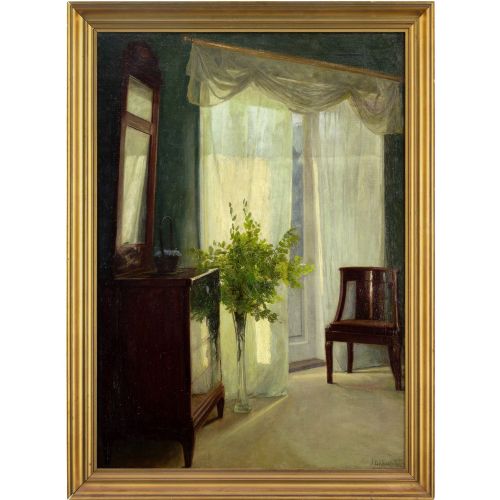
The paintings in this category employ oil on canvas, frequently framed with giltwood or gold leaf highlights. Canvases capture light through careful layering of pigment, recording subjects from sunlit interiors to dark riverscapes.
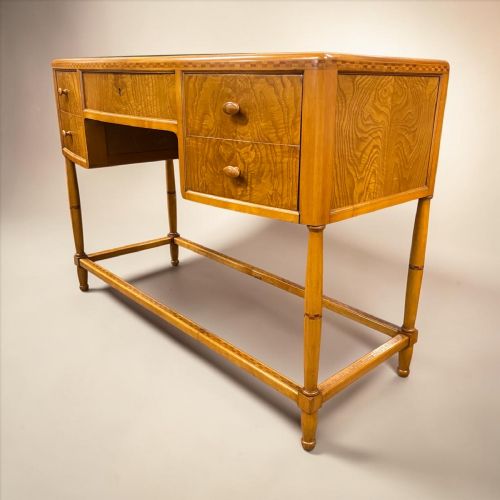
Furniture pieces utilise solid elm and birch timbers, shaped with the clean geometry characteristic of twentieth-century design. Wood surfaces receive smooth finishes that emphasise natural grain patterns while maintaining structural restraint.
Sunlight streams permanently through quiet garden doors on canvas, keeping the chill of northern winters forever at bay.
Assessing quality and execution
Quality in the paintings rests upon the handling of light and the precision of brushwork within interiors or landscapes. Stronger pieces demonstrate confident draughtsmanship in figurative details and a coherent atmospheric depth.
For furniture, excellence is defined by the selection of figured timber veneers, clean joinery and balanced proportions. The finest examples maintain original surface finishes that show the natural characteristics of the elm or birch.
C. Sørensen·John Lübschitz·Harald Foss·Philippe de Rougemont·Valdemar Magaard·Carl Johan Fahlcrantz·Niels Wiwel·Frederick Christian Lund
The Scandinavian Fine Art Glossary
- Oil on canvas
- Pigment suspended in drying oil applied to a woven fabric support. This traditional medium allows for subtle blending and rich texture.
- Giltwood
- Wood carved and coated with a thin layer of gold leaf or metallic powder. It provides reflective framing for classical and nineteenth-century canvases.
- Elm
- A durable hardwood noted for its interlocking grain and warm tone. It is utilised extensively in mid-century Scandinavian furniture production.
- Vanitas
- A symbolic genre of still life painting containing collections of objects associated with mortality. These works encourage contemplation on the transience of earthly life.
Scandinavian Fine Art: Frequently Asked Questions
What periods do these pieces cover?
The selection spans from the early eighteenth century through the nineteenth century and into the mid-twentieth century. This timeline covers classical portraiture, romantic landscapes and early modernist design.
Each period brings distinct visual characteristics, from traditional academic realism to the clean functionalism of twentieth-century Swedish and Danish workshops.
How should I care for oil paintings?
Keep oil paintings away from direct sunlight and sources of extreme temperature fluctuation to protect the canvas and paint layers. Dust gently with a soft, dry brush without applying pressure.
Avoid using liquid cleaners or damp cloths on the surface of the canvas or the original giltwood frames.
Where were these items made?
The pieces originate primarily from Denmark, Sweden and Norway, reflecting the regional art schools and cabinet-making traditions of Scandinavia. Each country contributed distinct movements, from Danish realism to Swedish modernism.
Regional styles often show a shared restraint and an emphasis on natural light, domestic comfort and functional elegance.
How do I identify a still life painting?
Still life paintings depict inanimate subject matter, typically everyday objects, flowers or symbolic items arranged on a tabletop. In this collection, examples include vanitas compositions carrying deeper allegorical meanings.
Artists use these arrangements to demonstrate technical skill in rendering textures, light reflections and shadow.