

Baroque Lady Oil Painting
A baroque lady oil painting captures seventeenth and eighteenth-century elegance through rich fabrics, elaborate lace, and dramatic portraiture.
Baroque Lady Oil Painting
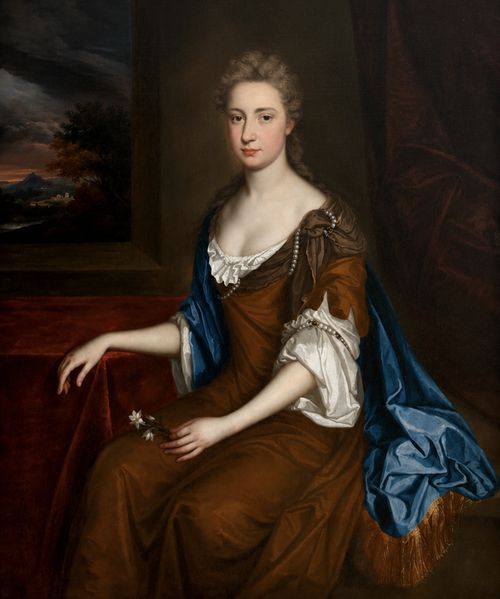
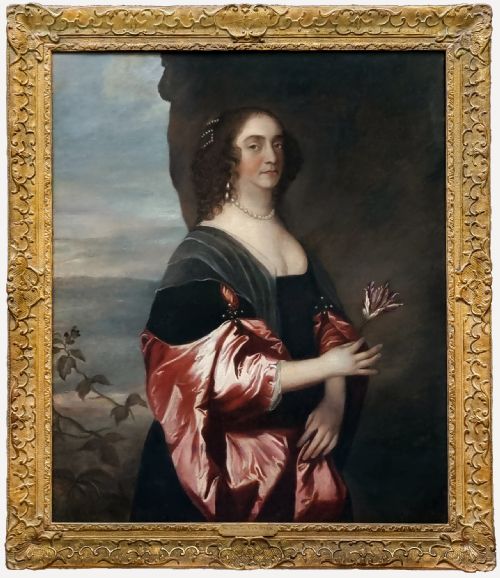
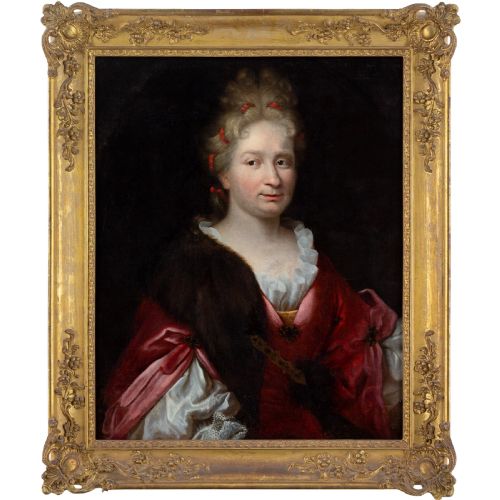
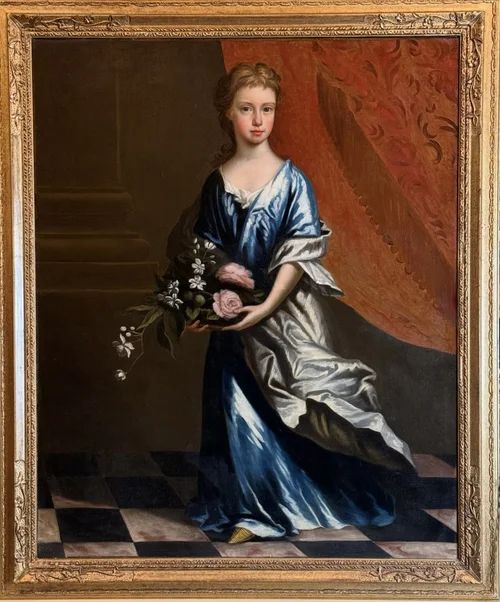
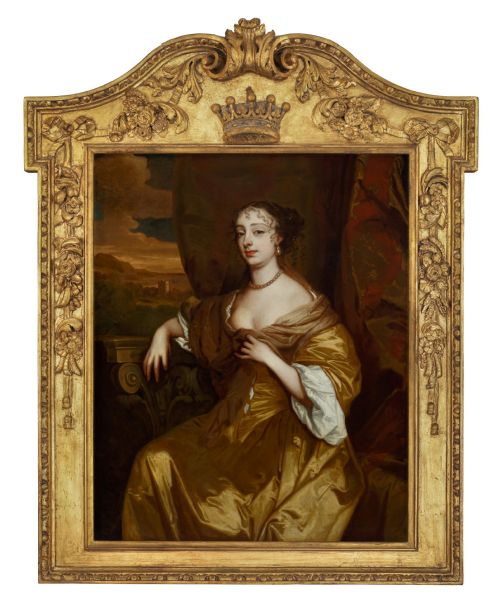
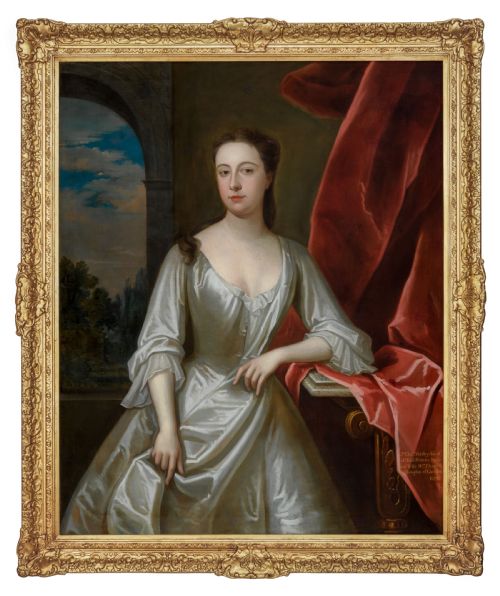
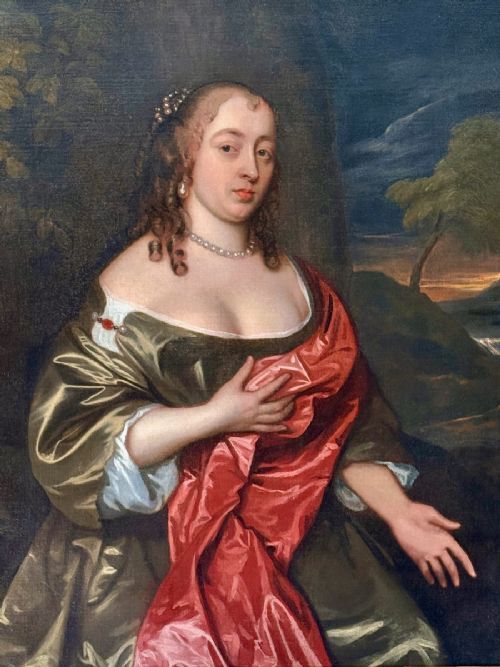
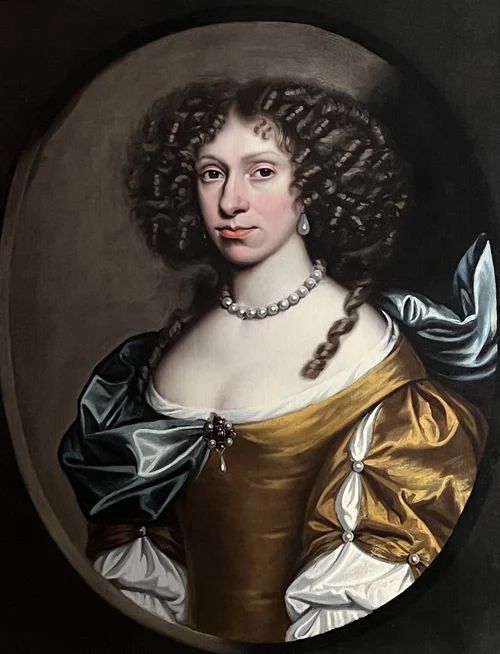
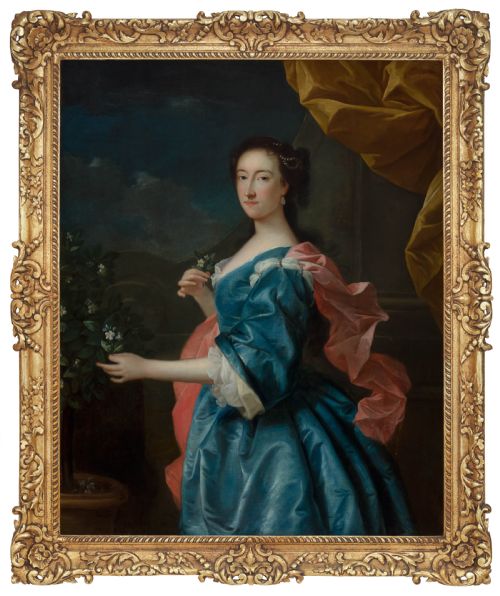
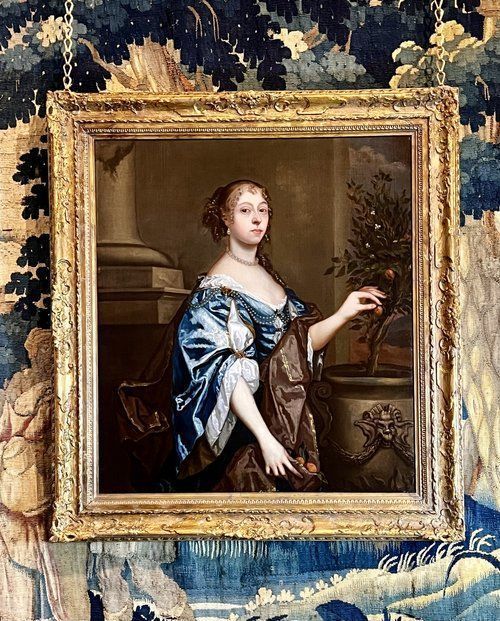
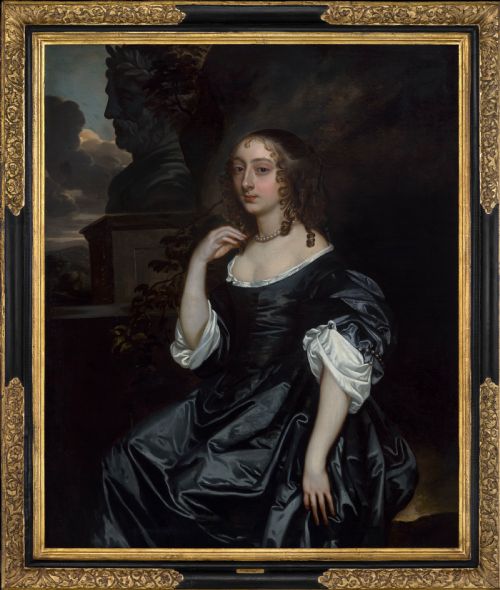
A baroque lady oil painting typically depicts noblewomen, countesses, and notable figures rendered during the seventeenth and eighteenth centuries, reflecting the high status and fashion of the period. These works originate from British, Dutch, and broader European schools, capturing sitters in sumptuous attire accompanied by symbolic elements such as orange trees or exotic birds.
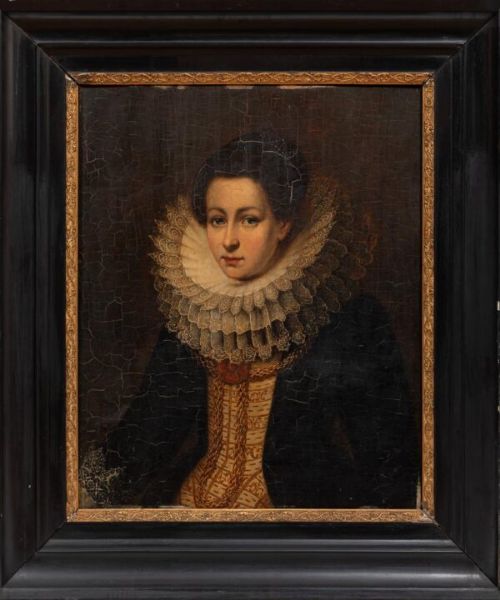
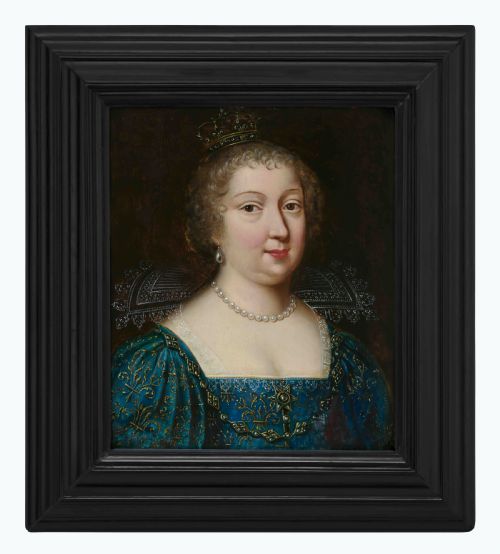
The pieces available on this page encompass authentic seventeenth-century canvases, eighteenth-century works, and later nineteenth-century revivals or copies. Portrait subjects appear in elaborate gowns of satin, silk, and velvet, often adorned with pearls, jewels, and intricate ruff collars.
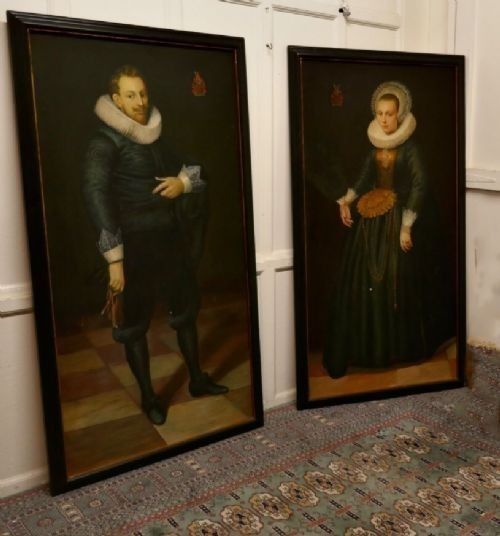
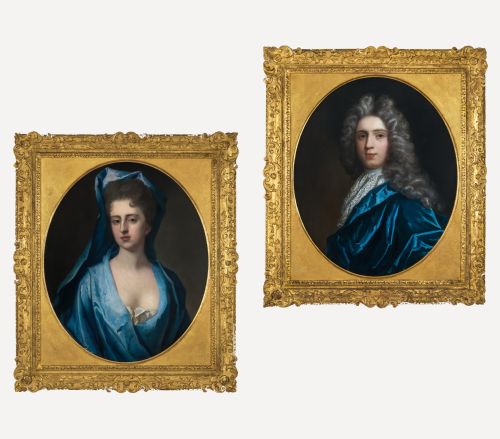
Surviving examples range from direct works by established portraitists and their studios to circle pieces attributed to notable European masters. Buyers encounter both single portraits and paired works depicting noblemen and ladies together.
Materials and construction
Artists painted these works primarily using oil paint applied to woven canvas supports, though panel paintings using prepared wood also occur within the period. Canvases are frequently housed within their original or period-appropriate frames constructed from gilded wood, gesso, and gold leaf.
The painting technique relies on layered oil pigments to build deep shadows, luminous skin tones, and the rich textures of heavy fabrics such as satin and velvet. Detail work captures fine elements like lace collars, pearls, and embroidered garments through precise brushwork.
Several noble ladies share the frame with unexpected companions, including exotic birds and baskets of fresh oranges.
What separates examples
The condition of the canvas and the preservation of the original oil pigments significantly influence the standing of a piece. Works retaining their original gilded wood frames and untouched seventeenth or eighteenth-century surfaces hold greater historical integrity.
Sir Godfrey Kneller·John Hayls·David Scougall·Jeremiah Davison·Michael Dahl·Thomas Murray·Pierre Mignard·Pieter Borsseler·Sir Peter Lely·Henri and Charles Beaubrun·Cornelius Johnson·Sir Anthony Van Dyck·John Greenhill·Nicolaes Maes·Nicolas Fouché·Balthasar Denner·Pieter Nason·Mary Beale·John Closterman
The Baroque Lady Oil Painting Glossary
- Baroque
- An artistic style originating in the seventeenth century characterised by drama, rich colour, and grand scale. This aesthetic manifests in portraiture through theatrical lighting and opulent garments.
- Circle of
- A designation indicating the work was produced by an artist closely associated with a master, often working in their immediate style and workshop environment.
- Giltwood
- Wood that has been coated with a thin layer of gold leaf or gold paint. This material forms the ornate frames frequently paired with seventeenth-century canvases.
- Oil on Canvas
- A traditional painting medium where coloured pigments suspended in drying oils are applied to a stretched cloth support. This combination provides durability and rich tonal depth.
- Ruff Collar
- A prominent pleated or fluted collar worn around the neck during the late sixteenth and seventeenth centuries. These intricate accessories denote high social standing in portrait subjects.
Baroque Lady Oil Painting: Frequently Asked Questions
How do I date a baroque lady oil painting?
Dating relies heavily on the sitter's costume, including the cut of the dress, the presence of ruff collars or lace, and hairstyles characteristic of the seventeenth or eighteenth centuries. Inscriptional evidence, historical records, and attribution to specific artists or studios also help narrow the timeframe.
Material analysis of the canvas and wood panels provides additional verification. Comparing the handling of paint and compositional style to documented works by contemporary painters confirms the period.
Where were these portraits originally displayed?
Wealthy patrons commissioned these large-scale works to hang in the grand halls, galleries, and private chambers of country houses and town residences. They served as visible testaments to family lineage, social standing, and political influence.
Pairs of portraits depicting both husband and wife were often positioned together in reception rooms. Today, they function as focal points in domestic interiors, maintaining their commanding presence.
What is the difference between studio work and master work?
Master-painted portraits were executed entirely by the named artist, commanding the highest regard for their individual brushwork and compositional mastery. Studio or circle pieces were produced under the master's supervision or by close followers utilising the workshop's established templates.
While studio pieces may feature more routine execution in secondary areas like drapery, they remain authentic period artefacts. Collectors evaluate them based on the specific quality of the face and hands.
How should I care for an antique oil painting?
Antique canvases require stable environmental conditions with moderate humidity and temperature to prevent the canvas from slackening and the oil paint from cracking. Keeping paintings away from direct sunlight protects the pigments from fading over time.
Dusting should be performed gently with a soft, dry brush by professionals when necessary. Avoid using chemical cleaners or water on the painted surface or the gilded frame.