




Historic Female Oil Artwork
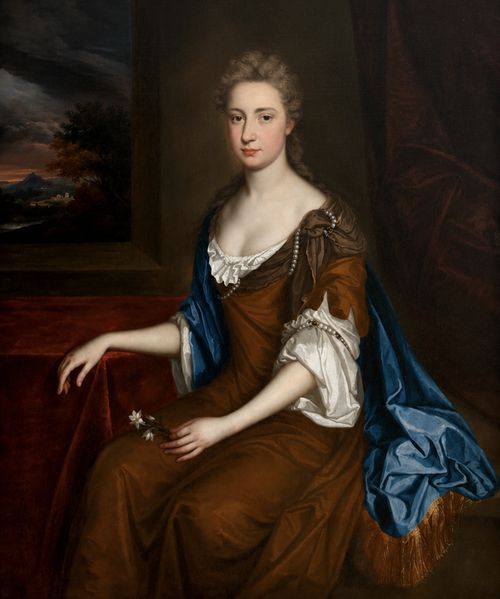
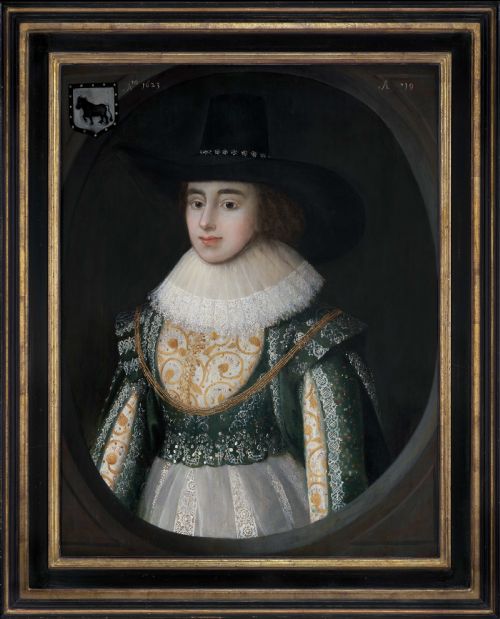
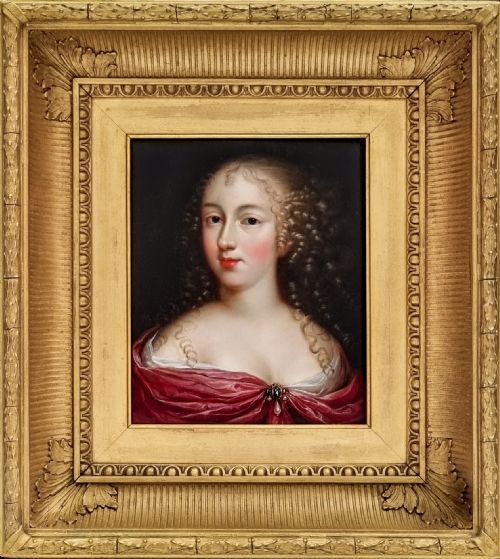
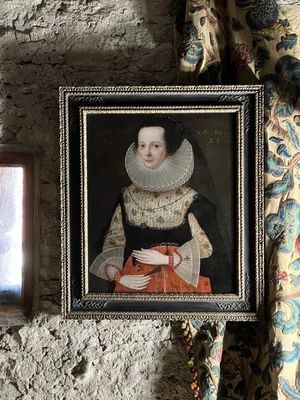
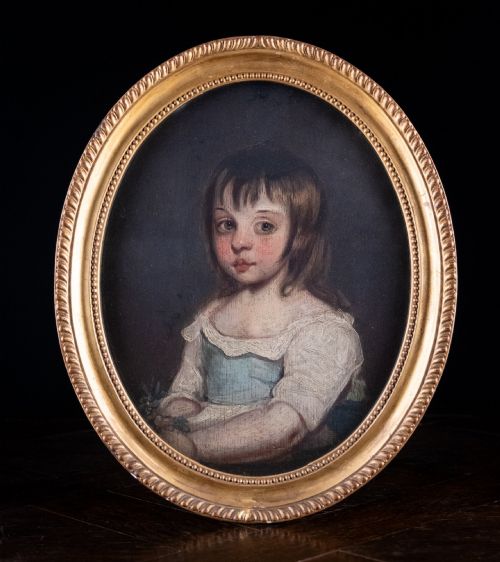
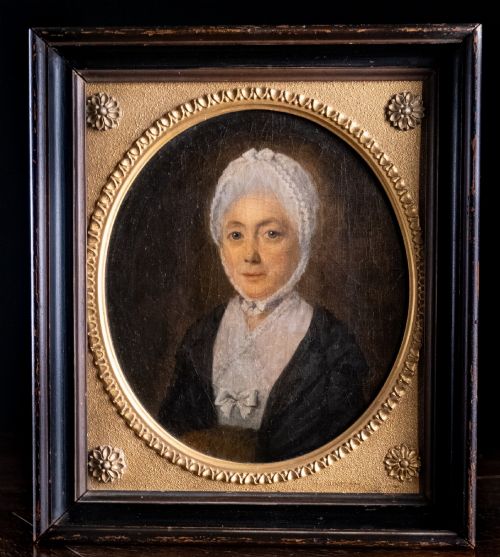
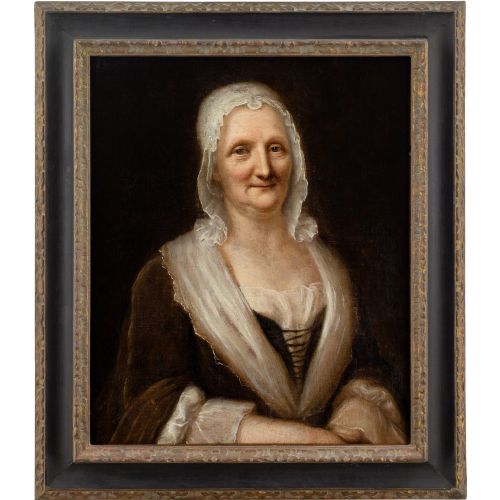
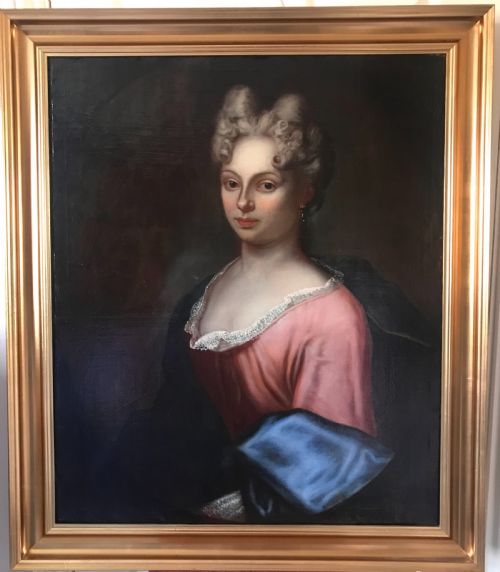
Historic female oil artwork brings centuries of painted presence into a room, offering striking character through layered oil paint and period frames.
Historic Female Oil Artwork
Historic female oil artwork spans centuries of portrait paintings, capturing individual women from the seventeenth century through to the nineteenth century. Buyers searching for historic female oil artwork encounter subjects ranging from noblewomen in elaborate costume to country girls and identified sitters.
These pieces encompass various regional origins, including English, French, and Norwegian schools, reflecting diverse European portrait traditions. The overarching form is the oil painting on canvas or wood panel, frequently housed in giltwood frames.
Dating ranges from the seventeen hundreds back to the sixteen hundreds, alongside nineteenth-century examples. Each piece preserves a likeness using oil paint, documenting historical dress, status, and artistic conventions of its period.
Materials and Construction
These works are executed in oil paint on canvas or wood supports. Painters utilised traditional pigments and canvas preparations characteristic of portraiture in the seventeenth, eighteenth, and nineteenth centuries.
Frames form an integral component of many pieces, utilising gold leaf, giltwood, and gilded wood. These ornate surrounds complement the oil paintings and reflect the decorative tastes of the Georgian, Baroque, and Victorian eras.
Styles represented include Jacobean, Baroque, Georgian, Victorian, and 18th Century Classical.
Assessing Quality and Execution
The preservation of the oil paint surface and the originality of the canvas or wood panel influence the integrity of the piece. Associated period frames in giltwood or gold leaf contribute further context and physical completeness to the artwork.
John Greenhill·Nathaniel Hone·John Raphael Smith
The Historic Female Oil Artwork Glossary
- Oil on Canvas
- Pigment mixed with drying oil applied to a woven fabric support. This serves as the primary medium for the vast majority of these portrait paintings.
- Giltwood
- Wood carved and covered with a thin layer of gold leaf or metallic gilt. It frequently frames these historical paintings.
- Jacobean
- The style of art and architecture prevalent during the reign of James I. It influences the early seventeenth-century portraits seen in this category.
- Baroque
- The artistic style characterised by drama, exuberant detail, and grandeur spanning the seventeenth and eighteenth centuries. It informs several works listed here.
- Georgian
- The period covering the reigns of the four Georges, spanning the eighteenth century. Portraiture from this era often reflects classical and refined compositional elements.
Historic Female Oil Artwork: Frequently Asked Questions
How are these portraits dated?
Dating relies on stylistic evidence, costumes, documented provenance, and inscriptions found on the canvas or frame. Costumes and hair styling offer reliable clues for placing portraits within the seventeenth, eighteenth, or nineteenth centuries.
Assistance from recorded artists or known regional schools further refines the timeline. Comparative analysis of similar works within English, French, and Norwegian traditions secures the period.
Where were these portraits painted?
Origin points include English, French, and Norwegian schools of painting. Artists worked within regional workshops and traditions to produce likenesses of nobility, country figures, and ladies of high standing.
Geographic attribution is often drawn from the sitter's documented history or the stylistic traits of the painting school. These origins reflect the broader European portrait market of the past.
How should I care for an oil painting?
Maintenance involves hanging the artwork away from direct sunlight and severe fluctuations in room temperature or humidity. Stable environments prevent the canvas and wood panel from warping and protect the oil paint layer.
Dusting should be done gently with a dry, soft brush without applying cleaning solutions to the canvas. Preserving the original giltwood frame similarly requires careful handling to protect the gold leaf finish.