


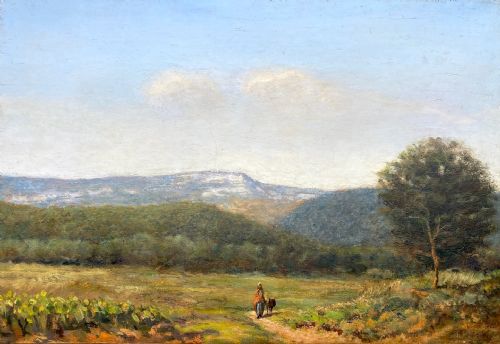


Antique Spring Landscape
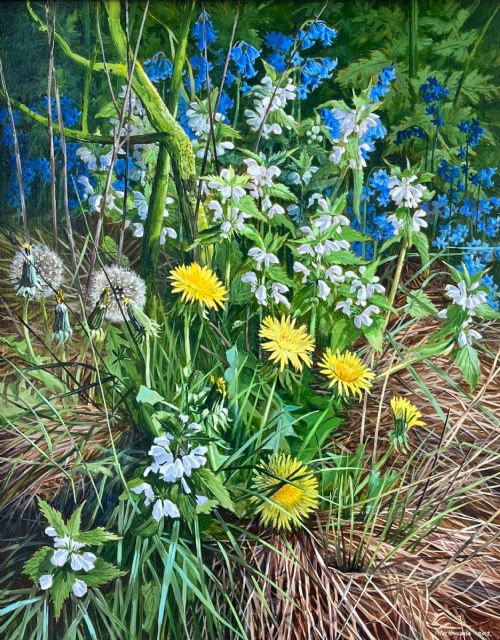
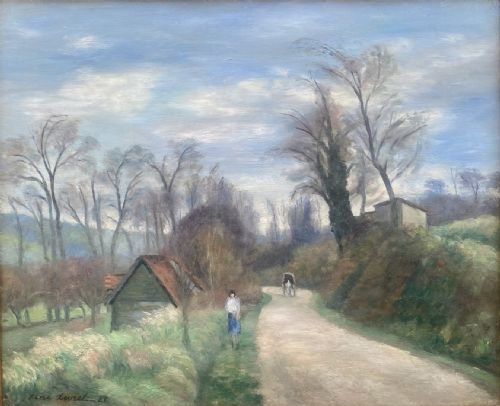
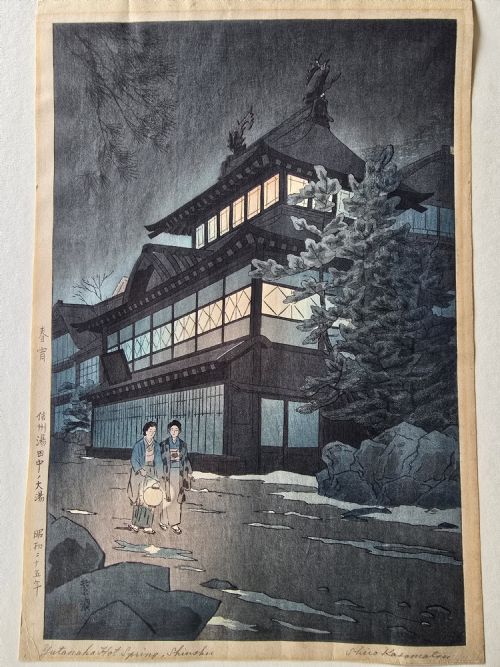
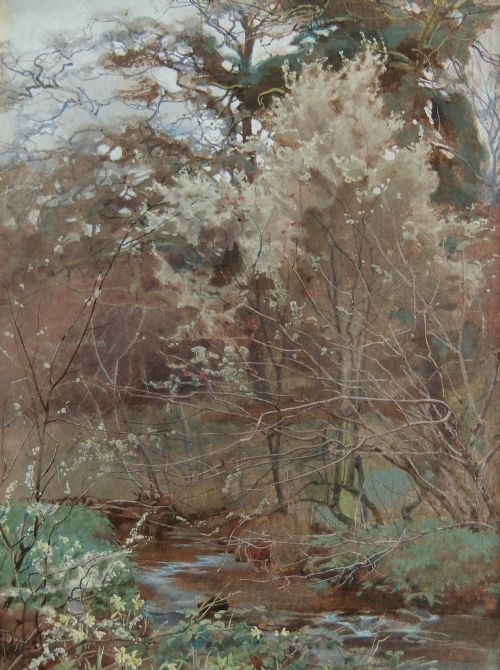
These antique spring landscape works capture the awakening of the natural world through oil and watercolour, bringing seasonal renewal into a room.
Antique Spring Landscape
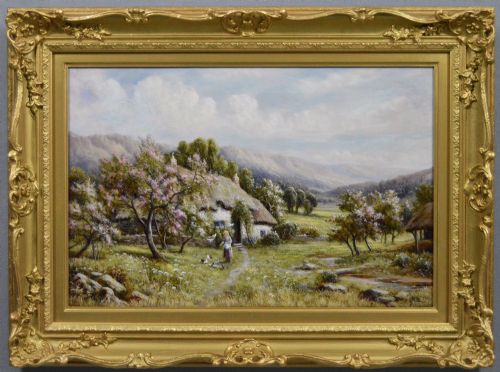
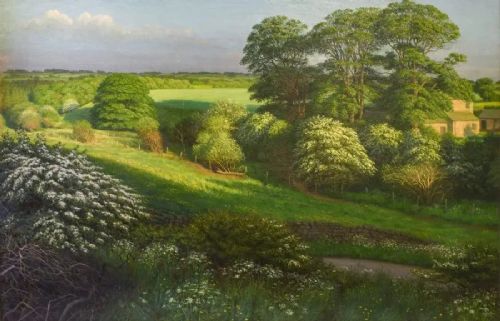
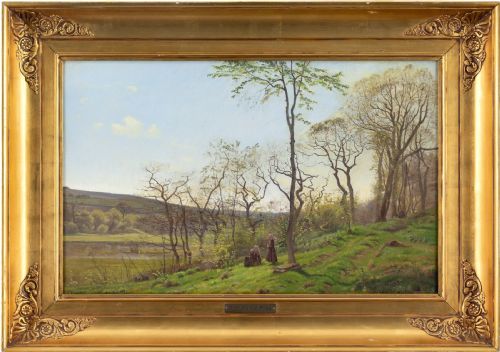
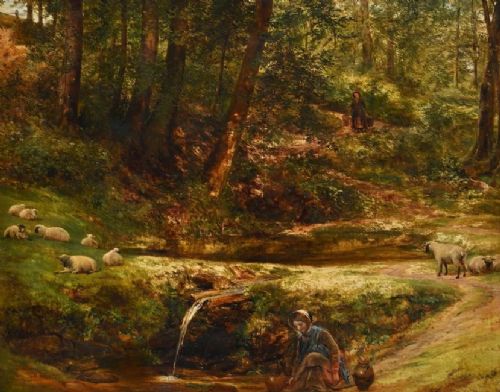
An antique spring landscape focuses on the seasonal revival of nature, depicting blossoming trees, fresh foliage, and rural paths during the nineteenth and early twentieth centuries. These paintings record specific regional settings across Britain, France, and Denmark, often highlighting early spring flowers like bluebells, primroses, and crocuses.
The pieces appearing on this page span from Victorian interpretations through to Edwardian and post-impressionist examples. Most common are framed oils on canvas or delicate watercolours on paper that capture the distinct light and changing weather of the season.
Makers and painters represented in these records range from named artists such as Alfred W. Parsons and Robert John Hammond to accomplished members of the nineteenth-century British and continental schools. They offer a window into how past artists observed the shift from winter dormancy to spring growth.
What varies in quality
Quality rests upon the artist's handling of light, atmosphere, and seasonal detail, distinguishing dynamic observational work from routine studio production. Superior examples convey the specific chill and clarity of early spring air rather than a generic green palette.
The depth of composition and the preservation of the original canvas, paper, and frame also determine the standing of each piece. Finer works maintain their original pigment vibrancy without heavy overpainting.
Listings feature works spanning the nineteenth century through to the 1940s, executed in oil and watercolour.
Robert John Hammond·Harald Foss·Richard Redgrave·Rene Levrel·Alfred W. Parsons·Beatrice Parsons·Owen Bowen·Charles Edward Wilson·Martin Lamotte·Margaret Fisher Prout·Peter Marius Sand Holm
The Antique Spring Landscape Glossary
- Watercolour
- A paint consisting of soluble pigment suspended in a water-based solution, typically applied to paper. It allows for translucent washes of colour that suit delicate floral subjects.
- Oil on canvas
- A painting technique using pigments bound in a drying oil, applied to a woven fabric support. This combination permits rich texture and deep colour saturation.
- Giltwood frame
- A wooden picture frame coated with a thin layer of gold leaf or gilt. These frames add decorative weight and protect the edges of the canvas.
- Post-Impressionism
- An art movement extending beyond impressionism that prioritised symbolic content and expressive use of colour. It influences several of the later twentieth-century landscapes found here.
Antique Spring Landscape: Frequently Asked Questions
What subjects appear in these paintings?
The works depict rural paths, cottages, orchards, and parks during the spring months. Common motifs include blossoming trees, bluebell woods, and early flowers.
Scenes frequently capture specific locations in Britain, France, and Denmark, recorded by artists working in the nineteenth and early twentieth centuries.
How do I care for an oil painting?
Keep oil paintings away from direct sunlight and extremes of temperature or humidity. This prevents the canvas from sagging and stops the oil paint from cracking.
Dust the surface gently with a soft, dry brush and avoid using chemical cleaners on the canvas or the frame.
How are watercolours best displayed?
Watercolours on paper require protection behind glass to shield them from moisture and atmospheric pollutants. Hanging them away from direct sunlight prevents the pigments from fading over time.
Mounting the paper with acid-free board preserves the condition of the work within its frame.
How can I tell the period of a piece?
Dating relies on the stylistic markers of the painting, such as the brushwork associated with Victorian academic painting or later post-impressionist methods. Frame styles and artist signatures also provide clues to the era.
Examining the reverse of the canvas, stretcher bars, or paper backing often reveals historical labels or inscriptions.