


Gilded Porcelain Mantel Vase
When you search for a gilded porcelain mantel vase, you seek an ornate centrepiece that brings classical proportion and metallic brilliance to a hearth.
Gilded Porcelain Mantel Vase
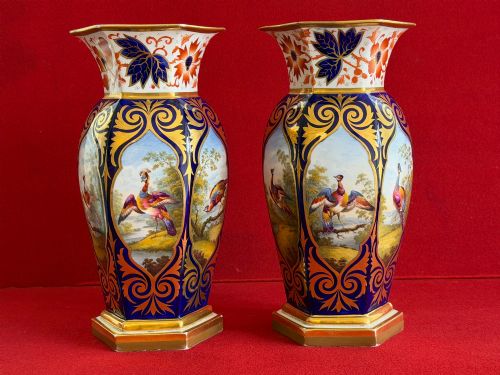
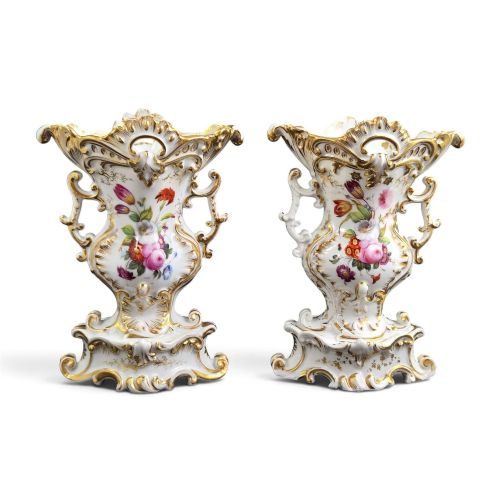
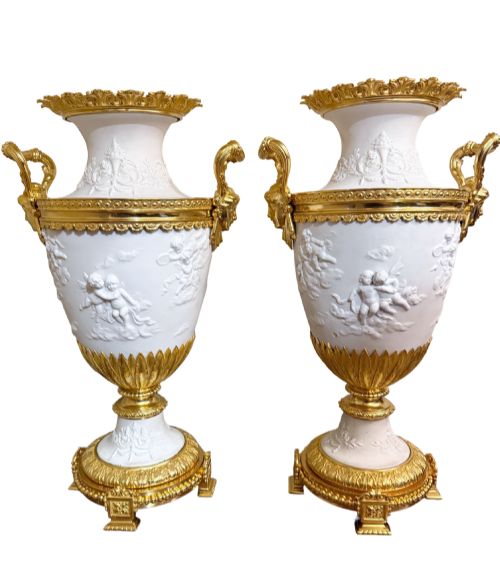
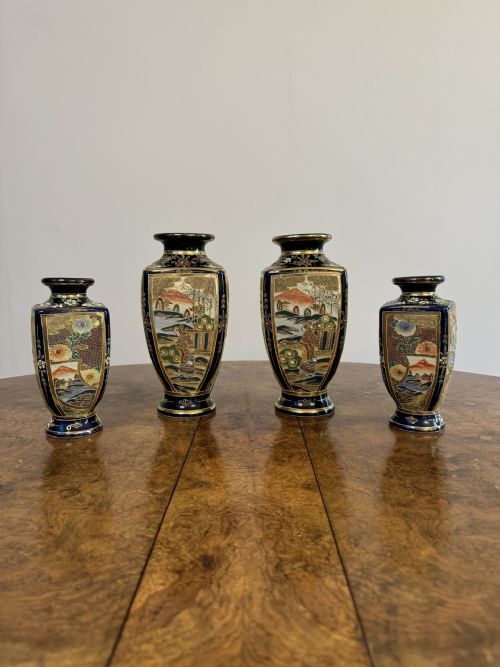
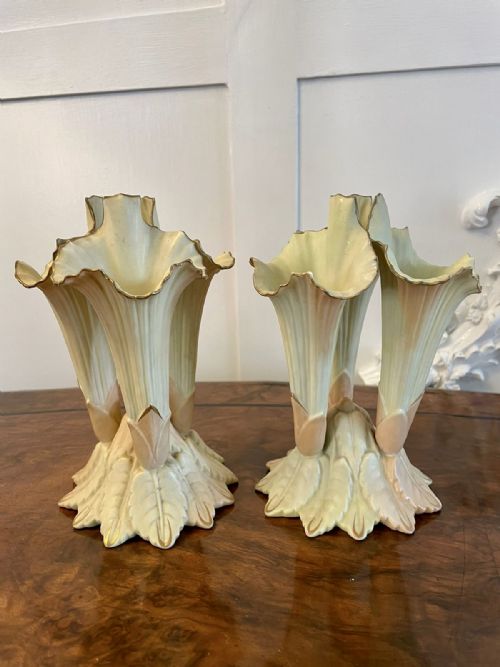
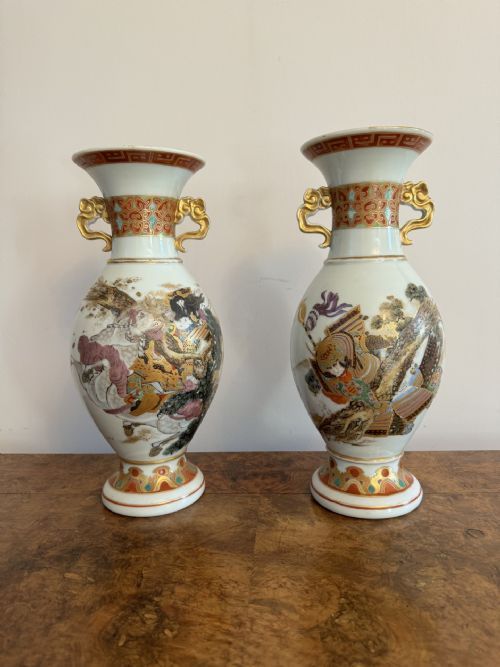
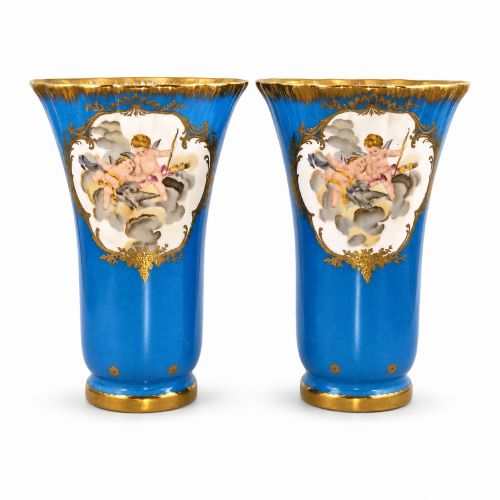
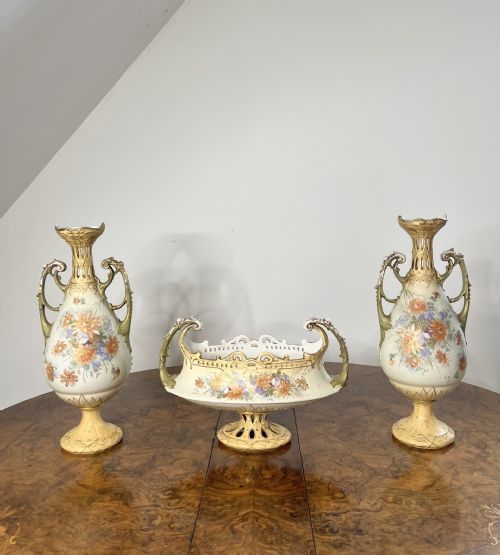
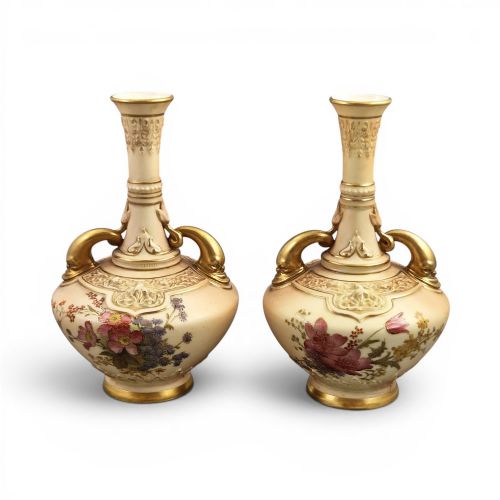
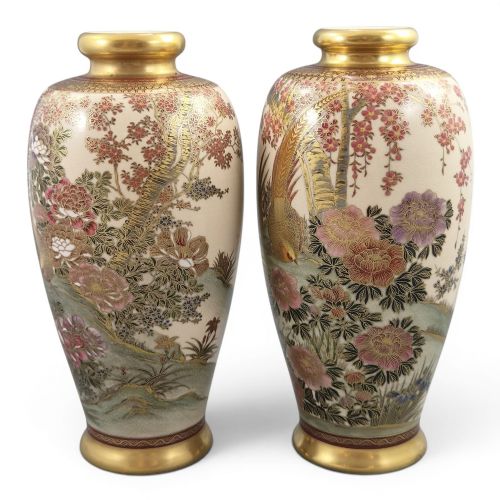
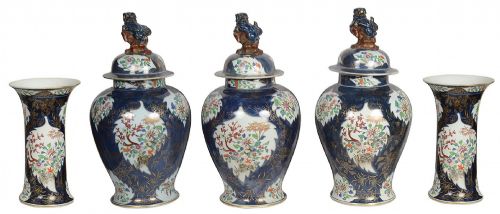
A gilded porcelain mantel vase takes several distinct shapes across this selection, appearing as towering urns, lidded jars, delicate spill holders, and complete garniture sets designed to sit symmetrically upon a fireplace. These objects span the nineteenth century into the early twentieth century, drawing on periods such as the Regency, Victorian, and Edwardian eras.
Makers from England, France, Germany, Austria, and Japan adapted these vessels into French Rococo Revival, Empire, and Meiji styles. You will frequently encounter pairs of continental urns featuring hand-painted scenes alongside English porcelain shaped with blush ivory or classical motifs.
Materials and Techniques
The foundation of every piece is fired ceramic material, predominantly fine white porcelain or earthenware, often coated in smooth enamel glazes or coloured grounds in cobalt blue and blush tones. Artisans applied hand-painted details directly onto the ceramic surface, depicting floral sprays, landscapes, and figural scenes.
Gilding was executed using gold leaf, liquid gold, or gilt bronze and ormolu mounts that frame the ceramic body. Metal mounts and handles secure the porcelain components together, adding structural weight and tactile contrast to the glossy glaze.
A porcelain cherub wrestles a woven fruit basket while guarding your mantelpiece.
Distinctions in Execution
The division between standard production and exceptional craftsmanship rests upon the execution of the hand-painted decoration and the crispness of the gilt work. Finely detailed brushwork on figural scenes and botanical studies indicates a master hand rather than a factory stencil.
The integration of metal mounts, such as ormolu or gilt bronze, also dictates the tier of the piece. Heavier, chased mounts that fit the ceramic contours seamlessly separate ambitious studio output from mass-market output.
Flight Barr And Barr·Jacob Petit·Locke And Co·Royal Vienna·Manpei·Hododa·Wolfsohn Dresden·Minton·Royal Crown Derby
The Gilded Porcelain Mantel Vase Glossary
- Garniture
- A set of matching vases or urns, usually numbering three or five, designed to be displayed together on a mantelpiece. These sets typically feature a central larger vessel flanked by smaller matching counterparts.
- Ormolu
- Gilt bronze mounts applied to the base, handles, or rim of a porcelain vase. This decorative metalwork provides structural embellishment and highlights the classical lines of the piece.
- Spill Vase
- A slender vessel intended to hold wooden spills used for lighting candles or fires. These smaller vases frequently appear in delicate porcelain compositions.
- Famille Rose
- A palette of opaque overglaze enamels dominated by pink or rose colours, originating in Chinese ceramics and adopted by European makers. The technique permits intricate shading on floral and human subjects.
- Blush Ivory
- A cream-coloured porcelain finish pioneered by English factories, presenting a soft matte background for floral decoration. It provides a muted contrast to heavy gilding.
Gilded Porcelain Mantel Vase: Frequently Asked Questions
What is a mantel vase?
A mantel vase is a decorative ceramic vessel specifically proportioned to sit on the narrow shelf above a fireplace. These objects were created to complement the domestic architecture of formal rooms.
They often formed part of a balanced arrangement alongside clocks or candelabra, bringing colour and reflective metallic surfaces to the hearth.
How do I style a garniture set?
A garniture set is traditionally arranged symmetrically, placing the tallest vase in the centre and the matching pair or smaller vessels on either side. This creates visual balance across a mantelpiece or sideboard.
Keep the surrounding surfaces clear so the painted scenes and gilded mounts remain the primary focus of the room.
How are French and English vases different?
French pieces, particularly those in the Old Paris or Sevres style, tend to feature bolder neoclassical or rococo forms with extensive use of rich colours and heavy ormolu mounts. They often prioritize theatrical scale and decorative presence. NEnglish manufacturers like Royal Worcester or Mintons frequently lean towards refined botanical painting, blush ivory bodies, and more restrained classical shapes intended for domestic intimacy.
Did Japanese makers export these?
Japanese kilns produced significant quantities of Satsuma and Kutani porcelain intended directly for Western export markets during the late nineteenth century. These works combined traditional Japanese motifs with European decorative preferences.
Such pieces often incorporated heavy gilding and elaborate mon emblems to appeal to Victorian buyers seeking exotic craftsmanship.