

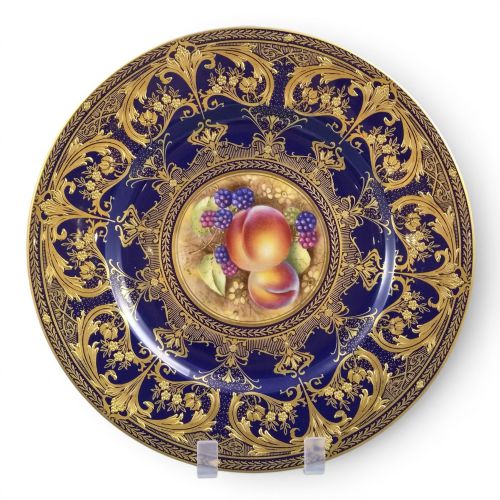
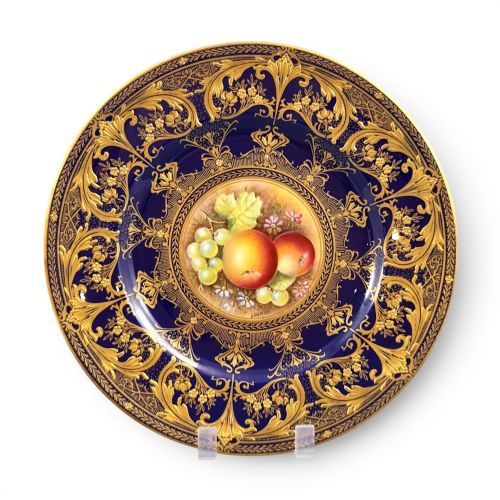

Gilded Porcelain Display Dish
A gilded porcelain display dish brings cabinet-level handpainting and gold leaf to a room, offering the decorative punch collectors prize.
What these pieces are
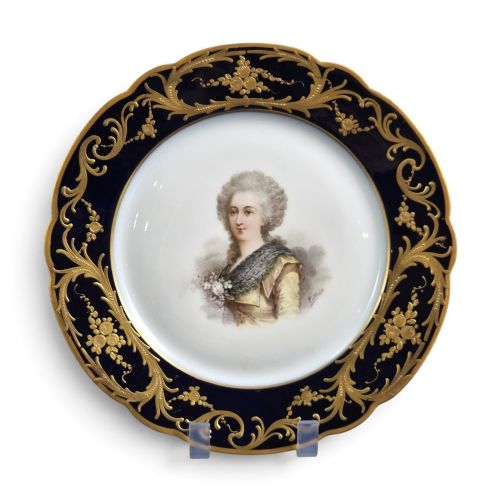
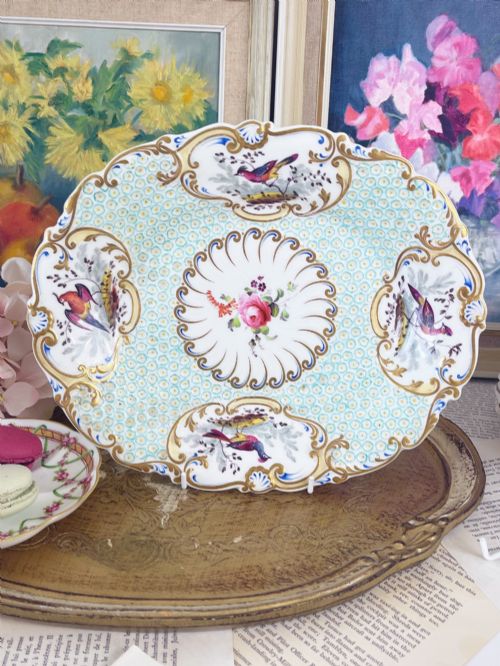
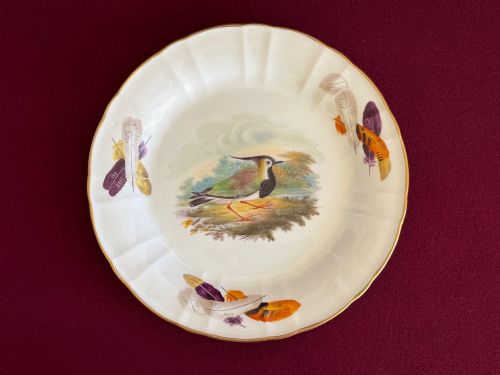
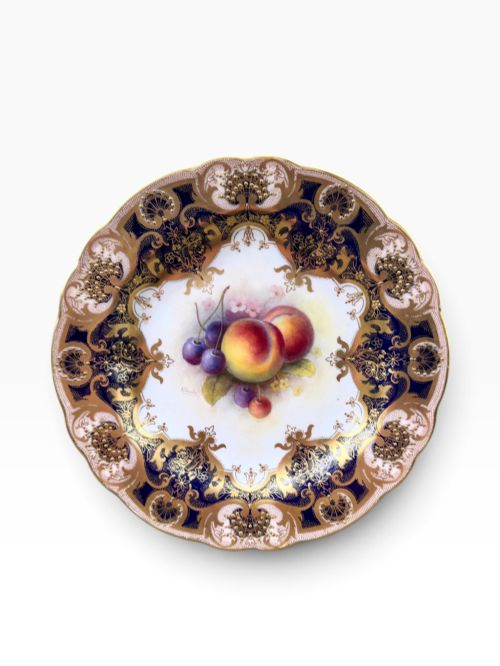
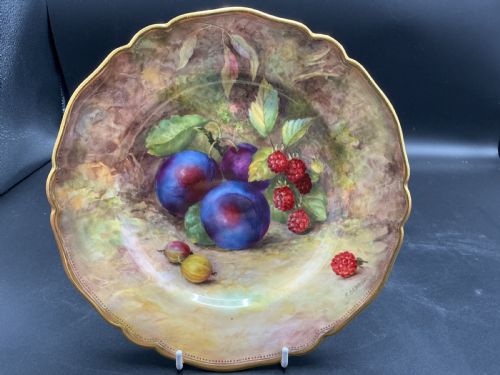
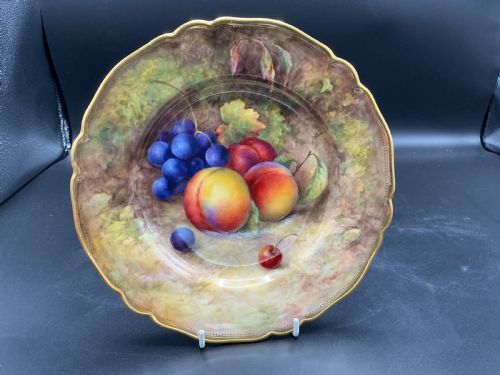
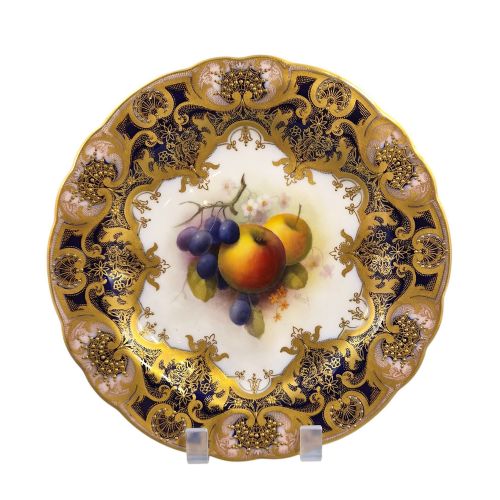
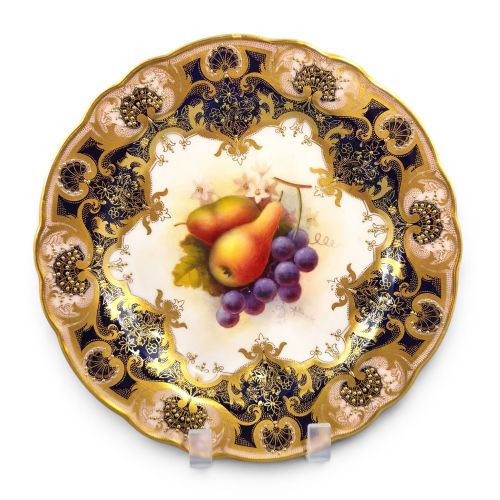
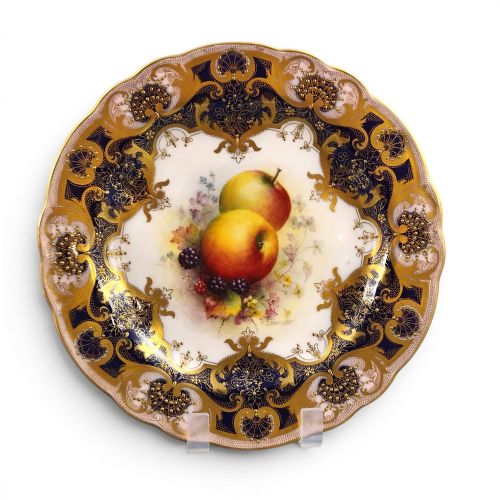
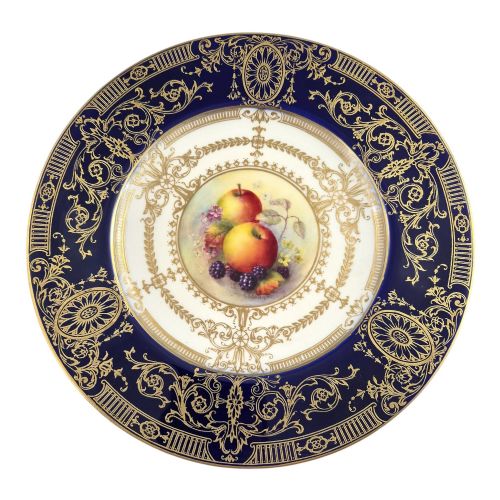
A gilded porcelain display dish is a decorative ceramic object made for visual appreciation on a sideboard, wall, or cabinet shelf rather than daily dining use. These pieces bring together intricate painted decoration and heavy gold leaf applications across various forms.
You are most likely to encounter nineteenth-century cabinet plates and chargers on this page. These items draw on Regency, Victorian Neo-Rococo, Rococo Revival, and Japanese Imari styles.
The material range spans standard porcelain, bone china, and enamel finishes. Makers across England and France produced these display items to satisfy nineteenth-century tastes for ornate household decoration.
How they were made
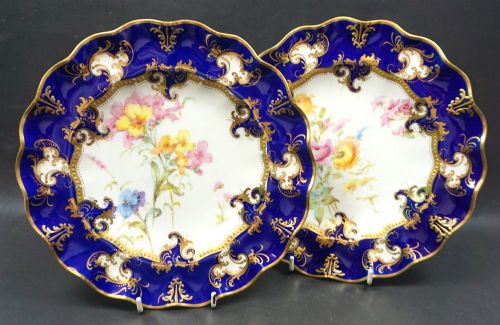
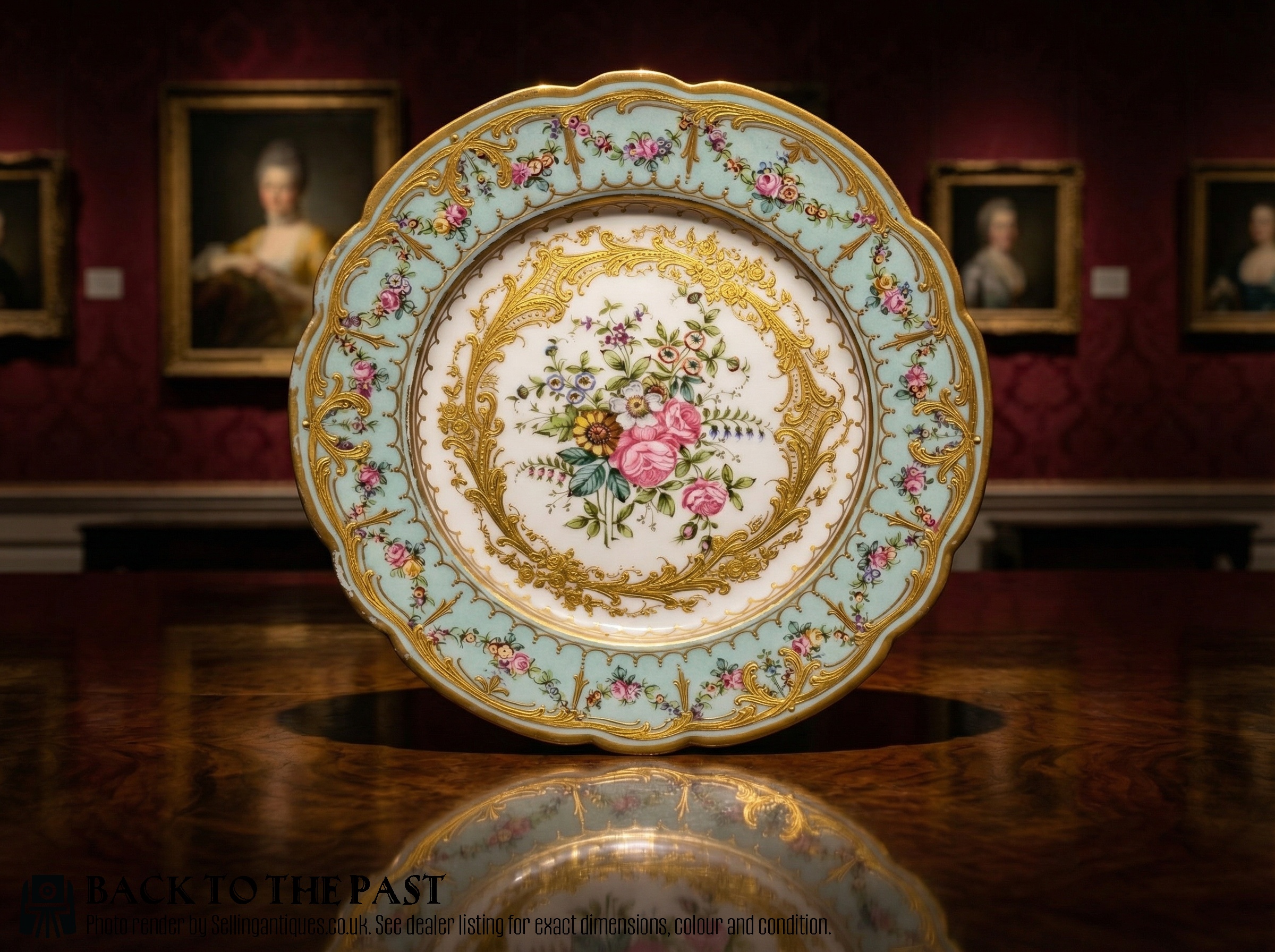
Makers shaped porcelain and bone china bodies before firing them to create a stable base for detailed surface decoration. Artisans then applied handpainted motifs, including botanical swags, fancy birds, and cobalt grounds, often working in recognised regional manners.
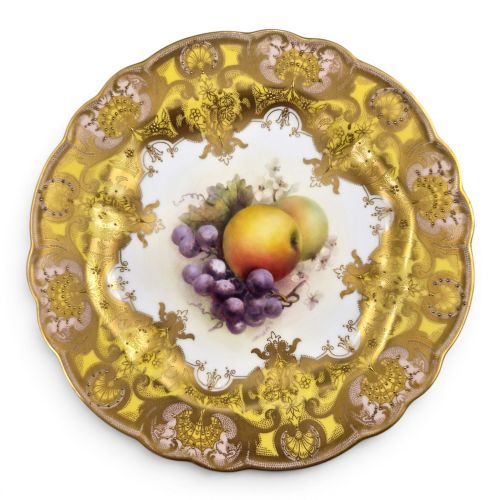
Gold leaf and gilding were applied over the fired glaze or enamel, then heated again to fix the metallic finish securely to the ceramic. This combination of enamel work and gold leaf gives each display dish its reflective surface quality.
Retail Price Guide 2026
Typical UK retail prices for gilded porcelain display dish, calculated from the Sellingantiques database of over a million retail prices indexed since 2003. This retail price guide relies exclusively on Sellingantiques data; no external sources or auction records are used, so the figures do not describe the wider market.
Listings feature nineteenth-century items created using porcelain, bone china, enamel, gold leaf, and gilding.
What varies in quality
The standard of a gilded porcelain display dish rests on the precision of the handpainting and the richness of the gold leaf. Pieces featuring detailed pictorial work like fancy birds or complex floral swags show a higher degree of artistic control.
The depth and application of the gilding set baseline commercial production apart from superior studio output. Handling a truly fine piece reveals crisp brushwork and heavy, burnished gold that holds its brilliance across the ceramic body.
H & R Daniel·Minton·New Hall
The Gilded Porcelain Display Dish Glossary
- Cabinet plate
- A decorative ceramic plate made strictly for display behind glass or on a stand rather than for table service. These items usually feature high-detail handpainting.
- Imari
- A decorative style originating in Japan, characterised by cobalt blue, iron red, and extensive gold highlights over a white porcelain body. Nineteenth-century European makers frequently copied this aesthetic.
- Gilding
- The application of gold leaf or gold powder to the surface of porcelain to create metallic highlights. It varies from thin painted washes to thick burnished layers.
- Cobalt ground
- An intense blue background colour applied to porcelain beneath or around the main painted decoration. It provides a strong visual contrast against gilded elements.
Frequently Asked Questions
How do I display a gilded porcelain dish safely?
Use a secure metal or wooden stand designed specifically for heavy cabinet plates and chargers. Place the piece away from direct sunlight and high-traffic areas to protect the surface gilding.
Ensure the display surface is stable and level. Wall mounting requires specialist plate hangers with rubber-coated prongs to prevent scratching the enamel.
Can I use these dishes for serving food?
These nineteenth-century items are intended strictly as decorative display objects rather than functional tableware. Using them for food can damage the historic enamel and wear away the delicate gold leaf.
Surface cleaning should be limited to gentle dusting with a soft, dry cloth. Avoid water immersion and abrasive cleaning agents entirely.
What does Sevres manner mean on a label?
The phrase indicates that a piece follows the distinctive decorative style associated with the French Sevres porcelain factory. Makers often adopted these specific colour palettes and gilding patterns.
Such items reflect the broader European taste for ornate nineteenth-century French luxury wares. They were produced by various potteries working in that aesthetic tradition.
How do I tell English pieces from French ones?
English items from this era frequently feature bone china bodies alongside distinct factory patterns. Makers like Minton and New Hall developed characteristic handpainted floral swags and bird motifs.
French porcelain often utilises specific cabinet plate forms styled in the Sevres or Rococo Revival manner. Examining the paste, weight, and palette helps identify the likely origin.