
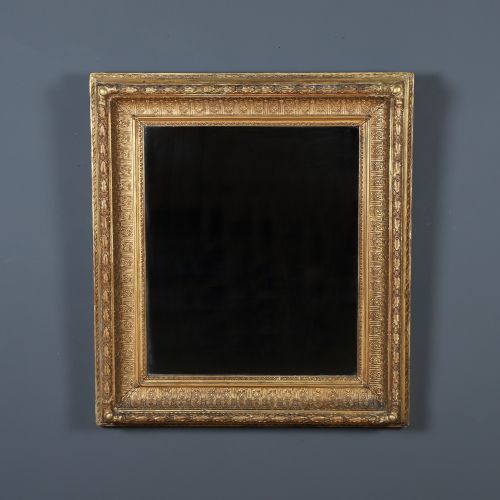

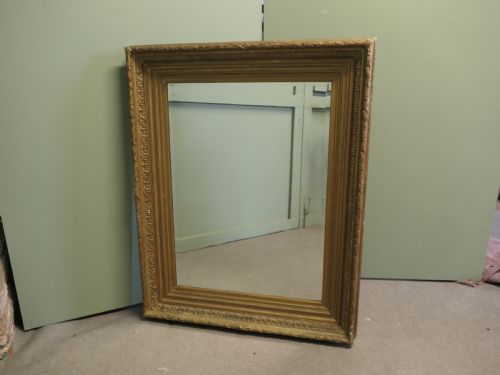
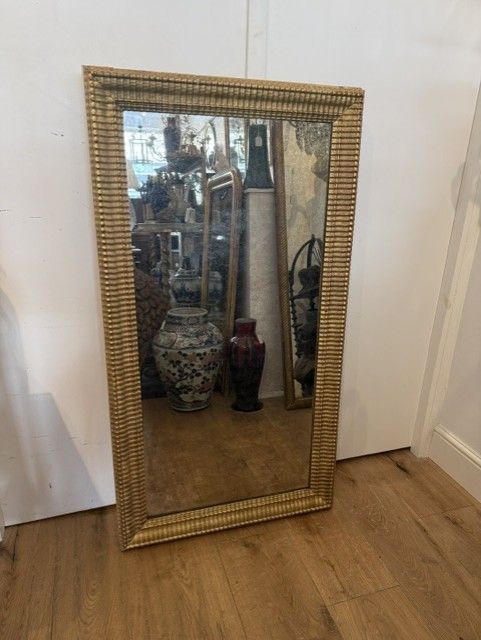
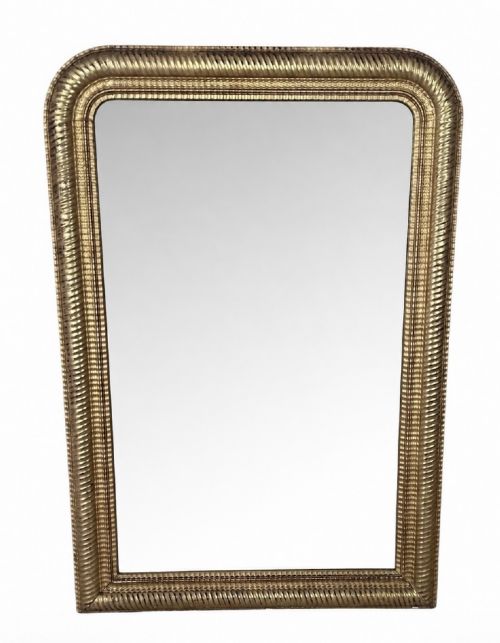



Gilded Moulding Wall Mirror
A gilded moulding wall mirror brings warmth and reflective depth to a room, catching the natural light through gold leaf and gesso.
Gilded Moulding Wall Mirror
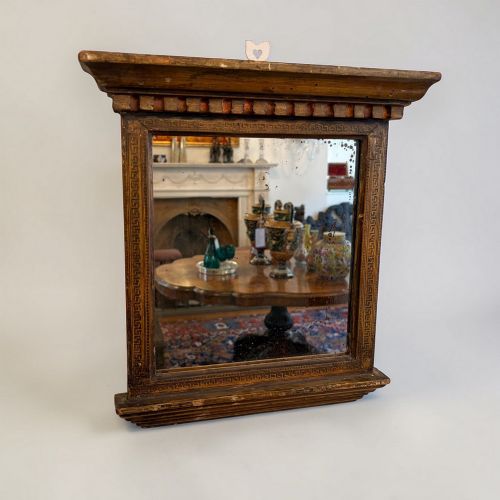
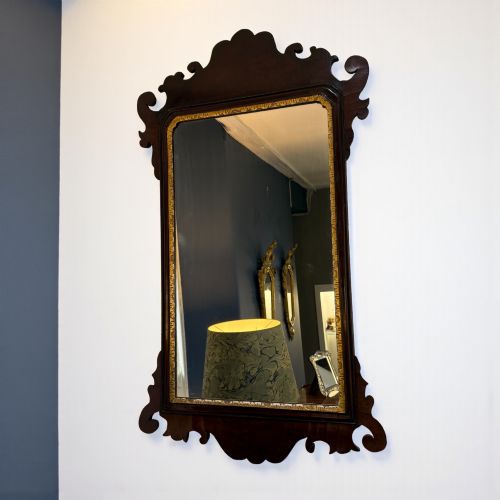
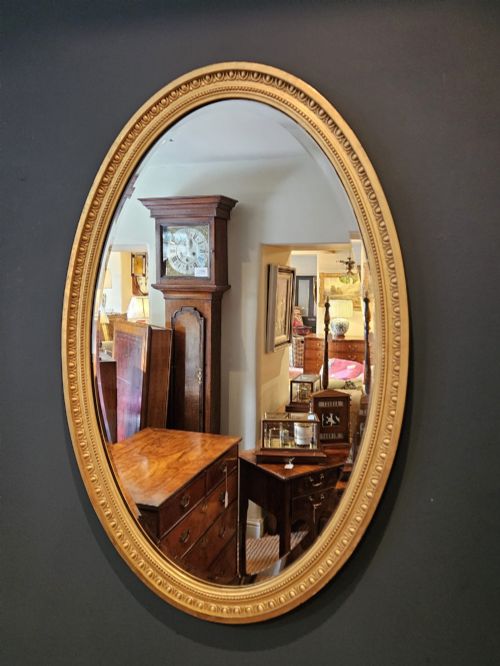
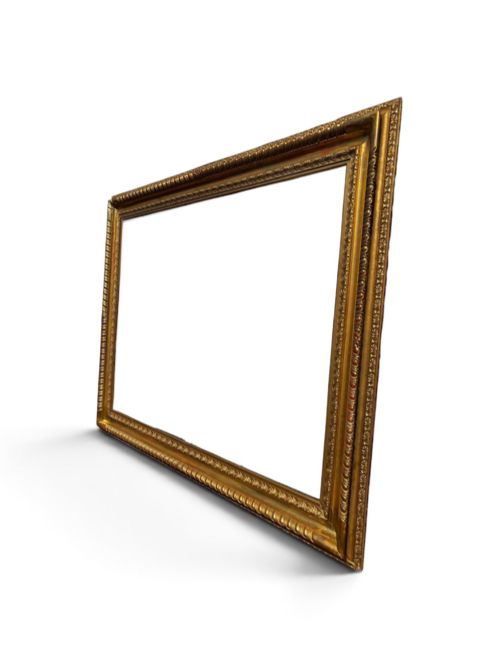
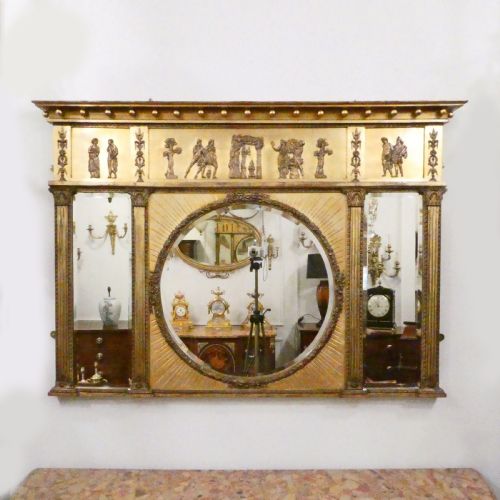
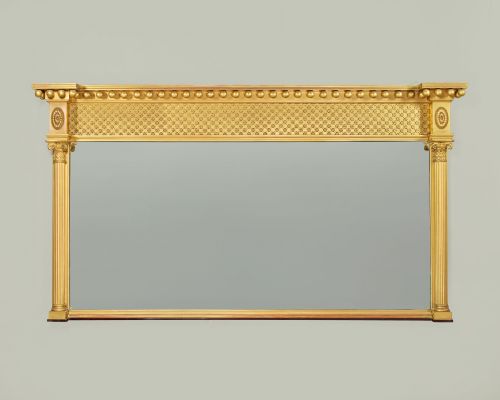
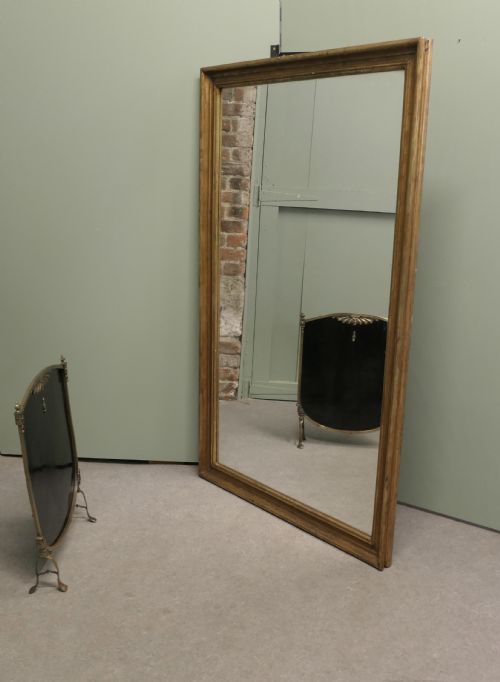
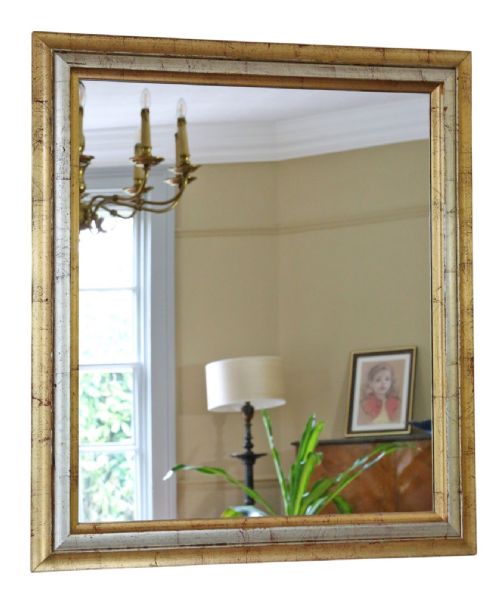
A gilded moulding wall mirror appears in several distinct forms across the nineteenth century, including rectangular overmantels, circular convex pieces, and tall French Louis Philippe designs. The inventory relies heavily upon nineteenth-century examples, spanning Georgian, Regency, Victorian, and Edwardian periods.
Buyers encounter grand scale circular giltwood frames alongside landscape formats and tall wall-hanging mirrors. Many pieces incorporate carved wood, plaster, and ebonised details within the traditional gilt framework.
Construction and gilding techniques
Craftsmen built the core frames from wood, applying layers of gesso to create smooth surfaces or intricate relief ornament before gilding. Gold leaf provided a lasting metallic finish that caught the candlelight or daylight of period interiors.
Specialised techniques included verre eglomise panels set above mirror glass and detailed carving applied to pine or hardwood structures. Frames range from simple ripple moulding to elaborate classical motifs featuring eagle crests.
The selection includes multiple Regency convex mirrors alongside Victorian overmantels and nineteenth-century ripple frame designs.
Distinguishing quality in period frames
The depth and clarity of the carved or moulded ornament distinguish superior pieces from simpler utilitarian mirrors. Crisp definition in the gesso relief and the preservation of original gold leaf indicate higher workshop standards.
The choice of secondary timbers and the integrity of the original mirror glass further separate standard production from exceptional pieces. Proportions remain balanced, with heavy overmantels and convex frames engineered to support their substantial weight securely.
The Gilded Moulding Wall Mirror Glossary
- Giltwood
- Wood that has been coated with gold leaf or gold paint. This technique creates a luminous surface characteristic of period frames.
- Gesso
- A plaster-like mixture applied to wooden frame bases to create a smooth surface for carving and gilding. It allows for intricate relief ornamentation.
- Convex mirror
- A round mirror with a curved glass surface that reflects a wide-angle view of the room. These pieces often feature gilded ball adornments around the frame.
- Verre eglomise
- A cold decoration technique where an image or design is painted and gilded on the reverse of glass. It appears in upper sections of Regency mirrors.
- Overmantel mirror
- A large horizontal mirror designed to sit directly above a fireplace mantelpiece. These pieces often anchor the decorative scheme of a period reception room.
Gilded Moulding Wall Mirror: Frequently Asked Questions
How do I hang a heavy overmantel mirror?
Heavy gilded overmantels require secure fixing directly into structural wall studs or masonry using appropriate steel brackets. Weight distribution across multiple points ensures the frame remains stable.
Professional installation is recommended for large scale or antique frames due to their substantial combined weight of wood, gesso, and thick mirror glass.
What is a convex mirror used for?
Convex mirrors were historically placed in drawing rooms and parlours to monitor activity across the entire space without turning around. Their curved surface gathers light from multiple angles to brighten darker corners.
Today they function as strong decorative focal points, often hung opposite a window to maximise the reflected daylight.
How do I clean a gilded frame?
Gilded surfaces require extremely gentle dusting with a dry, soft brush to avoid disturbing fragile gold leaf or flaking gesso. Moisture and modern chemical cleaners will damage the historic finish permanently.
Mirror glass should be cleaned sparingly using a cloth dampened slightly with water or a mild glass cleaner, taking care not to let liquid seep behind the frame edge.
How do I identify a Regency mirror?
Regency mirrors frequently display classical architectural motifs, including reeded mouldings, ebonised details, and convex forms surmounted by carved eagles. The proportions reflect early nineteenth-century neoclassical taste.
Construction details such as pine backing boards and traditional giltwood over gesso help confirm the period of manufacture.