
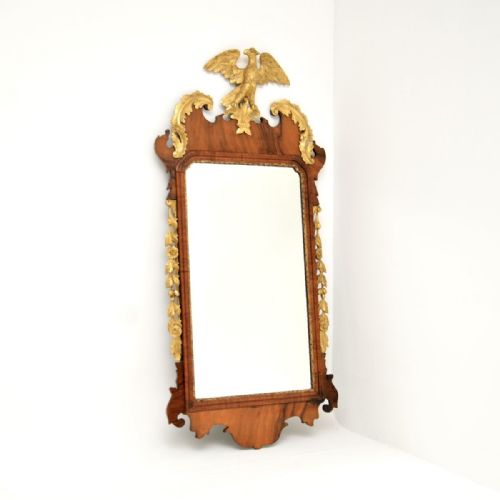


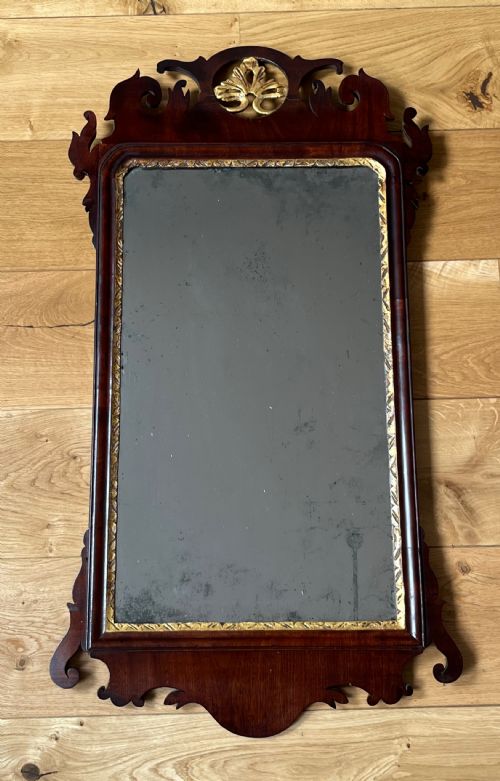


Vintage Fretwork Pier Glass
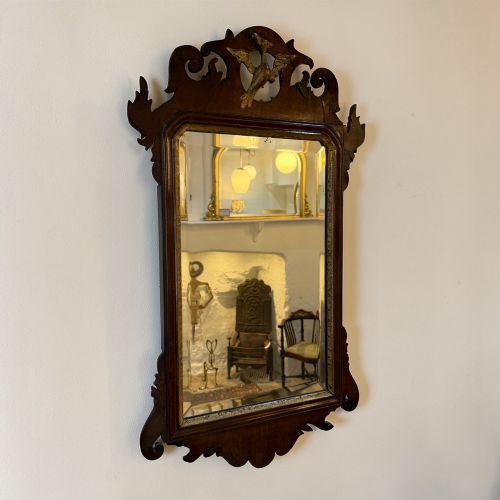
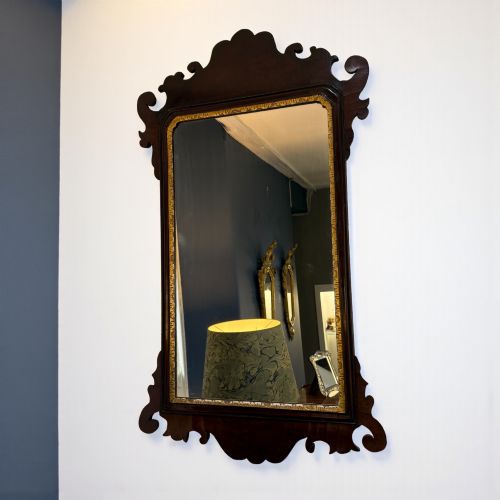
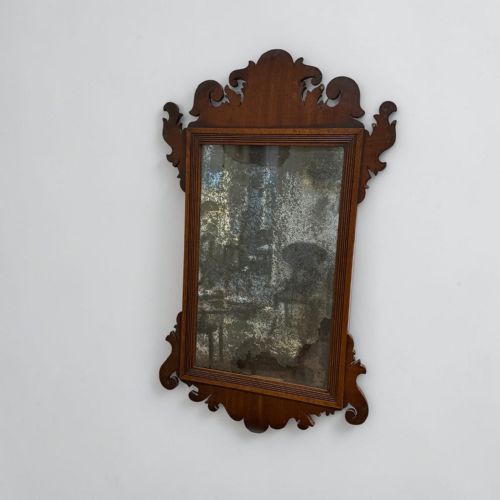
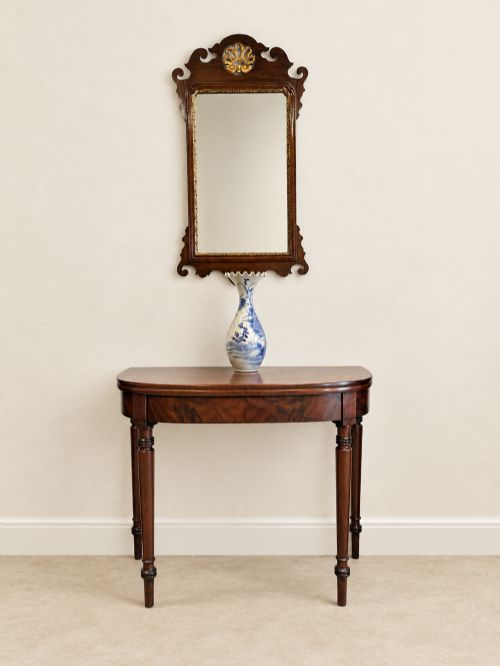
These vintage fretwork pier glass mirrors bring vertical elegance and intricate wooden scrollwork to a room, offering the classic proportions collectors want.
Vintage Fretwork Pier Glass
A vintage fretwork pier glass is a tall, narrow wall mirror framed by intricately cut wooden scrollwork designed to hang between windows or above mantelpieces. The selection on this page ranges from authentic 18th-century pieces to later Victorian revivals.
The primary forms draw heavily on Georgian and Chippendale aesthetics, featuring symmetrical pierced outlines and scrolled crests. Mahogany and walnut dominate the structural timbers, often enhanced by parcel-gilt details or inner gilded slips.
Buyers will encounter both genuine Georgian period pieces and later 19th-century interpretations in the listings. These wall mirrors serve both functional and decorative purposes, maintaining the slender proportions necessary for tight architectural spaces.
How they were made
Cabinetmakers constructed these frames using dense timbers like mahogany, walnut, and sycamore, which allowed for precise fret-saw cutting without splintering the delicate scrollwork. Timber selection dictated both the weight and the durability of the pierced silhouette.
Gilding techniques involved applying gold leaf over gesso applied directly to the wood or carved slips. Parcel-gilt highlights drew the eye to specific carved motifs, contrasting sharply against the dark polished grain of the mahogany or walnut body.
Early craftsmen sometimes hid tiny pencil marks beneath the fretwork layers to guide their hand-saws through intricate scrolls.
What varies in quality
The refinement of the fret-cutting separates standard examples from exceptional ones. Crisp, deeply carved edges and balanced symmetry in the scrollwork demonstrate superior craftsmanship during the manufacturing process.
Originality of the glass and gilding dictates the overall integrity of the piece. Retaining the original mercury plate and untouched parcel-gilt highlights elevates a mirror far above examples with later replacements.
The Vintage Fretwork Pier Glass Glossary
- Pier glass
- A tall mirror specifically designed to hang on the pier, the stretch of wall space between two windows. These mirrors reflect additional light into darker rooms.
- Fretwork
- Ornamental design created by piercing thin wood with a fret-saw to produce geometric or organic scroll patterns. It defines the characteristic silhouette of these frames.
- Parcel-gilt
- A decorative treatment where only specific portions of a wooden object are gilded with gold leaf. This technique highlights carved details against a contrasting dark wood background.
- Gesso
- A plaster-like mixture applied to wood surfaces to provide a smooth base for gilding. It allows craftsmen to model fine relief details before applying gold leaf.
- Gilt slip
- A narrow interior wooden moulding covered in gold leaf that sits directly against the mirror glass. It frames the reflective surface and adds a layer of bright contrast.
Vintage Fretwork Pier Glass: Frequently Asked Questions
Where should I hang a pier glass?
These tall mirrors work best in narrow wall spaces, particularly between windows or above console tables and mantelpieces. Their vertical proportions are specifically designed to draw the eye upward and brighten darker corners.
Ensure the wall fixings can support the weight of the timber frame, especially for larger mahogany and walnut examples. Positioning them opposite a light source maximises their ability to illuminate the room.
How do I date a fretwork mirror?
Dating relies on examining the timber species, the precision of the fretwork, and the construction methods visible on the reverse. Earlier 18th-century pieces often feature finer sycamore or walnut construction with hand-beveled glass plates.
Later Victorian revivals tend to use heavier mahogany and machine-cut elements that lack the crispness of Georgian originals. Inspecting the backing boards and screw types provides further clues to the manufacturing era.
What is Chippendale style?
Chippendale style refers to the mid-18th-century design vocabulary popularized by cabinetmaker Thomas Chippendale. It incorporates elaborate fretwork, scrolling crests, and classical symmetry drawn from Gothic and Rococo influences.
Mirrors in this style feature intricate pierced wooden frames that emphasise lightness and movement. This aesthetic was frequently revived during the 19th century by Victorian makers.
Are these mirrors fragile?
The pierced wooden scrollwork requires careful handling during movement or cleaning. The projecting fret edges can snap if subjected to lateral pressure or impacts.
Routine maintenance involves dusting the fretwork gently with a soft brush rather than wiping it aggressively. Hang the mirror securely using appropriate wall anchors to prevent accidental falls.