
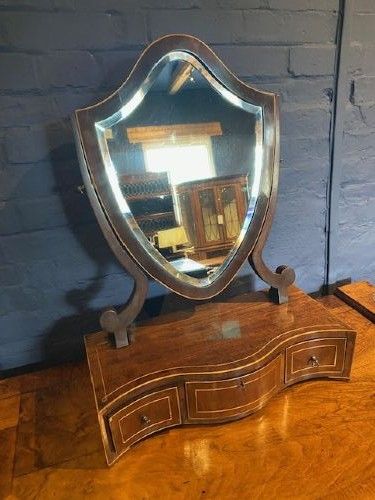
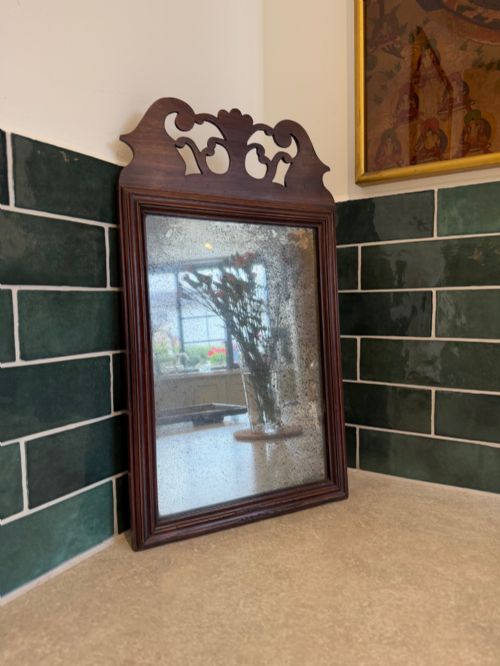
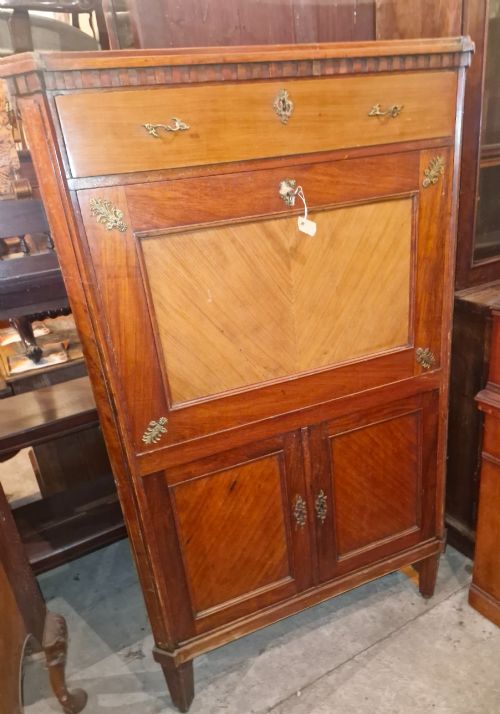
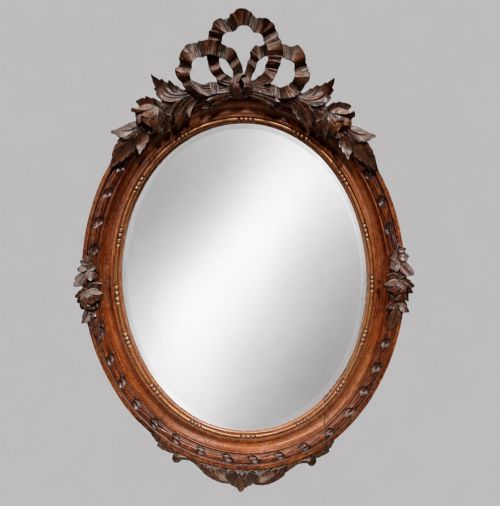
Antique Style Mahogany Mirror
An antique style mahogany mirror brings rich timber tones and classic design to a room, drawing the eye with graceful frames and reflective depth.
Antique Style Mahogany Mirror
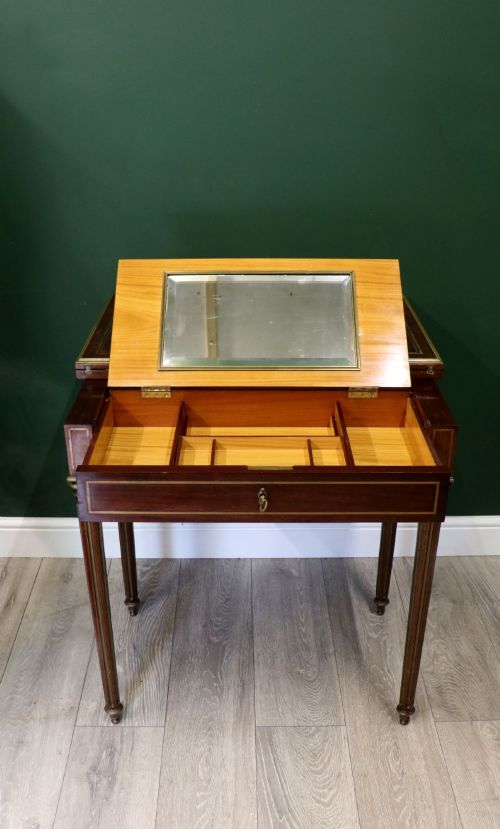
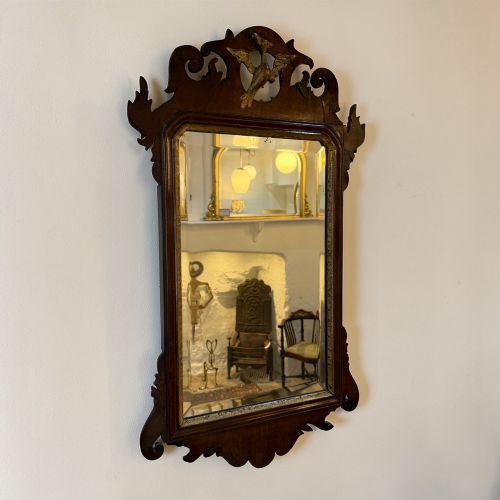
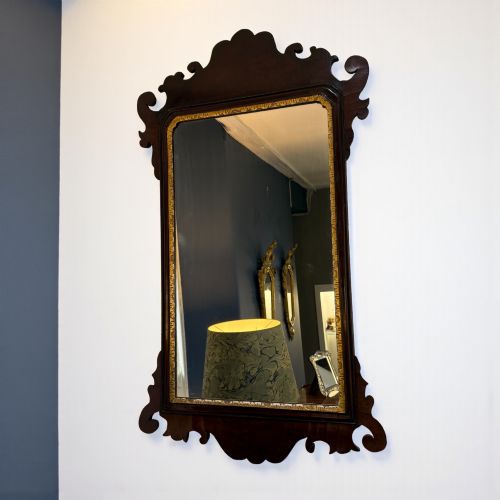
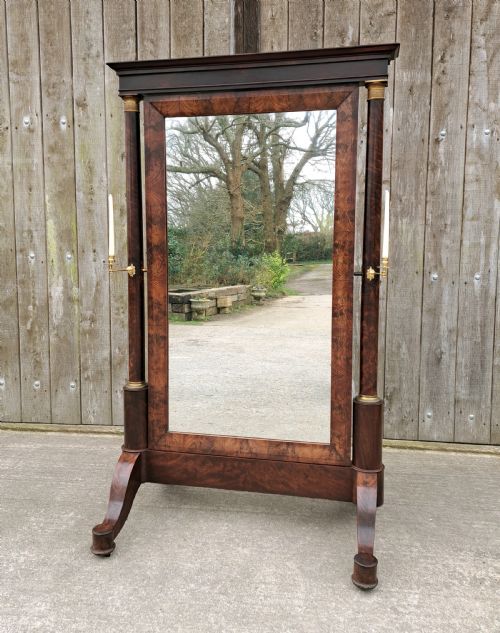
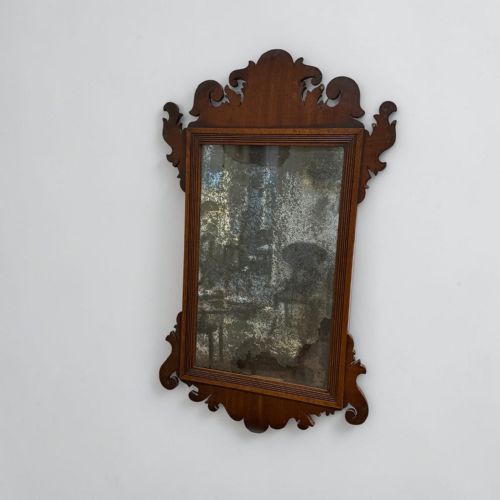
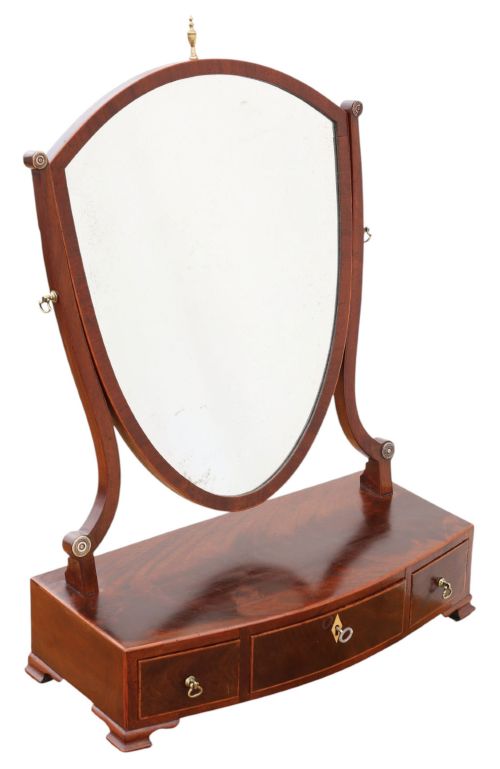
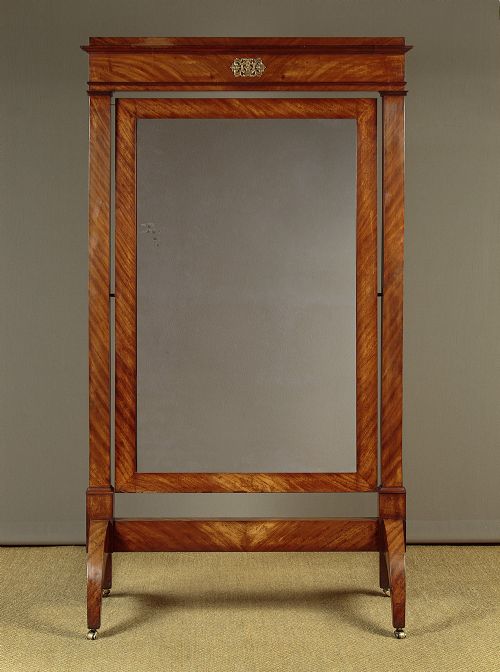
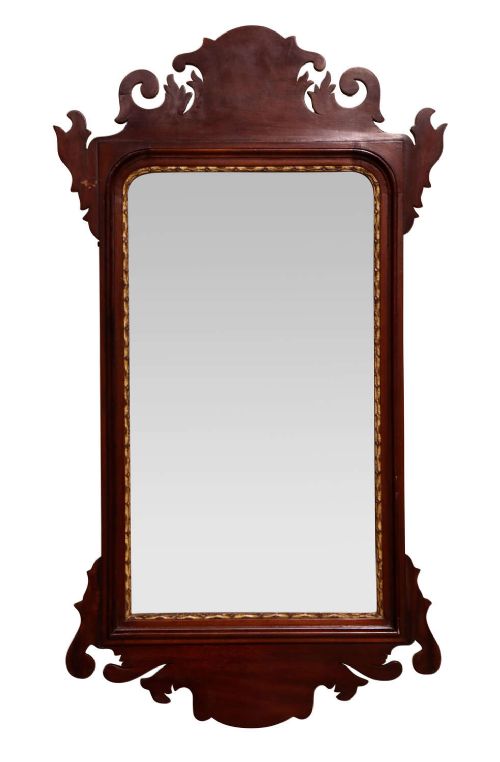
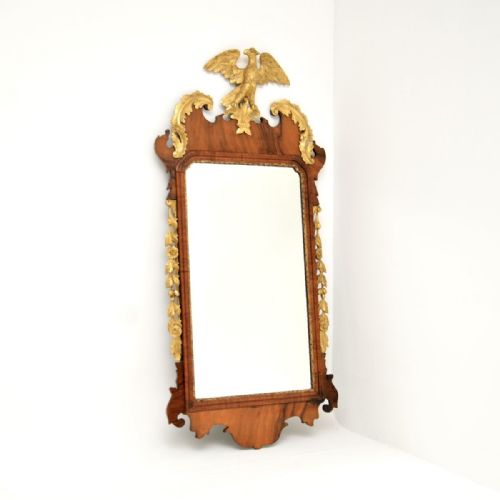
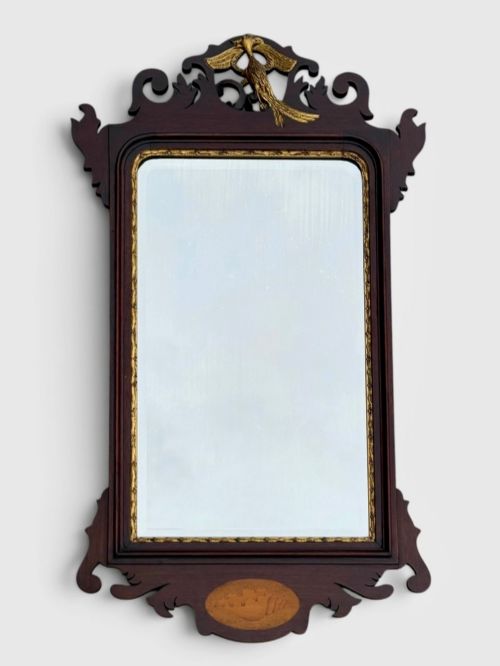
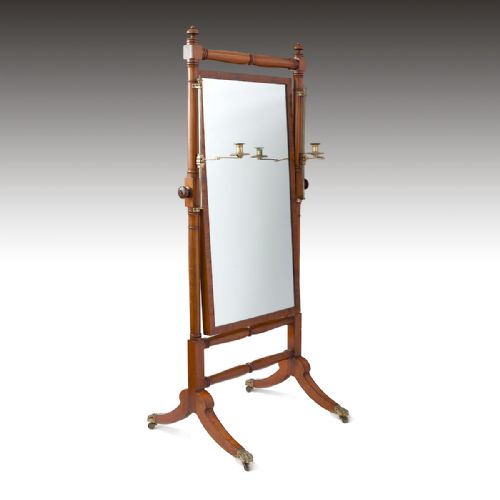
When you search for an antique style mahogany mirror, you encounter a variety of forms designed to reflect light and adorn walls or dressing spaces. The selection includes wall-hanging frames, swing mirrors for tables, and full-length cheval mirrors on stands.
Most pieces date from the nineteenth century or utilise revival styles inspired by earlier Georgian and Regency periods. Fretwork frames with scrolled outlines and parcel-gilt details appear frequently among these furnishings.
How they were made
Craftsmen utilised solid mahogany and mahogany veneers over secondary timbers, shaping frames with hand-carved fretwork and mouldings. Timber selection focused on rich grain patterns and deep warm colours.
Gilding techniques involved applying gold leaf or parcel-gilt highlights to carved details, creating contrast against the dark wood. Brass hardware, such as swing pins and mounts, secured moving parts on dressing and cheval mirrors.
Mirror glass was set into frames with wooden backs, sometimes featuring bevelled edges or reverse-cut plates. Joinery relied on traditional pinned and mortised joints suited to the structural demands of large hanging and standing frames.
Materials recorded across the selection include mahogany, glass, brass, giltwood, mirror glass, satinwood, gold leaf, and ormolu.
What varies in quality
The refinement of the carving separates standard examples from exceptional pieces. Crisp fretwork with deep undercut details and well-executed bird or scroll motifs indicates higher craftsmanship than shallow, cast or mechanically finished mouldings.
The preservation of original materials also dictates the standing of a piece. Original mirror glass with natural ageing, intact parcel-gilt surfaces, and matching brass hardware maintain the integrity intended by the maker.
Edwards and Roberts·Gillow·William Kent
The Antique Style Mahogany Mirror Glossary
- Cheval mirror
- A full-length swing mirror supported on a vertical frame with four feet. This form allows the glass to tilt for dressing purposes.
- Fretwork
- Openwork carving produced with a fretsaw, commonly seen in geometric or scrolling patterns on eighteenth-century and revival frames.
- Parcel-gilt
- Partially gilded woodwork where gold leaf is applied selectively to specific carved highlights, contrasting with the dark mahogany body.
- Pier mirror
- A tall mirror designed to hang on the wall between two windows, often placed above a pier table.
- Shield mirror
- A dressing table swing mirror featuring a vertical plate shaped like a heraldic shield, popular in the eighteenth century.
Antique Style Mahogany Mirror: Frequently Asked Questions
Where should I hang a wall mirror?
Wall mirrors function well above mantelpieces, sideboards, or console tables where they reflect natural light and anchor the furniture below.
Ensure the wall fixings match the weight of the timber frame and secure safely into wall studs or masonry.
What is a cheval mirror used for?
A cheval mirror provides a full-length view for checking attire in a bedroom or dressing room. The pivoting frame allows the user to adjust the angle of the glass.
These freestanding pieces also add depth and light to smaller spaces without requiring wall installation.
How do I care for mahogany and gilt frames?
Dust frames regularly with a soft, dry cloth to prevent dirt accumulation on carved surfaces. Avoid liquid cleaners on gilt areas, as moisture can damage gold leaf.
Keep wooden frames away from direct heat sources and strong sunlight to prevent timber shrinkage and finish fading.