
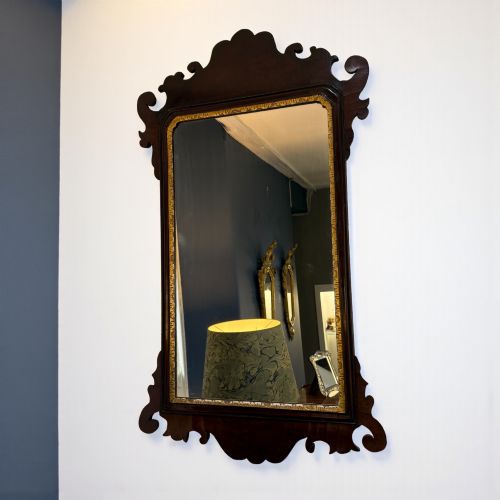
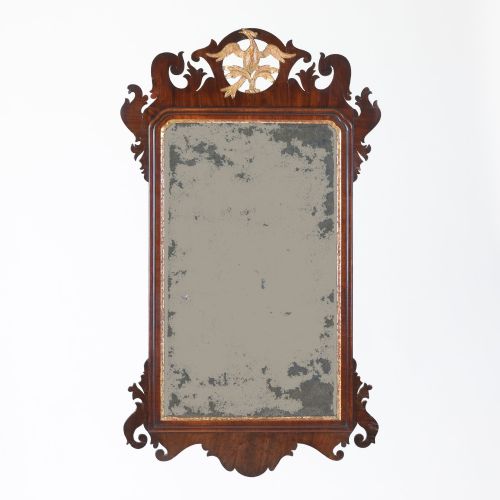


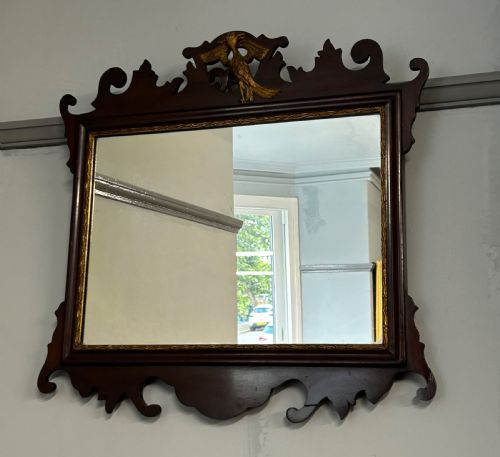


Mahogany Parcel Gilt Frame
A mahogany parcel gilt frame offers warmth and understated classical gleam, bringing genuine eighteenth-century presence to any interior.
Mahogany Parcel Gilt Frame
A mahogany parcel gilt frame provides a sophisticated wall hanging, most commonly encountered as a fretwork wall mirror or a larger overmantel mirror from the Georgian, Victorian, and later revival periods. These decorative items combine rich dark wood with selective areas of gold leaf, creating a striking visual contrast that appealed to wealthy homeowners from the eighteenth century onwards.
Buyers browsing this selection will frequently encounter fret-cut designs featuring intricate scrolled edges, alongside pieces styled in the manner of William Kent or bearing traditional motifs such as the carved Ho-ho bird. Originating largely from British workshops across the Georgian and nineteenth-century eras, these mirrors serve both functional and decorative purposes in traditional rooms.
The assortment on this page spans distinct historical moments, from genuine eighteenth-century items to later Victorian revivals and George II style interpretations. Whether selecting a compact wall-hung fret mirror or a substantial overmantel piece, collectors acquire items defined by classic cabinet-making traditions and enduring timber construction.
How they were made
Cabinet-makers constructed these frames primarily using solid mahogany, selected for its rich grain and stability, frequently shaped through precise fret-cutting and joinery techniques. Walnut also appears among these examples, providing an alternative dark timber ground for the decorative elements.
Gilding was applied selectively using gold leaf to highlight specific carved details, mouldings, and pierced frets against the polished wood background. This parcel-gilt technique required considerable skill to balance the warm tones of the timber with the reflective brilliance of the gold leaf.
Look closely for the carved wooden bird peering down from the top scroll, watching over every room it graces.
What varies in quality
The distinction between ordinary and exceptional examples lies in the crispness of the fret-cutting and the depth of the carved ornamentation. Superior pieces exhibit confident, fluid scrollwork and finely detailed motifs like birds or floral drops, whereas lesser items display rigid or shallow carving.
Originality of the components heavily influences the standing of a piece, particularly regarding the survival of the original mirror glass and the integrity of the gilded surfaces. Frames that retain their early gilding and historical glass plate demonstrate superior craftsmanship and historical authenticity.
The Mahogany Parcel Gilt Frame Glossary
- Parcel Gilt
- Partially gilded, where gold leaf is applied only to specific carved details or mouldings while the underlying wood remains visible. This technique creates a striking contrast between the warm brown timber and the bright metallic gold.
- Fretwork
- Openwork ornamentation carved or pierced from a thin board of timber in geometric or scrolling patterns. It defines the silhouette of many eighteenth-century mirrors.
- Overmantel Mirror
- A large mirror designed specifically to be hung above a fireplace mantelpiece. These pieces often feature horizontal proportions that anchor the room's central hearth.
- Pier Mirror
- A tall mirror traditionally placed on the wall pier between two windows. It reflects additional light into dimly lit period rooms.
- Ho-ho Bird
- A mythical Chinese bird motif frequently incorporated into the carved crests of eighteenth-century mirrors. Its inclusion reflects the era's enduring fascination with Chinoiserie design.
Mahogany Parcel Gilt Frame: Frequently Asked Questions
What periods do these frames come from?
The pieces span the Georgian era, the eighteenth century, and nineteenth-century revival periods including Victorian examples.
Craftsmen recreated these classical styles across multiple decades, meaning buyers find both original period items and later nineteenth-century interpretations sharing similar aesthetics.
How were these mirrors used originally?
They were hung in principal reception rooms to reflect candle candlelight and brighten dark panelled interiors.
Placed above fireplaces or between windows, they functioned both as practical looking glasses and as high-status decorative statements.
What is parcel gilding?
Parcel gilding is a decorative technique where gold leaf is applied selectively to raised carvings and mouldings on a wooden object.
This leaves the polished mahogany grain exposed elsewhere, creating a sophisticated two-tone effect characteristic of fine period furniture.
How do I distinguish an original from a revival piece?
Distinction relies on examining the timber ageing, the construction methods of the internal frame, and the characteristics of the mirror plate.
Eighteenth-century examples show authentic wood shrinkage and hand-cut joinery, whereas nineteenth-century revival pieces reflect the manufacturing standards of their own time.