


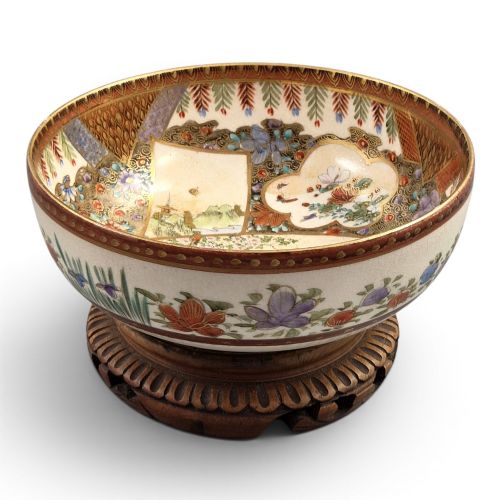
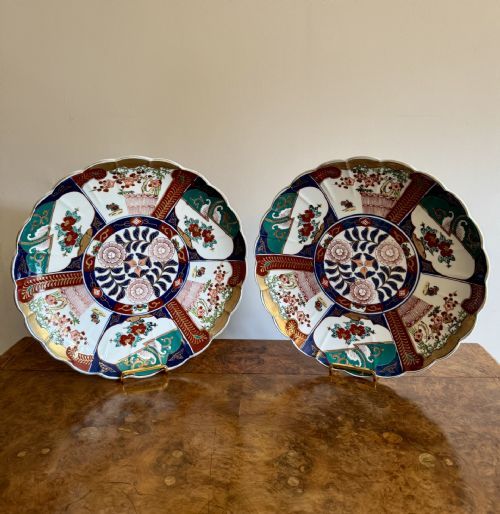
Gilded Japanese Porcelain Dish
A gilded japanese porcelain dish brings intricate hand-painted detail and rich metallic highlights directly to the table.

Gilded Japanese Porcelain Dish
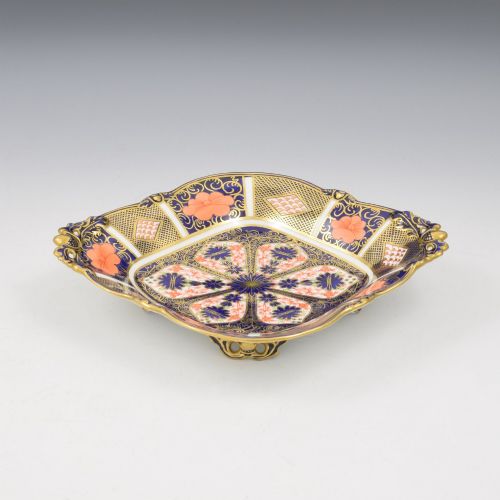
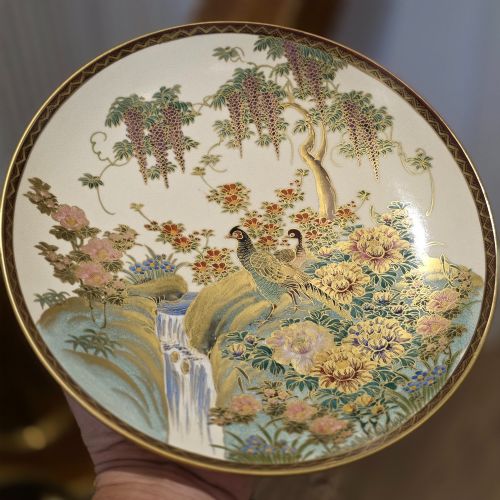
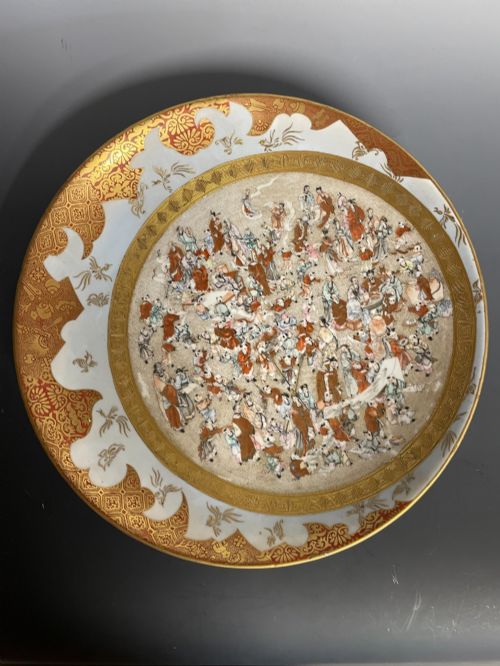
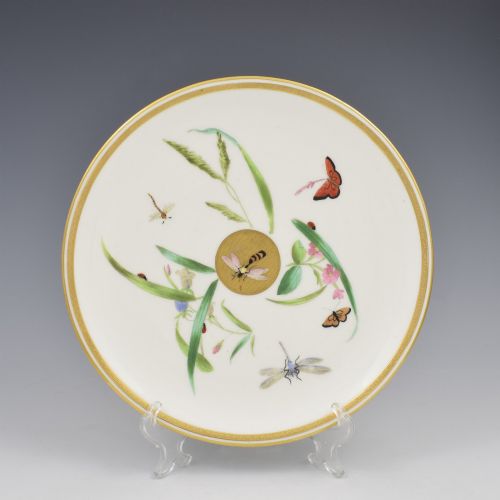
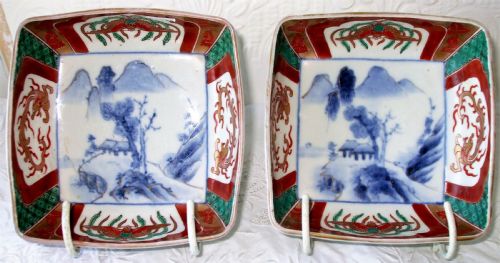
When you search for a gilded japanese porcelain dish, you encounter a variety of decorative plates, chargers, bowls, and trays originating primarily from the Meiji period and the nineteenth century. These pieces encompass traditional Japanese Imari, Satsuma ware, and Kutani ware alongside British interpretations influenced by the Aesthetic Movement.
Materials and technique
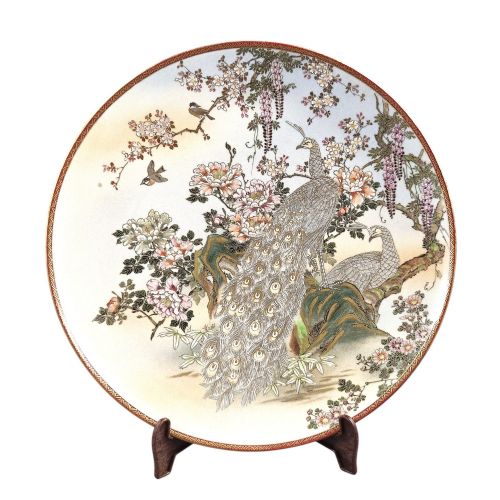
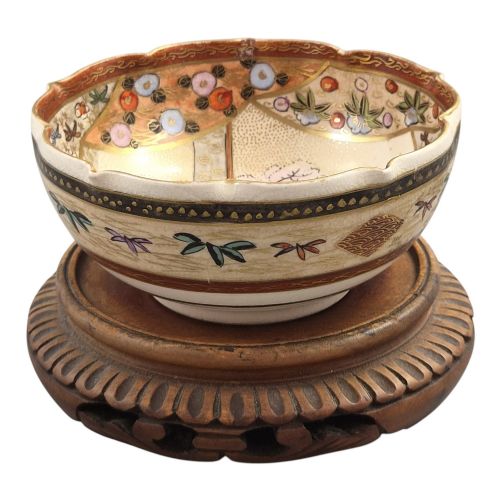
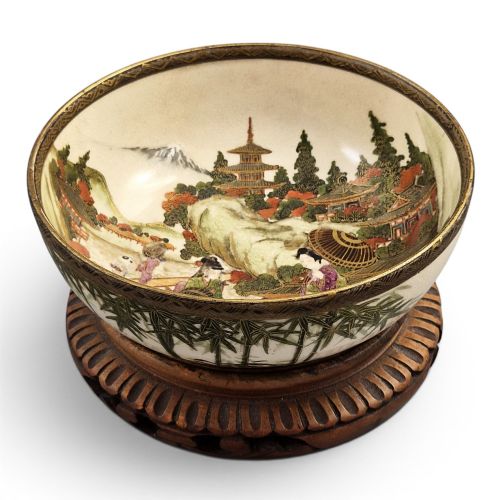
Artisans formed these vessels from hard-paste porcelain or earthenware bodies, applying mineral glazes and vibrant enamels before firing. Gold leaf and heavy gilding were added to highlight motifs such as peonies, birds, and geometric borders.
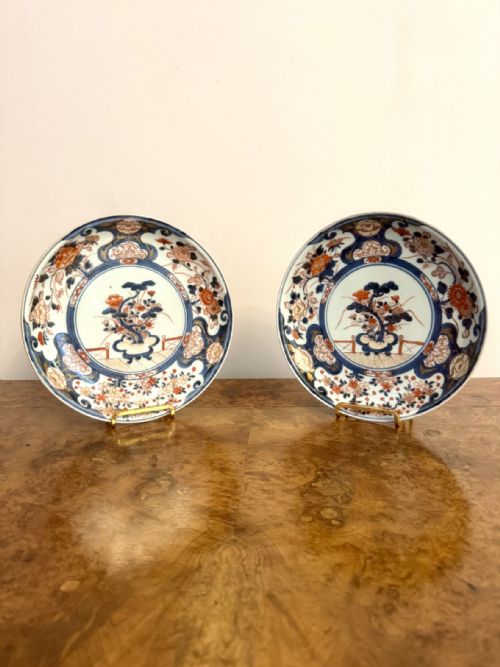
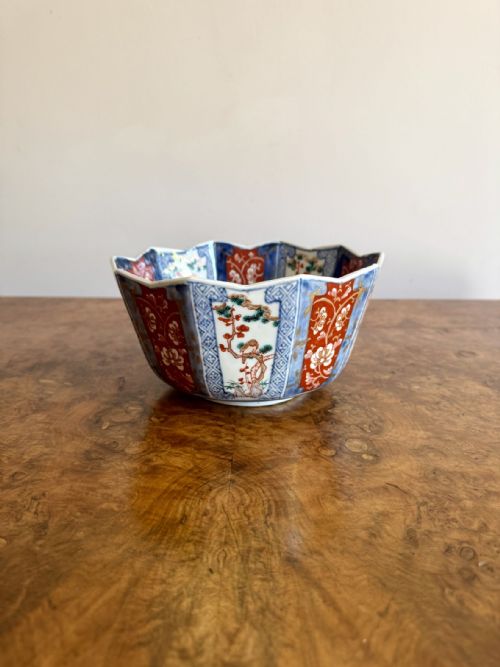
Hand-painting techniques varied across regional potteries, incorporating moriage raised enamel work in Satsuma pieces and intricate underglaze blue combined with overglaze red and gold in Imari wares.
Materials recorded across the inventory include porcelain, earthenware, enamel, and gold leaf.
Judging quality and execution
Quality rests in the crispness of the hand-painted brushwork, the density and preservation of the gold leaf, and the refinement of the porcelain body. Pieces showing meticulous attention to detail in floral and avian motifs stand apart from more utilitarian examples.
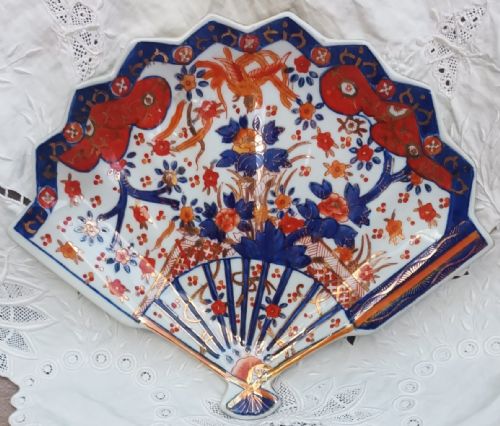
The weight of the porcelain, the symmetry of shaped edges such as fan or octagonal forms, and the depth of the glaze application distinguish exceptional collector pieces from standard decorative items.
Koshida·Kozan·Hododa
The Gilded Japanese Porcelain Dish Glossary
- Imari
- A style of Japanese porcelain featuring a palette of cobalt blue, iron red, and gilt highlights. It originated in the town of Arita and became immensely popular for export.
- Satsuma
- An earthenware type with a crackle-glaze finish, typically decorated with elaborate polychrome enamels and rich gold leaf. It is heavily associated with the Meiji period.
- Kutani
- A style of Japanese porcelain known for bold pictorial designs and extensive use of gold. It frequently depicts natural scenes, figures, and birds.
- Moriage
- A decorative technique using raised slip or enamel dots and lines to create a tactile, textured surface on ceramic vessels. This method is often seen on Satsuma ware.
- Charger
- A large ornamental plate intended for display rather than dining. These pieces often feature complex central medallions and border patterns.
Gilded Japanese Porcelain Dish: Frequently Asked Questions
How do I display a charger?
Large chargers and decorative dishes are traditionally displayed on sturdy wall hangers or supported upright on specialised cabinet stands.
Positioning them away from direct sunlight protects the delicate enamel colours and gold leaf from fading over time.
Can I use these for food?
Most antique pieces function best as decorative items rather than everyday tableware due to the age of the porcelain and delicate overglaze gilding.
Gentle hand washing with warm water is recommended if cleaning is necessary, avoiding abrasive sponges or harsh detergents.
What is Meiji period porcelain?
The Meiji period spans from eighteen sixty-eight to nineteen twelve, marking an era of intense artistic output and international export for Japanese ceramics.
Workshops during this time combined traditional techniques with new decorative styles tailored for Western collectors.
How do I spot Imari ware?
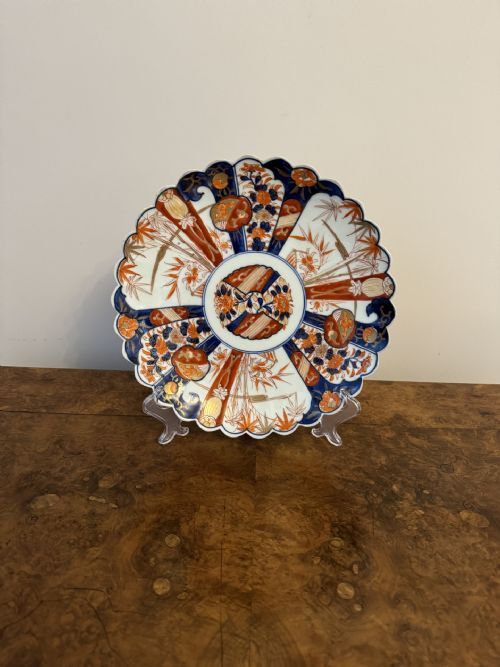
Imari pieces are instantly recognisable by their distinctive tripartite colour scheme combining underglaze cobalt blue, iron red enamel, and abundant gilding.
Designs frequently incorporate floral motifs, brocade patterns, and panels featuring landscapes or birds.