





Gilded Japanese Ceramic Urn
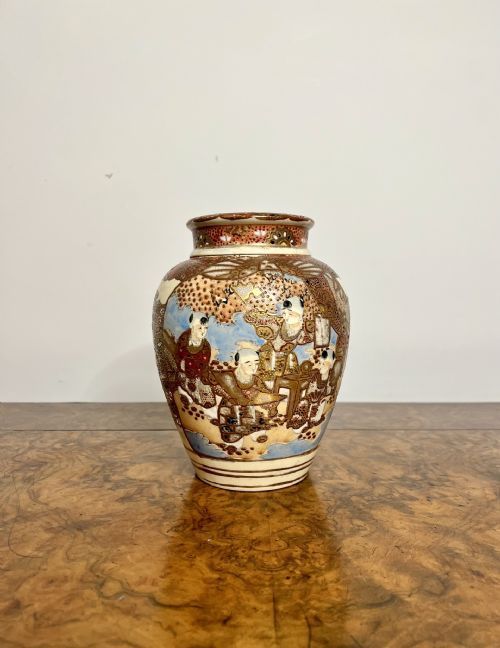
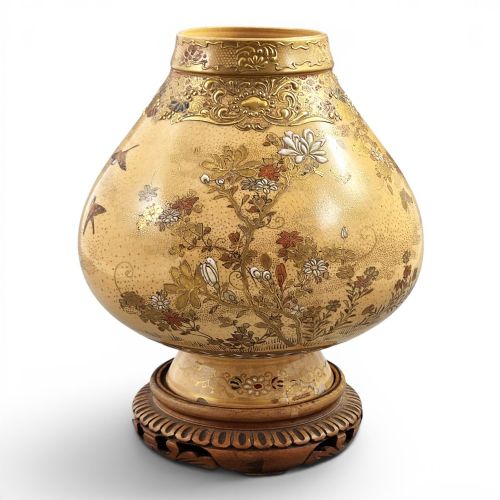
When you search for a gilded japanese ceramic urn, you are looking at richly decorated vessels finished with gold leaf or gilt.
Gilded Japanese Ceramic Urn
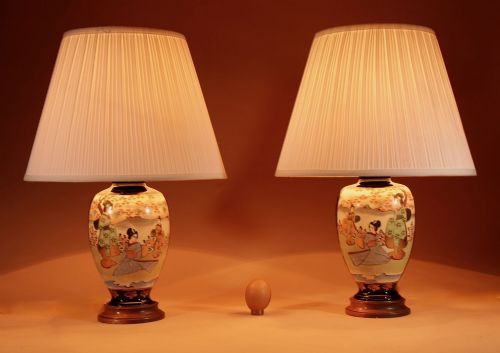
A gilded japanese ceramic urn brings together traditional Far Eastern pottery forms and elaborate surface decoration. When searching this phrase, collectors encounter various vessel types including floor standing vases, ginger jars, lidded jars, and incense burners.
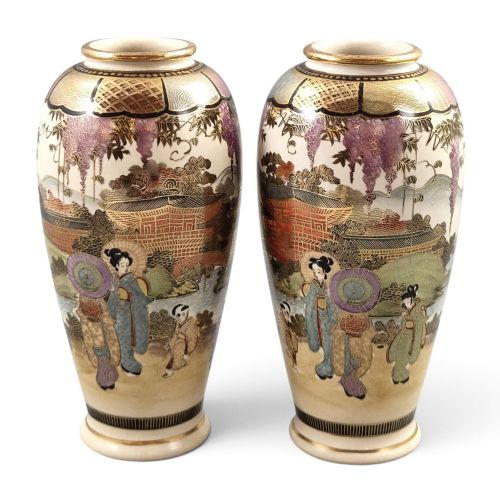
The objects on this page largely stem from the nineteenth and early twentieth centuries, spanning the Meiji and Showa periods. Makers created these pieces in distinct regional styles such as Satsuma, Imari, and Kutani, often intended for export or domestic display.
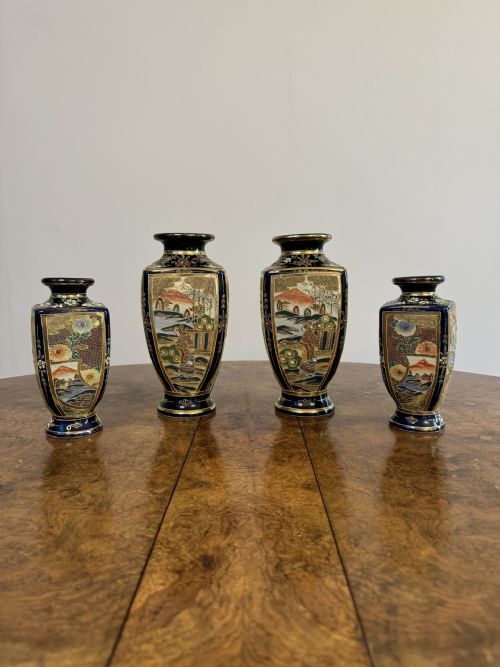
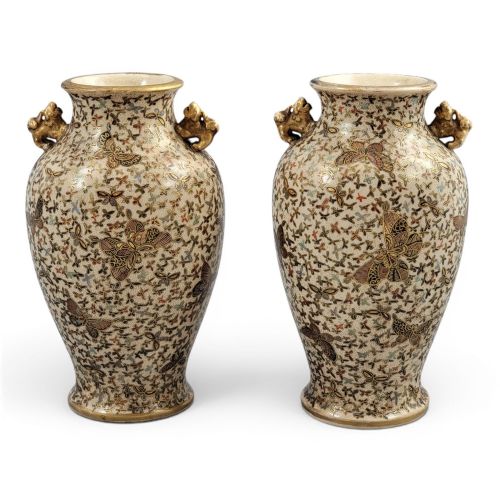
Vessels take many shapes, from hexagonal bodies to globular jars and garniture sets. These items served primarily as decorative display pieces rather than utilitarian containers, reflecting the height of Japanese ceramic artistry during the late Victorian and Edwardian eras.
How They Were Made
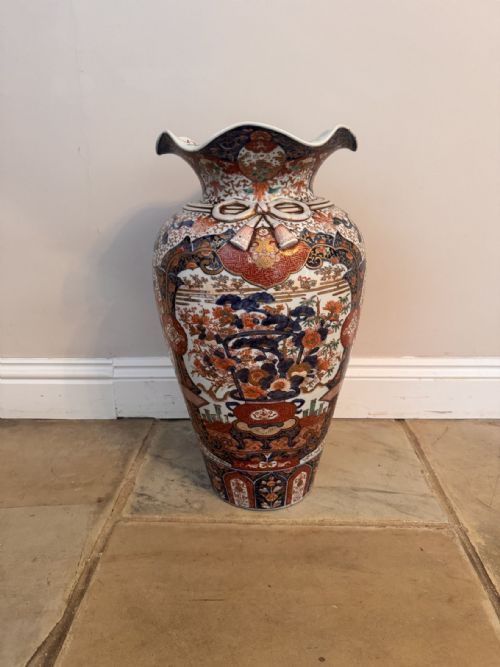
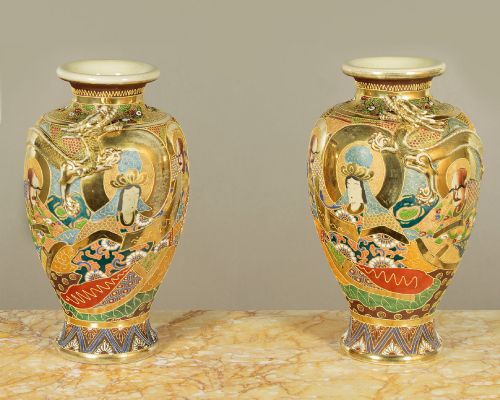
Potters shaped earthenware and porcelain bodies on the wheel or in moulds before applying glazes and underglaze pigments. Artisans utilised the Imari palette or built up raised enamel designs known as moriage to create texture.
Gold leaf and gilt provide the shimmering highlights that define these objects. Painters applied fine gold lines by hand to accentuate court figures, landscapes, flowers, and geometric borders across the ceramic surface.
Listings span the nineteenth and early twentieth centuries, featuring earthenware and porcelain bodies decorated with enamel, glaze, and gold leaf.
What Varies in Quality
Quality rests upon the precision of the hand-painted details and the crispness of the modelled clay. Finer works display meticulous brushwork in depicting facial expressions on figures and intricate feather or floral patterns.
The application of gold leaf distinguishes standard production wares from exhibition pieces. Superior examples utilise rich, heavy gilding that remains intact and crisp, whereas lesser pieces show thinning or rubbing of the gold highlights over the ceramic glaze.
Shozan Satsuma·Manpei Kobe·Kinkōzan Kyoto·Hotoda·Kato Sanhei
The Gilded Japanese Ceramic Urn Glossary
- Satsuma
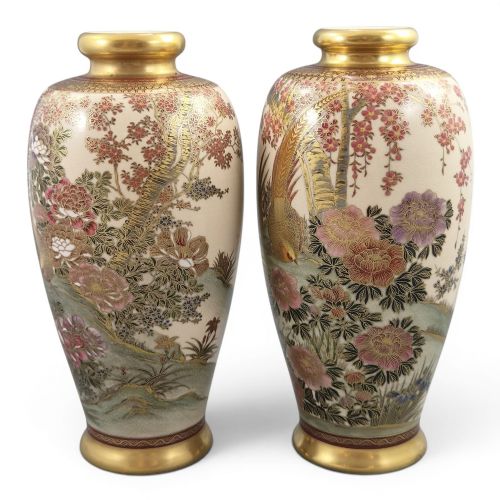
- A type of Japanese earthenware featuring a pale, ivory-coloured crackle glaze. Artisans painted these surfaces extensively with polychrome enamels and gold.
- Imari
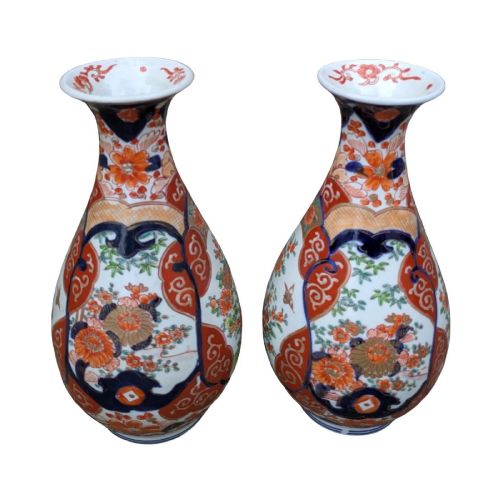
- A traditional style of Japanese porcelain named after the port of export. These pieces typically utilise a palette of cobalt blue, iron red, and abundant gold.
- Kutani
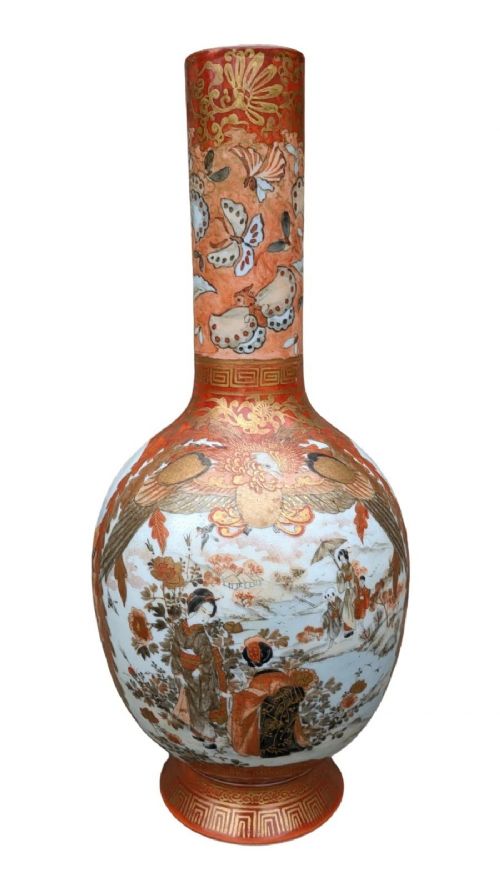
- A style of Japanese coloured porcelain and stoneware originating from Ishikawa prefecture. Known for bold designs and vibrant colour schemes often accented with gold.
- Moriage
- A ceramic technique where slip is piped onto the surface to create raised decorative patterns. This method adds a tactile, three-dimensional quality beneath the glaze and gilding.
- Gilt
- A thin layer of gold applied to the surface of ceramic or wood. In these pieces, gilding highlights specific motifs and frames painted panels.
- Koro
- A traditional Japanese incense burner typically featuring a pierced cover. These tripod or footed vessels often form part of a garniture set.
Gilded Japanese Ceramic Urn: Frequently Asked Questions
What is a satsuma vase?
Satsuma ware is a distinct type of Japanese earthenware characterised by a warm, ivory-coloured glaze covered in fine crackles. Artisans decorated these surfaces with detailed enamel paintings and rich gold highlights.
These pieces were heavily produced during the Meiji period for Western export markets. They often depict traditional court scenes, landscapes, and natural motifs such as butterflies and wisteria.
How do I identify imari porcelain?
Imari porcelain is instantly recognisable by its distinctive colour palette, which traditionally combines underglaze cobalt blue and iron red with abundant gold detailing. The patterns often feature intricate floral and geometric arrangements.
Unlike softer earthenware, Imari pieces use a hard paste porcelain body. This style originated in the Edo period and continued through the nineteenth century with robust export production.
What is moriage decoration?
Moriage is a decorative technique where liquid clay slip is piped onto the ceramic body before firing and glazing. This creates raised, tactile patterns that stand proud of the vessel wall.
Artists frequently applied gold leaf directly over these raised sections to catch the light. This method gives the surface a rich, sculptural quality found on finer nineteenth-century vases.
How should I display these urns?
These ceramic vessels function best as focal points on stable surfaces away from direct sunlight and heavy foot traffic. Because many feature delicate hand-painted enamel and gold leaf, placing them securely on mantelpieces or cabinets protects the surface.
Pairing matching garniture sets symmetrically enhances their visual impact. Avoid using water inside antique earthenware or Satsuma pieces, as the porous body and crackle glaze are not watertight.