


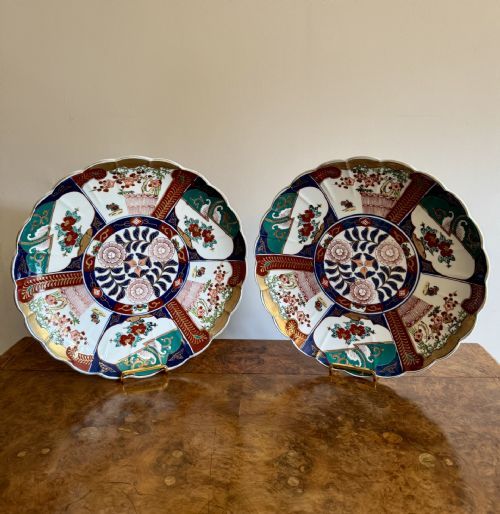


Gilded Japanese Ceramic Plate
A gilded japanese ceramic plate brings rich colour and traditional hand-painted detail to a room, drawing the eye with metallic highlights.
Gilded Japanese Ceramic Plate
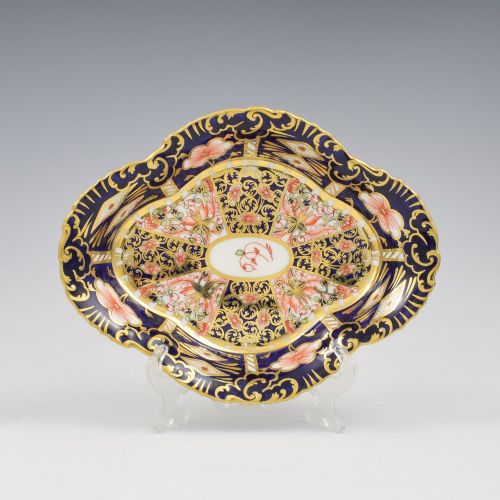
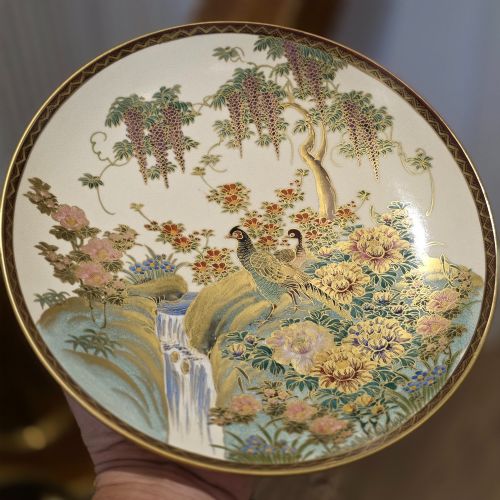
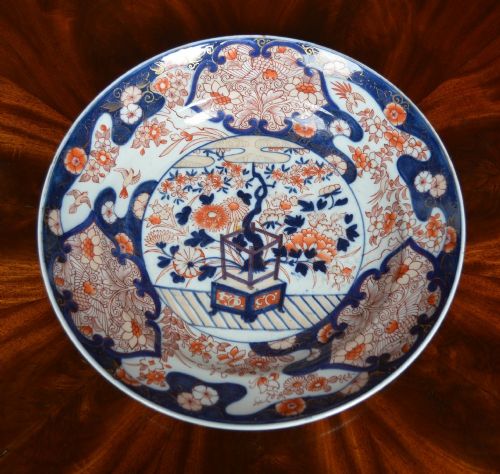
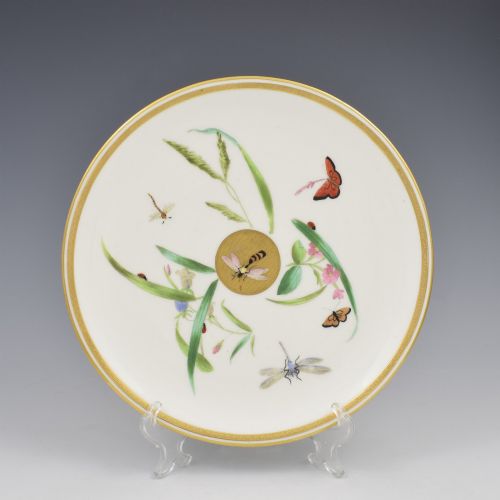
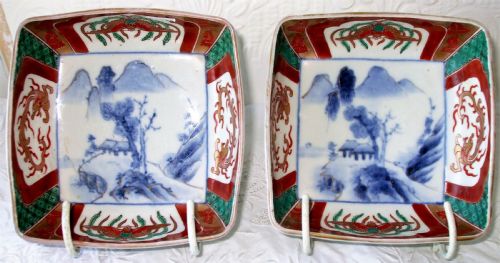
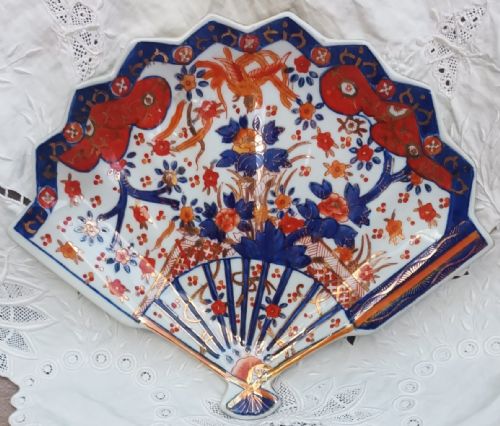
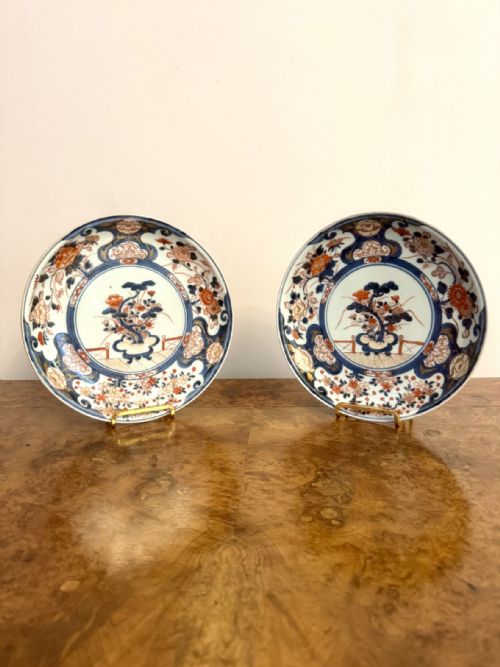
A gilded japanese ceramic plate encompasses decorative dishes, chargers, and cabinet pieces originating primarily from the Meiji period down to the turn of the twentieth century. The selection on this page meets the buyer through traditional formats such as Imari plates, Satsuma dishes, and Kutani wares, alongside British interpretations influenced by the Aesthetic Movement.
Forms range from standard round cabinet plates to scalloped, fan, shell, square, and octagonal shapes, alongside large wall chargers designed for display. These ceramics bridge traditional Eastern artistry and Victorian decorative tastes, offering distinct visual variety in domestic interiors.
What varies in quality
Quality rests upon the precision of the hand-painted brushwork and the complexity of the compositional layout. Finer examples display crisp delineation in the motifs and balanced integration of the gilt work rather than rushed, repetitive stencilling.
The weight, resonance, and integrity of the ceramic body also distinguish standard production items from superior works. Furthermore, the richness and preservation of the enamel colours and gold leaf dictate the visual impact of the piece.
Listings feature traditional Japanese porcelain and earthenware alongside Victorian British interpretations created during the nineteenth-century Aesthetic Movement.
Koshida·Shuzan for Yasuda
The Gilded Japanese Ceramic Plate Glossary
- Imari
- A traditional style of Japanese porcelain featuring a palette dominated by underglaze blue, iron red, and supplementary gold. These wares were heavily exported and imitated in the West.
- Satsuma
- An earthenware ceramic type featuring a crackled creamy glaze decorated with polychrome enamels and extensive gilding. Pieces often depict figures, landscapes, or dense floral patterns.
- Charger
- A large decorative plate intended primarily for display on a wall or sideboard rather than for dining use. They provide a broader canvas for intricate pictorial designs.
- Moriage
- A decorative ceramic technique using piped clay to create raised relief patterns beneath the glaze or enamel. This adds a tactile, three-dimensional quality to the surface.
- Aesthetic Movement
- A late nineteenth-century British cultural movement that championed art for art's sake and drew strong inspiration from Japanese design motifs. Minton porcelain often reflected this cross-cultural exchange.
Gilded Japanese Ceramic Plate: Frequently Asked Questions
How do I display a large charger safely?
Large chargers require sturdy wall mountings designed specifically for heavy ceramic edges to distribute weight evenly without causing stress fractures.
Alternatively, stable plate stands placed inside secure cabinets protect the piece from accidental knocks while keeping the gilded surface visible.
Can I use these plates for dining?
These antique ceramics function best as decorative cabinet pieces or wall displays rather than everyday tableware. Older glazes and delicate overglaze enamel or gold leaf can wear down with frequent food contact and washing.
Gentle dusting with a soft dry cloth preserves the painted surfaces and metallic highlights over time.
What is the difference between Imari and Satsuma?
Imari wares consist of hard porcelain decorated with deep cobalt blue, iron red, and gilt accents, resulting in a crisp finish.
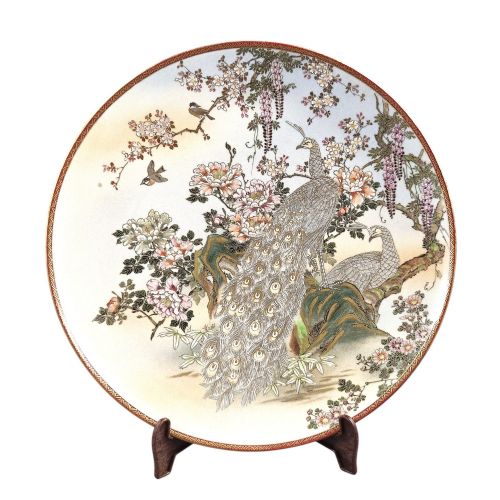
Satsuma wares utilise a finer earthenware body with a distinctive crackled ivory glaze, serving as a base for dense polychrome and raised gold ornamentation.
How do I identify the Meiji period?
The Meiji period spans from 1868 to 1912, a time when Japanese ceramic production flourished for both domestic use and Western export. Pieces from this era often exhibit confident hand-painted motifs combined with elaborate gilding.
Stylistic cues include complex arrangements of peacocks, peonies, and wisteria executed with high technical precision.