

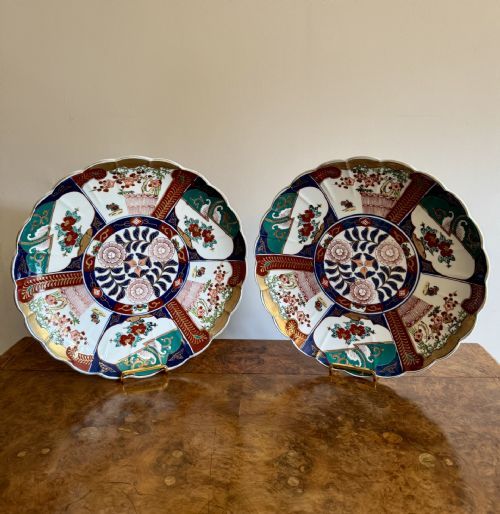

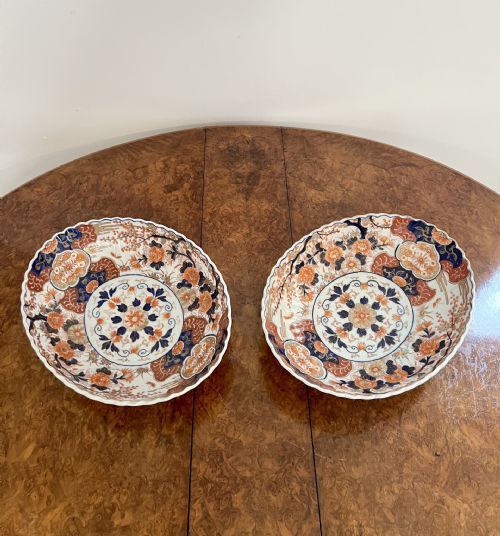


Gilded Imari Ceramic Dishes
Gilded imari ceramic dishes bring vibrant hand-painted colour and metallic detail to a table, combining traditional Japanese and English porcelain traditions across multiple centuries.
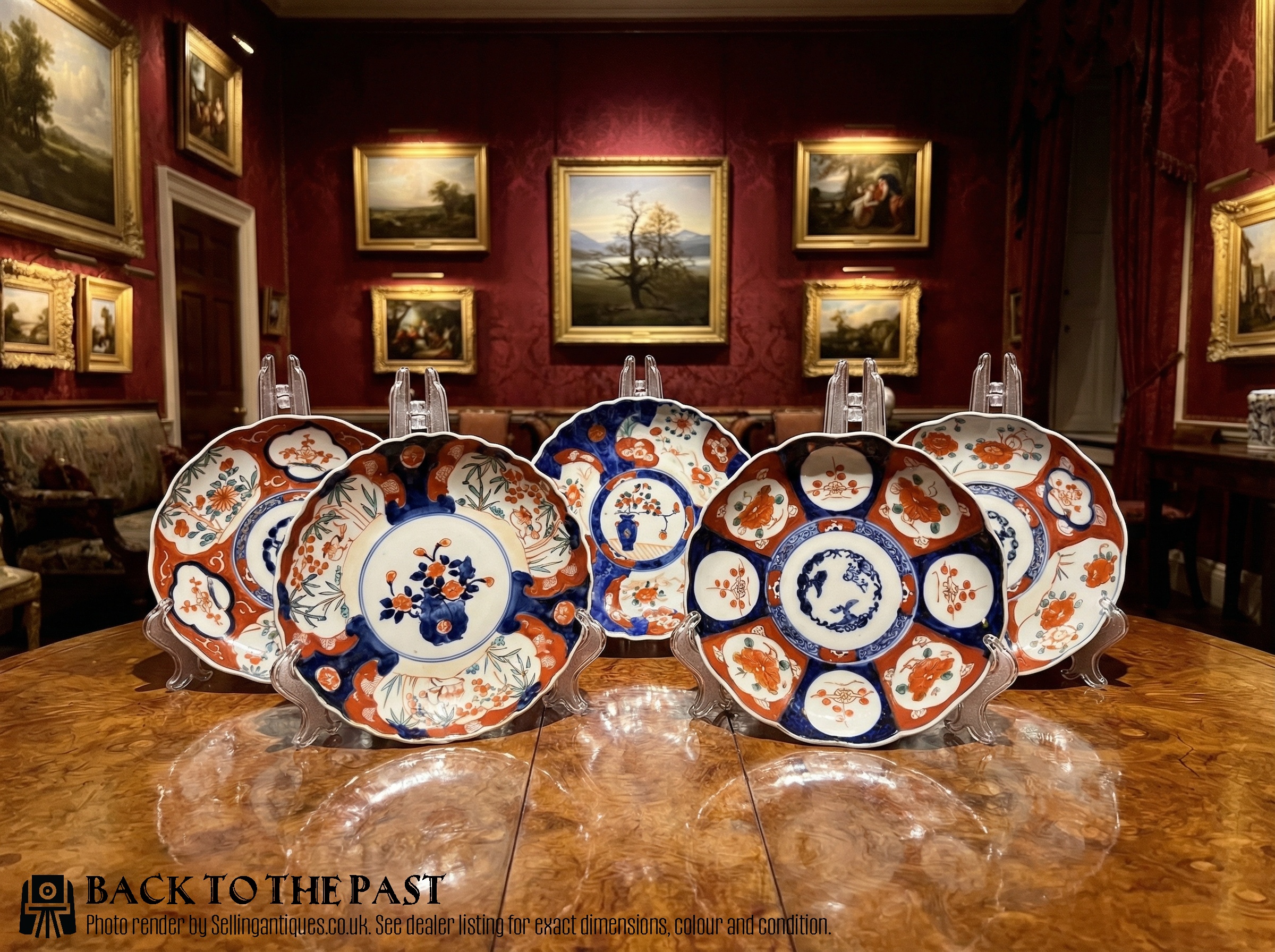
Gilded Imari Ceramic Dishes
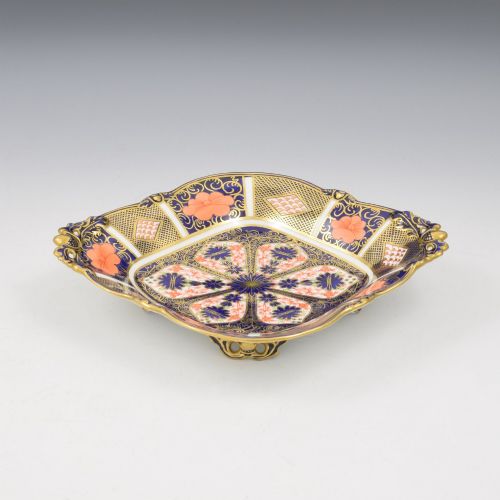
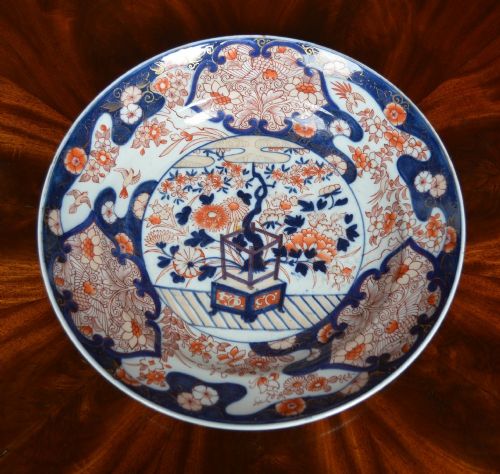
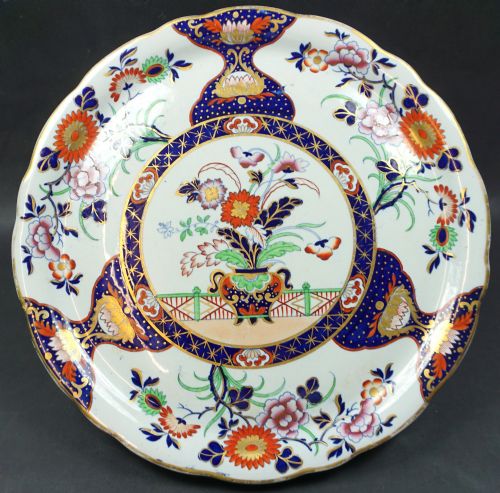
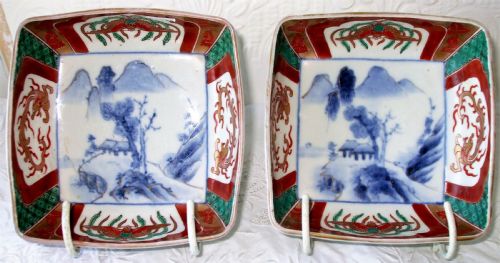
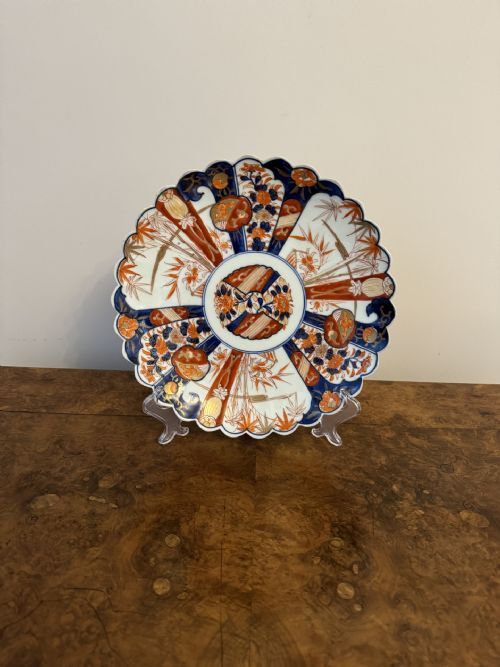
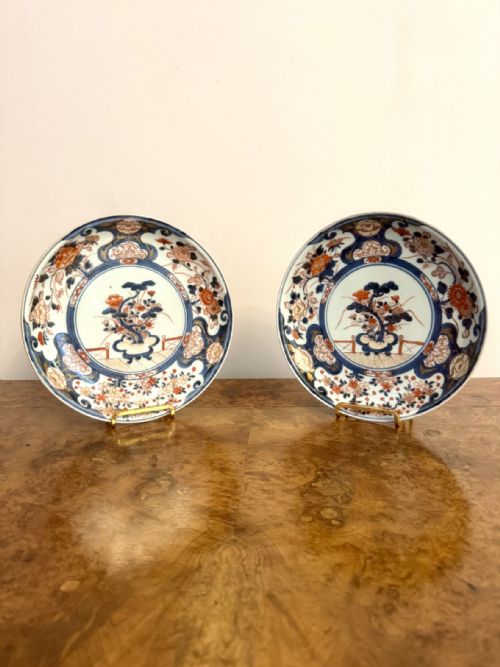
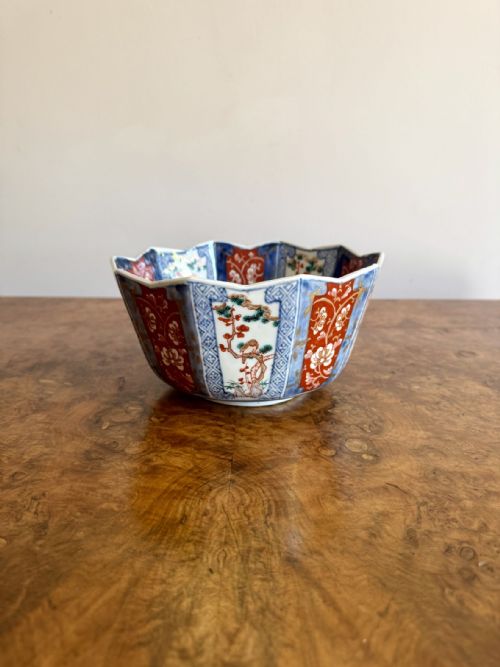
Gilded imari ceramic dishes encompass a diverse range of decorative plates, chargers, bowls, and serving vessels originating from Japanese and English kilns. The selection spans the eighteenth, nineteenth, and early twentieth centuries, capturing shifts in domestic presentation and tableware fashion.
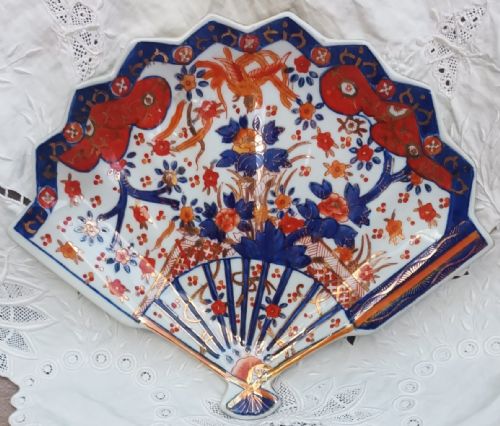
The objects encountered most frequently on this page are Japanese Meiji period chargers and plates alongside English factory pieces from the Georgian and Victorian eras. These items arrive in various forms including scalloped, square, fan-shaped, and octagonal profiles.
Buyers look for these pieces to introduce pattern and historic craftsmanship into contemporary settings, utilising them as decorative wall displays or functional serving dishes.
How they were made
Makers utilised porcelain and ironstone as the primary ceramic bodies, shaping them into plates, bowls, and specialised serving dishes before applying vitreous glazes. The physical structure relies on high-temperature kiln firing to achieve durable vitrified surfaces.
Decoration combines underglaze blue pigments with overglaze enamel colours such as iron red, complemented by gold leaf and gilding to accentuate the painted floral, bird, and compartment designs.
Several plates arrive in unusual shell and fan shapes designed to amuse guests at nineteenth-century dining tables.
What varies in quality
Quality rests upon the precision of the hand-painted brushwork and the complexity of the compositional layout across the ceramic surface. Pieces with crisp detail in the floral and bird motifs demonstrate superior workshop execution.
The preservation of the overglaze enamels and gilding dictates the visual strength of each dish, distinguishing standard domestic wares from exceptional high-period examples.
Royal Crown Derby·Hicks and Meigh·Flight Barr and Barr·Chamberlain Worcester
The Gilded Imari Ceramic Dishes Glossary
- Imari
- A style of ceramic decoration originating in Japan, characterised by a palette of underglaze blue, iron red, and gilt. It heavily influenced subsequent English porcelain production.
- Charger
- A large decorative plate utilised historically for ceremonial presentation or as a base for other courses during formal dining. These items often display the most intricate patterns in a collection.
- Ironstone
- A dense, durable type of earthenware patented in the nineteenth century. It provided a robust alternative to porcelain for heavy-use serving vessels and tureens.
- Meiji Period
- The era in Japanese history spanning from eighteen sixty-eight to nineteen twelve. Ceramics from this time often exhibit refined hand-painted pictorial designs.
- Tureen
- A deep covered bowl designed for serving soups, sauces, or stews at the dining table. They frequently appeared in matched pairs with ladles during the nineteenth century.
Gilded Imari Ceramic Dishes: Frequently Asked Questions
How do I clean antique imari dishes?
Wash these ceramic pieces gently by hand using lukewarm water and mild soap. Avoid soaking them or using abrasive scrubbers that might damage the historical gilding and enamel.
Dry them immediately with a soft cloth to protect the glaze and metallic surfaces from moisture damage over time.
Can I use these dishes for serving food?
Many of these plates and bowls were designed for domestic dining and function adequately for dry foods. However, age, historic glaze wear, and delicate overglaze gilding mean cautious handling is required.
Reserve them for light service or display purposes to preserve the painted enamel details from modern dishwasher detergents and sharp cutlery.
How do I hang a charger on the wall?
Utilise a coated wire plate hanger that grips the rim securely without applying undue pressure to the ceramic body. Ensure the wall fixing is anchored firmly to support the weight of larger porcelain chargers.
Check the tension of the springs periodically to maintain a secure hold on scalloped or octagonal edges.
How do I tell Japanese imari from English imari?
Examine the paste and the base of the ceramic object for distinct manufacturing characteristics. Japanese pieces from the Meiji period often utilise finer porcelain bodies and specific foot ring styles.
English factories such as Royal Crown Derby adapted the aesthetic onto bone china and ironstone, incorporating local pattern numbers like the famous number eleven twenty-eight.