


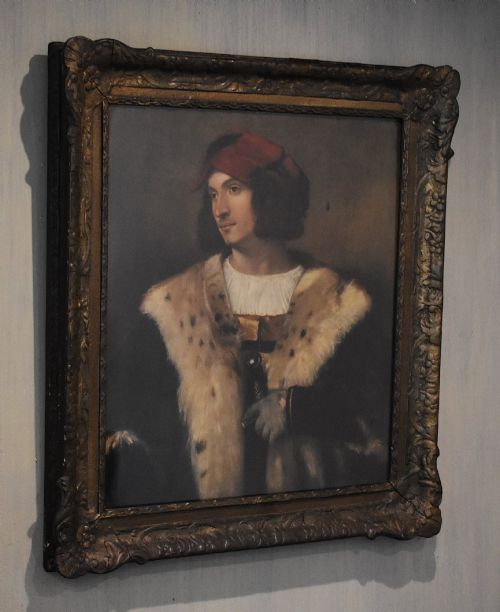

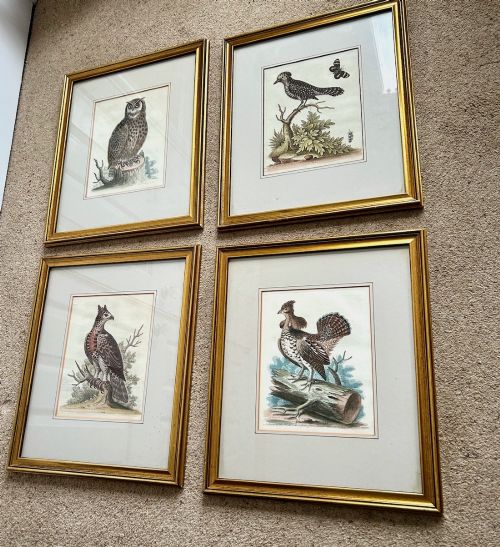


Gilded Frame Wall Decor
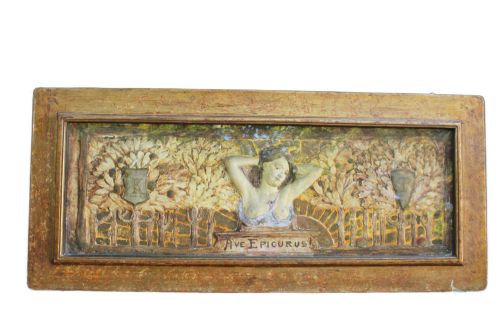
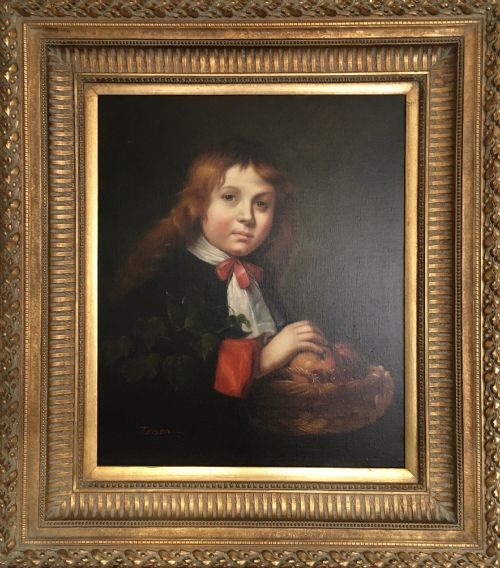
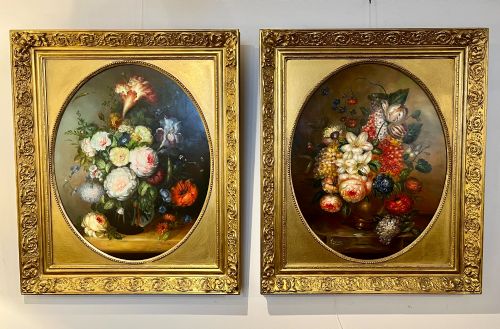
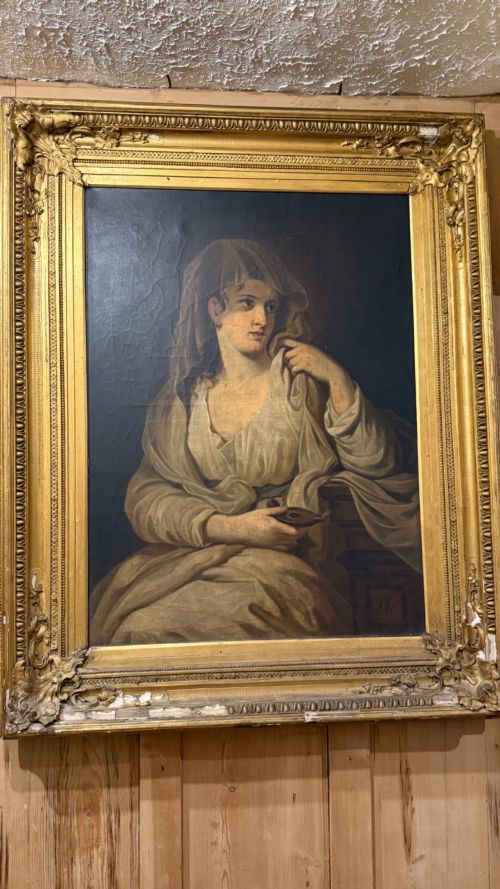
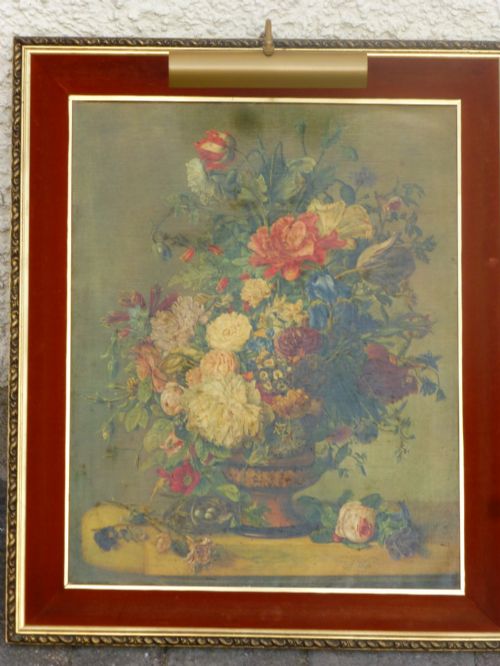
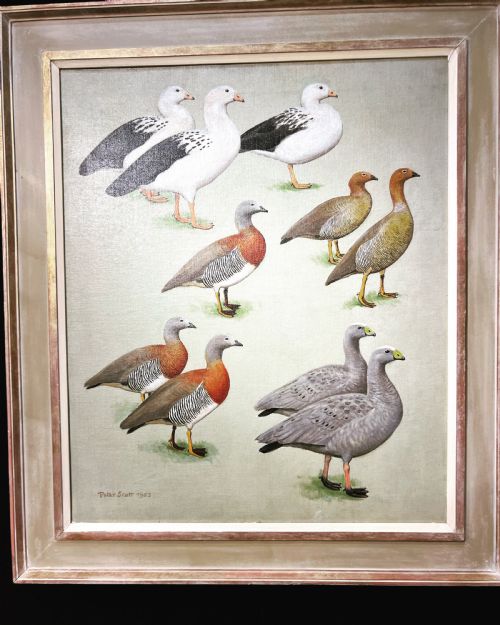
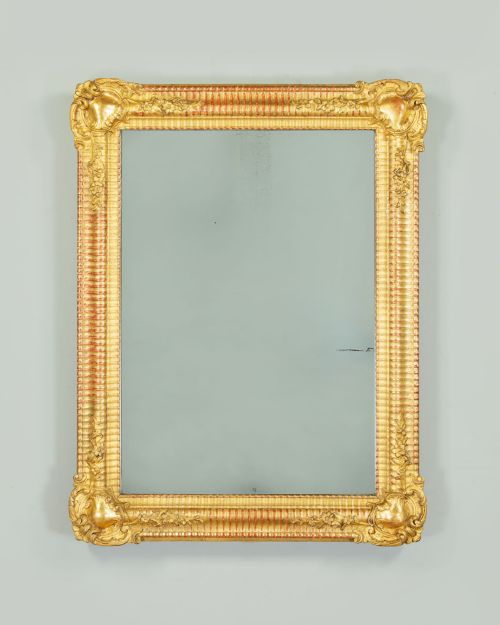
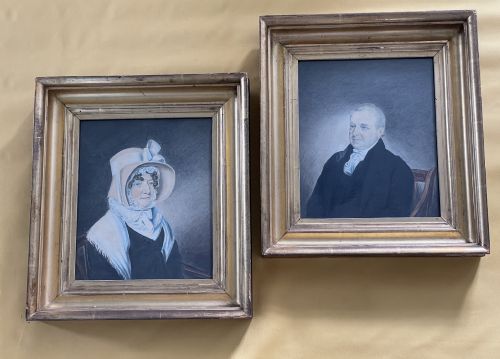
When you search for gilded frame wall decor, you uncover a rich assortment of antique paintings, prints, and mirrors encased in gold leaf and gesso.
Gilded Frame Wall Decor
Gilded frame wall decor encompasses pieces designed to hang on interior walls, primarily historic oil paintings, watercolours, prints, and mirrors housed in ornate or restrained gold-finished surrounds. The objects recorded here stretch from the eighteenth century through the Victorian era into mid-century works, reflecting diverse aesthetic movements.
Oil paintings on canvas or panel dominate the selection, alongside framed mirrors, engravings, watercolours, and mixed media works. Frames themselves carry substantial weight in the design, utilising gesso, giltwood, and gold leaf to accent portraits, landscapes, and still lifes.
Buyers meet works spanning Renaissance Revival, French Empire, Arts and Crafts, and Art Nouveau styles. These objects serve as focal points in domestic interiors, preserving centuries of craftsmanship in both the artwork and its housing.
Materials and Construction
Makers constructed these items using timber as a base for both the artwork stretchers and the heavy wooden frames. Gesso, a mixture of plaster of Paris or chalk with glue, was applied to wooden mouldings to build up ornate relief ornament before the application of gold leaf.
Artistic media varied widely, spanning oil on canvas, oil on panel, watercolour, gouache, glass, and paper. Reverse glass mezzotints, engravings, and embroidered tapestries also appear, demonstrating the diverse techniques employed to create wall art across the centuries.
Listings feature oil paintings, watercolours, and mirrors utilising gesso, gold leaf, and glass across the eighteenth, nineteenth, and twentieth centuries.
Assessing Quality in Gilded Pieces
Quality rests upon the crispness of the gesso mouldings and the genuine application of gold leaf rather than modern metallic paint. Hand-carved wooden frames display an intricacy and depth that mechanical or later cast replacements lack.
The integrity of the underlying artwork, whether an oil painting or a watercolour, dictates overall value. Finer pieces demonstrate superior draughtsmanship, preserved pigment stability, and original matching components where the artwork and frame were conceived as a single entity.
Sebastiaan Vrancx·Thomas Beach·Icilio Federico Joni·George Edwards·John Frederick Herring Jnr·Robert Thorne Waite·Rembrandt van Rijn·Vincent Clare·Henry H Parker·Sir David Murray·Edgar Hunt
The Gilded Frame Wall Decor Glossary
- Giltwood
- Wood that has been coated with gold leaf or gold powder. This material forms the structural base for many decorative antique frames.
- Gesso
- A paint mixture consisting of a binder mixed with chalk, gypsum, or pigment. It is applied to wooden frame foundations to create raised decorative reliefs.
- Mezzotint
- A printmaking process of the printmaker's art that achieves tonal variation through roughing the plate with a rocker. Eighteenth-century examples often appear under glass.
- Eglomise
- A technique of applying a design and gold or silver leaf to the rear face of glass. This creates a mirrored, reflective finish used in decorative panels and prints.
- Overmantle
- A large mirror or painting designed to be hung specifically above a fireplace mantelpiece. These pieces frequently feature expansive gilt frames.
Gilded Frame Wall Decor: Frequently Asked Questions
How do I hang a heavy gilded frame?
Heavy frames require secure wall anchors and picture wire rated well above the weight of the piece. Fasten directly into wall studs where possible to support the substantial timber and gesso construction.
Ensure the hanging hardware on the back of the frame is firmly attached to the wooden structure rather than loose backing boards.
Are these frames original to the paintings?
Many historic paintings retain their period frames, which evolved alongside the artwork to complement its style. However, paintings and frames were frequently paired separately over the centuries.
Examining the fit, rabbet, and wear patterns helps determine whether a frame has housed a particular canvas for generations.
How do I identify Victorian gilt frames?
Victorian frames often utilise heavier moulded gesso over softwood bases, displaying deep relief ornamentation influenced by Renaissance Revival or Neoclassical tastes. The gold leaf on these pieces tends to show a warm, crackled patina from age.
Maker marks or stamps hidden on the reverse wooden stretcher can occasionally confirm the production period and workshop.