


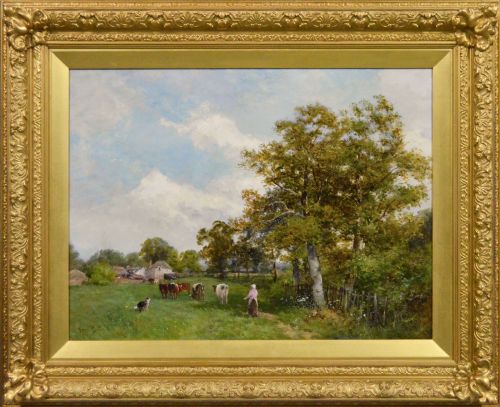

Gilded Frame Oil Landscape
When you search for gilded frame oil landscape, you step into centuries of painted scenery preserved in gold leaf and carved wood.
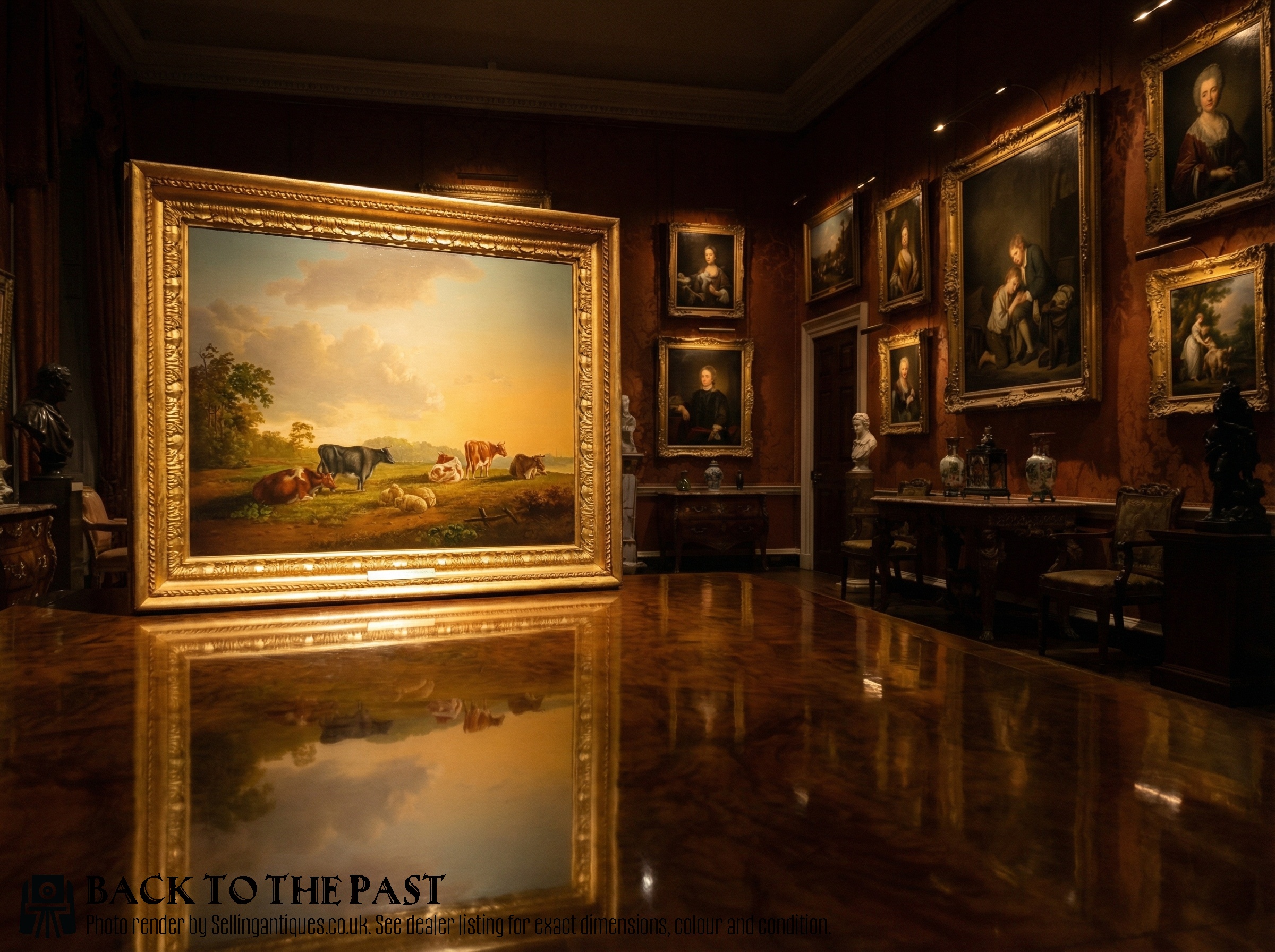
Gilded Frame Oil Landscape
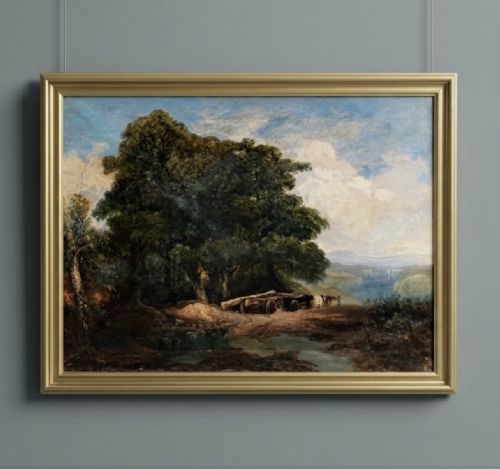
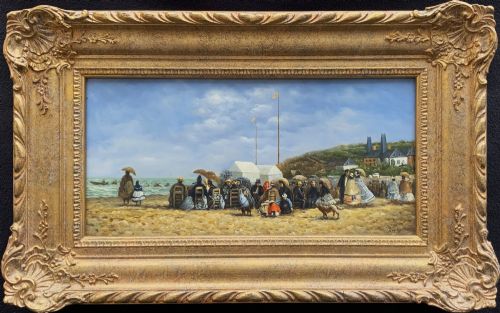
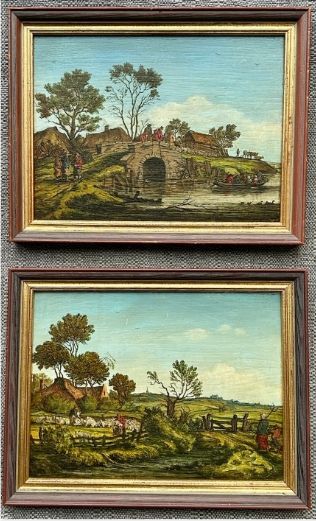
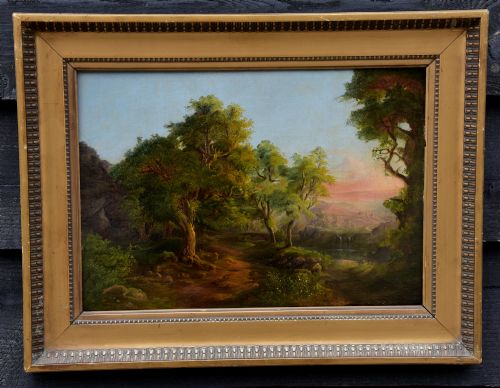
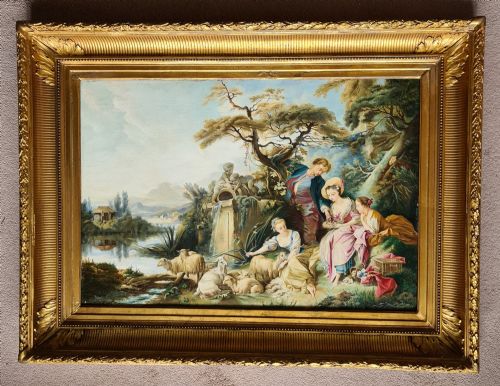
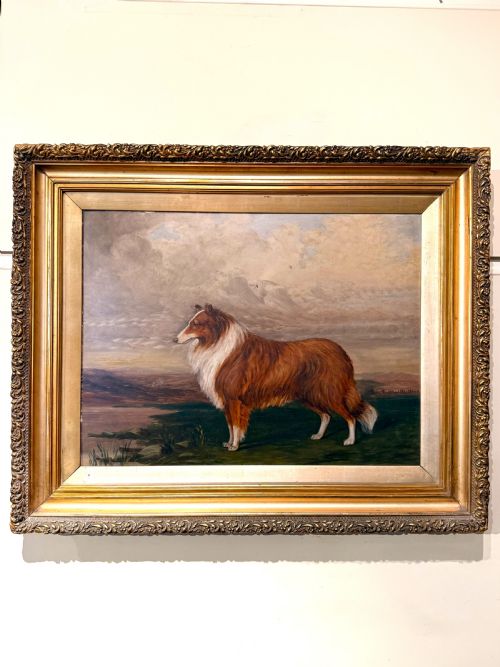
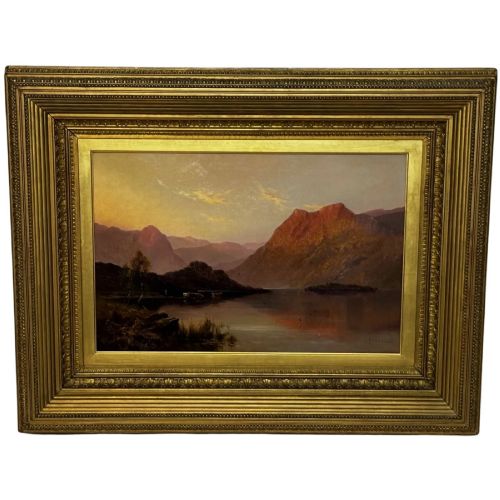
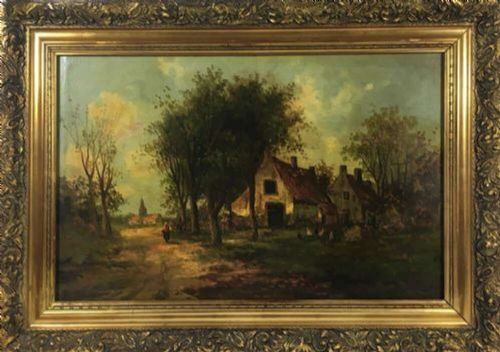
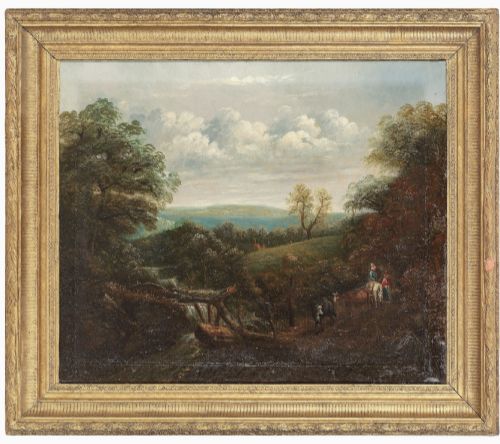
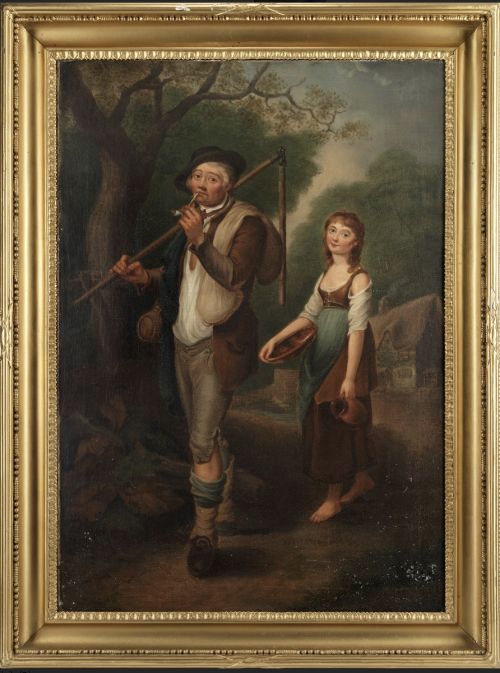
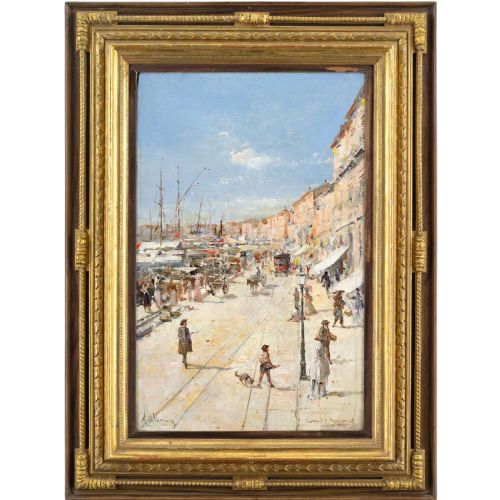
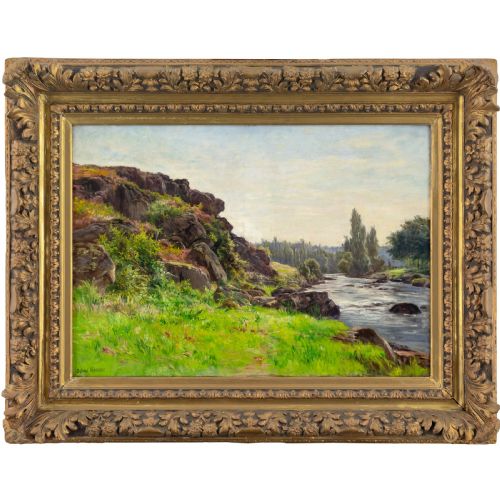
A gilded frame oil landscape brings together painted vistas of fields, rivers, and coastlines housed within ornate metallic surrounds. These works capture pastoral scenes, grand canals, and woodland views rendered in oil paint upon canvas, board, or wood panels. The majority belong to the nineteenth century, ranging from intimate pastoral sketches to expansive romantic and impressionist compositions.
Buyers encounter British, French, and Italian scenes created by named artists and regional schools operating across the eighteenth, nineteenth, and twentieth centuries. The framing typically utilises gold leaf applied over gesso and wood, complementing the warm tones of the pigment within. These pieces function as historical windows into rural and urban topography, preserved through generations of collectors.
Materials and Techniques
The physical construction of these works relies upon oil paint laid onto prepared canvas, wooden panels, or card surfaces. Artists built depth through layered brushwork, capturing light on water, foliage, and architectural facades. Support materials range from heavy woven canvas stretched over wooden frames to sturdy nineteenth-century board and milk glass panels.
Surrounding the artwork, the frames combine carved wood and moulded gesso coated in gold leaf. Craftsmen built these borders with deep cavettos and ornamented corners, sometimes employing swept designs to catch ambient room light. The gilding process involved laying thin sheets of metal leaf over a prepared adhesive base, sealing the wooden substructure against moisture and decay.
Listings feature works spanning the eighteenth, nineteenth, and twentieth centuries, utilising oil on canvas, wood, and card.
Judging Quality
Quality in a gilded frame oil landscape rests upon the surety of the brushwork and the depth of the composition. Master hands convey atmosphere and light with economy, whereas lesser examples rely on formulaic repetition of trees and skies. The articulation of distant hills, moving water, and atmospheric haze separates proficient studio output from accomplished fine art.
The integrity of the frame matters equally to the canvas it holds. Hand-carved mouldings with crisp gesso enrichment and intact gold leaf carry greater presence than flat, mechanically stamped replacements. Original combinations where the painting and its gilded surround have aged together possess a distinct coherence valued by collectors.
Richard Sebastian Bond·Clifford Hanney·Alfred Fontville de Breanski·Jacob Philipp Hackert·David Bates·Robert Watson·William Watson Jnr
The Gilded Frame Oil Landscape Glossary
- Giltwood
- Wood that has been coated with thin sheets of gold leaf over a prepared gesso layer. This finish provides a luminous, durable surface that reflects candlelight and daylight alike.
- Gesso
- A plaster-like mixture applied to wood frames to create a smooth surface for subsequent gilding. Craftsmen carved intricate patterns directly into this hardened compound before applying gold leaf.
- Oil on Canvas
- Pigments mixed with a drying oil, usually linseed, applied to a stretched woven fabric support. This technique allowed artists to blend tones smoothly and achieve rich textural variations.
- Wood Panel
- A rigid support constructed from timber boards used by artists before stretched canvas became dominant. Panels provide a stable, smooth ground that prevents the cracking often found on aged fabrics.
Gilded Frame Oil Landscape: Frequently Asked Questions
How do I clean a gilded frame?
Dust the gilded wooden surface gently with a soft, dry brush to remove particulate matter without disturbing the leaf. Avoid liquid cleaners, water, or chemical solvents, which can strip the delicate metallic finish.
Consult a professional restorer if the gesso shows signs of flaking or if the gold leaf has lifted from the wooden base.
Where should I hang these paintings?
Position your landscape away from direct sunlight and excessive heat sources such as radiators to protect both the oil pigments and the wooden stretcher bars. Stable indoor humidity prevents the canvas from slackening and stops the gesso frame from cracking.
Select a wall with good ambient light to make the reflective gold leaf work with the room's natural illumination.
How do I date an oil painting?
Examine the stretcher frames, nails, and the preparation of the canvas or board for clues regarding the period of manufacture. Handwritten notes on the reverse, artist signatures, and framing styles often point to a specific decade.
Compare the subject matter and painting technique against documented works by regional schools or named artists from the eighteenth, nineteenth, and twentieth centuries.
What is the Barbizon School?
The Barbizon School refers to a collective of French landscape painters active during the mid-nineteenth century who favored painting outdoors. They focused on naturalistic representations of forests, farmyards, and rural vistas.
Their direct observation of light and weather paved the way for later impressionist movements across Europe.