


Gilded China Vase
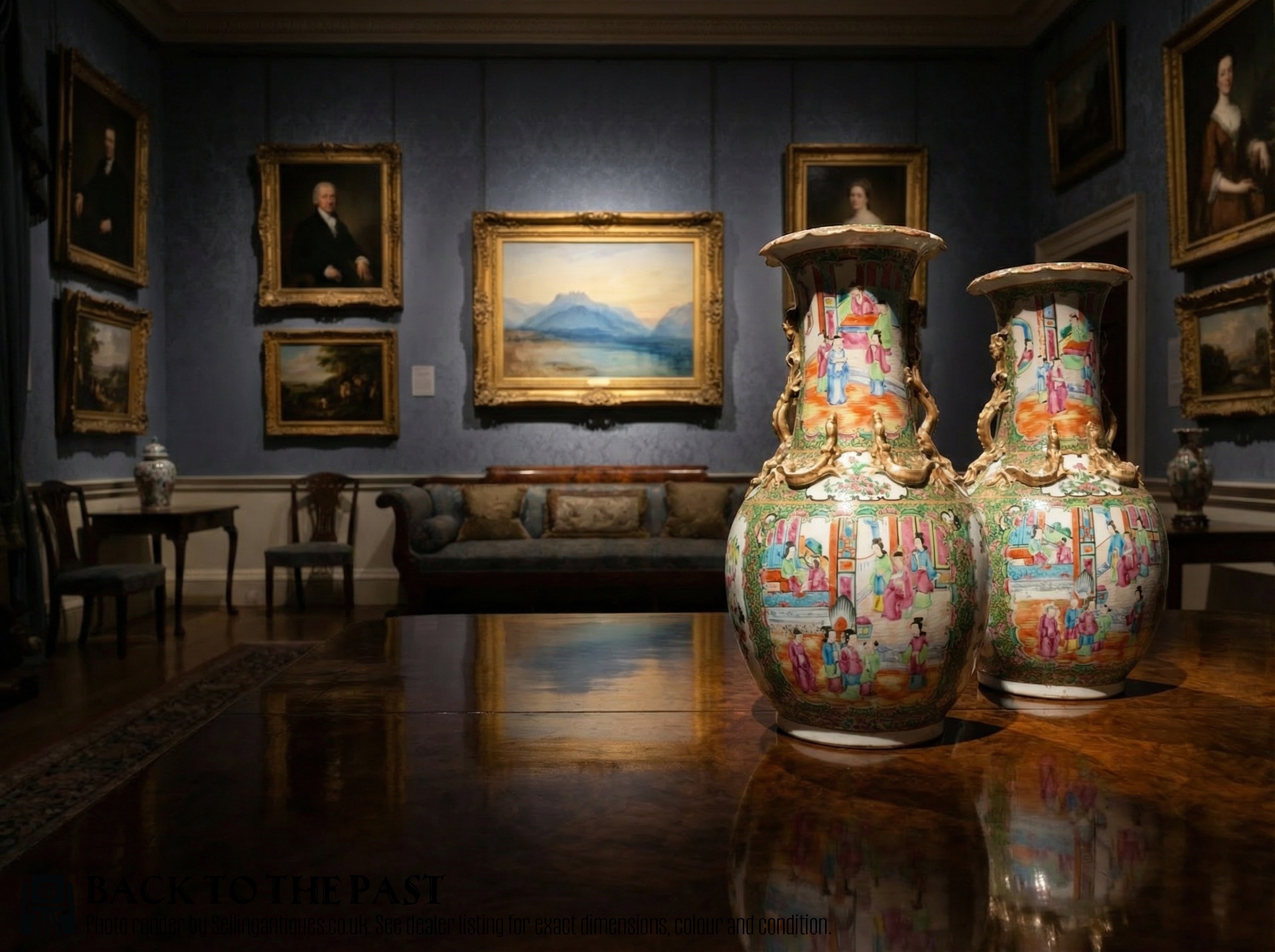
A gilded china vase brings rich hand-painted detail and metallic lustre to a room, drawing the eye instantly to its decorative form.
Gilded China Vase
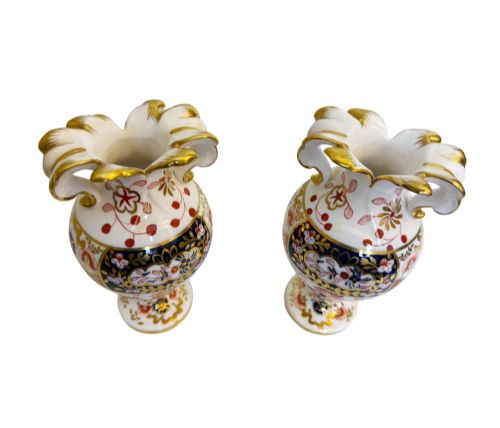
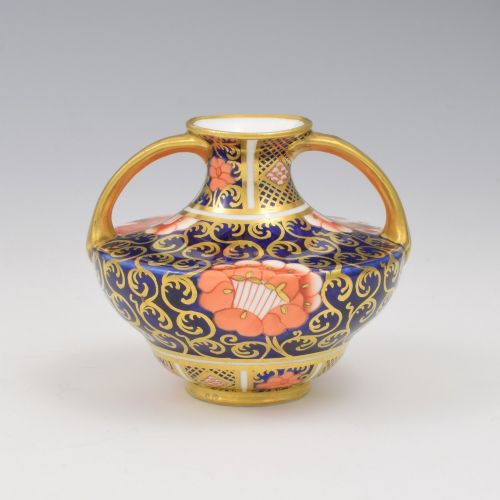
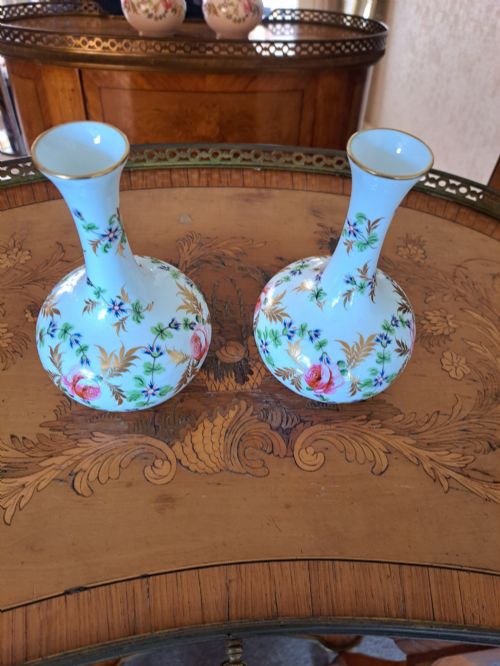
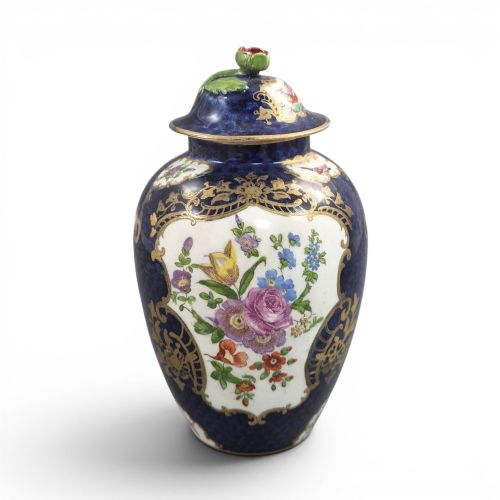
When you search for a gilded china vase, you encounter a variety of ceramic forms, from slender bud vases and ginger jars to twin-handled urns and spill vases. The pieces span from the late eighteenth century through the Victorian and Edwardian eras into the mid-twentieth century.
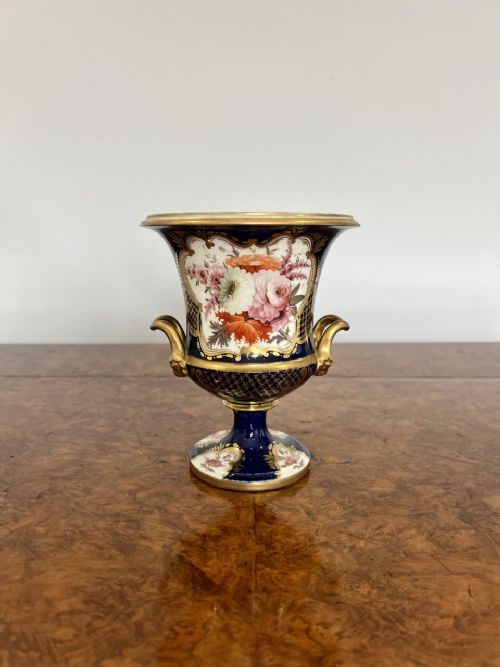
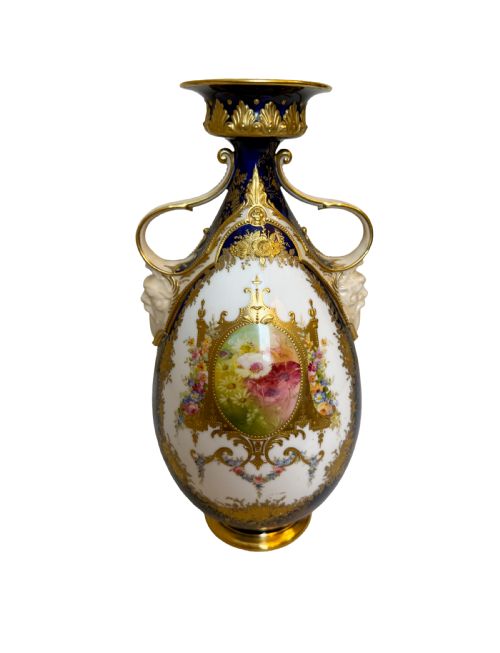
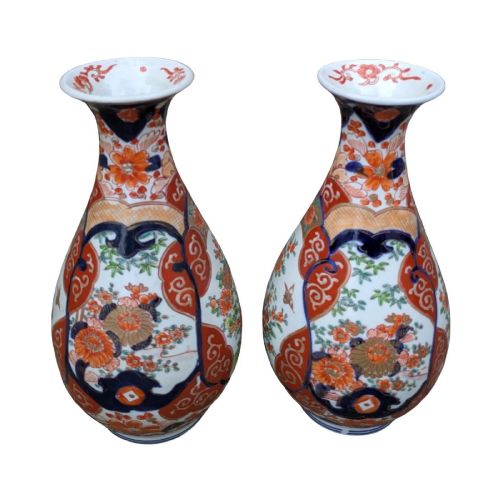
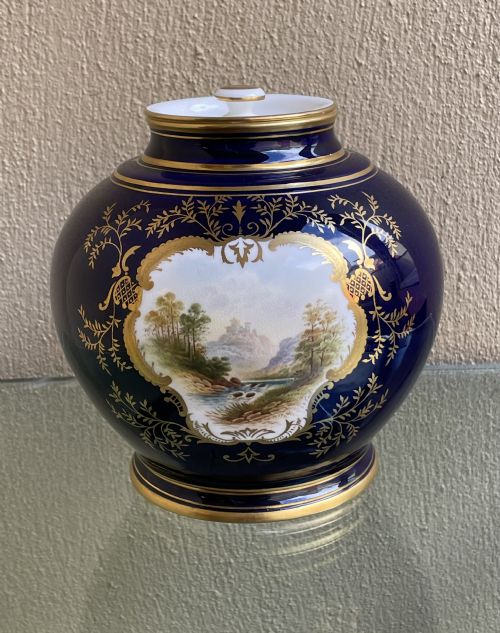
The version you are most likely to meet on this page is a porcelain or bone china vessel adorned with intricate hand-painted scenes, floral motifs, or Japanese-inspired Imari patterns, finished with gold leaf or gilding.
How they were made
Makers utilised fine porcelain, bone china, and ironstone as the primary bases, shaping them into ovoid bodies, pots, and urns before firing. Artisans then applied enamel colours and hand-painted details, often depicting fruit, birds, cattle, or abstract motifs.
The metallic finish was achieved using gold leaf, gilt, or standard gilding techniques, which were carefully applied to handles, rims, and borders to accentuate the contours of the ceramic body.
Materials recorded on this page include gold leaf, gilt, enamel, and ironstone, applied across diverse object types from ginger jars to tea services.
What varies in quality
The distinction between tiers rests upon the skill of the hand-painting and the prestige of the maker's studio. Pieces decorated by named artists command greater attention due to the precision and artistry of the brushwork.
Additionally, the crispness of the porcelain moulding, the complexity of the polychrome enamel palette, and the richness of the gold leaf application determine the overall refinement of the piece.
Spode·Royal Crown Derby·Royal Doulton·Coalport·Royal Worcester·Mason's Ironstone·Wedgwood
The Gilded China Vase Glossary
- Imari
- A style of Japanese porcelain decoration featuring rich iron-red, cobalt blue, and gold, which heavily influenced European potteries.
- Gilding
- The application of gold leaf or gilt powder onto the surface of ceramic objects to create metallic highlights.
- Bone china
- A type of soft-paste porcelain containing bone ash, known for high strength, chip resistance, and a milky white appearance.
- Spill vase
- A tall, narrow vessel traditionally used to hold wooden spills for lighting fires or candles before the advent of matches.
- Pot pourri
- A decorative jar or vase pierced with holes in the cover, designed to hold and diffuse dried scented plant material.
Gilded China Vase: Frequently Asked Questions
How should I clean a gilded vase?
Dust the surface gently with a soft, dry brush to remove particles without disturbing the delicate gold leaf or enamel paint.
Avoid using water, abrasive cloths, or chemical cleaning agents, as these can wear away the historic gilding over time.
Where should I display these vases?
Place them on stable mantelpieces, sideboards, or cabinets where natural light catches the metallic gold leaf and vibrant enamel colours.
Keep them away from direct sunlight and areas prone to heavy vibrations to protect the fragile ceramic body.
How can I tell the period?
Examine the base for maker's marks, registration numbers, and painted artist signatures which help date the piece to specific decades.
Style indicators, such as Victorian floral patterns or mid-century painted fruit motifs, also provide clues to the era of manufacture.
Were these vases meant for flowers?
Many forms, such as spill vases and bud containers, were designed specifically to hold fresh stems or taper spills in domestic interiors.
Larger covered vessels and decorative jars served primarily as ornamental mantelpiece displays rather than functional water holders.