
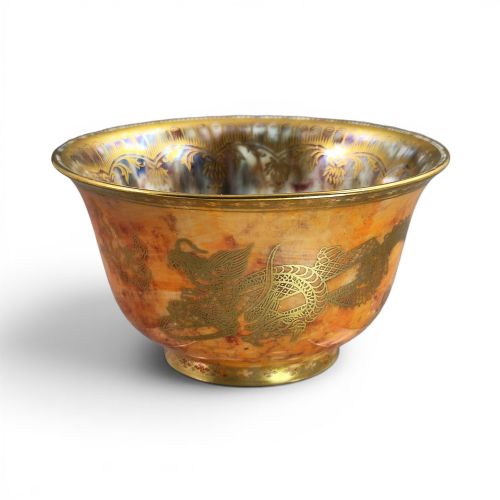


Art Nouveau Lustreware
Art nouveau lustreware brings iridescent metallic sheens and organic forms into focus, offering vibrant decorative impact through glazed ceramic surfaces.
Art Nouveau Lustreware
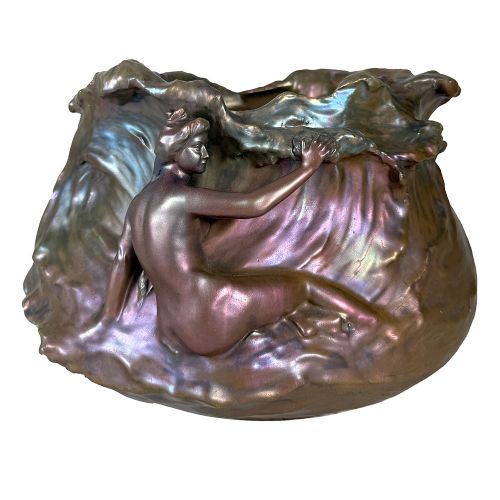
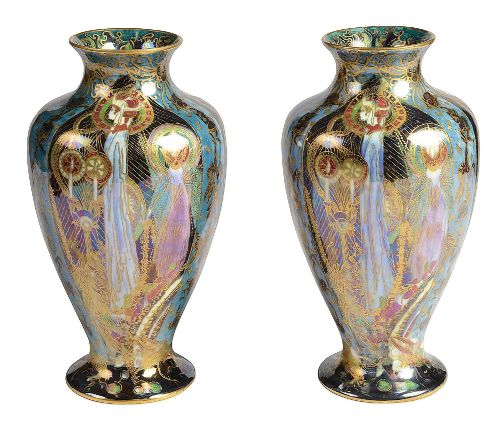
Art nouveau lustreware comprises decorative items finished with metallic glaze effects that create shifting rainbow colours across the surface. These pieces emerge primarily from periods spanning the Victorian era through the nineteen twenties, with Edwardian examples appearing frequently.
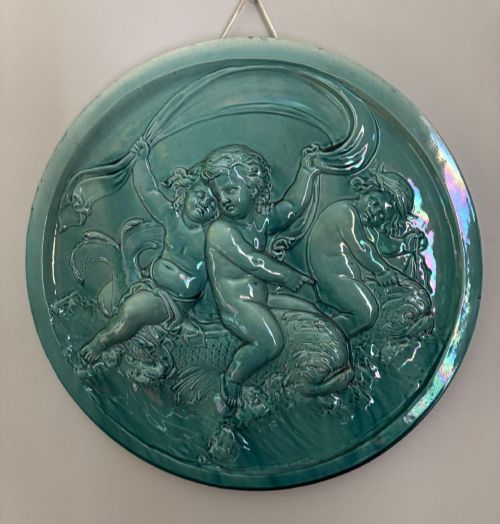
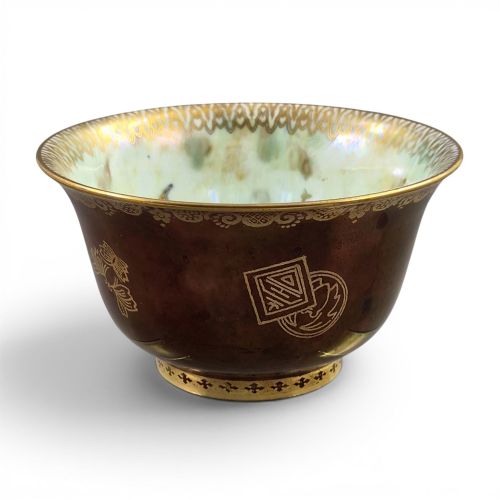
Buyers encounter forms such as decorative bowls, baluster vases, wall plaques, jugs, and mugs. British production sits alongside Hungarian and French work, showcasing diverse regional interpretations of the style.
Materials and production methods
Potters utilise earthenware, porcelain, and bone china as the ceramic base for these items. Artisans apply specialised lustre glaze containing metallic oxides, which reacts during firing to produce iridescent sheens.
Finishing touches often involve gold leaf and gilding applied over the glazed surface to accentuate intricate patterns. Kiln conditions determine the final depth and shimmer of the metallic effect.
Materials documented across the inventory include bone china, porcelain, earthenware, and gold leaf gilding.
Assessing quality in lustre ceramics
The intensity and complexity of the iridescent sheen separate standard examples from superior pieces. Multi-layered metallic effects and intricate hand-painted designs demand greater technical skill from the potter.
Clarity of the glaze application and precision in the underlying ceramic form dictate overall refinement. Pieces retaining crisp gilding and unblemished lustre surfaces represent the upper tier.
Daisy Makeig Jones·Zsolnay Pecs·Clement Messier·James Hodgkiss·Shelley
The Art Nouveau Lustreware Glossary
- Lustre Glaze
- A type of ceramic glaze containing metallic salts that produce an iridescent, metallic sheen upon firing. This finish creates the signature rainbow effect seen on the surface.
- Bone China
- A type of porcelain containing bone ash, known for its high strength, chip resistance, and translucent white body. It provides a smooth base for detailed painting.
- Earthenware
- Porous pottery fired at lower temperatures than stoneware or porcelain, requiring a glaze to become impermeable. It forms the structure for many traditional ceramic vessels.
- Baluster Vase
- A tall vase with a rounded body and a narrow neck, resembling an architectural baluster. This shape supports expansive surface decoration.
- Gilding
- The application of gold leaf or gold powder to a surface for decorative effect. It highlights specific design elements against the glazed background.
Art Nouveau Lustreware: Frequently Asked Questions
How do I care for lustreware?
Clean these ceramic pieces gently using a soft, dry cloth to remove dust. Avoid chemical cleaners and water immersion to protect the delicate metallic glaze and gilding.
Display items away from direct sunlight to prevent fading of the iridescent pigments over time. Handle pieces carefully by the body rather than delicate rims or handles.
Are these pieces dated accurately?
Most items trace their production to the Edwardian period or the nineteen tens and twenties. Makers often stamped factory marks and pattern numbers on the base to record the series.
Matching these stamps with documented design records helps establish the approximate year of manufacture. Variations in glaze formulas also offer clues to the active production era.
What designs appear on these pieces?
Motifs frequently incorporate fantastical themes, natural creatures such as butterflies and goldfish, and mythical dragons. Abstract patterns and geometric borders also frame the central imagery.
Artists utilised these subjects to complement the flowing, organic lines characteristic of the period style. The reflective glaze enhances the movement within each painted scene.
Where were these ceramics made?
Production centres include British potteries alongside continental European workshops in France and Hungary. Each region developed distinct forms, from octagonal bowls to large wall plaques.
Local access to specific clays and glaze recipes influenced the regional characteristics of the finished items. Maker marks on the underside confirm the origin of individual pieces.