

Gilded Ceramic Porcelain Dish
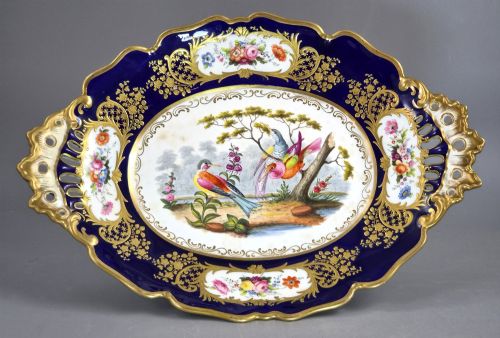
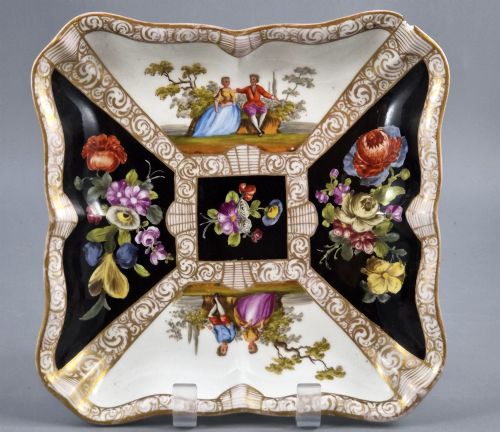
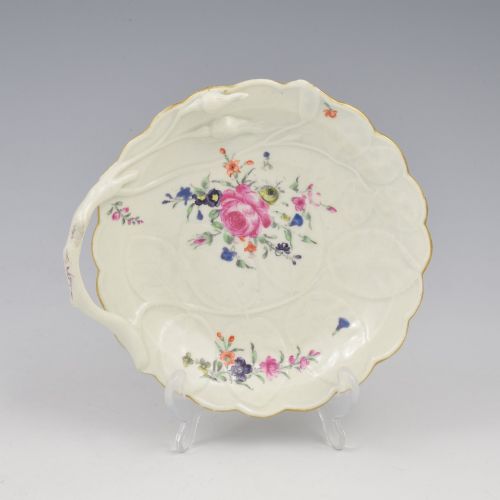
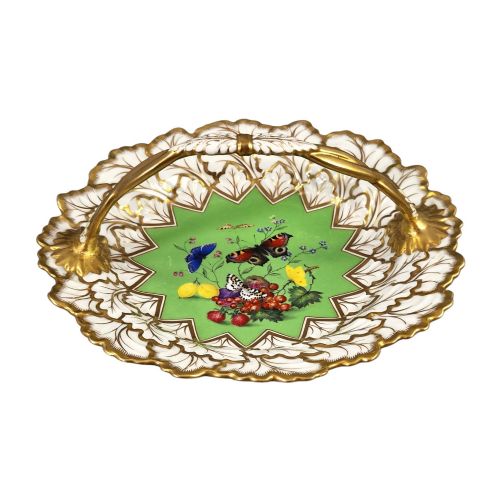
These gilded ceramic porcelain dish selections bring together centuries of painted porcelain, bone china and earthenware detailed with gold leaf and gilt.
Gilded Ceramic Porcelain Dish
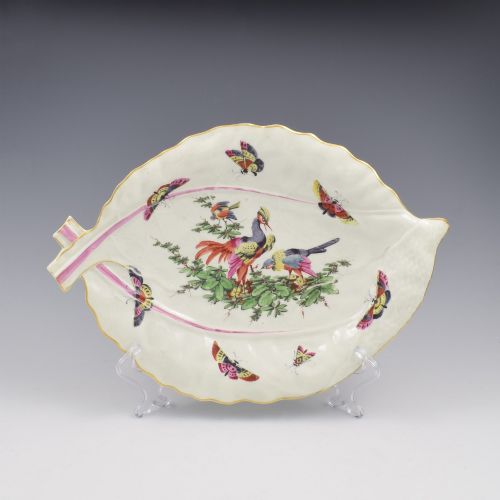
A gilded ceramic porcelain dish encompasses utilitarian and decorative tableware, ranging from eighteenth-century English leaf dishes to nineteenth-century continental cabinet plates and Japanese Imari chargers. Buyers searching this phrase look for ceramics decorated with gold leaf, gilt, or gilding, which appear frequently across Victorian, Regency, and eighteenth-century periods.
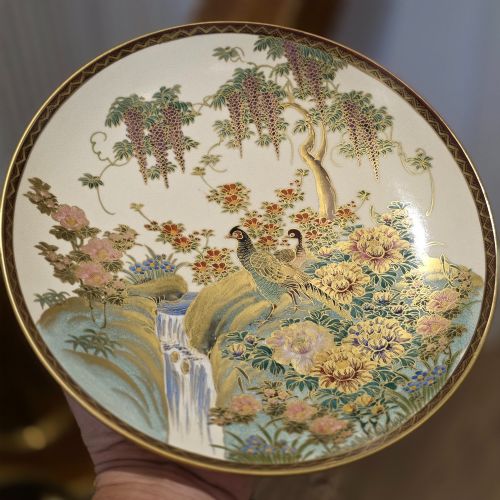
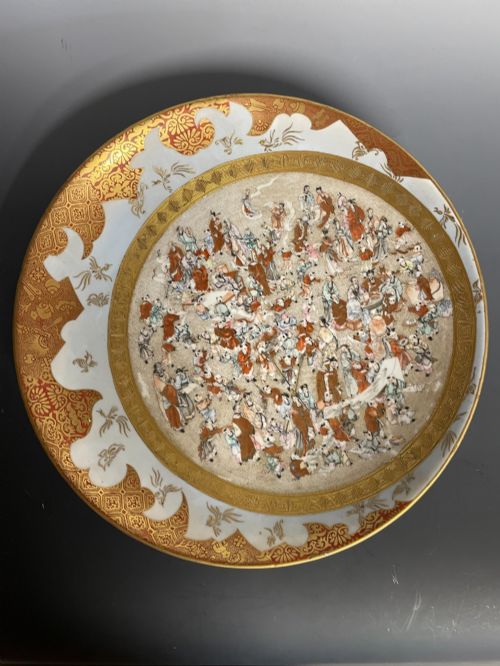
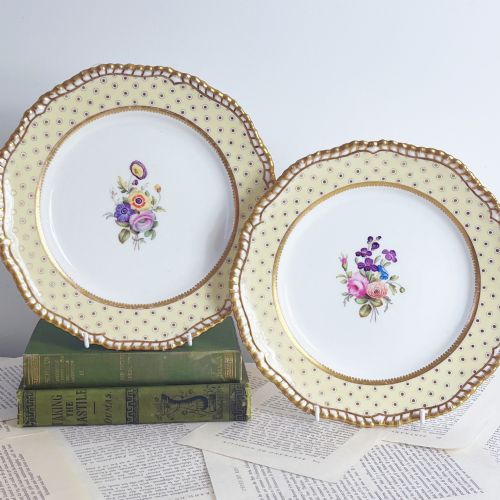
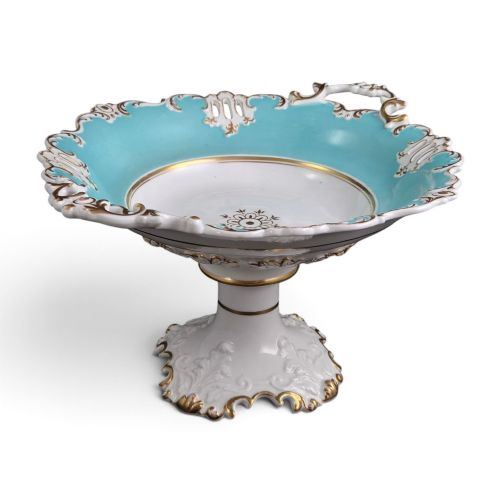
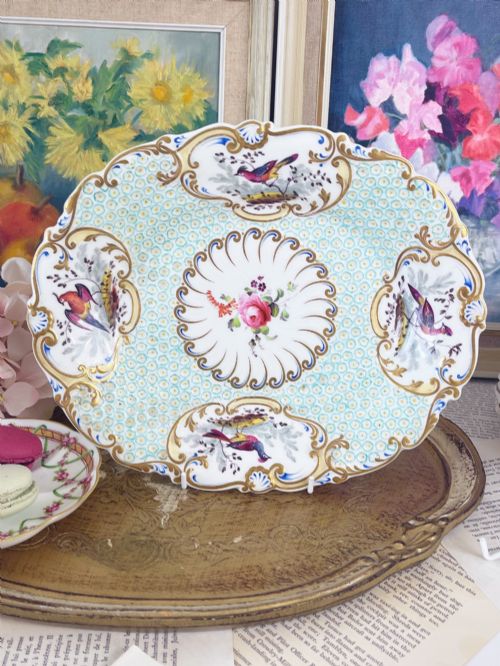
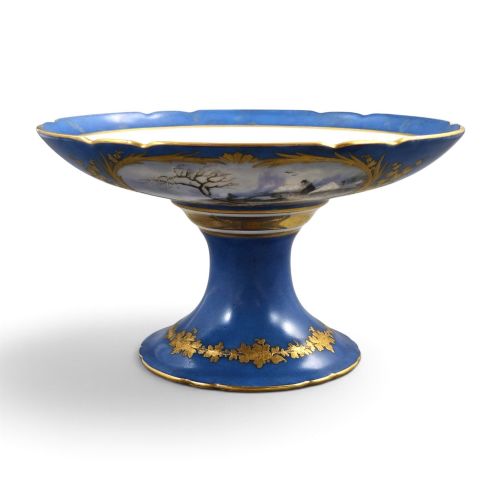
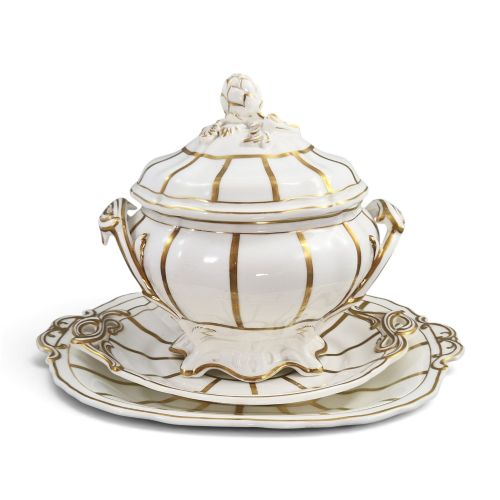
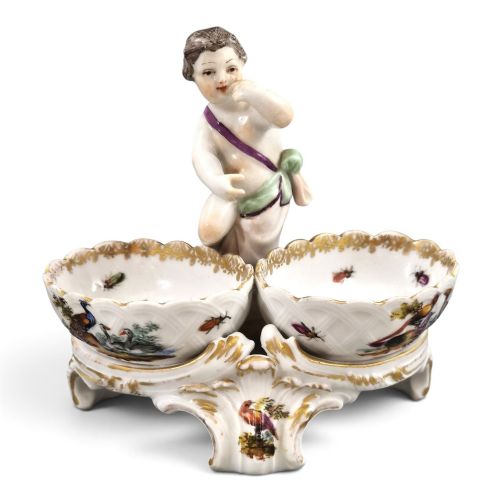
The objects take many forms, including dessert dishes, tazzas, cabinet plates, sauce tureens, and decorative baskets. English factories such as Worcester, Coalport, and Spode sit alongside continental makers like Meissen, Sèvres, and KPM Berlin, as well as Japanese Satsuma and Kutani wares.
Pieces from the 18th century, such as Dr Wall Worcester, share space with Victorian bone china and Meiji period Japanese imports. This variety reflects international trade and domestic dining traditions that prized painted porcelain heightened with gold.
Materials and production
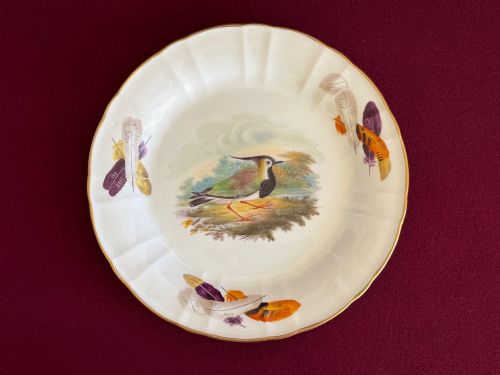
Potters shaped hard-paste porcelain, soft-paste porcelain, bone china, and earthenware before applying cobalt blue underglaze, enamel paints, and hand-painted motifs like birds, flowers, and Watteau scenes. Gold leaf and liquid gilt were hand-applied to rims, handles, and borders to accent the ceramic bodies.
Firing techniques evolved from eighteenth-century wood and coal kilns to nineteenth-century industrial furnaces, allowing complex forms like scalloped edges, basket weave mouldings, and figural salt cellars to hold their shape under high temperatures.
Materials recorded across the inventory include porcelain, bone china, earthenware, enamel, gold leaf, and gilt.
Measures of quality
Quality rests upon the precision of the hand-painting and the integrity of the gilding. Finely rendered subjects, such as detailed ornithological studies or landscape scenes by named decorators, separate standard domestic wares from exhibition-grade cabinet pieces.
The crispness of the porcelain moulding and the weight of the applied gold leaf indicate the skill of the factory. Superior items retain their burnished finish and show minimal rubbing to the gilt highlights despite centuries of handling.
Koshida·Spode·Coalport·H & R Daniel·Wedgwood·Dr Wall Worcester·Meissen·Flight Barr And Barr·Davenport·Kpm Berlin·Royal Worcester·Royal Crown Derby·Chamberlains Worcester·Moses Webster·Hicks And Meigh·Minton·Royal Doulton·David Dewsberry·New Hall·Daisy Makeig Jones
The Gilded Ceramic Porcelain Dish Glossary
- Bone china
- A type of soft-paste porcelain containing animal bone ash, developed in England to create a durable, highly translucent body.
- Cabinet plate
- A decorative ceramic plate intended for display in a cabinet or on a wall rather than for practical dining use.
- Gilding
- The application of gold leaf or powdered gold suspended in a medium to the surface of ceramics.
- Imari
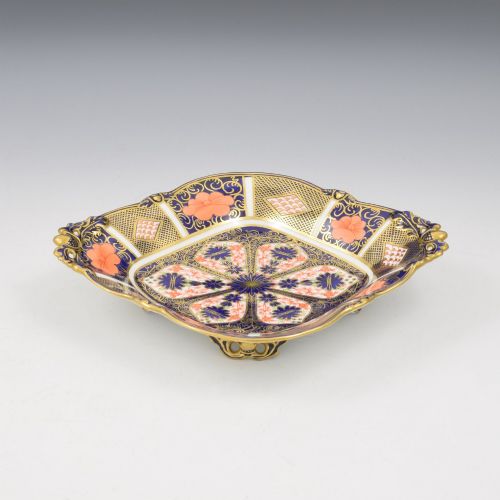
- A style of Japanese porcelain featuring a distinct palette of underglaze blue, iron red, and abundant gold, widely exported during the Meiji period.
- Tazza
- An ornate pedestal plate or shallow bowl raised on a foot, used historically for serving sweets or fruit.
- Soft-paste porcelain
- A ceramic composition made from glass frit and white clay, fired at lower temperatures than hard-paste porcelain to yield a warm glaze.
Gilded Ceramic Porcelain Dish: Frequently Asked Questions
How do I clean gilded porcelain?
Wash gilded ceramic porcelain dishes by hand using lukewarm water and mild soap, avoiding abrasive sponges that can wear away gold leaf.
Dry them immediately with a soft cloth to protect the painted enamel and gilt highlights from moisture damage.
Were these dishes used for dining?
Many forms, such as dessert plates and sauce tureens, served functional roles during formal nineteenth-century dining.
Cabinet plates and decorative chargers, conversely, were made primarily for display in dining rooms and drawing rooms.
How do I identify a period piece?
Examine the base for factory marks, pattern numbers, and decorator signatures that link the ceramic to documented manufacturing dates.
Consider the weight, glaze characteristics, and painting style, as eighteenth-century soft-paste porcelain feels different from late Victorian bone china.
What is Japanese Imari porcelain?
Japanese Imari porcelain is a traditional ware originating from Arita and exported through the port of Imari, known for rich cobalt blue and iron red designs.
Meiji period examples frequently layer these colours with heavy gold leaf to create striking decorative patterns.