


Gilded Ceramic Jar
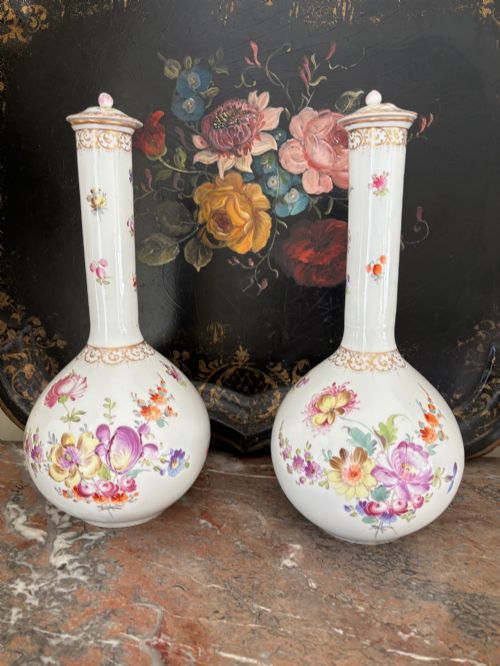
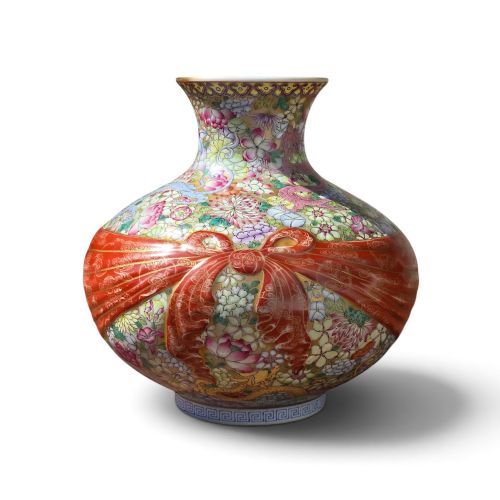
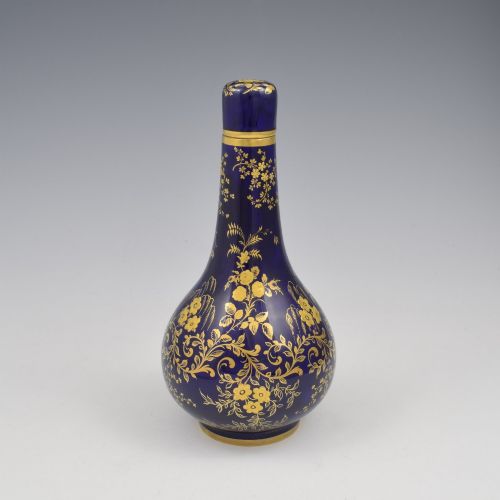
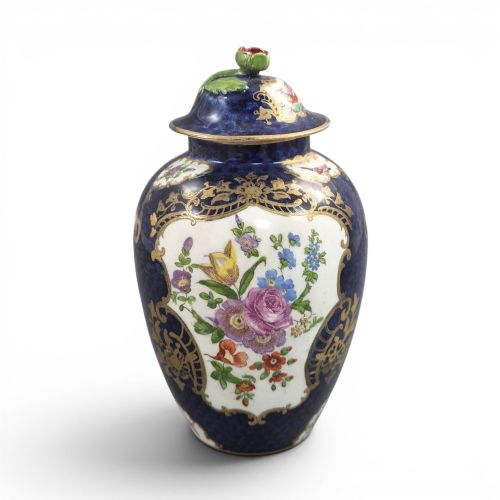
When you search for a gilded ceramic jar, you encounter pieces defined by metallic leaf and glaze from the eighteenth to the twentieth centuries.
Gilded Ceramic Jar
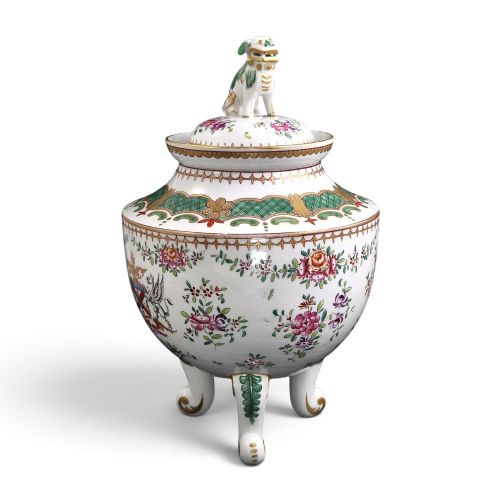
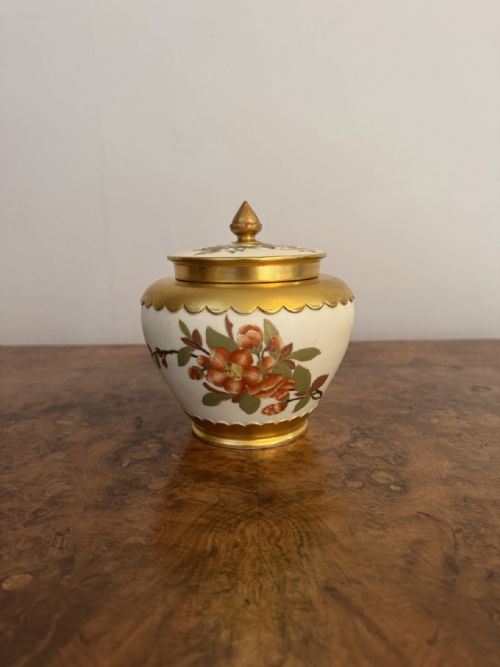
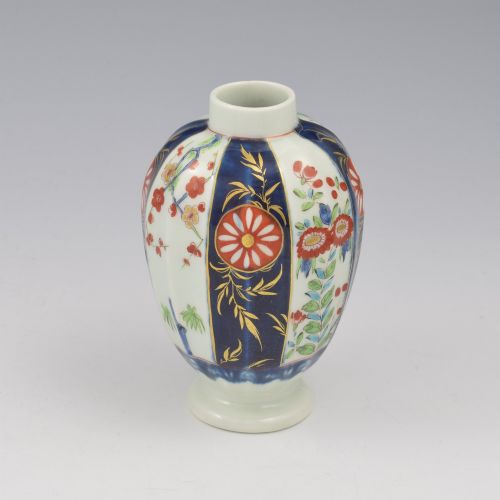
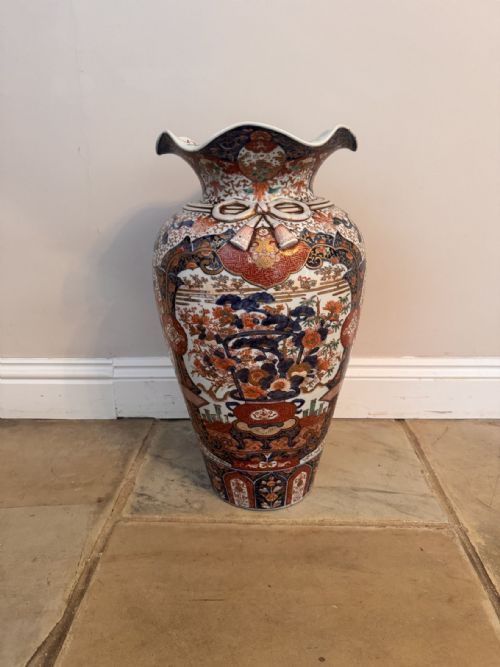
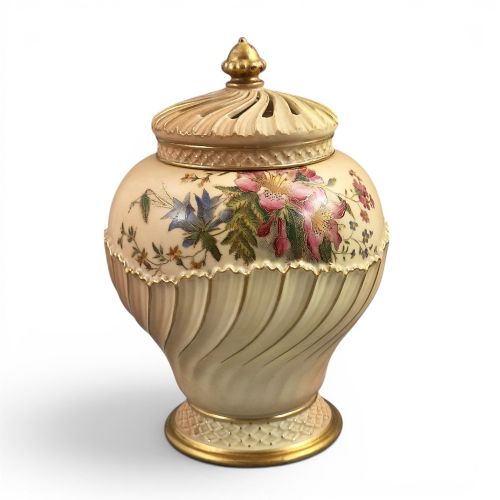
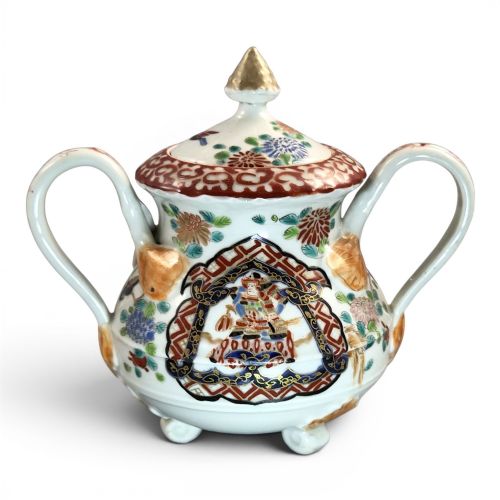
A gilded ceramic jar unites fired clay forms such as porcelain, earthenware, and stoneware with applied gold leaf or gilt details. These vessels encompass ginger jars, tea caddies, sugar bowls, and lidded potpourri pots originating from traditional English potteries and Japanese kilns alike.
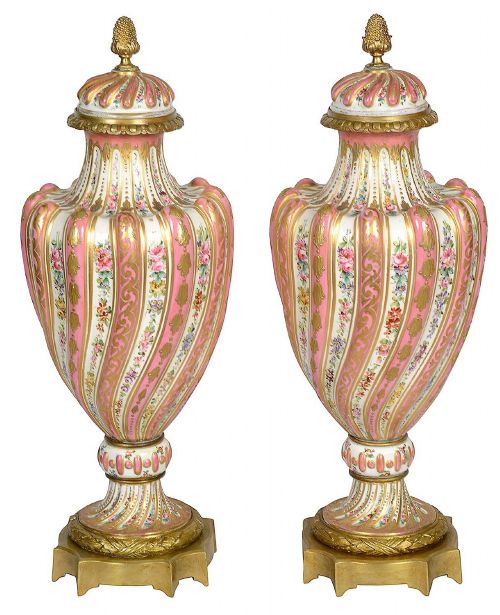
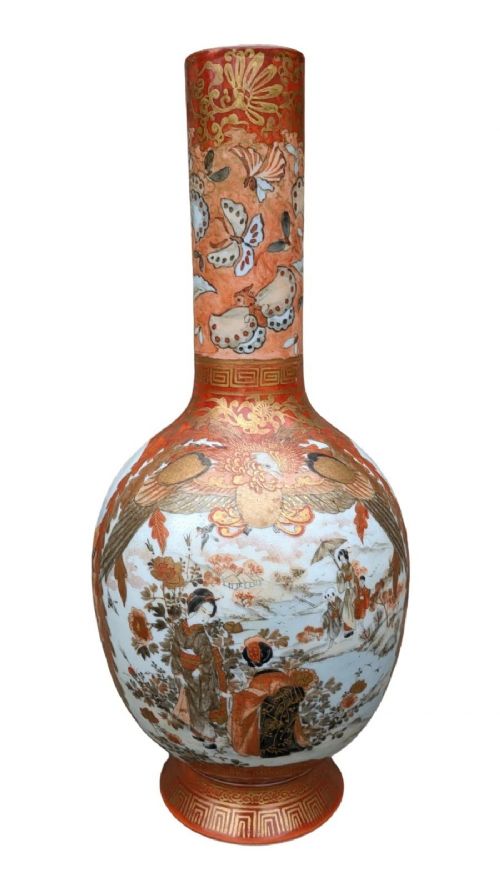
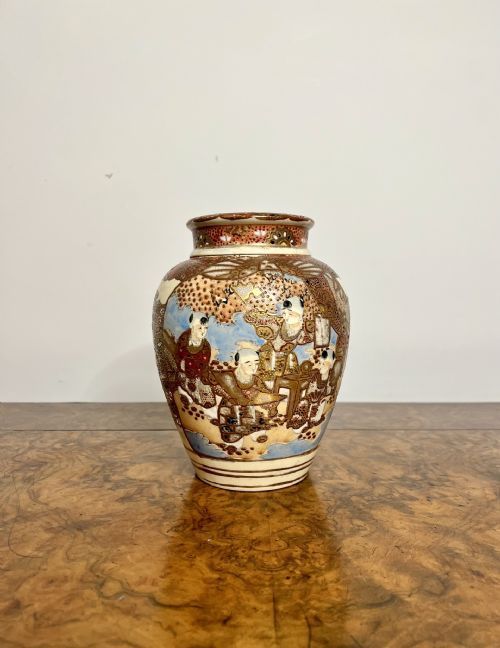
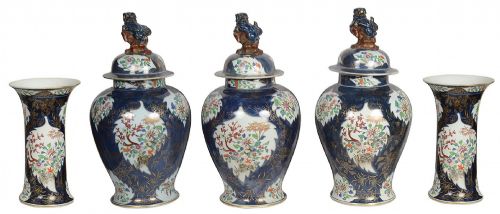
The pieces on this page span the eighteenth, nineteenth, and early twentieth centuries, reflecting diverse aesthetics from Meiji period Satsuma and Imari wares to Rococo Revival and Chinoiserie styles. Covered jars and urns predominate, often featuring hand-painted floral decoration, enamel work, and compartmentalised scenes.
Makers ranging from Samson Paris and Royal Worcester to Japanese artists like Kizan and Shuzan demonstrate the global scope of this craft. Collectors find both European porcelain imitative of Sèvres and authentic East Asian export ceramics sharing this metallic ornamentation.
Materials and Technique
The foundation of every gilded ceramic jar is a carefully shaped clay body, typically porcelain or refined earthenware, fired at high temperatures to achieve a stable structure. Potters then apply coloured glazes, enamel, or underglaze blue before executing detailed hand-painted scenes or patterns.
Gilding is applied using gold leaf or powdered gold suspended in a medium, fixed to the ceramic surface through subsequent firing or chemical adhesion. This metallic layer highlights specific architectural elements, rims, and pictorial motifs to create contrast against the glaze.
Gilded Ceramic Jar Retail Price Guide 2026
Typical asking prices for gilded ceramic jar among the pieces listed under this phrase on Sellingantiques today, from the lower quarter to the upper quarter. They describe what is for sale here now, not the wider market.
Listings feature porcelain, earthenware, and ceramic forms ornamented with enamel, gold leaf, and glaze across the nineteenth century.
Standards of Execution
The fineness of the hand-painted decoration and the precision of the gilding dictate the standing of a gilded ceramic jar. Superior examples display crisp brushwork, intricate enamel details, and firmly adhered gold leaf that has resisted rubbing over centuries.
The balance of the form and the crispness of the moulded details in the ceramic body reveal the skill of the original workshop. Pieces bearing distinct factory marks or artist signatures generally represent more thoughtful design and careful kiln work.
Samson Paris·Royal Worcester·Dr Wall Worcester·Sitzendorf·Kizan·Booths Silicon China·Royal Crown Derby·Chamberlain Worcester·Coalport·Samuel Alcock and Co·Spode·Yamashu·Doulton·Mason·Tokyo Taizan·Shizan
The Gilded Ceramic Jar Glossary
- Imari
- A style of Japanese porcelain featuring a distinct palette of underglaze blue, iron red, and added gold. These wares were widely exported and later copied in Europe.
- Potpourri
- A mixture of dried plant materials scented with spices, traditionally housed in a lidded ceramic jar with pierced openings to release fragrance.
- Satsuma
- A type of Japanese earthenware characterised by a pale, ivory-coloured crackle glaze richly decorated with enamels and gold. It gained prominence during the Meiji period.
- Caddy
- A small container originally designed for storing tea leaves. These vessels frequently feature fitted covers and decorative metallic highlights.
Gilded Ceramic Jar: Frequently Asked Questions
What is a ginger jar?
A ginger jar is a decorative ceramic vessel characterised by a bulbous body and a high-fitting lid, originally used in China for transporting spices and salt.
Over time, these utilitarian containers evolved into purely ornamental pieces, frequently embellished with intricate hand-painted designs and gold leaf.
How do I clean a gilded jar?
Cleaning a gilded ceramic jar requires a gentle approach using a soft, dry brush to remove dust from crevices and painted surfaces.
Moisture and harsh cleaning agents should be avoided to prevent damage to delicate enamel work and the fragile metallic leaf.
Are these jars waterproof?
Many antique ceramic jars feature unglazed interior bases or porous earthenware bodies that are not designed to hold water safely.
Using them for fresh flowers risks moisture seepage, making them better suited for dry arrangements or display as standalone decorative objects.
How do I identify Meiji period Satsuma?
Meiji period Satsuma ware is distinguished by a fine, ivory-coloured crackle glaze beneath dense polychrome enamels and raised gold details.
Examining the base often reveals hand-painted artist signatures or workshop marks characteristic of this era of Japanese ceramic production.