

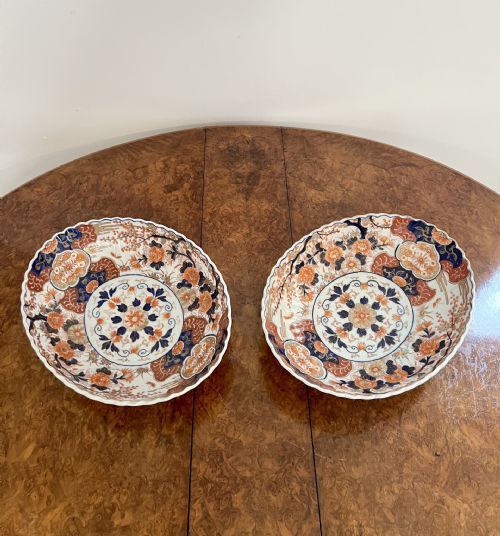


Gilded Ceramic Display Bowl
These gilded ceramic display bowl pieces combine fine porcelain or earthenware with rich gold leaf and enamel to catch the eye in any room.
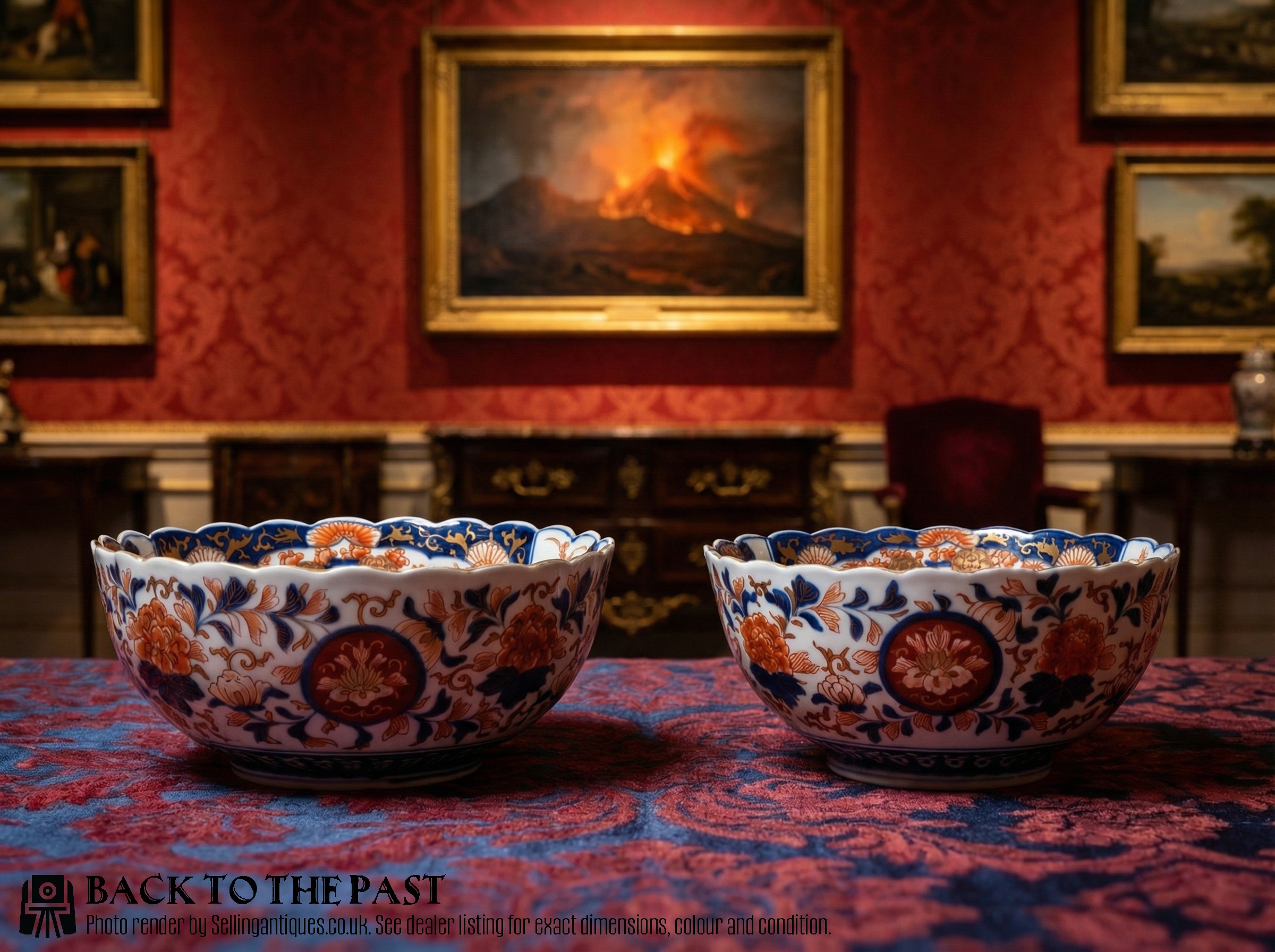
Gilded Ceramic Display Bowl
When you search for a gilded ceramic display bowl, you encounter a varied selection of decorative tableware, cabinet dishes, and decorative bowls spanning several centuries. The pieces range from eighteenth-century English serving dishes and early Japanese Imari plates to Edwardian lustre bowls and intricately painted Satsuma ware.
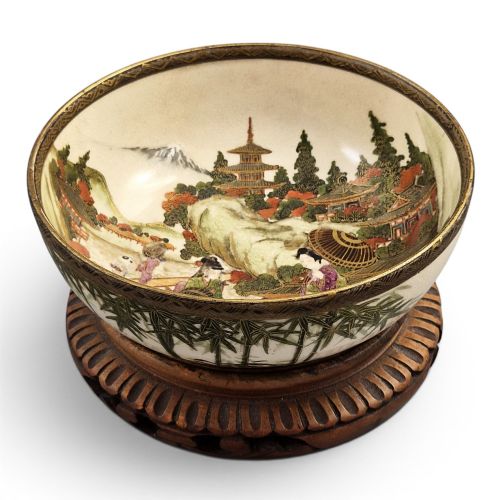
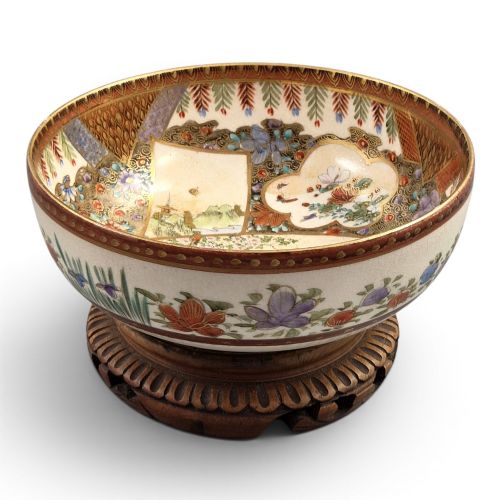
You are most likely to meet Japanese Satsuma and Imari pieces from the late nineteenth and early twentieth centuries on this page. These items showcase detailed hand-painted scenes enhanced with gold leaf and rich enamels designed purely for visual display.
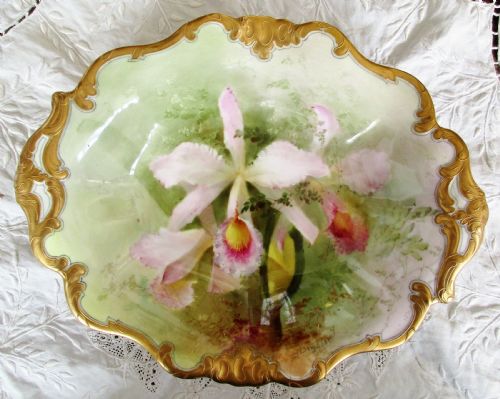
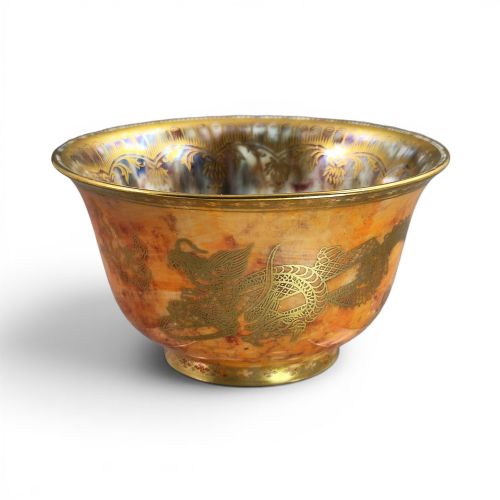
The assortment also includes fine British porcelain from factories such as Royal Doulton, Wedgwood, Coalport, and Royal Worcester. These English examples often feature botanical studies, orchids, or vibrant lustre glazes alongside traditional cabinet dishes.
How they were made
The makers formed these vessels using porcelain, bone china, or earthenware before firing the clay to create a durable body. Artisans then applied detailed hand-painted designs using coloured enamel and gold leaf, sometimes incorporating a glossy glaze to seal the surface.
Many Japanese items utilised the Satsuma technique, applying mineral pigments and heavy gilding over a crackle-glaze earthenware base. British factories combined refined bone china with transfer-printed or hand-painted botanical motifs finished with gilt rims.
Materials across these listings include bone china, earthenware, and porcelain, enhanced with gold leaf, enamel, and transparent glazes.
What varies in quality
The distinction between standard items and superior examples lies in the precision of the hand-painting and the generosity of the gilding. Finely executed Satsuma bowls feature minute brushwork depicting complex figural scenes, while lesser pieces rely on simpler floral repetition.
Signatures from noted artists or workshops elevate a piece significantly, as seen on signed Satsuma bowls or named botanical cabinet dishes. The weight, condition of the gold leaf, and clarity of the enamel work further determine the standing of each item.
Royal Doulton·Wedgwood·Kinkozan·Royal Worcester·Coalport
The Gilded Ceramic Display Bowl Glossary
- Satsuma
- A type of Japanese earthenware featuring an ivory crackle glaze decorated with enamel and gold leaf. It originated in Satsuma Province and became popular for export during the Meiji period.
- Imari
- A style of Japanese porcelain characterised by underglaze blue, iron red, and abundant gold accents. These pieces often display intricate floral and geometric panel designs.
- Cabinet Dish
- A decorative ceramic plate or shallow bowl produced primarily for display in a glass-fronted cabinet rather than for dining use. They often feature elaborate hand-painted artwork by known factory artists.
- Lustre
- A ceramic glaze containing metallic elements that produce an iridescent, shimmering surface effect when fired. Wedgwood utilised this technique extensively on decorative bowls during the early twentieth century.
- Enameled
- Decorated with melted coloured glass fused onto the ceramic surface through firing. This method adds vibrant opaque colours alongside the gilt details.
Gilded Ceramic Display Bowl: Frequently Asked Questions
Can I use these bowls for serving food?
Most of these decorative items are intended for display rather than practical dining use. The delicate gold leaf and enamel work can wear down with frequent washing or food contact.
Older ceramic bodies and historical glazes may also contain materials unsuited for modern culinary use. It is best to treat them as cabinet pieces or decorative table ornaments.
How do I clean a gilded ceramic bowl?
Dust the surface gently with a soft, dry feather duster or a clean, dry artist's paintbrush. Avoid using water, abrasive cloths, or chemical cleaning agents on the painted areas.
Moisture can damage older glazes and lift fragile gold leaf or enamel details. Regular light dusting is all that is required to maintain the finish.
How can I tell Japanese Satsuma from Imari?
Satsuma pieces are typically earthenware with a distinct ivory or cream-coloured crackle glaze and dense hand-painted polychrome figures heightened with gold. They focus on pictorial scenes rather than repeating patterns.
Imari pieces are hard-paste porcelain characterised by a strict palette of cobalt blue and iron red, heavily accented with gilding. Their designs rely on symmetrical panels and floral motifs.
What period do most of these bowls come from?
The selection spans from the eighteenth century up to the early twentieth century. Victorian and Edwardian British pieces sit alongside Meiji period Japanese imports.
Turn-of-the-century items, particularly from around nineteen hundred, form a substantial portion of the available Satsuma and Imari inventory.