






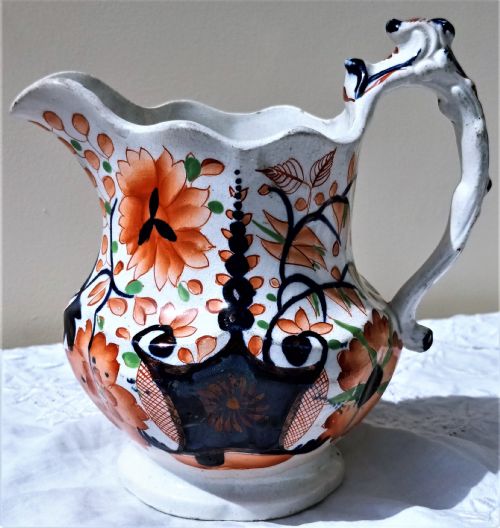
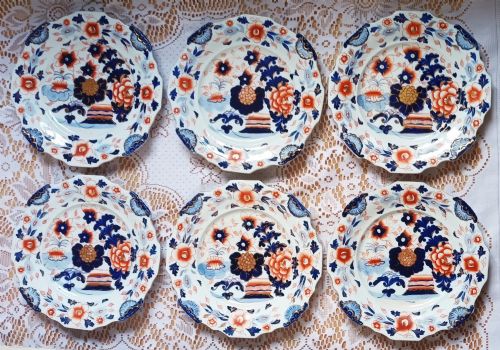
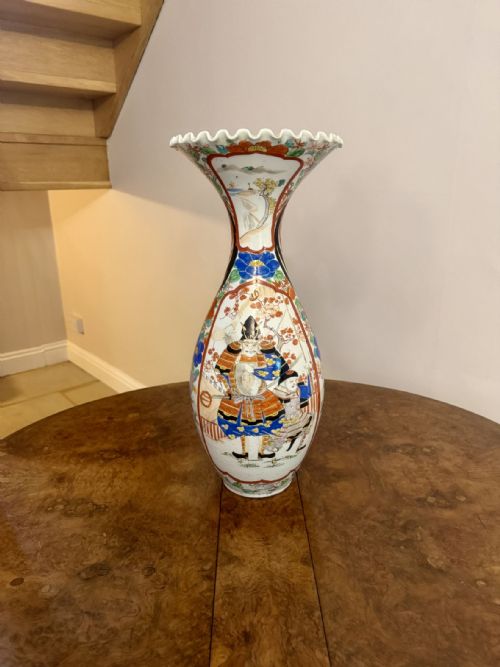
Traditional Imari Ceramics
Traditional imari ceramics comprise distinctive plates, chargers, and vases defined by rich underglaze blue and iron red enamel decoration.
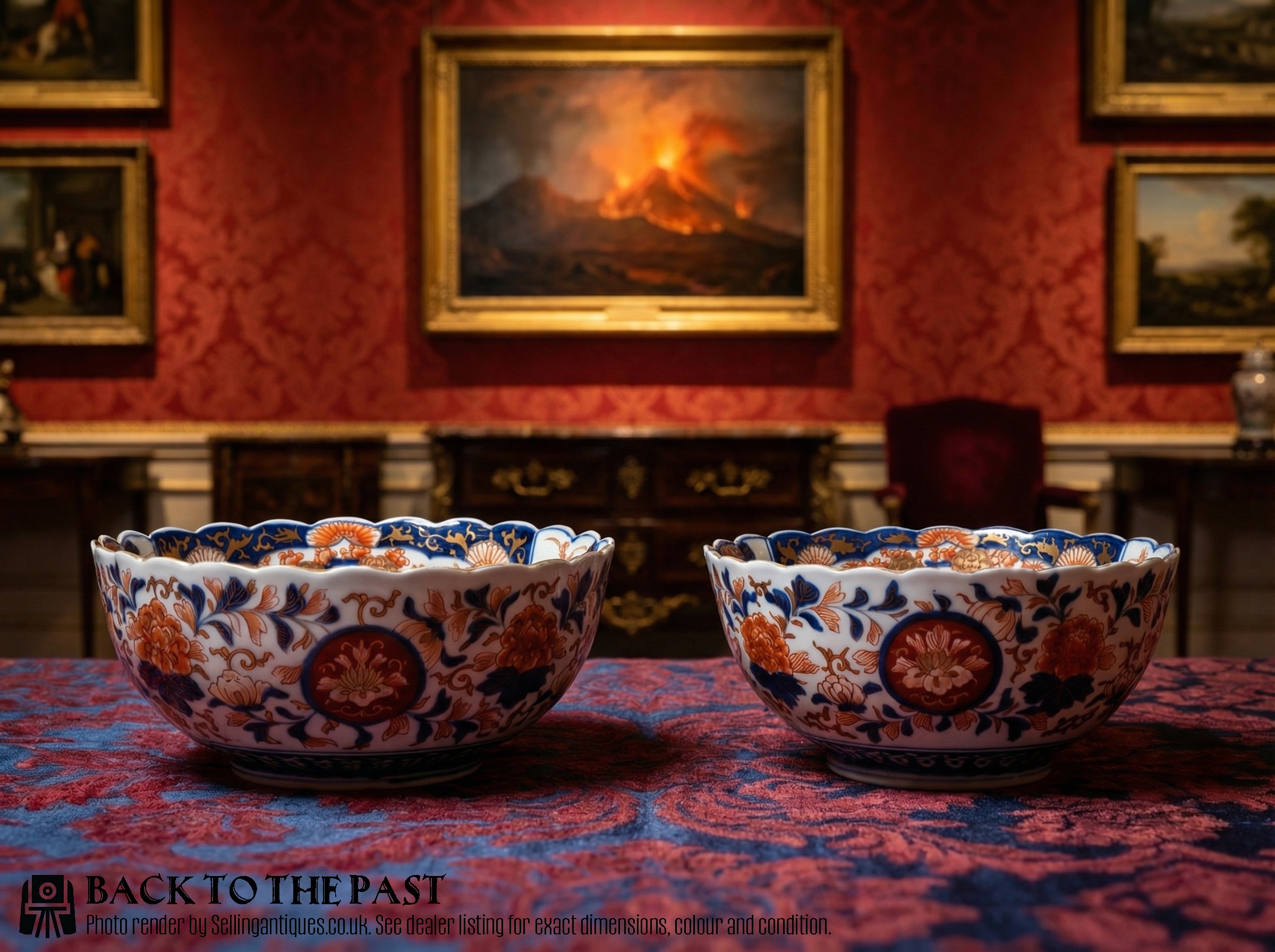
Traditional Imari Ceramics
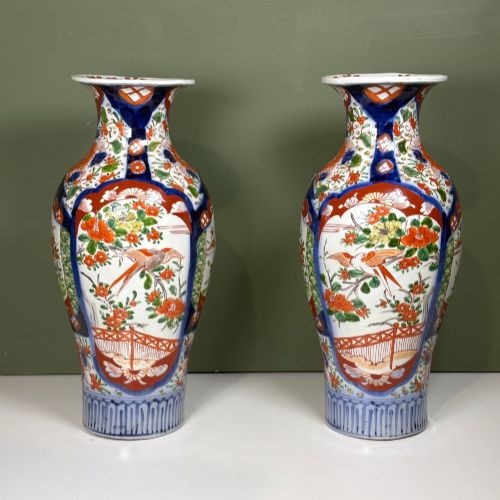
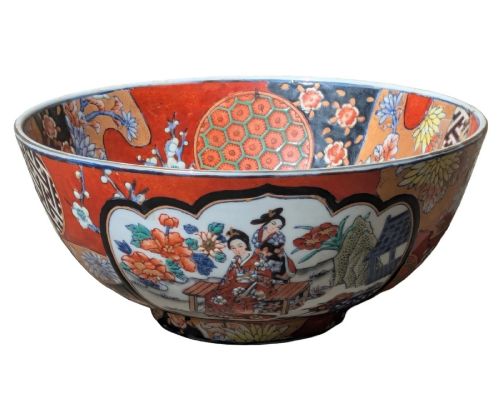
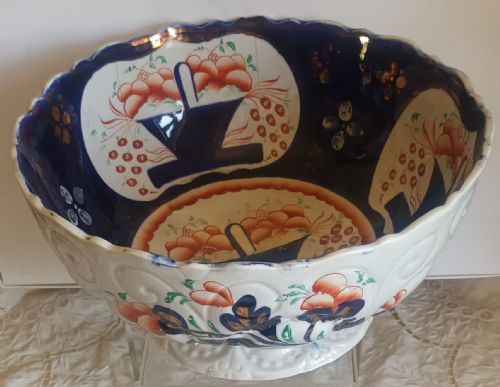
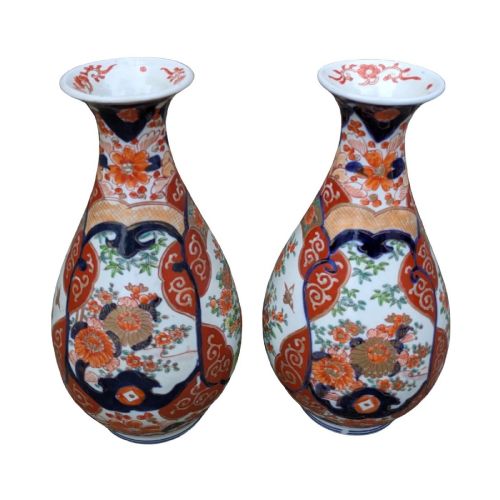
Traditional imari ceramics include decorative plates, chargers, bowls, and vases originating predominantly from Japan during the Meiji period and the early twentieth century alongside Victorian adaptations.
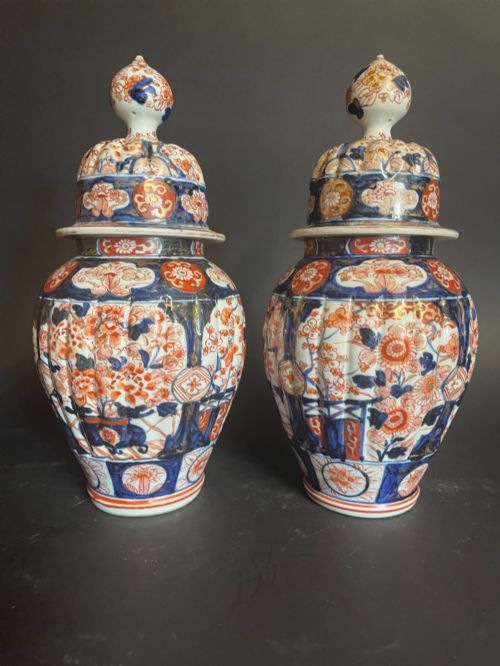
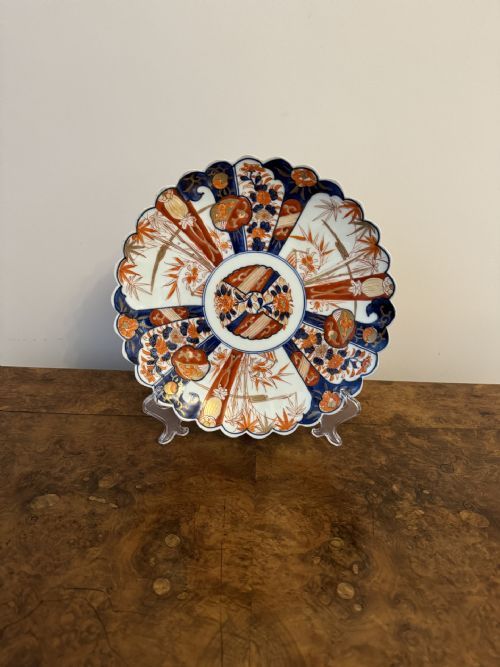
Buyers encountering this group will frequently find large chargers and scalloped plates featuring distinct palette work, as well as pairs of lidded jars.
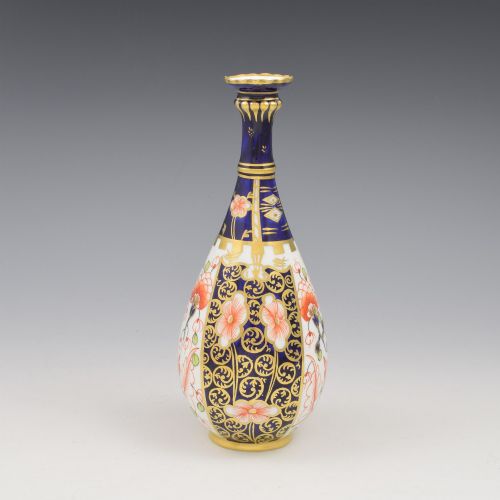
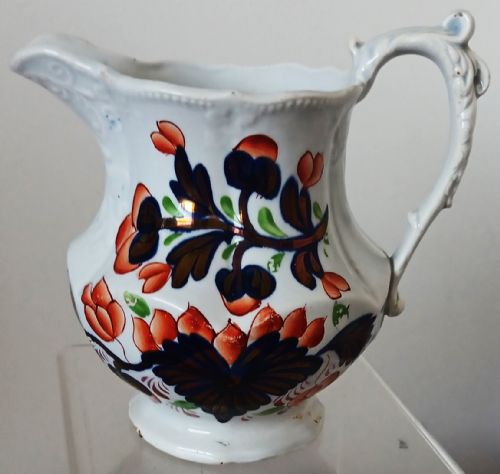
The selection extends to English iterations such as ironstone plates and earthenware tea services influenced by the enduring aesthetic.
How traditional imari ceramics were made
The pieces rely on porcelain, earthenware, and ironstone bodies shaped into plates, vessels, and jugs before receiving detailed application.
Decoration combines underglaze cobalt blue with vibrant enamel pigments, frequently accented by gilt highlights and gold leaf over a glazed surface.
Traditional Imari Ceramics Retail Price Guide 2026
Typical asking prices for traditional imari ceramics among the pieces listed under this phrase on Sellingantiques today, from the lower quarter to the upper quarter. They describe what is for sale here now, not the wider market.
Some nineteenth-century jugs bear whimsical names like pagoda and grape pattern while masquerading as serious porcelain.
What varies in quality
The refinement of the hand-painted enamel work and the crispness of the underglaze blue define the upper tier of production.
Form complexity, such as square shapes, scalloped edges, and matched pairs, distinguishes finer examples from standard utilitarian wares.
Royal Crown Derby·Masons
The Traditional Imari Ceramics Glossary
- Charger
- A large decorative plate intended for display rather than table service. These pieces measure significantly wider than standard dining plates.
- Enamel
- Opaque glass-like material applied over the glaze and fired at a lower temperature to add distinct colours. This technique creates the vibrant reds characteristic of the palette.
- Ironstone
- A heavy, durable type of earthenware developed in England as a robust alternative to porcelain. It frequently carries inspired Asian patterns.
- Baluster
- A vase shape with a rounded body that tapers toward the base and swells near the lower portion. This form appears frequently among pairs of jars.
Traditional Imari Ceramics: Frequently Asked Questions
How do I display an imari charger?
Large chargers are typically positioned on specialist wall brackets or heavy plate stands to showcase the intricate rim details and central motifs.
Securing proper support ensures the substantial porcelain weight remains balanced during display.
Are these pieces suitable for daily dining?
Most antique examples serve primarily as decorative objects due to surface enamel wear and the delicate nature of nineteenth-century glazes.
Gentle handling preserves the iron red and gold leaf details against accidental scratching.
How do I distinguish Japanese from English imari?
Japanese origins typically display fine porcelain bodies with dense hand-painted cobalt and iron red compositions from the Meiji era.
English interpretations tend to utilise heavier ironstone or earthenware bodies produced by domestic potteries.
What periods do these ceramics cover?
The selection spans from the late nineteenth century through the Edwardian era and into the early twentieth century.
Victorian and Showa period examples also appear across the available forms.