


Gilded Bronze Figure
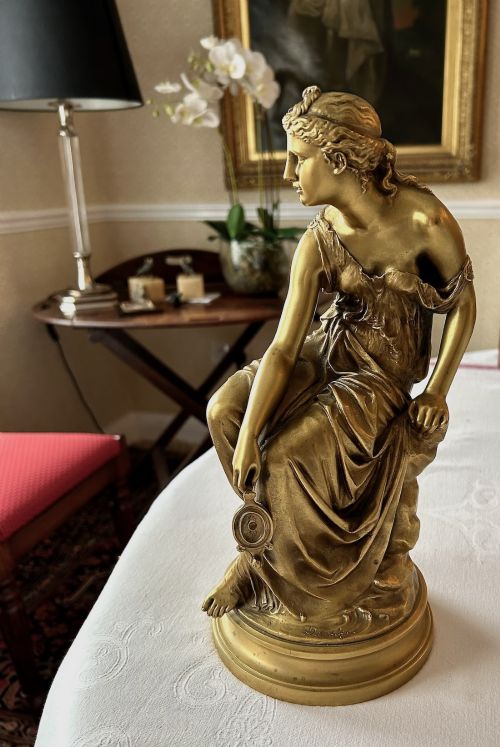
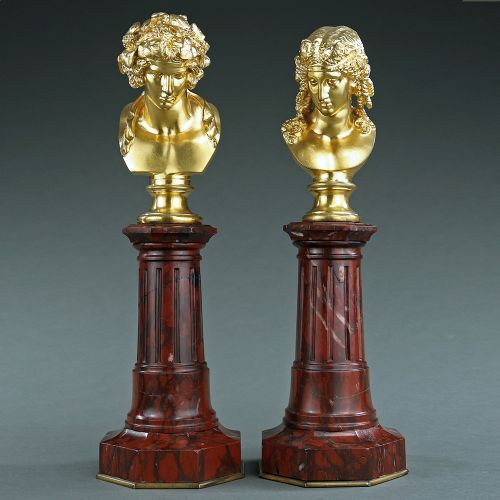
A gilded bronze figure brings classical presence and enduring metallic lustre into a room, spanning periods from the sixteenth century to Art Deco designs.
Gilded Bronze Figure
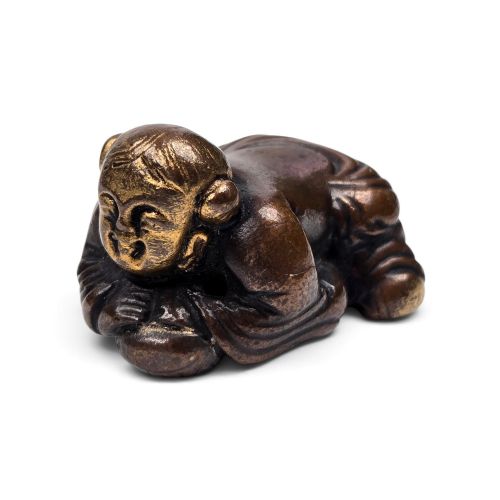
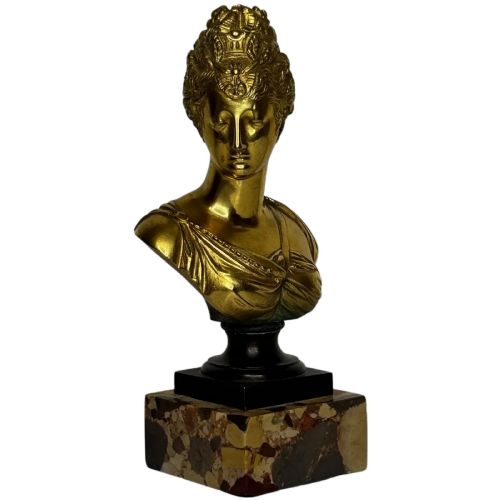
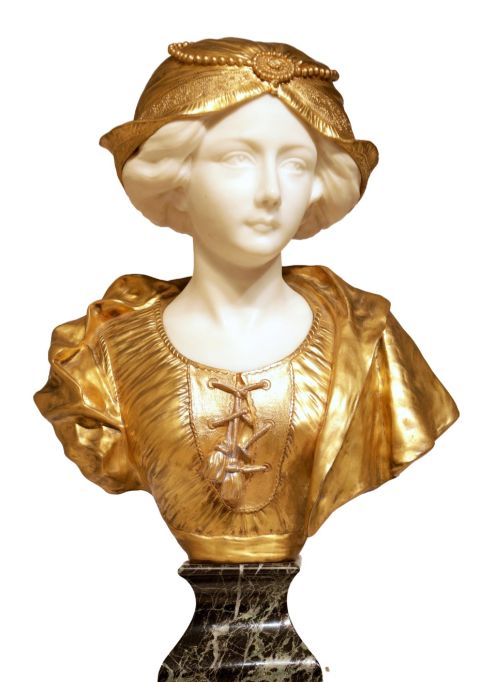
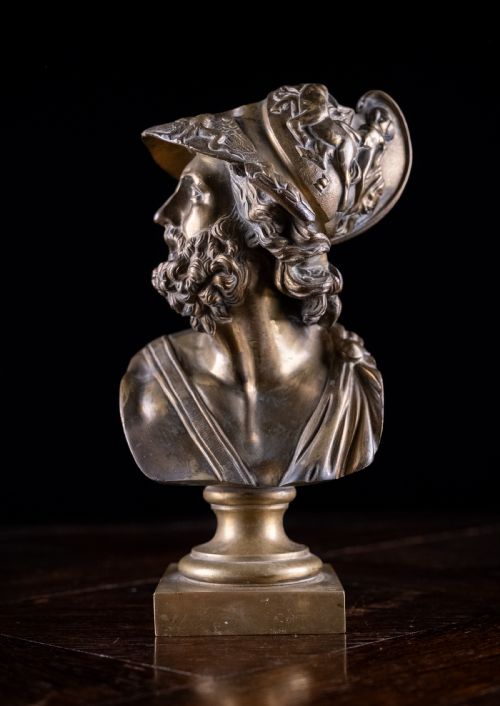
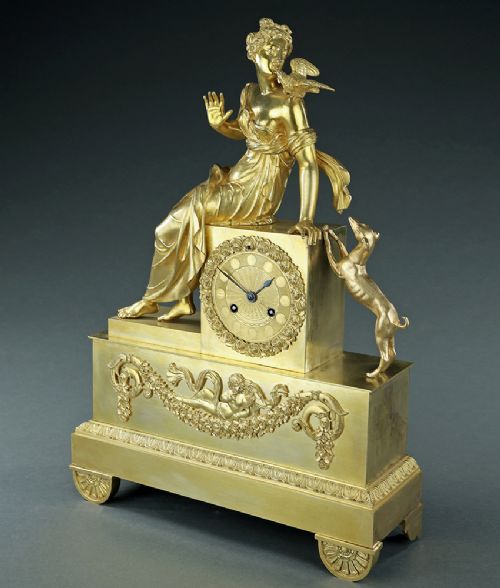
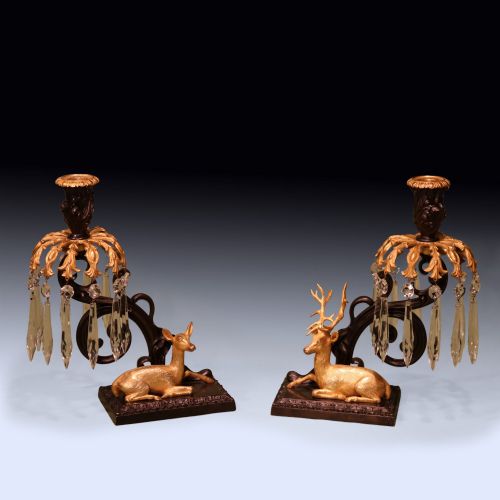
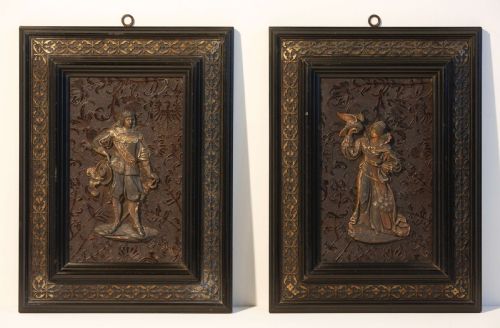
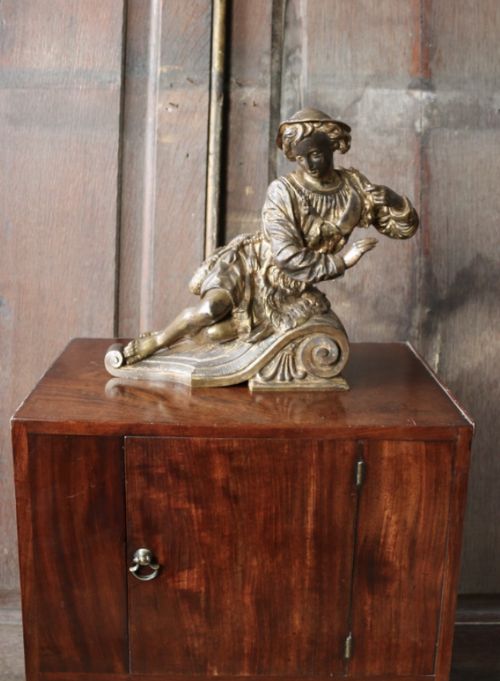
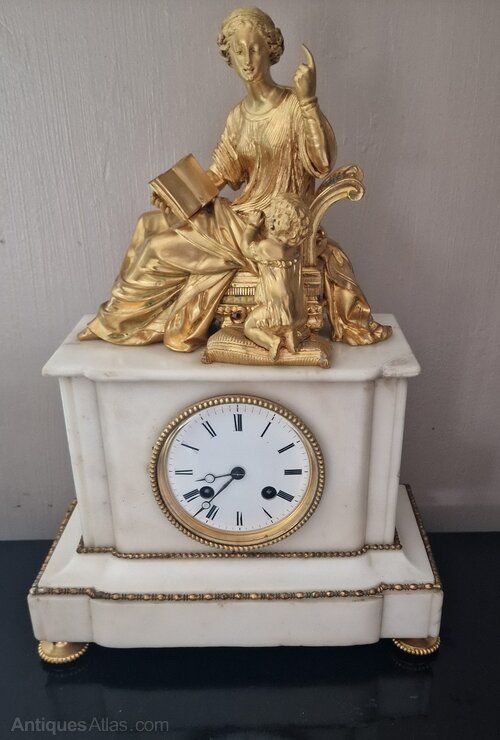
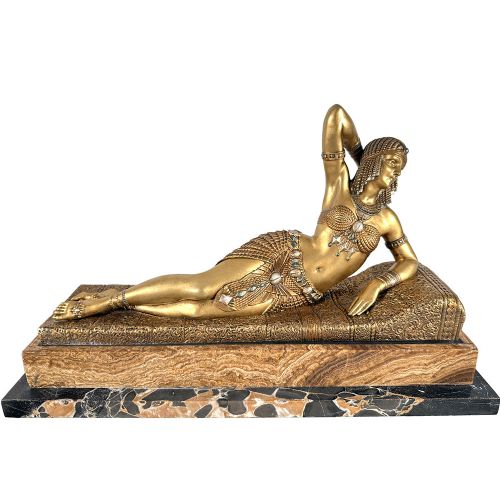
When searching for a gilded bronze figure, a buyer encounters a diverse group of works ranging from classical deities and portrait busts to animals, mythological subjects, and decorative ornaments. These pieces function as independent sculptures, paperweights, clock components, and lamp mounts, often mounted on marble or wooden plinths.
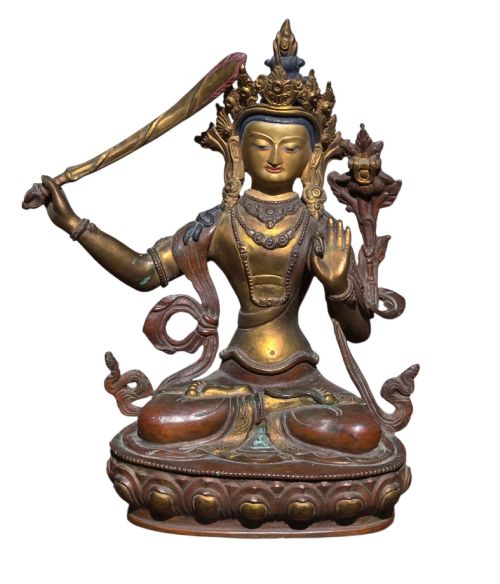
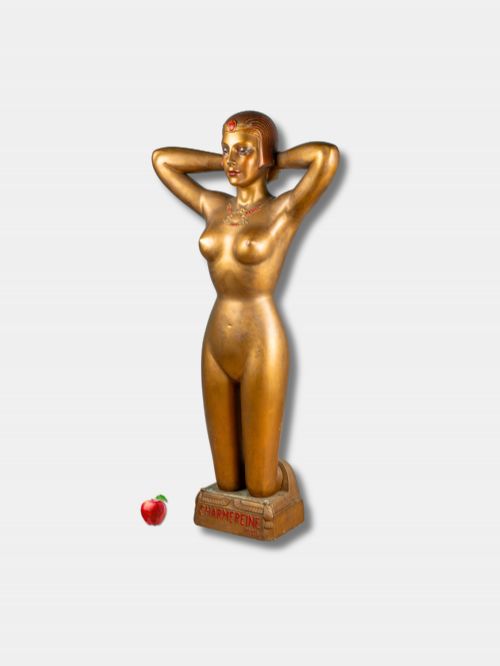
The most common examples on this page are nineteenth-century French productions styled in the Neoclassical, Empire, or Rococo revival traditions, alongside Asian Buddhist bronzes from Tibetan and Sino-Tibetan workshops. European foundry casts sit alongside Grand Tour souvenirs and Art Deco dancer statuettes, reflecting shifting aesthetic tastes across several centuries.
Materials and technique
These works rely on bronze and brass alloys shaped through casting methods, frequently complemented by mercury gilding or ormolu techniques to impart a brilliant golden surface layer. Solid-cast and hollow-cast methods dictate the weight and internal structure of each piece.
Many sculptures incorporate mixed media elements such as white marble bases, carved olive wood, inset porcelain panels, enamel, and ivory-like details or patinated highlights to contrast with the bright gilded areas.
Gilded Bronze Figure Retail Price Guide 2026
Typical asking prices for gilded bronze figure among the pieces listed under this phrase on Sellingantiques today, from the lower quarter to the upper quarter. They describe what is for sale here now, not the wider market.
One listed nineteenth-century French bronze depicts a dentist bear treating a patient, capturing whimsical Victorian animal satire in gilded metal.
What varies in quality
The depth and preservation of the gold leaf or fire-gilding layer dictate the visual richness of the object, alongside the integrity of any associated marble plinths, bases, or mechanical clock movements.
Etienne-Henri Dumaige·Affortunato Gory·Barbedienne·Christophe Fratin·Demetre Chiparus·Bruno Zach·Claire Colinet·Ernst Barrias
The Gilded Bronze Figure Glossary
- Ormolu
- Finely ground high-carat gold applied to a bronze base using a mercury amalgamation technique. This historic process produces a durable, warm metallic lustre characteristic of eighteenth and nineteenth-century French decorative arts.
- Grand Tour
- A cultural journey undertaken by nineteenth-century Europeans to view classical antiquities, inspiring smaller bronze reproductions of famous statues and busts bought as souvenirs.
- Cire perdue
- A casting method where a wax model is melted out of a mould to leave a cavity for molten bronze. This technique allows for singular, highly detailed sculptures without repeating mould seams.
- Chasing
- The manual finishing of a cast metal object using small hammers and punches to sharpen details and clean the surface. Skilled chasing distinguishes master foundry work from mass production.
- Garniture
- A matching set of decorative objects, typically comprising a mantel clock flanked by matching candelabra or vases. These sets dominated nineteenth-century interior display spaces.
Gilded Bronze Figure: Frequently Asked Questions
What is the difference between ormolu and gilt bronze?
Ormolu specifically refers to mercurial fire-gilding applied to bronze objects during the eighteenth and nineteenth centuries in France. The term derives from the French phrase for milled gold.
General gilt bronze encompasses any bronze piece finished with a golden surface, which can include modern electroplating or gold leaf application techniques. Both terms describe the same golden visual effect achieved through different technological eras.
How can I tell a nineteenth-century cast from a modern reproduction?
Examine the underside and hidden joins for signs of age, tool marks, and appropriate patination consistent with historic foundry practices. Modern reproductions often display uniform machine finishing or lack the crisp hand-chased details found in period pieces.
Weight, casting thickness, and the composition of mounting screws or pins also offer clues to an object's true age. Comparing the style of the casting to documented foundry catalogues helps confirm authenticity.
Where should I display my figure at home?
Place the sculpture on a sturdy mantelpiece, desk, or dedicated console table away from direct sunlight and excessive heat sources. Adequate lighting from a stable lamp or natural source highlights the reflective qualities of the gilded surface.
Ensure the piece sits out of high-traffic areas where accidental knocks might damage delicate protruding elements like fingers, implements, or instrument parts.