


Gilded Brass Table Clock
A gilded brass table clock sits heavy and bright on a mantel, bringing steady movement and metalwork into a room.
Gilded Brass Table Clock
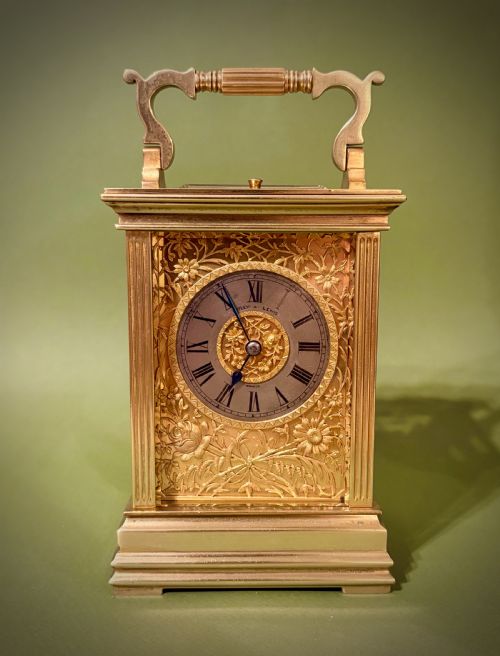
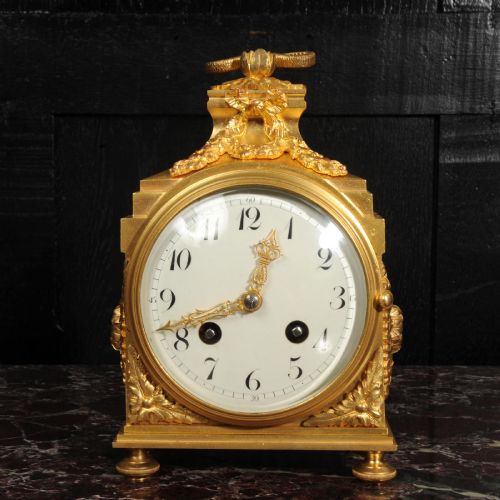
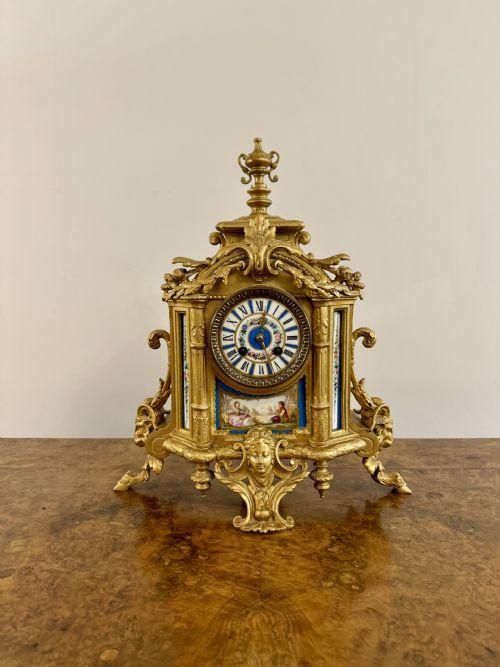
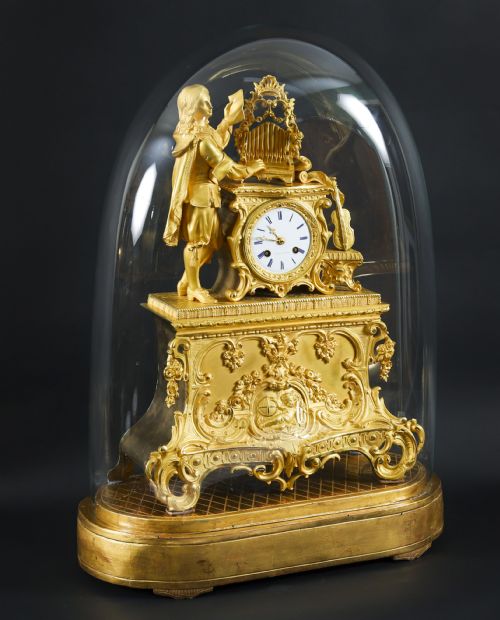
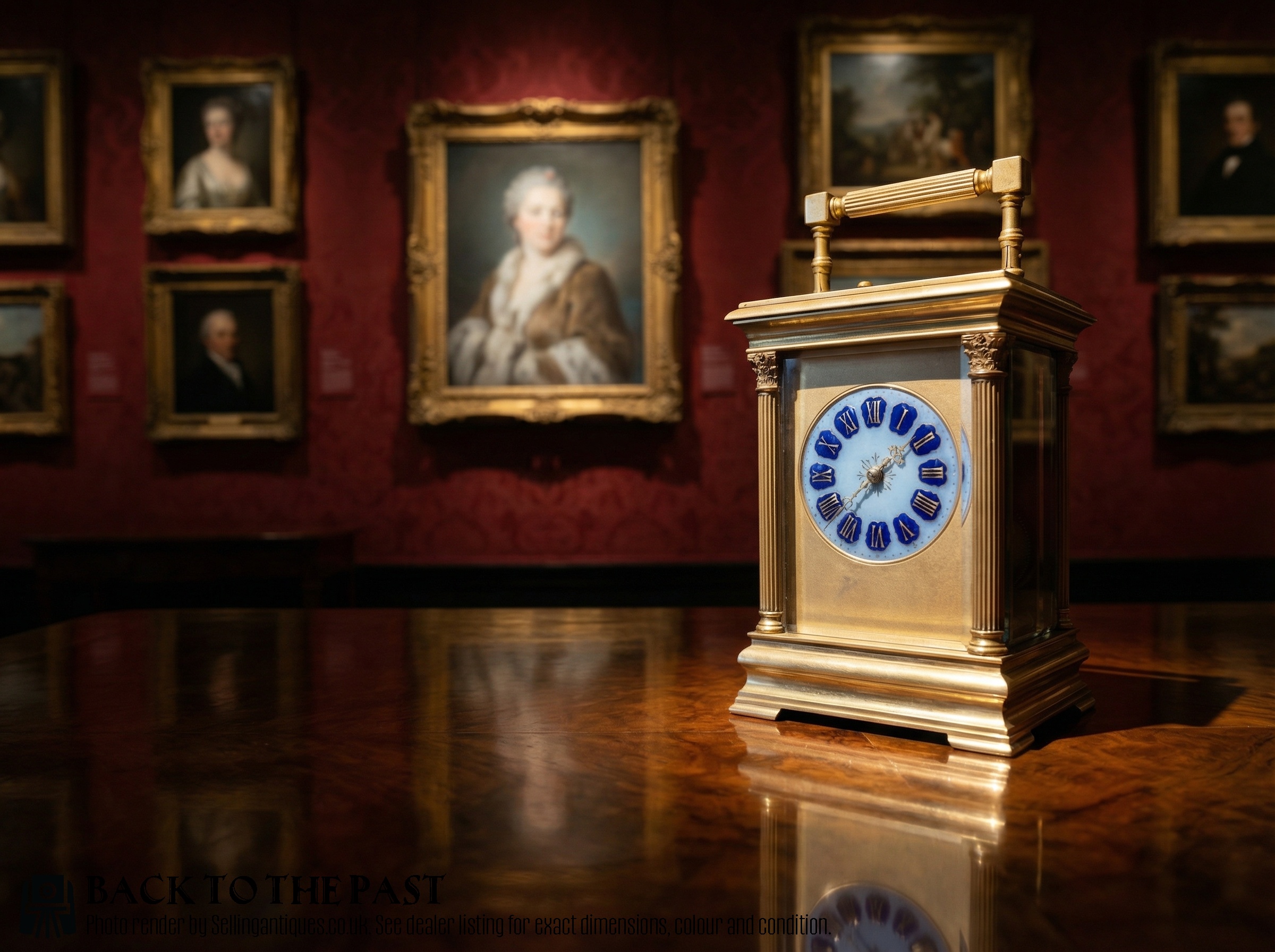
A gilded brass table clock represents a range of decorative timepieces housed in metal, glass, and marble cases. When searching for a gilded brass table clock, a buyer encounters heavy Victorian and nineteenth-century designs, particularly French carriage clocks, four-glass mantel clocks, and ornate ormolu pieces.
Most examples originate from nineteenth-century workshops in Paris and London, spanning styles from French Rococo Revival and Louis XVI Revival to Victorian. These pieces function as both timekeepers and sculptural ornaments for desks, brackets, and mantelpieces.
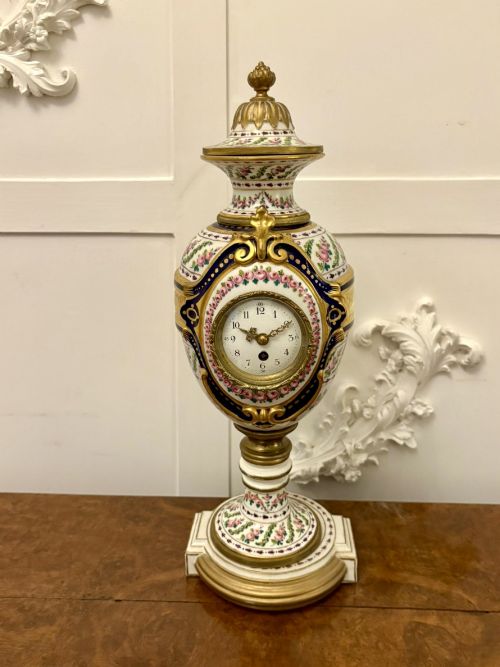
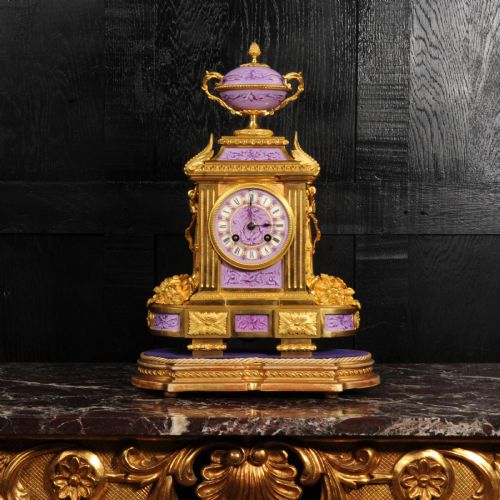
The selection here draws heavily from the Victorian era and the later decades of the nineteenth century. Buyers find mantel clocks, carriage clocks, and desk clocks utilising cast bronze, gilt metal, enamel dials, and inset porcelain panels.

How they were made
Cases combine brass, gilt bronze, and ormolu, often cast in ornate Rococo or classical architectural forms. Metal components receive fire-gilding or applied surface plating to achieve a bright, durable golden finish.
Movements rely on brass gears and escapements, frequently featuring eight-day striking mechanisms or repeating complications. Enamel dials, hand-painted porcelain panels, and bevelled glass side panels are integrated into the heavy metal frames.
Gilded Brass Table Clock Retail Price Guide 2026
Typical asking prices for gilded brass table clock among the pieces listed under this phrase on Sellingantiques today, from the lower quarter to the upper quarter. They describe what is for sale here now, not the wider market.
Several carriage clocks retain their original leather travel cases, having survived international journeys through the nineteenth century.
What varies in quality
The weight and crispness of the cast metal case separate standard production from finer work. Superior examples feature deeply chased ormolu, finely bevelled four-glass panels, and hand-painted porcelain or enamel dials signed by established makers.
Movement complexity also divides the range. Clocks housing platform escapements, strike repeat functions, and signed brass backplates command greater attention than simpler time-only movements.

Achille Brocot·Thuret Paris·Le Roy Paris·Japy Freres·Philippes Paris·Henry Jones·John Barwise of London
The Gilded Brass Table Clock Glossary
- Ormolu
- Gilt bronze produced by applying a mercury and gold amalgam to a bronze base and heating it. This technique creates a durable, warm metallic golden surface seen on nineteenth-century French cases.
- Carriage clock
- A small, portable spring-driven timepiece with a carrying handle, originally designed for travel. These pieces usually feature glass panels allowing the brass movement to be viewed from multiple sides.
- Four-glass clock
- A mantel clock housed in a rectangular brass frame with bevelled glass panels on the front, back, and both sides. This design exposes the pendulum and gear train to view.
- Champlevé
- An enamelling technique where troughs are dug into a metal surface, filled with coloured glass powder, and fired. The resulting enamel flush with the metal creates rich, patterned ornamentation.
- Fusee
- A conical pulley connected to the mainspring by a cord or chain, designed to equalise the torque as the spring unwinds. This mechanism maintains steady timekeeping power throughout the running period.
Gilded Brass Table Clock: Frequently Asked Questions
How do I wind a carriage clock?
Most carriage clocks use a double-ended key inserted into winding squares on the underside or backplate. Turn the key gently until resistance indicates the mainspring is fully tensioned.
Avoid overwinding, as this places excessive strain on the brass gear train and the delicate hairspring inside the movement.
What is a four-glass clock?
A four-glass clock is a mantel timepiece enclosed within a heavy brass or gilt frame fitted with thick bevelled glass panes. This construction allows light to pass through the case and reveals the pendulum and escapement from all sides.
These pieces emerged in popularity during the nineteenth century and usually sit upon matching marble or gilded bases.
How do I care for ormolu cases?
Ormolu surfaces require minimal intervention beyond dusting with a soft, dry brush or lint-free cloth. Moisture and chemical cleaners strip the historic gilt surface from the underlying bronze.
Handle the clock by its solid case frame rather than delicate cast mounts or handles to prevent loosening decorative elements.
How do I tell a carriage clock from a mantel clock?
Carriage clocks are compact, portable timepieces fitted with a hinged carrying handle on top and enclosed in glazed brass cases. They rely on a platform escapement rather than a swinging pendulum.
Mantel clocks are larger, heavier stationary pieces designed to sit on a shelf or bracket, often paired with marble plinths or porcelain urn details.