



Georgian Yew Wood Desk
A georgian yew wood desk brings tactile warmth to a room through richly figured timber and enduring vernacular craft.
Georgian Yew Wood Desk
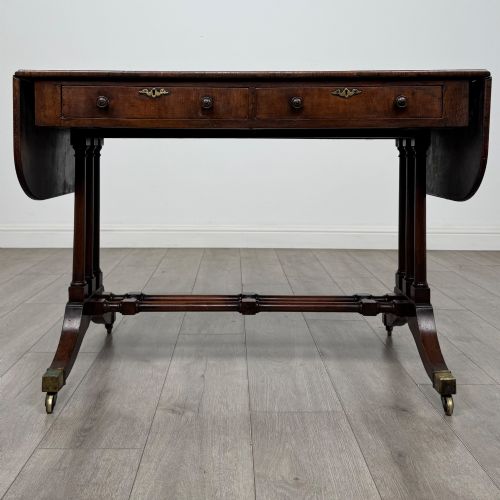
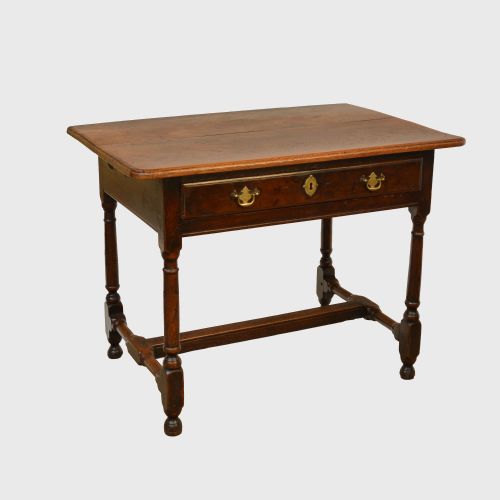
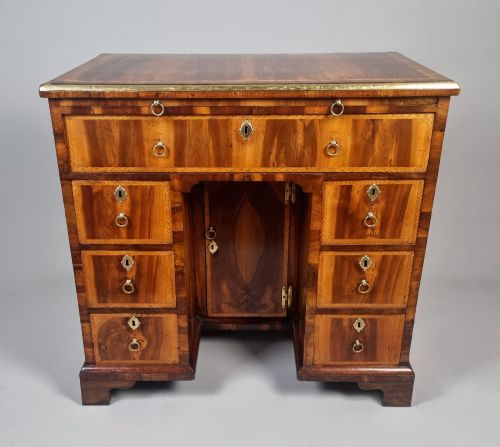
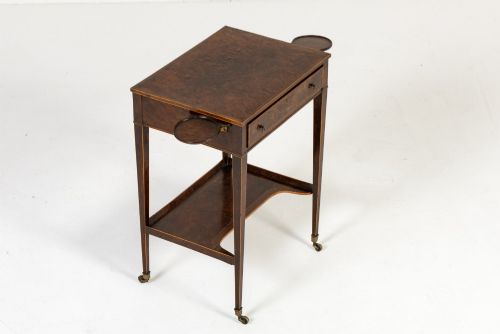
A georgian yew wood desk encompasses practical writing surfaces and compartmented writing furniture produced in native timber during the eighteenth and nineteenth centuries. These pieces reflect regional English cabinet-making traditions, favouring sturdy utilitarian forms over grand courtly excess.
Pieces span periods from the eighteenth century through to the Edwardian era, incorporating Georgian, Regency, and vernacular English country styles. This variety demonstrates the persistent appeal of yew wood across multiple generations of furniture production.
Materials and construction
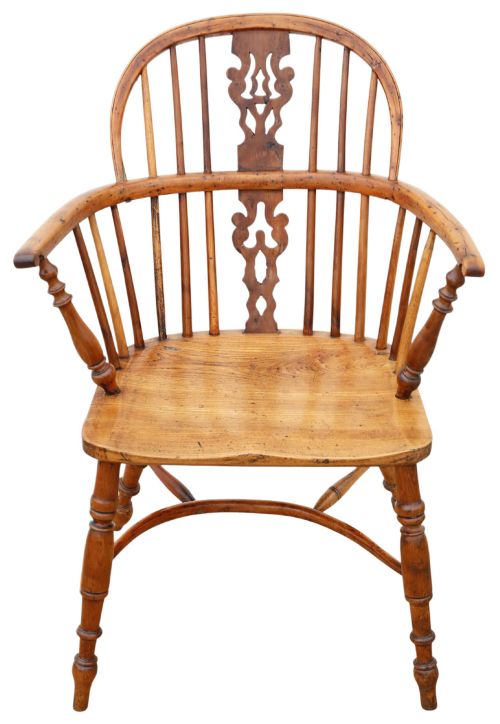
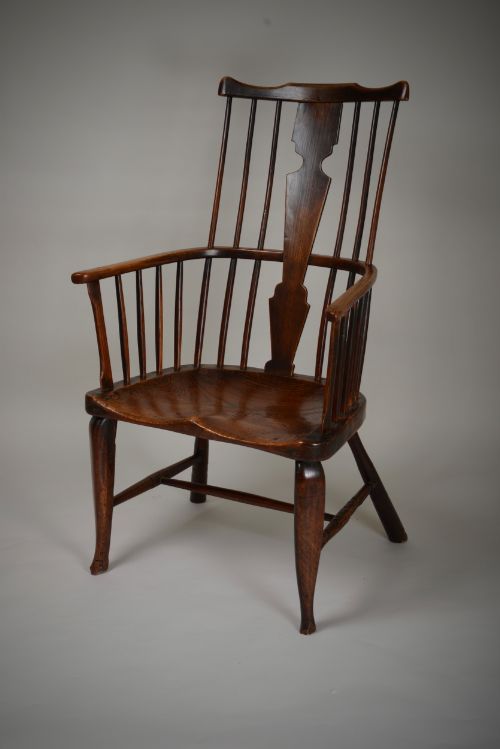
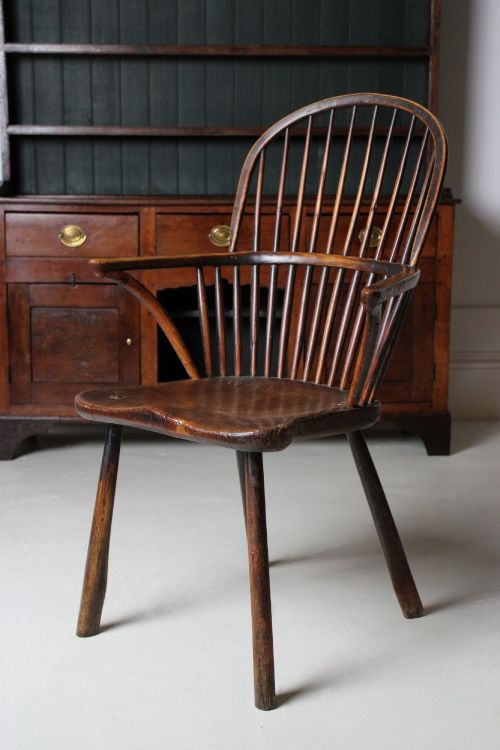
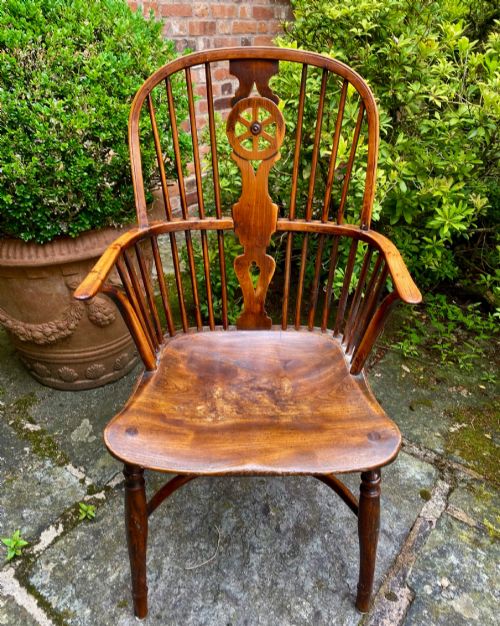
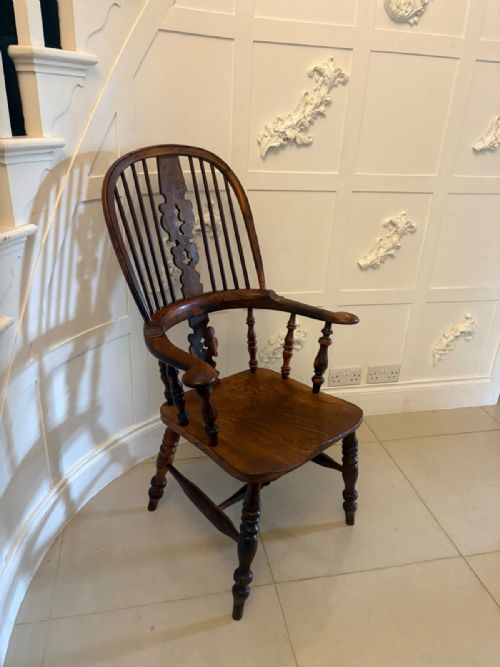
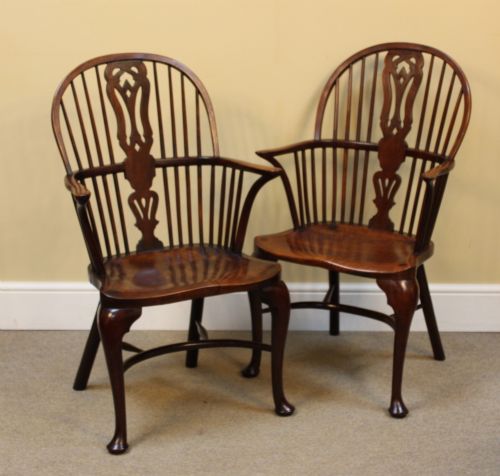
Makers combined yew wood with complementary native timbers such as elm, ash, and beech, particularly using elm for chair seats and table tops where tough durability was required. This mixed-timber construction provided structural stability, balancing the decorative figure of yew with resilient supporting frames.
Cabinet-makers and chair-wrights utilised traditional joinery techniques including dovetailing for drawers and wedged spindle construction for Windsor chairs. Metal elements were kept functional, featuring brass drop handles and escutcheons that complemented the dark, warm tones of the timber.
Makers occasionally hid repairs using wooden pegs carved from leftover branch knots, turning structural fixes into natural camouflage.
Assessing quality in yew furniture
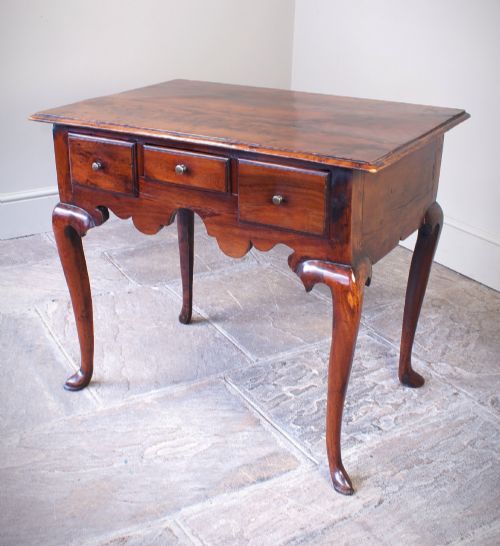
Quality rests upon the selection and figure of the timber, where heavily burred yew grain commands greater visual presence than straight-grained boards. The depth of the natural patina accumulated over centuries also separates superior items from plainer utility pieces.
Proportion and integrity of the original hardware influence the standing of a desk or table. Examples retaining their initial brasses and untouched framing display a coherence that heavily restored or altered pieces lack.
John Brand of Sleaford·Prior
The Georgian Yew Wood Desk Glossary
- Vernacular
- Furniture made by local craftsmen for regional use rather than high London workshops. These pieces follow traditional local patterns.
- Burr yew
- A growth deformity in the yew tree producing highly swirled, knotty grain patterns. It is prized for decorative veneering and solid tabletops.
- Bureau
- A sloping lidded desk enclosing small drawers and pigeonholes above a set of lower drawers. It serves as a compact writing cabinet.
- Lowboy
- A small side table with drawers, typically raised on tall legs. Eighteenth-century examples function as dressing or writing tables.
- Crinoline stretcher
- A bentwood horseshoe-shaped brace connecting the legs of a Windsor chair. It adds structural rigidity near the base.
Georgian Yew Wood Desk: Frequently Asked Questions
How do I care for yew wood?
Feed the timber periodically with a traditional beeswax polish to maintain the moisture and depth of the natural grain. Avoid placing the furniture in direct sunlight or near heat sources to prevent timber splitting.
Dust gently with a dry, soft cloth rather than using silicone-based sprays that build up residue over time. Proper environmental humidity keeps the old joints stable and secure.
What is a bureau bookcase?
A bureau bookcase combines a sloping desk compartment with upper shelving enclosed by doors. It provides both writing space and upright storage for books or papers.
The lower section folds down to create a writing surface supported by sliding lopers, revealing internal pigeonholes for correspondence.
Why is yew wood used?
Yew offers exceptional decorative qualities through its dense grain, rich contrasting tones, and natural burr formations. It is a native softwood that hardens significantly with age.
Cabinet-makers prized it for small statement pieces and writing furniture where visual texture enhanced the simple proportions of country furniture.
How to spot a Georgian piece?
Examine the construction methods, drawer linings, and timber types for eighteenth-century characteristics. Hand-cut dovetails and native woods like oak and elm indicate period authenticity.
Proportions tend to be smaller and more balanced than later Victorian reproductions, reflecting the functional demands of domestic life at the time.