


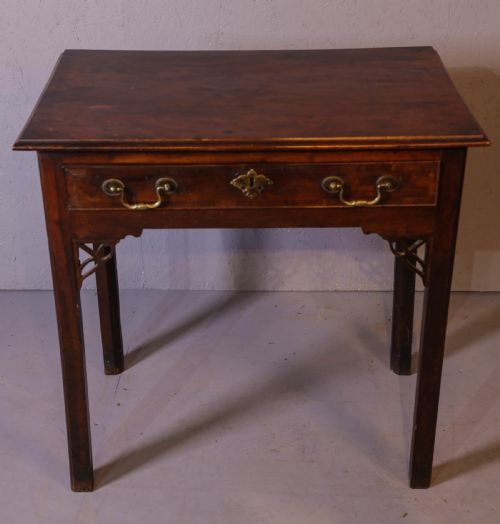


Antique Yew Writing Desk
An antique yew writing desk brings together rich timber and compact functionality, offering a characterful workspace shaped by centuries of cabinet-making.
Antique Yew Writing Desk
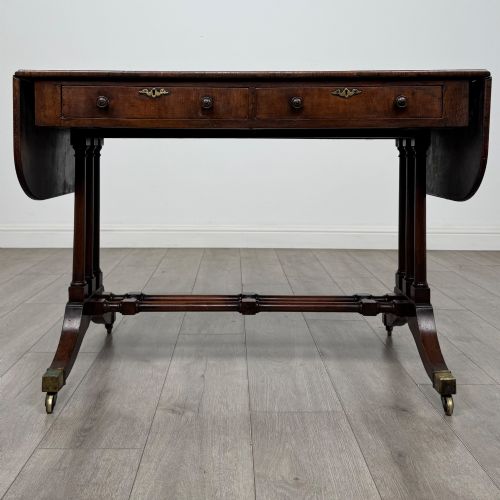
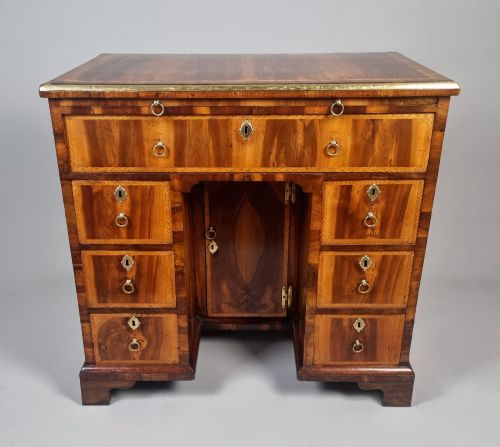
An antique yew writing desk encompasses various functional forms designed for correspondence and paperwork, ranging from small side tables and sofa tables to fitted bureaux and kneehole desks. These pieces span the eighteenth and nineteenth centuries, including Georgian, Regency, and Victorian eras, alongside Edwardian examples.
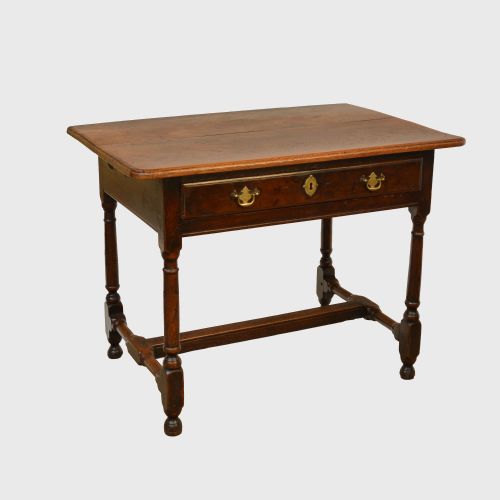
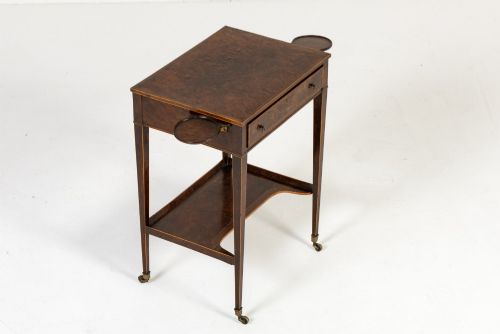
The version most commonly encountered on this page is the compact bureau or side table utilising native yew timber, often displaying the warm figuring typical of country workshop production. Makers across these periods also produced specialised writing furniture such as cylinder bureaux, bureau bookcases, and diminutive dressing tables.
Regional variations appear among the selection, reflecting distinct construction traditions from English country workshops to Irish Killarney ware and French provincial cabinets. Buyers searching for an antique yew writing desk will find both formal Georgian designs and more rustic vernacular pieces utilising secondary woods like elm and oak.
Distinctions in quality and execution
Quality rests heavily on the choice of timber figure, with burr yew and heavily figured veneers commanding attention for their visual depth. The finesse of the cabinet-making - visible in tight dovetails, smooth drawer action, and intact featherbanding - separates standard utility pieces from exceptional commissions.
Originality of surface and fittings dictates much of the standing of an antique yew writing desk. Pieces retaining their early or original brasses, uncompromised patination, and unaltered interior compartments represent the upper echelon of surviving examples.
Some miniature yew kneehole desks were built as detailed master cabinet-maker's samples to demonstrate precise joinery skills to prospective clients.
The Antique Yew Writing Desk Glossary
- Bureau
- A writing cabinet featuring a sloping fall-front that opens to reveal a fitted interior of small drawers and pigeonholes. This form provides a concealed workspace that can be closed when not in use.
- Kneehole desk
- A compact desk featuring a central recessed space for the legs, flanked by pedestals of small drawers. Georgian examples often conceal a small secret drawer within the central arch.
- Featherbanding
- A decorative inlay technique using small strips of veneer laid diagonally to form a herringbone pattern around drawer perimeters. It frames the primary wood grain with precision.
- Burr yew
- The knotty, highly figured growth from the yew tree sliced into decorative veneer. This material exhibits intense swirling patterns prized by period cabinet-makers.
- Secretaire
- A piece of furniture containing a pull-down writing drawer disguised as a standard drawer fascia. It combines chest-of-drawers utility with integrated desk space.
Antique Yew Writing Desk: Frequently Asked Questions
How do I clean an antique yew surface?
Apply a traditional beeswax polish sparingly with a soft cloth and buff gently to maintain the natural lustre of the timber. Avoid modern silicone sprays or excessive moisture, which can penetrate old finishes and damage the wood.
Regular dusting with a dry lint-free cloth prevents dirt accumulation in the grain and carved details. Preserving the existing patina requires patience and gentle maintenance rather than aggressive cleaning.
Can I use a yew writing desk daily?
These historical desks function well for contemporary writing and laptop use if treated with appropriate care and respect for their age. Placing a protective blotter on the writing surface prevents accidental ink stains or surface scratching.
Keep the timber away from direct heat sources and strong sunlight to prevent the yew veneer from drying out or splitting. Stable room humidity preserves both the solid wood carcase and the internal drawer construction.
What distinguishes Georgian yew from Victorian pieces?
Georgian pieces from the eighteenth century typically exhibit restrained proportions, fine dovetailing, and understated bracket feet or straightforward kneehole layouts. Cabinet-makers of this era focused on timber selection and structural integrity.
Victorian and later nineteenth-century examples often incorporate revival styles, such as Regency or French provincial influences, alongside machine-sawn veneers. The interior fittings also shifted slightly in layout to accommodate changing stationery formats.
Are original brass handles important?
Original brass handles and escutcheons contribute significantly to the historical integrity and visual harmony of an antique desk. Their presence indicates that the piece has survived centuries without major alteration or replacement of hardware.
Replacement brasses are common on vernacular furniture, though matching period-appropriate hardware remains an acceptable restoration choice. Collectors naturally lean towards pieces retaining their initial mountings and undisturbed fixing holes.