
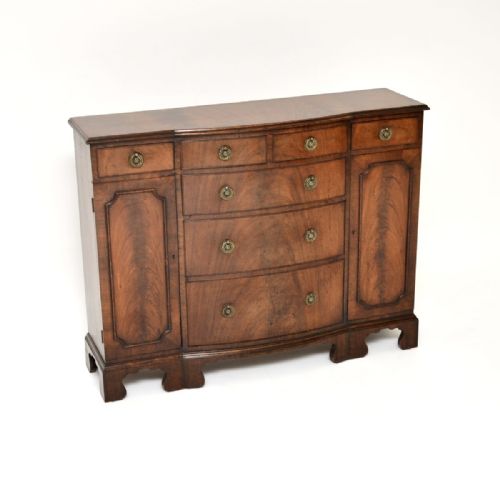
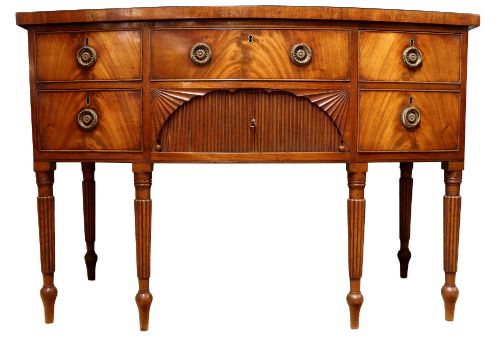
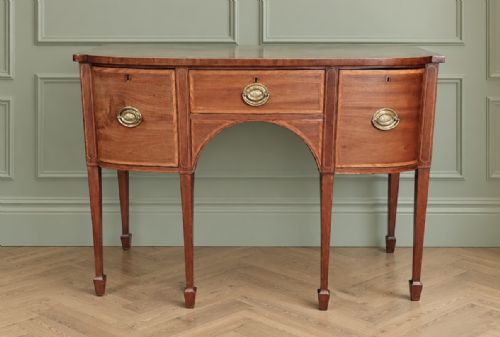
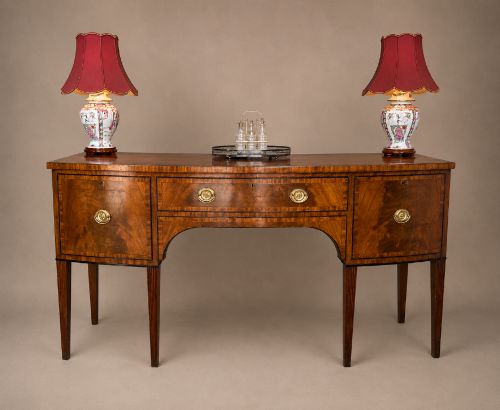
Georgian Wooden Dining Table
A georgian wooden dining table grounds a room with heavy timber, dark polished grains, and centuries of daily dinners.
Georgian Wooden Dining Table
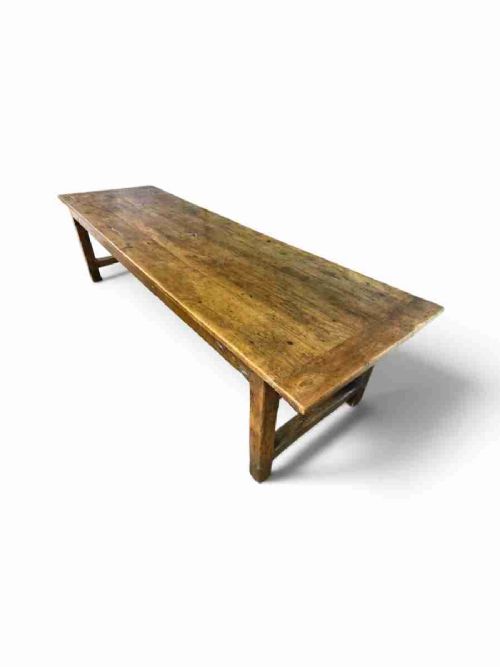
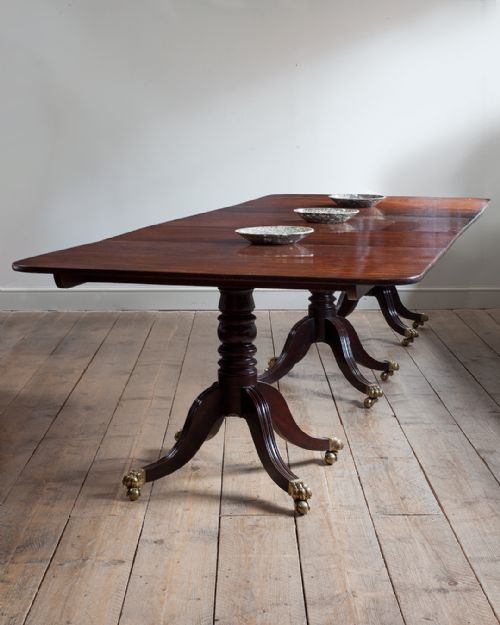
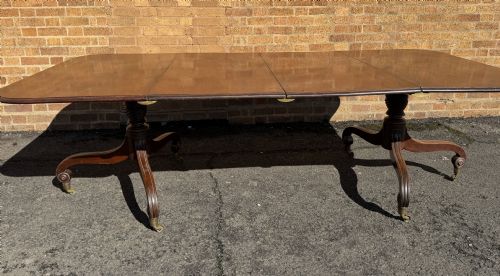
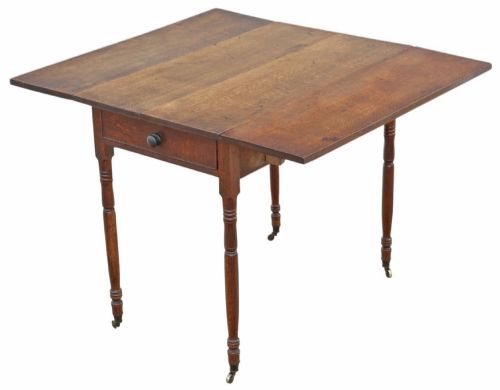
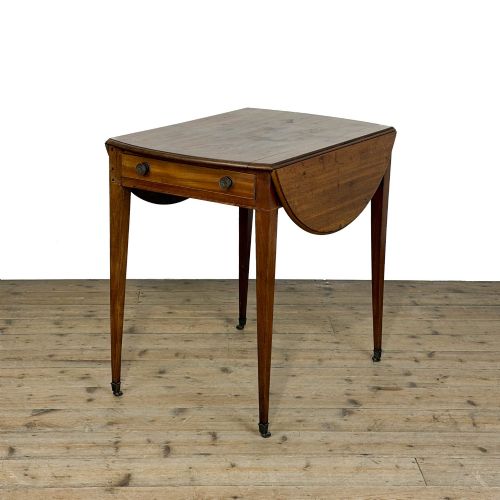
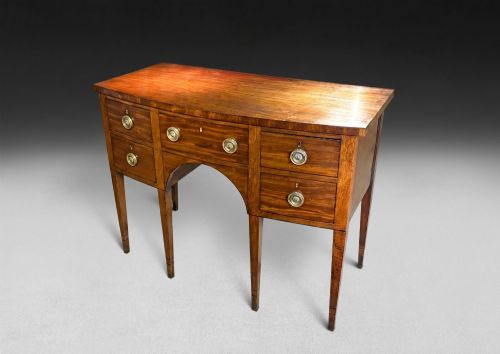
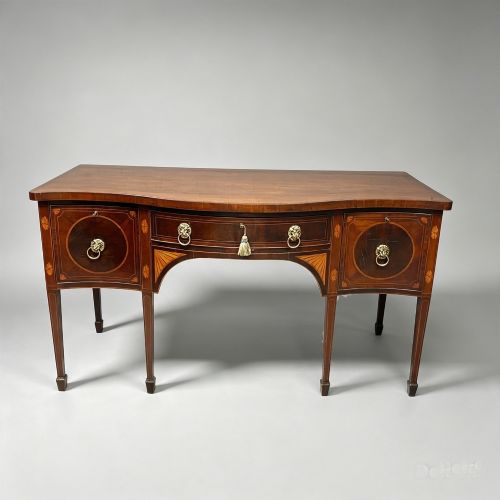
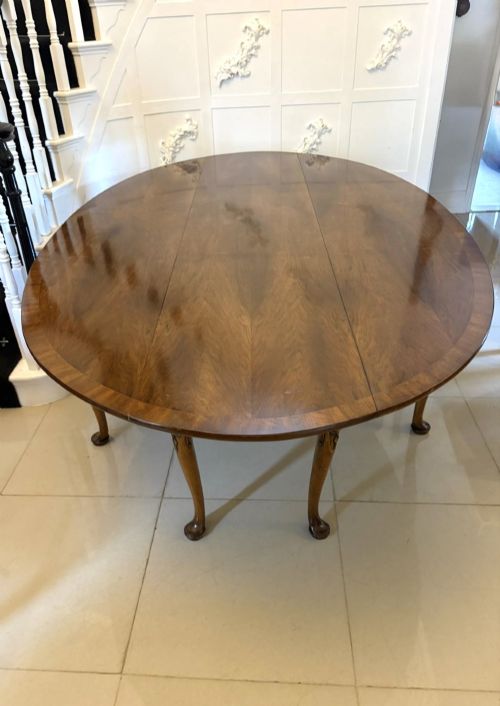
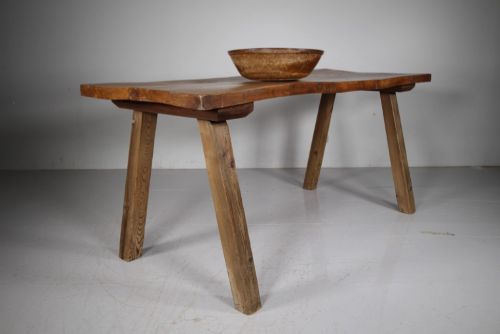
When you search for a georgian wooden dining table, you encounter massive oak farmhouse boards, twin-pillar mahogany dining tables, and drop-leaf gateleg pieces built during the eighteenth and early nineteenth centuries. The selection includes country-made elm tables alongside formal grand pedestals designed for large family gatherings.
Most pieces on this page span the 18th century, the Regency period, and the early 1900s revival era, reflecting a mix of formal townhouse furniture and robust rural craftsmanship. Oak and mahogany dominate the offerings, matched with walnut, elm, and sycamore in various drop-leaf, extending, and refectory formats.
Materials and construction
Cabinet makers relied on solid mahogany, oak, and walnut, often pairing figured top veneers with sturdy secondary timbers like beech or pine. Drop-leaf and gateleg versions utilise wooden hinges, pivoting legs, and original iron fixings to support folding flaps.
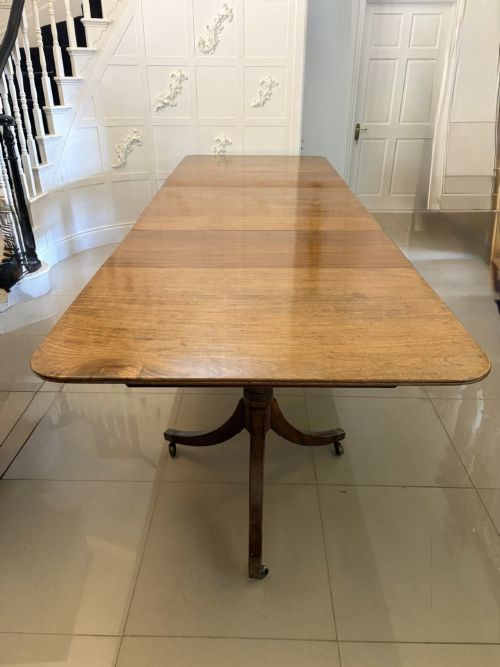
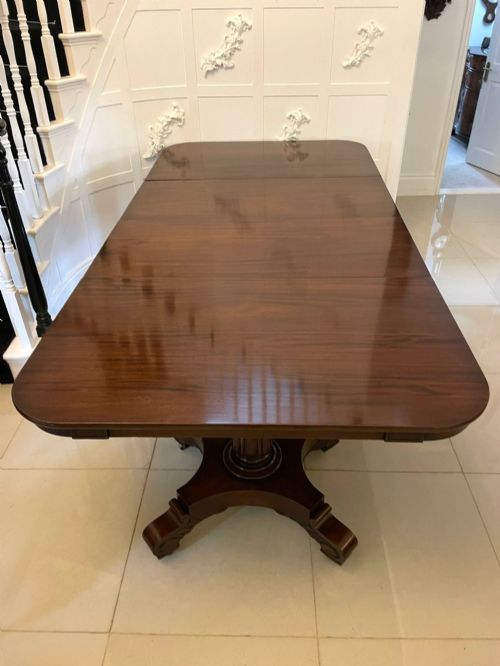
Extending models incorporate multiple pedestals with reeded legs, brass castors, and drop-in leaves that allow the timber to expand. Surface treatments depend on the wood type, yielding a warm patina on eighteenth-century oak planks and a deep gloss on Regency mahogany.
Several tables show old ink stains and knife marks, proving they witnessed centuries of messy family dinners before reaching the marketplace.
What separates the grades
The distinction between standard utility furniture and superior examples lies in the selection of figured mahogany or thick, unblemished oak planks for the top surface. Superior tables display cohesive grain patterns across extended leaves and retain their original pedestals, brass castors, and structural turning.
Country pieces show quality through the integrity of their primitive elm or beech frames and the depth of the faded patina built up over generations. Altered heights, replaced leaves, or heavily stripped surfaces distinguish standard workshop adjustments from well-preserved survivals.
M. D. Miller & Sons
The Georgian Wooden Dining Table Glossary
- Pedestal
- A central column support resting on splayed legs, often fitted with brass castors to allow smooth movement. Multiple pedestals carry longer extending dining boards.
- Gateleg
- A table featuring hinged flaps supported by swing-out legs that resemble a gate opening. This design allows the surface area to expand or contract easily.
- Patina
- The deep sheen and surface character acquired by wood through age, wax polishing, and continuous use. A warm patina indicates decades of proper maintenance.
- Drop-leaf
- A table style with a fixed centre section and movable flaps on either side. These flaps drop down when not in use to save floor space.
- Reeded
- A decorative moulding cut into timber legs or columns, consisting of parallel convex rounded parallel lines. This detail appears frequently on Regency furniture.
Georgian Wooden Dining Table: Frequently Asked Questions
How do I seat ten people?
Look for triple pedestal extending tables or large wake tables designed with substantial lengths. These formats accommodate multiple leaves to expand seating capacity safely.
Check the clearance beneath the frieze and the placement of the pillar legs to ensure chairs slide in comfortably without blocking guests.
Are drop-leaf tables practical?
Drop-leaf formats work well in flexible spaces because the flaps fold down to reduce the footprint against a wall. Raising the leaves creates a sturdy surface for daily meals.
Inspect the swing legs and hinge mechanisms underneath to make sure the extended leaves remain level and stable under weight.
How do I maintain the wood?
Keep wooden surfaces clean using a soft cloth and apply quality beeswax periodically to nourish the grain. Avoid placing tables near direct heat sources to prevent timber splitting.
Use coasters and placemats to protect the polished finish from moisture and heat marks during everyday use.
How do I spot a Regency table?
Regency pieces often feature dark mahogany timbers, reeded column legs, and brass paw castors. The design leans toward classical architectural lines inspired by Greek and Roman forms.
Examine the underframe and construction joints to confirm the period materials match the expected mahogany or rosewood veneers of the early nineteenth century.