



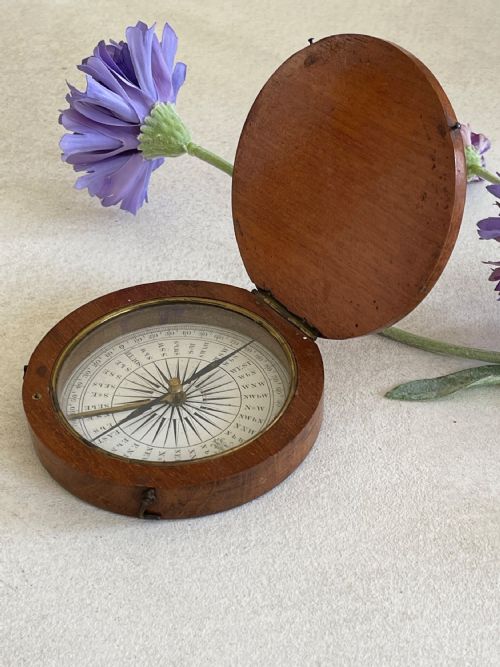
Georgian Wooden Desk Box
A georgian wooden desk box offers sturdy portable storage, making it a practical choice for organising correspondence.
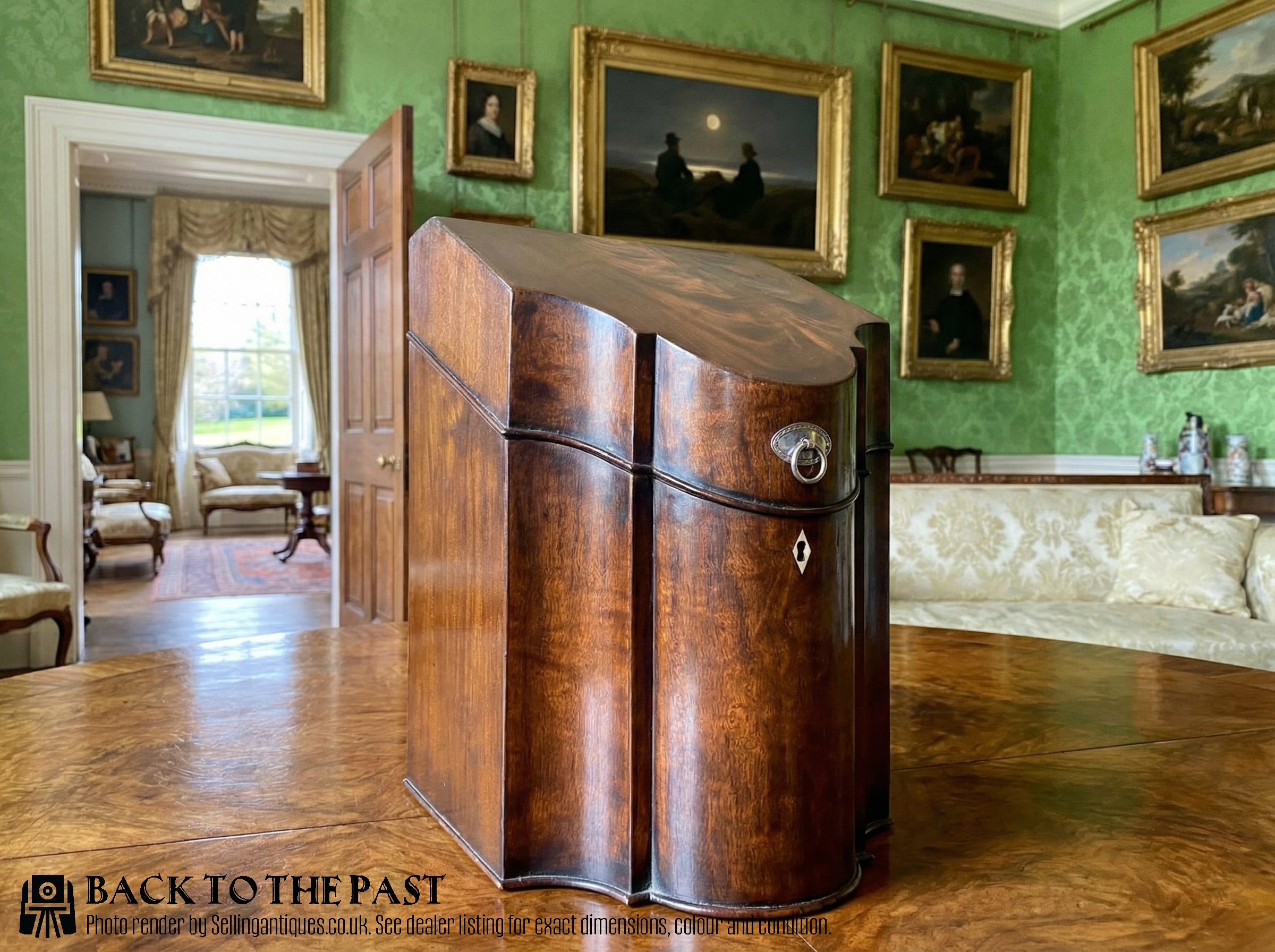
Georgian Wooden Desk Box
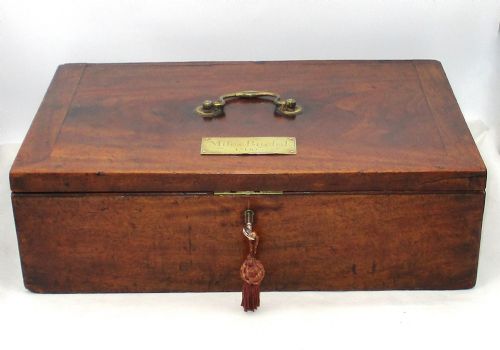
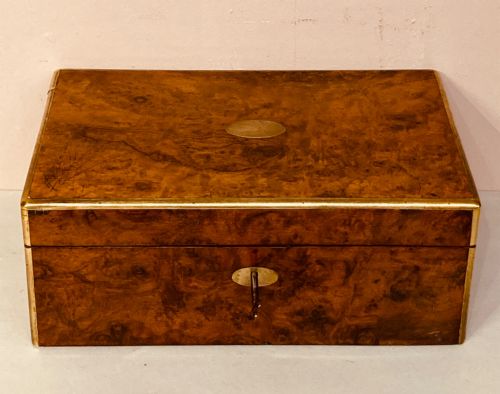
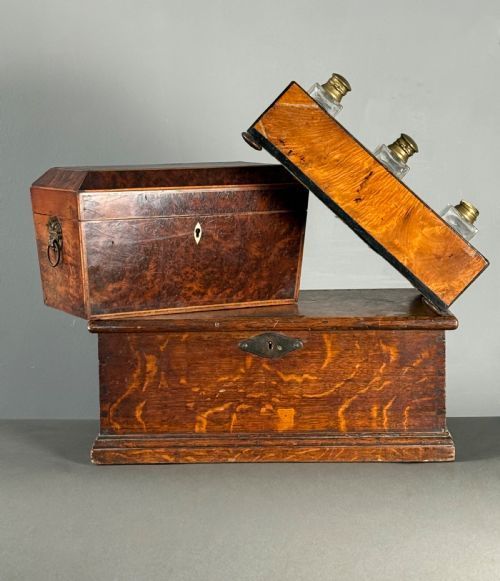
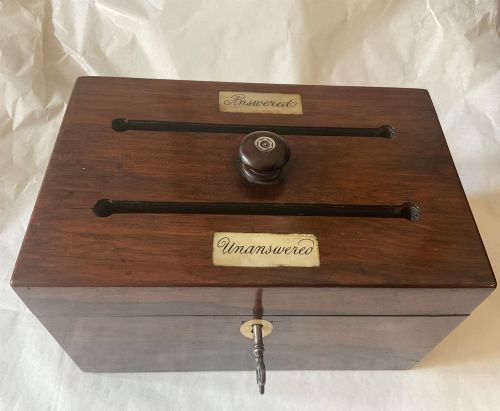
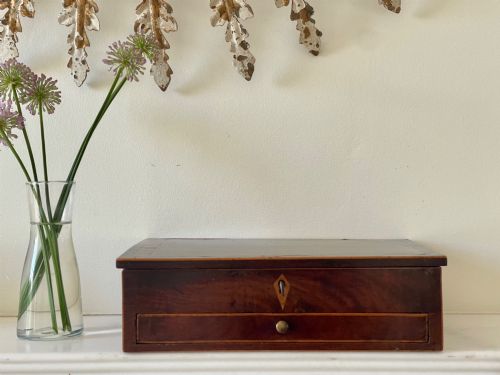
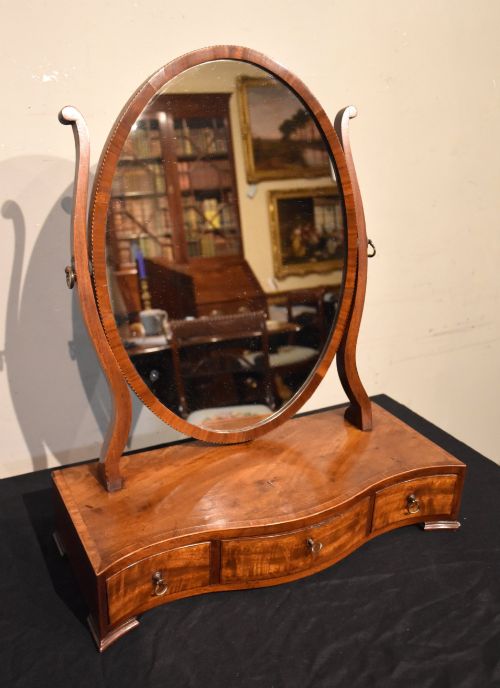
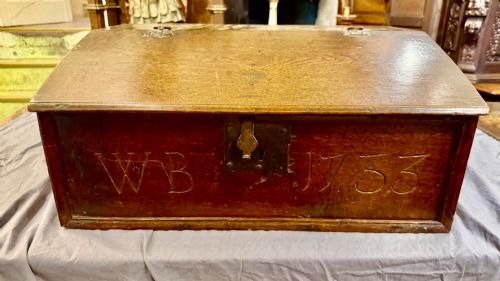
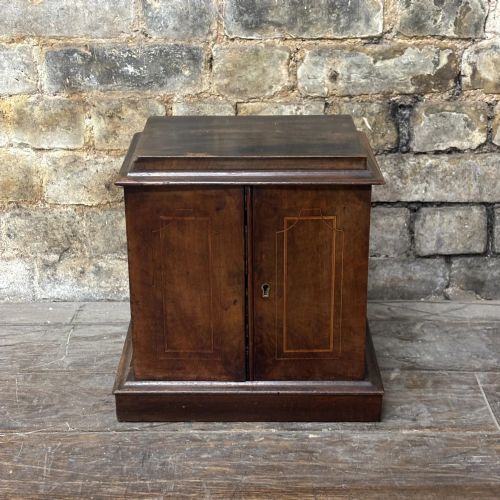
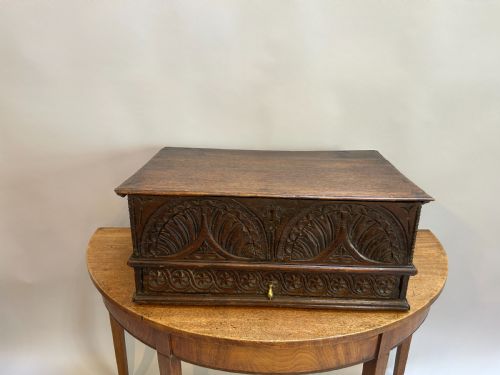
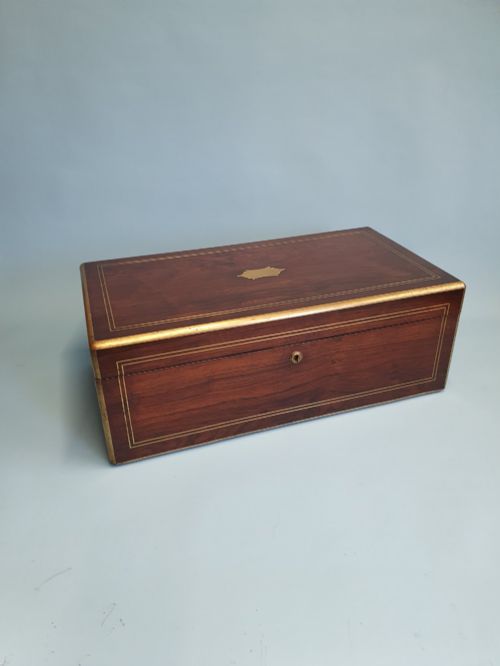
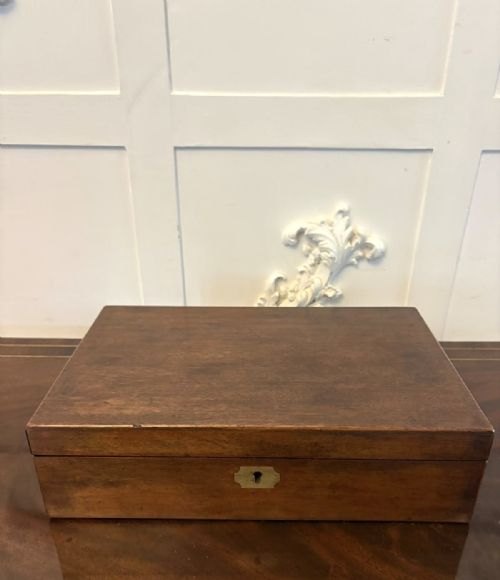
When searching for a georgian wooden desk box, buyers encounter items designed for portable writing and secure document storage. These pieces range from early oak bible boxes to refined rosewood and mahogany writing slopes.
Makers of the period constructed these utilitarian items to house paper, ink, and valuables securely. Many feature hinged lids that fold down to form a sloping writing surface.
How they were made
Craftsmen utilised solid hardwoods including mahogany, oak, walnut, and rosewood, often pairing them with contrasting satinwood or mother of pearl details. Timber selection prioritized both durability and rich natural grain patterns.
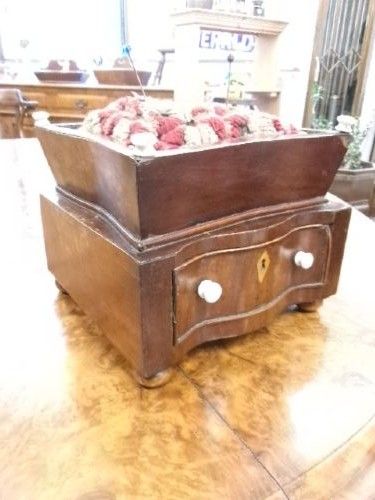
Construction techniques involved precise dovetail joints and brass hardware reinforcements such as corner mounts and binding. Many examples incorporate hidden compartments and secret drawers operated by concealed release mechanisms.
Several boxes still contain tiny hidden compartments designed long ago to outsmart sticky-fingered houseguests and wandering servants.
What varies in quality
Quality rests upon the choice of timber figurations, such as flame mahogany or burr walnut veneers, and the precision of the joinery. Superior examples display tightly fitted interior partitions and intact original brass fittings.
The presence of functioning secret drawers and complete interior fittings elevates an item's standing. Finer pieces maintain their original surface patination without excessive modern intervention.
William Austin
The Georgian Wooden Desk Box Glossary
- Writing slope
- A portable box with a slanted writing surface that lifts to reveal storage space for paper and stationery. These often include fitted slots for inkwells and pens.
- Bible box
- A sturdy wooden box, usually dating from the seventeenth or eighteenth century, originally built to hold religious texts and documents. They frequently feature simple rectangular oak construction with hinged lids.
- Secret drawer
- A concealed compartment built into a desk or box to secure valuables. Access typically requires manipulating a hidden spring or removing an interior partition.
- Campaign style
- Furniture and boxes designed for travel, featuring brass corners, flush handles, and robust construction to withstand movement. These pieces originate from military contexts.
- Dovetail
- A joinery method interlocking wedge-shaped fingers of wood to create a strong corner bond. This joint provides lasting durability without relying entirely on metal fasteners.
Georgian Wooden Desk Box: Frequently Asked Questions
What is a georgian wooden desk box used for?
These boxes provided a portable writing surface and secure storage for letters, documents, and writing implements before fitted desks became common.
Owners carried them between rooms or on journeys to maintain correspondence away from a permanent study.
How do I spot a secret drawer?
Secret drawers often hide behind movable partitions, false bottoms, or dummy fronts within the stationery storage area.
Finding them usually requires sliding out pen trays or pressing hidden spring wooden catches.
Are these boxes suitable for daily use?
Solid hardwood construction and robust brass hinges make these pieces durable enough to hold modern letters, stationery, or jewellery.
Care should be taken to protect antique wood surfaces from moisture and direct sunlight.
How can I tell the period?
Dating relies on timber choices, such as early oak versus later rosewood and mahogany, alongside hardware styles and construction methods.
Hand-cut dovetails and vernacular joinery point to earlier centuries, while brass inlay often indicates the Regency era.