
Georgian Wine Stand
A georgian wine stand brings portable elegance to the room, holding bottles or glasses close at hand.
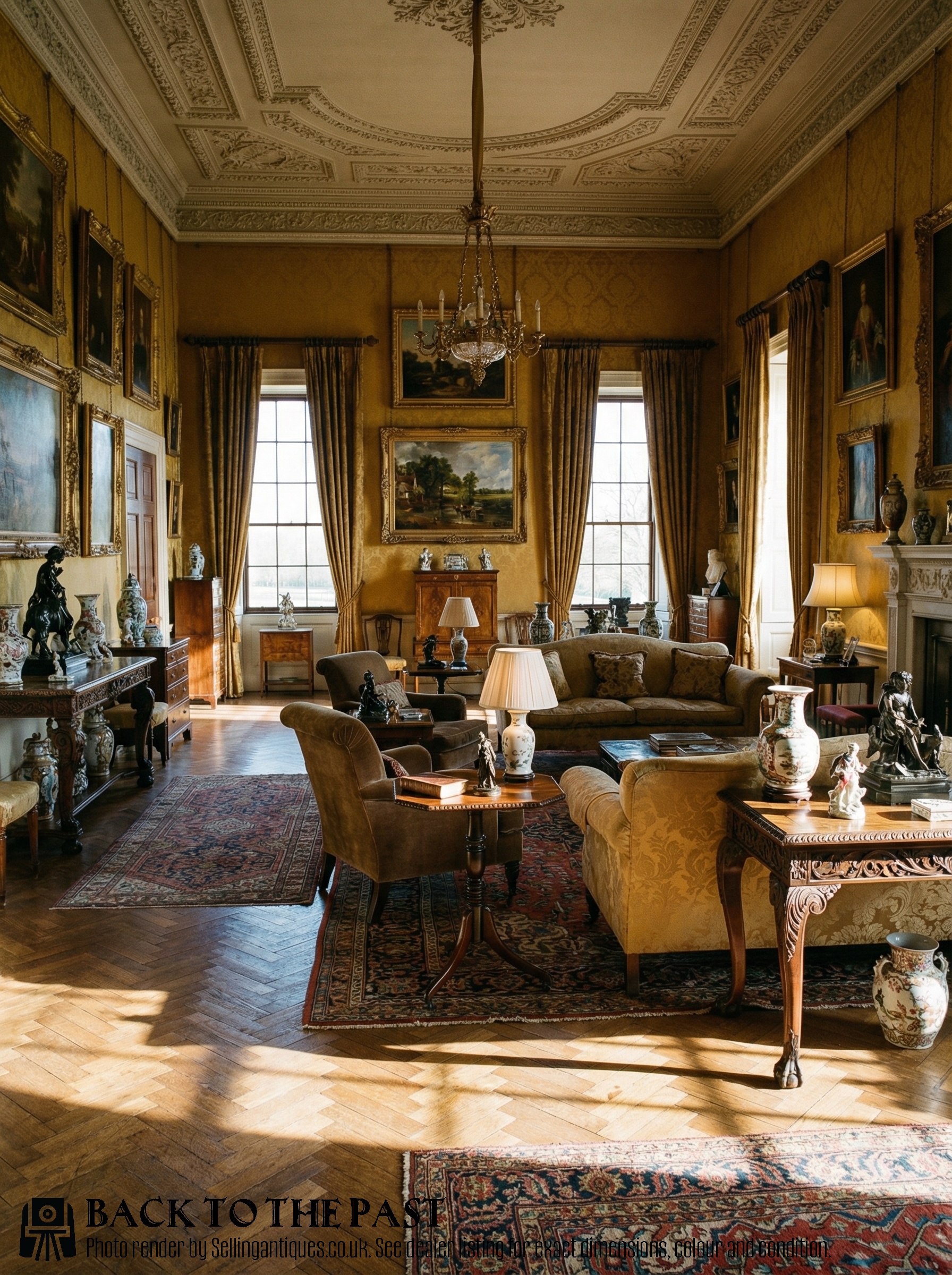
What a Georgian wine stand is
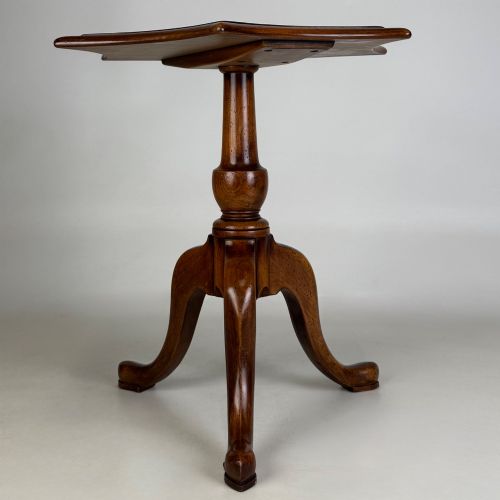
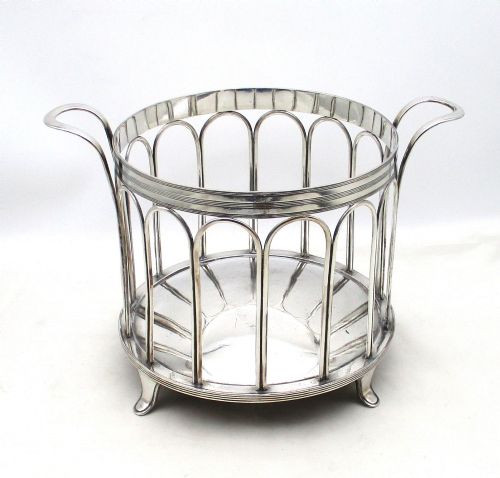
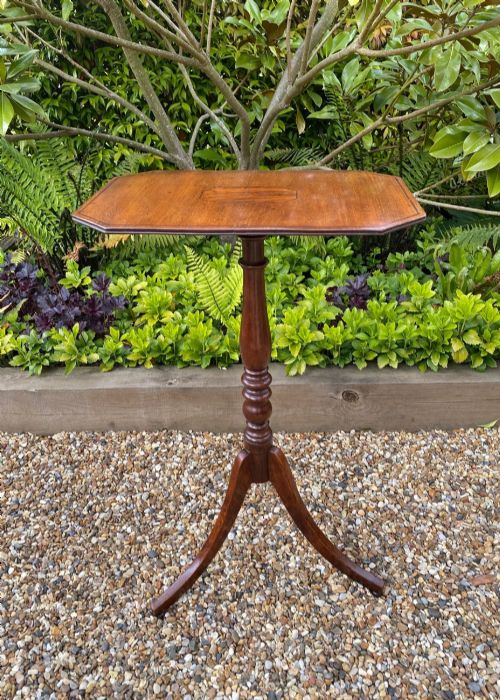
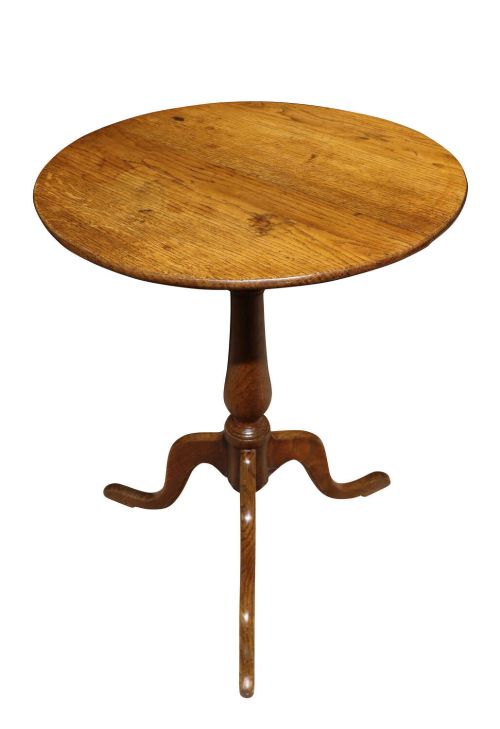
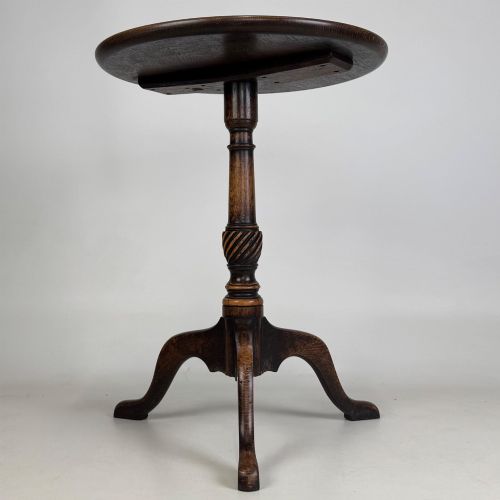
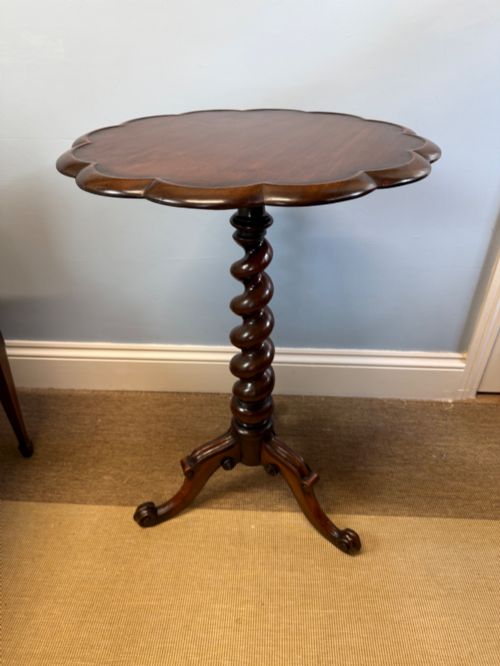
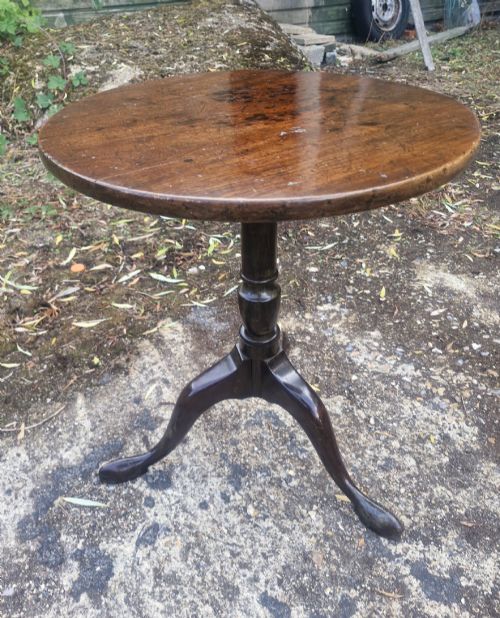
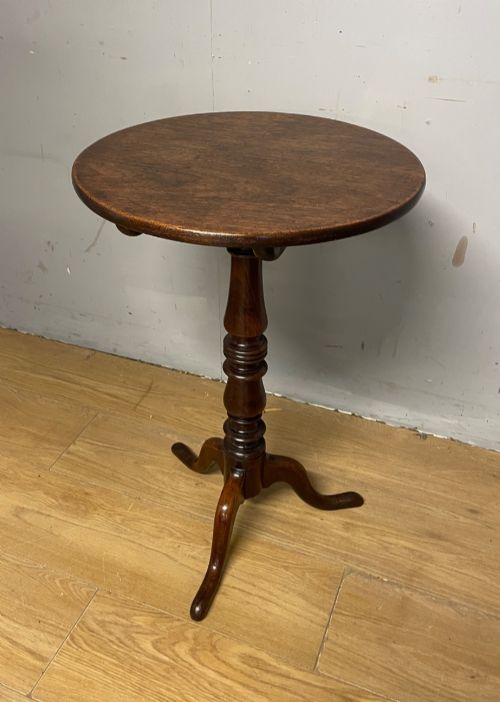
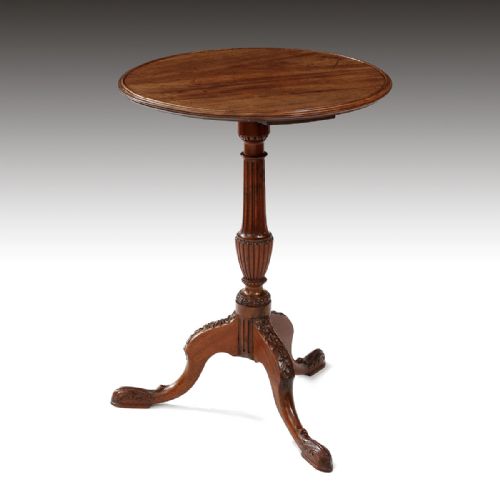
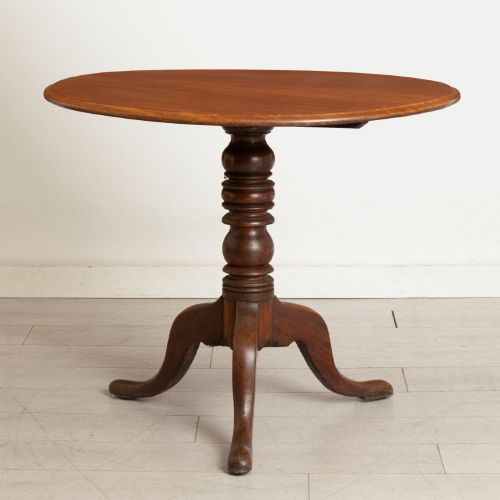
A georgian wine stand encompasses compact tripod tables, silver funnel stands, and larger cellarets or coolers raised on stands. These pieces served the dining room or parlour by holding beverages and drinking vessels securely during social gatherings.
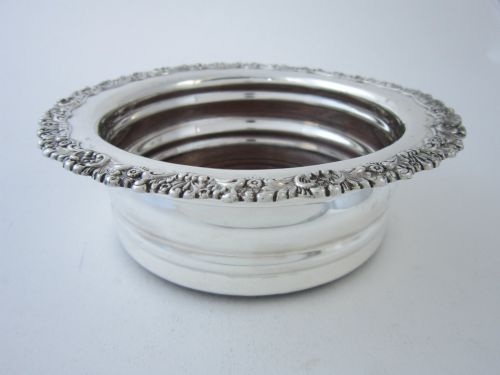
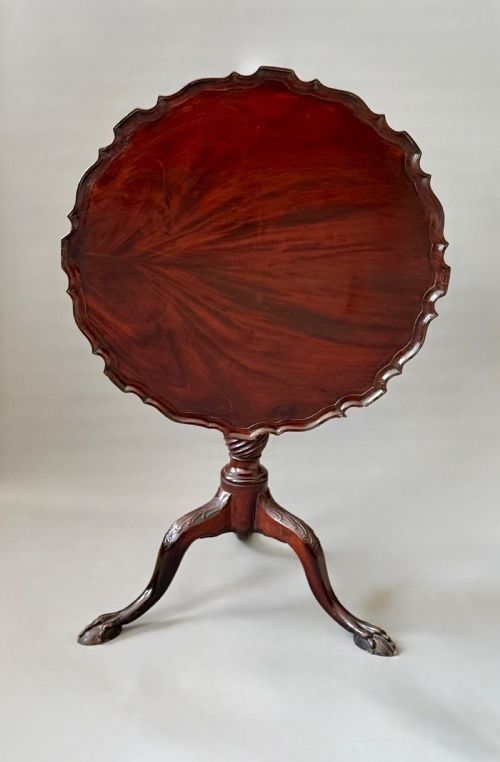
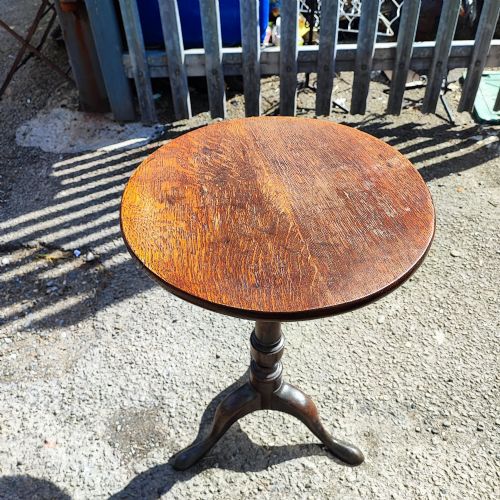
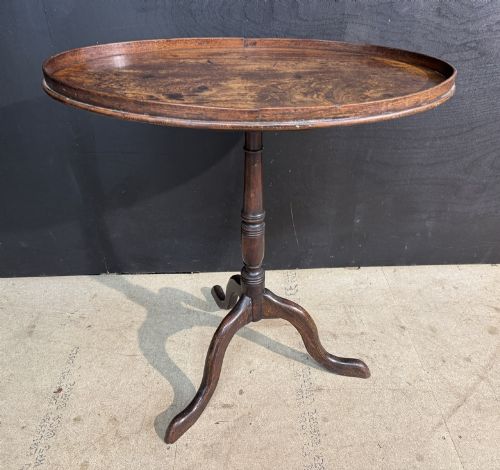
The versions most commonly met on this page are mahogany tripod tables and wine coolers, reflecting the forms surviving from the eighteenth and nineteenth centuries. Alongside these wooden items, silver stands designed to hold wine funnels appear in the historical record.
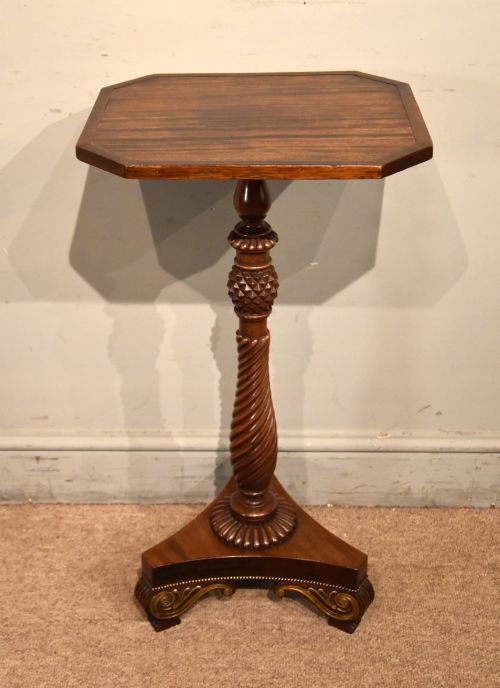
The stylistic language spans the Chippendale period, Regency, and William IV eras, showing how domestic furniture evolved across these decades. Forms range from simple dish tops to octagonal occasional tables and brass-bound coolers.
Materials and construction
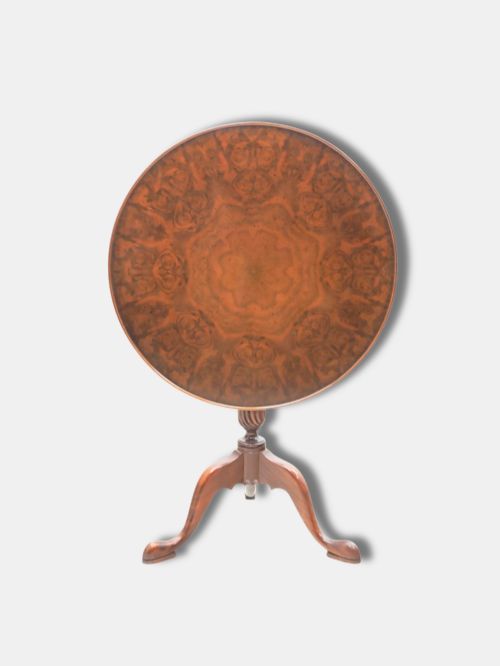
Cabinet makers worked primarily in timber, utilising mahogany, flame mahogany veneer, rosewood, and red walnut to achieve rich surfaces. Brass fittings appear frequently, particularly as bands on coolers or structural accents on tripod supports.
Silver stands were fashioned by silversmiths using traditional smithing techniques, creating small vessels and bases meant to catch drips from funnels. Woodworking methods included turned pedestals, tripod legs, and detailed edge mouldings suited to small-scale occasional tables.
Retail Price Guide 2026
Typical UK retail prices for georgian wine stand, calculated from the Sellingantiques database of over a million retail prices indexed since 2003. This retail price guide relies exclusively on Sellingantiques data; no external sources or auction records are used, so the figures do not describe the wider market.
Listings and archives show timber choices spanning mahogany, flame mahogany veneer, rosewood, and red walnut, alongside silver items.
Distinctions in quality
The refinement of the timber selection dictates the visual impact, with figured flame mahogany veneer or well-chosen rosewood elevating a piece above plain stock. Crispness in the turning of pedestals and the carving of tripod legs shows the hand of a more skilled workshop.
In silver examples, the clarity of hallmarks and the weight of the metal separate standard production from finer silversmith work. Hardware integration, such as solid brass banding on coolers, further separates robust utilitarian items from finer decorative examples.
John Emes·Bateman·Gillows
The Georgian Wine Stand Glossary
- Tripod table
- A small freestanding table supported by a central pillar and three legs. This form allowed easy movement around a room.
- Wine cooler
- A vessel designed to chill bottles, often lined and sometimes mounted on its own stand. They kept wine at the correct temperature during lengthy dining sessions.
- Flame mahogany veneer
- A thin layer of timber sliced from wood with a distinctive flickering grain pattern. Cabinet makers applied this to prominent surfaces for visual depth.
- Dish top
- A table top with a raised edge carved from the solid wood. This prevented glasses or decanters from sliding off.
Frequently Asked Questions
What is the difference between a wine table and a wine cooler?
A wine table is a small occasional piece designed to hold glasses and bottles on a surface. A wine cooler is a deep vessel intended for chilling bottles.
Coolers often sit on stands or incorporate brass banding, whereas tables rely on timber tripod bases.
How were silver wine funnel stands used?
Silver funnel stands caught the drips from wine funnels when decanting port or other aged wines. They sat on the sideboard alongside the decanter.
These small silver pieces matched the funnels used to strain sediment from the bottle.
Which woods appear most often?
Mahogany forms the majority of the wooden pieces, appearing in solid form or as flame mahogany veneer. Rosewood and red walnut also appear in nineteenth-century examples.
These dense hardwoods provided the durability needed for portable occasional furniture.
How do I tell Regency pieces from earlier Georgian work?
Regency and William IV pieces often introduce rosewood and more robust or architectural forms. Earlier eighteenth-century pieces lean towards tripod designs in mahogany with subtle dish tops.
Stylistic markers such as brass mounts and heavier turned pillars help distinguish the later nineteenth-century items.