



Georgian Watercolour Picture
A georgian watercolour picture brings the delicate hues of past centuries into modern rooms through intimate portraits and landscape scenes.
Georgian Watercolour Picture
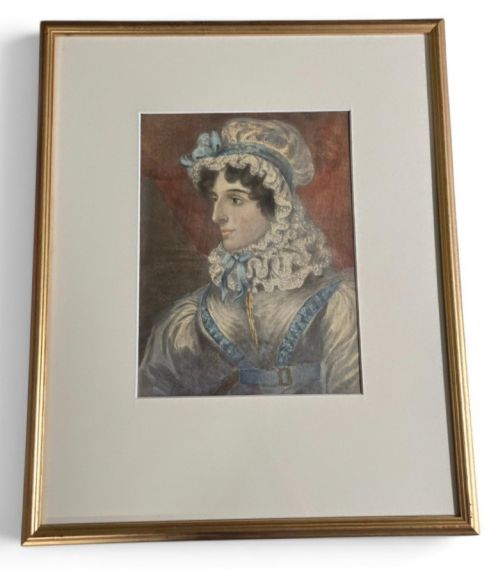
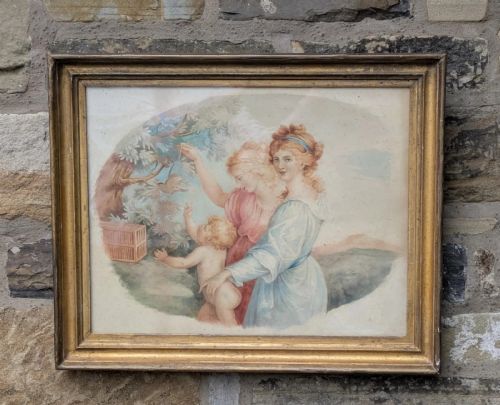
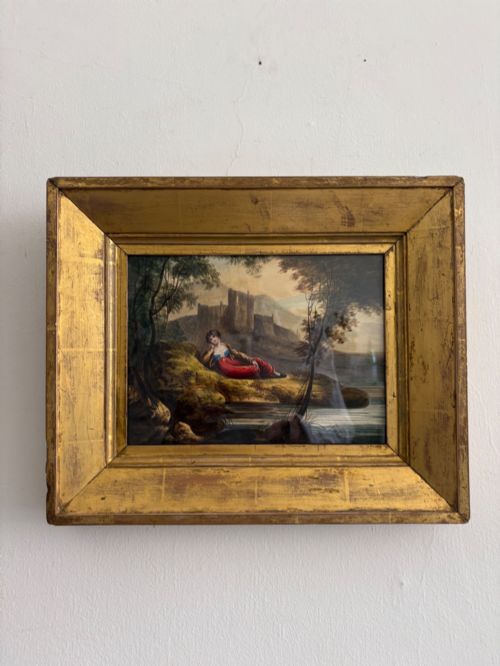
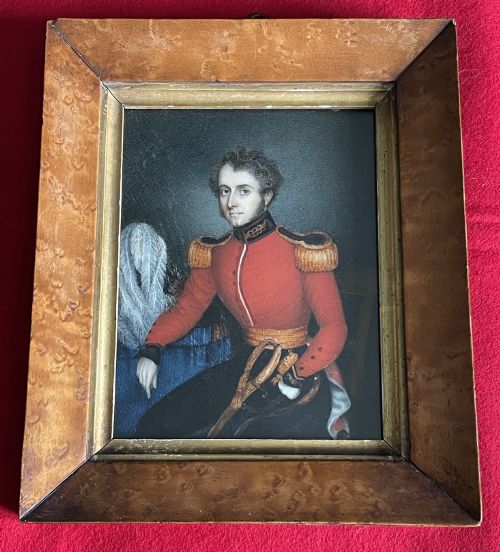
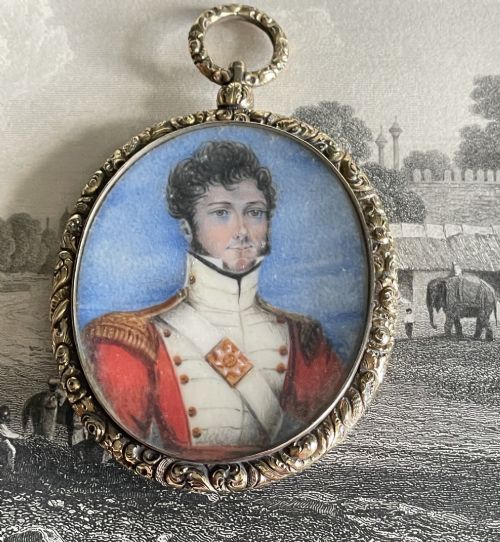
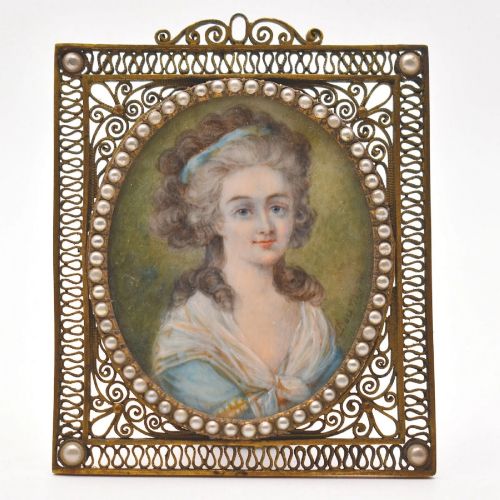
A georgian watercolour picture encompasses framed artwork and delicate portrait miniatures created across the eighteenth and nineteenth centuries. Collectors frequently encounter oval and circular compositions depicting sitters in elaborate bonnets or military uniforms, alongside maritime views and classical scenes.
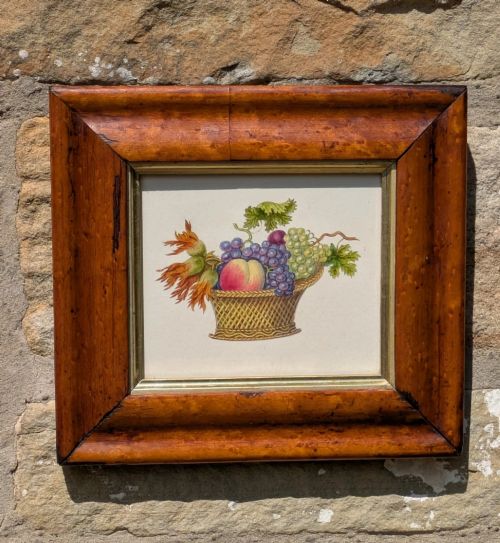
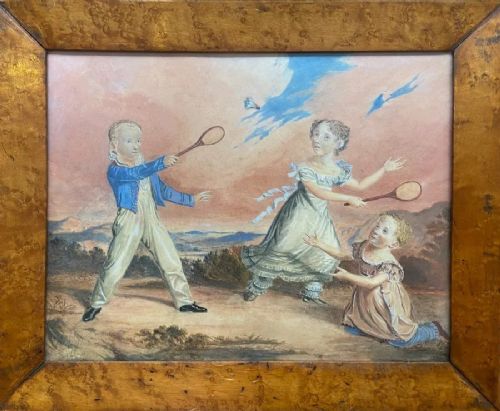
The objects span Georgian, Regency and Victorian periods, stretching from neat domestic interiors to expansive landscape paintings. Smaller examples arrive housed in original maple frames or gilt metal stands designed for desk display.
Materials and Technique
Makers applied water-based pigments to paper surfaces, sometimes combining pencil underdrawing with cut paper silhouettes or gum arabic to heighten specific details. Portrait miniatures on paper or ivory frequently incorporate seed pearl embellishments.
Finished works found protection beneath glass within wooden frames finished with gold leaf, gilt wood or plain gilt metal mouldings.
Listings feature paper, glass, and wood alongside gold leaf and gilt metal mounts.
Visual Merit and Preservation
The integrity of the original mount, such as an untouched maple frame or a secure gilt metal stand, elevates the historical completeness of the piece.
William James Hubard·Charles Hayter·Frederick Buck·George Hargreaves·Thomas Woolnoth
The Georgian Watercolour Picture Glossary
- Watercolour
- A painting method where fine pigments are suspended in a water-soluble binder applied to paper. This medium allows for translucent washes and delicate layering.
- Portrait miniature
- A small-scale painted likeness intended for personal portability or intimate display. These objects often measure only a few inches across.
- Gilt metal
- Base metal treated with a thin layer of gold or gold-coloured finish. It provides decorative framing for miniature works.
- Regency
- A stylistic period spanning the early nineteenth century characterised by neoclassical influence. Pieces from this era often feature clean lines and refined classical motifs.
- Provenance
- The documented history of ownership attached to an artwork. It helps establish authenticity and historical context.
Georgian Watercolour Picture: Frequently Asked Questions
How should I hang these watercolours?
Keep them away from direct sunlight to prevent the pigments from fading over time.
Position them at eye level in rooms with stable humidity levels to protect the paper.
Were these miniatures meant to be worn?
Many portrait miniatures served as personal tokens kept inside pocket watches, lockets or small desk stands.
Others were designed strictly for wall hanging in small domestic groupings.
How do I spot a later frame?
Original frames often show minor shrinkage cracks and mellowed gilding consistent with age.
Check the reverse for old backing papers, nails or inscriptions that match the period of the artwork.
What subjects are most common?
Portraits of officers, country gentlemen and ladies in period dress dominate the surviving examples.
Landscapes, maritime scenes and literary illustrations appear less frequently but offer notable variety.