




Georgian Children Portrait Painting
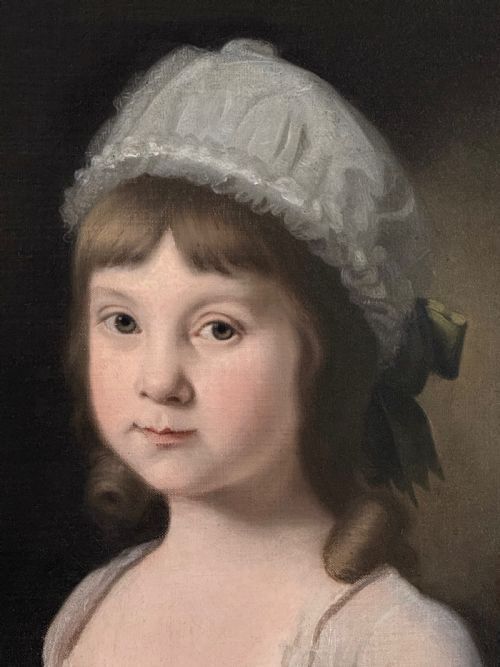
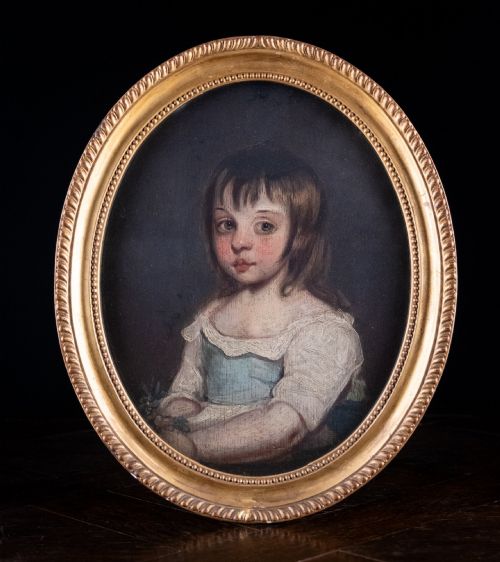
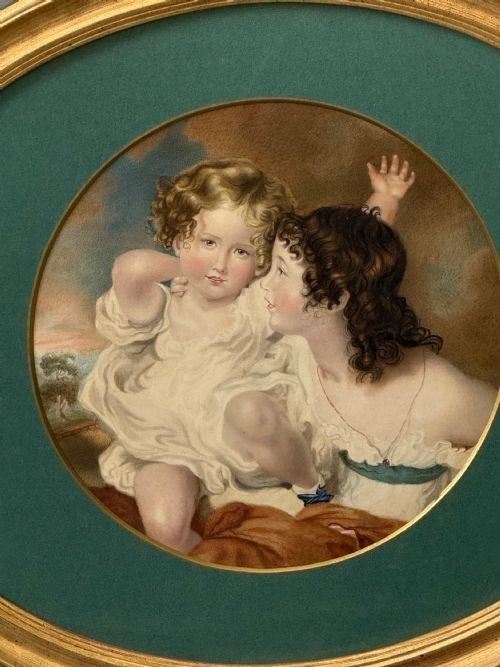
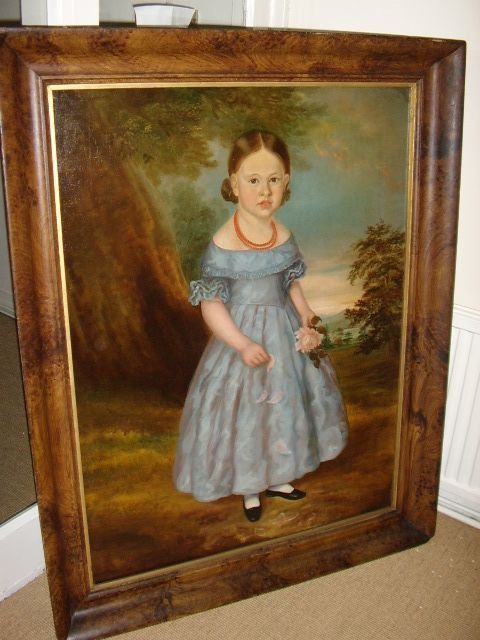
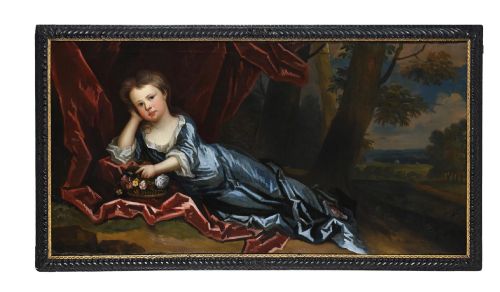
Georgian children portrait painting brings immediate personality into a room through oil, watercolour, and pastel depictions of youth from the eighteenth and early nineteenth centuries.
Georgian Children Portrait Painting
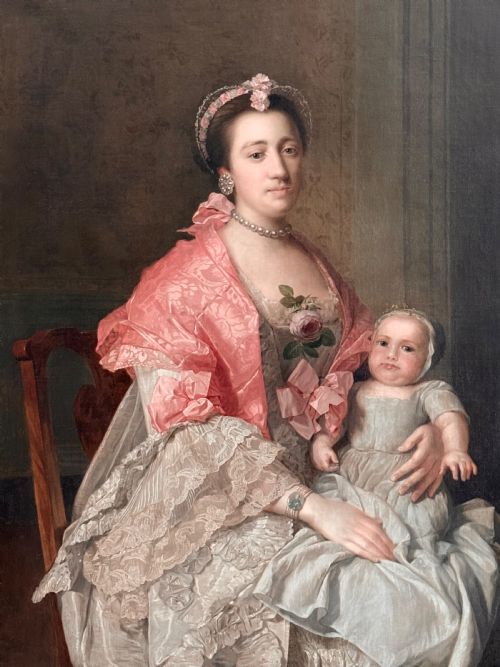
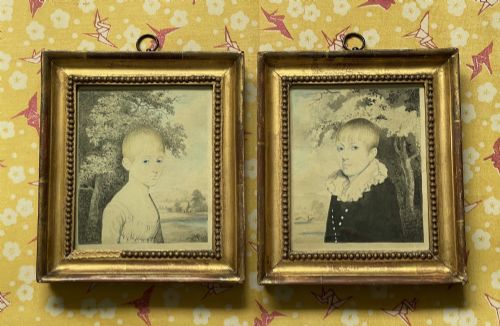
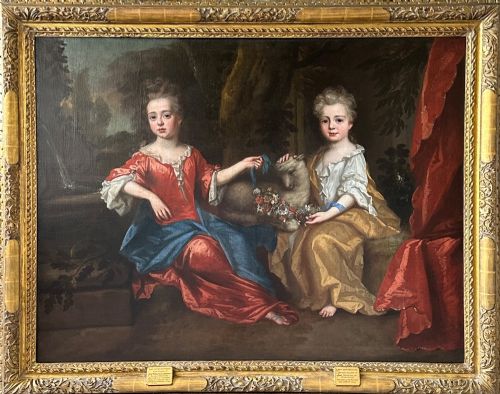
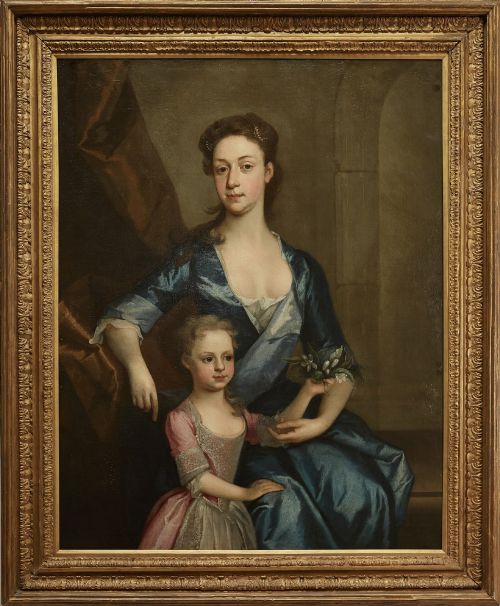
When you search for georgian children portrait painting, you encounter works spanning the eighteenth century, the Regency era, and the early nineteenth century. These pieces record young sitters either individually or alongside siblings, mothers, and family pets.
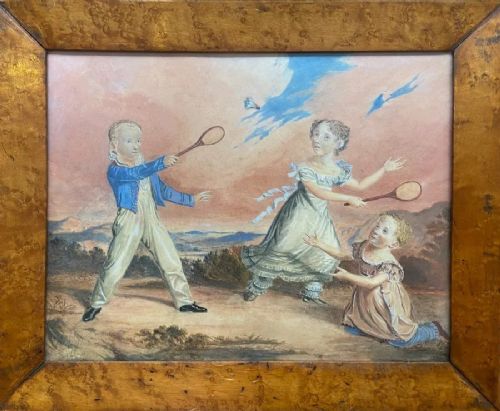
The most common formats on this page are oil on canvas and watercolour on paper, framed in period giltwood or ebonised wood. You will find both accomplished studio works and English naive art.
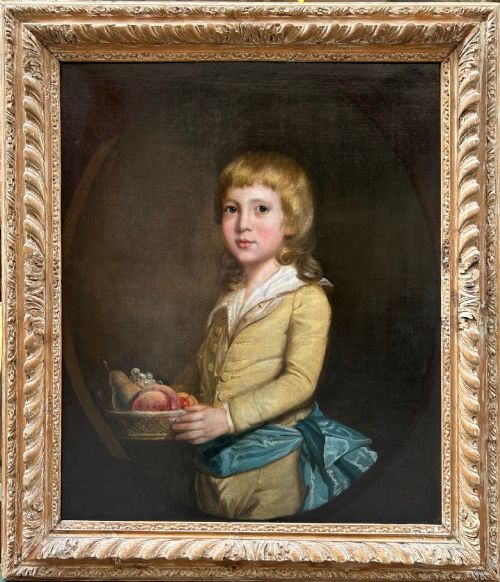
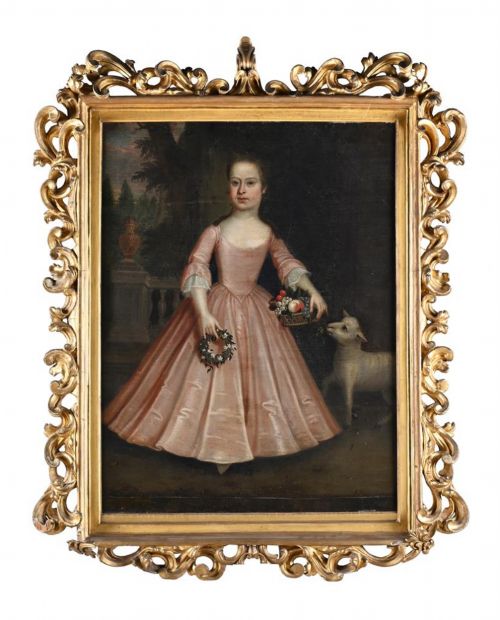
Subjects range from formal aristocratic commissions to intimate domestic watercolours and portrait miniatures. Many works capture children holding toys, fruit, or animals like dogs and birds.
Materials and methods
Artists painted primarily with oil paint on canvas or applied watercolour and ink to paper. Miniature portraits on delicate supports often utilised glass and specialised frames.
Frames matched the period, utilising carved giltwood, maple, or ebonised finishes to protect and display the artwork.
The inventory spans the eighteenth and nineteenth centuries, including works attributed to British school painters and continental visitors.
Distinctions in quality
Quality rests upon the artist's ability to render the anatomy, expression, and psychological presence of a child rather than relying on stiff conventions. The handling of light across fabrics and skin reveals the painter's capability.
Works produced by established studio circles or documented painters display superior draftsmanship compared to anonymous naive pieces, though naive works offer distinct charm and directness.
The preservation of the original canvas, paper support, and period frame significantly influences the integrity of the piece.
Joshua Reynolds·Thomas Lawrence·Charles D Agar·Sir Allan Ramsay·Thomas Beach·James Maubert·Michael Dahl·Joseph Highmore·Arthur William Devis·William Wood·William Egley·George Engleheart·Philip Mercier·George Morland
The Georgian Children Portrait Painting Glossary
- Portrait miniature
- A small-scale painting executed on ivory, vellum, or paper, often housed in a protective case or locket. These delicate works frequently captured likenesses with meticulous precision.
- Naive art
- Artwork created by an artist without formal academic training, characterised by flat perspective and unpretentious charm. Such pieces often provide direct insight into domestic life.
- Giltwood
- Wood carved and coated with a thin layer of gold leaf or gilt powder. This finish was standard for luxury frames during the Georgian and Regency periods.
- Regency
- The period in British history from 1811 to 1820, alongside the broader Regency style that extends slightly beyond these dates. In art, it brings lighter palettes and classical influences.
- Mezzotint
- A printmaking process where the copper plate is roughened to achieve rich tonal gradations. It was frequently utilised to reproduce popular painted portraits.
Georgian Children Portrait Painting: Frequently Asked Questions
What periods do these paintings cover?
The listings encompass works created across the eighteenth century, the Regency era, and the early nineteenth century. Many pieces date specifically from the Georgian period through to the Victorian transition.
Dates often align with the reigns of British monarchs or broader stylistic movements, running from the late sixteen-hundreds up to the eighteen-twenties and thirties.
How were these portraits originally displayed?
Wealthy families hung large oil paintings in reception rooms, drawing rooms, and galleries as statements of lineage and social standing. Smaller works and miniatures were kept in private chambers or carried.
Watercolours and silhouettes often hung in intimate domestic spaces, sometimes framed in maple or ebonised wood to complement interior decoration.
What subjects accompany the children?
Young sitters frequently appear with family members, including mothers, siblings, and governesses. Animals also feature prominently, ranging from beloved pet dogs to exotic birds.
Children often hold props such as fruit, battledores, shuttlecocks, or toys, which help indicate their status or keep them still during long sittings.