


Burr Wood Framed Painting
These burr wood framed painting pieces combine figured timber with period oils and watercolours, offering distinct character for interior walls.
Burr Wood Framed Painting
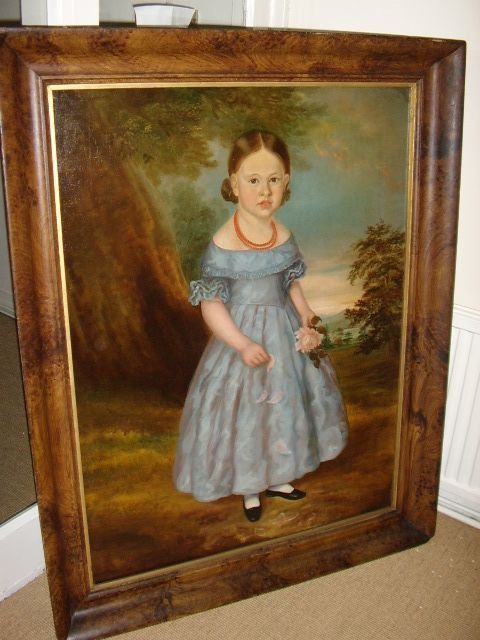
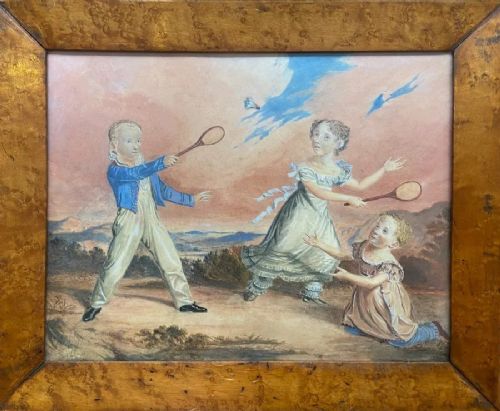
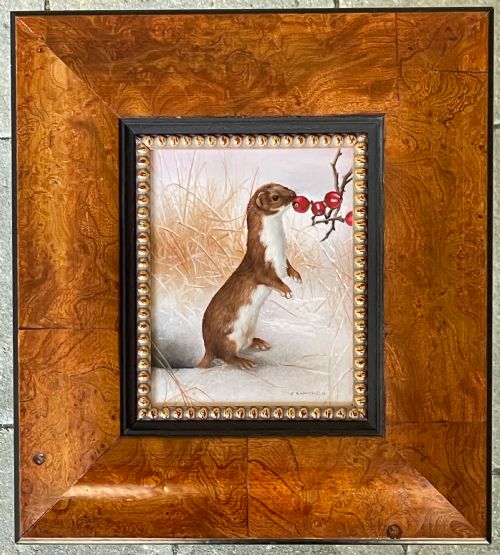
A burr wood framed painting brings together historic artwork and highly figured timber moulding, creating a framed picture designed to draw the eye in any room. When exploring burr wood framed painting options, you encounter formats ranging from intimate portrait miniatures to larger landscape canvases.
The selections span multiple eras including the Georgian, Victorian, and Regency periods, alongside early twentieth-century examples. You frequently meet works executed in oil on canvas, oil on panel, and watercolour on paper, all enclosed within distinct timber surrounds.
How they were made
Makers utilised timber with intricate grain patterns, such as burr maple, to construct the frames, selecting sections that display complex natural swirls and knots. These wooden surrounds were shaped and polished to complement the painted artwork housed within.
The visual components combine paper, canvas, and wooden panels with traditional oil paint and watercolour mediums. Artists applied pigments by hand, creating portraits, marine scenes, and rural subjects that reflect the stylistic conventions of their respective eras.
Listings feature works across the nineteenth and twentieth centuries, utilising oil paint, watercolour, and timber frames.
What varies in quality
The depth of figure and the warmth of tone in the timber frame distinguish finer examples from plain wood mouldings. A frame with rich, well-matched burr grain enhances the visual impact of the painting it encloses.
The execution of the painted surface determines the artistic merit of the piece. Skilful brushwork, careful handling of light, and well-preserved pigments elevate works such as portrait miniatures and landscape scenes above standard decorative items.
Henry Travis·Carl Whitfield·David Teniers·Joseph Paul
The Burr Wood Framed Painting Glossary
- Burr wood
- Timber harvested from a tree growth where the grain has grown in a deformed, swirling manner. This produces highly decorative patterns prized for decorative framing.
- Watercolour painting
- Artworks created using water-soluble pigments on paper. This medium was widely utilised during the Victorian and Edwardian eras for landscapes and domestic scenes.
- Oil on canvas
- Pigments bound in a medium applied to a stretched canvas support. This technique provides rich colour depth and durability seen in marine and portrait works.
- Portrait miniature
- A small-scale painted likeness produced during periods such as the Georgian and Regency eras. These delicate items often featured detailed facial rendering.
- Panel
- A flat wooden support used instead of canvas for painting. Artists utilised wooden panels to achieve smooth surfaces for detailed compositions.
Burr Wood Framed Painting: Frequently Asked Questions
What periods do these paintings come from?
The inventory spans several distinct historical eras, including the Georgian, Regency, and Victorian periods, alongside early twentieth-century examples.
These dates reflect the stylistic conventions and materials typical of each century represented in the collection.
How should I hang a burr wood framed painting?
Select a wall with stable ambient conditions, avoiding direct sunlight to protect both the timber frame and the painted surface.
Ensure your hanging hardware is rated for the combined weight of the painting and its wooden frame.
What subjects are depicted in these works?
The artworks encompass a variety of subjects, including portrait miniatures, rural landscapes with cattle, marine scenes with fishing boats, and domestic genre paintings.
Each subject illustrates the prevailing artistic interests of the period in which it was created.
How do I identify burr wood frames?
Burr wood frames display dense, swirling grain patterns and knots that contrast with straight-grained timber mouldings. This distinct figuring results from natural tree growths.
Such frames were specifically chosen to complement the artistic quality of the paintings they surround.