




Warm Brown Framed Artwork
Warm brown framed artwork brings deep, inviting tones and historic character to a room through centuries-old paintings and watercolours.
Warm Brown Framed Artwork
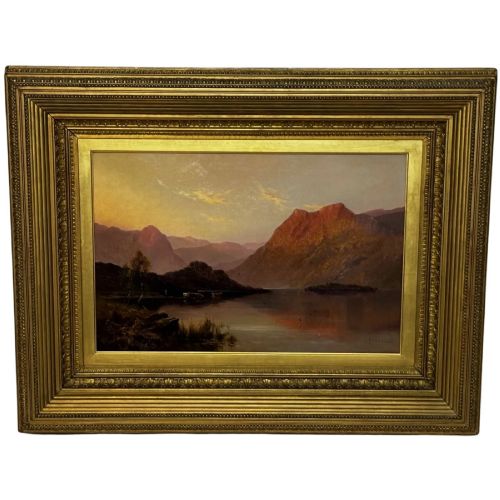
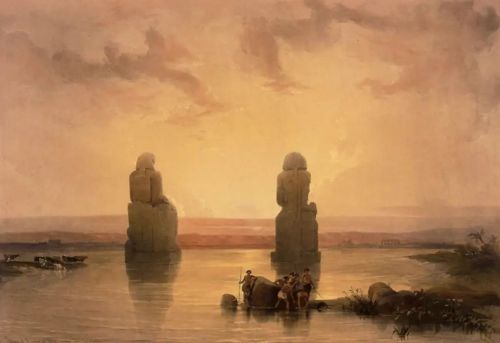
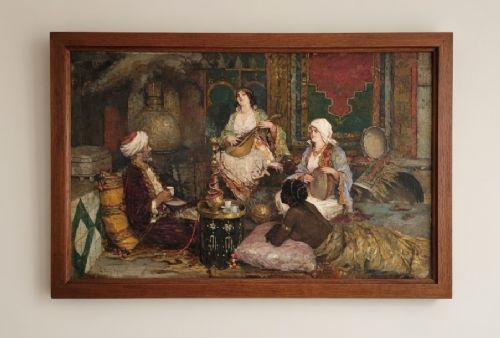
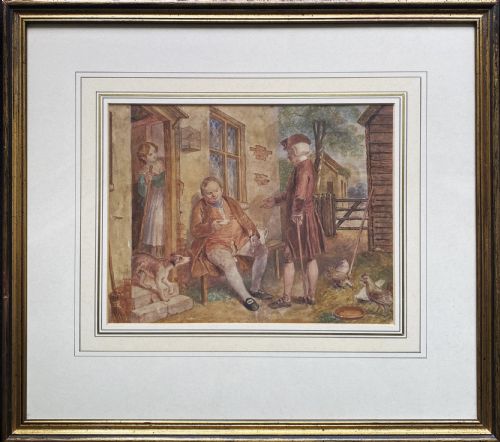
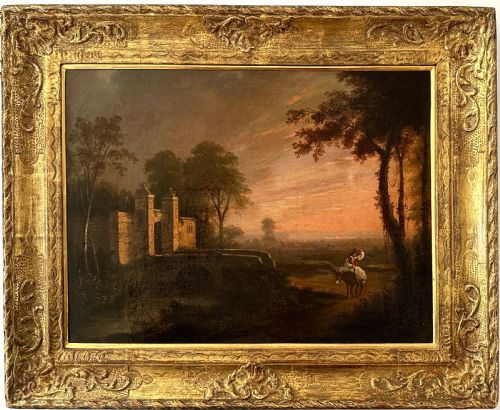
When you search for warm brown framed artwork, you encounter historic paintings and watercolours housed in period surrounds. These pieces range from seventeenth-century Dutch school oil portraits to nineteenth-century landscapes and genre scenes.
The most common examples on this page are nineteenth-century watercolours and oils depicting domestic scenes, literary illustrations, and rustic figures. They carry rich earthy palettes dominated by deep browns, umbers, and gilded highlights.
Origins span Georgian, Victorian, and Edwardian periods, offering varied glimpses into past artistic traditions. Each work sits inside a period frame, typically composed of wood, gesso, or giltwood.
Materials and construction
Makers utilised canvas, paper, and wood panel as supports for oil and watercolour pigments. These traditional grounds absorbed rich earth tones that aged into deep brown patinas over the centuries.
Frames combined carved wood and moulded gesso, often finished with gilt layers that warmed with age. Glass protected delicate watercolours and paper illustrations from atmospheric damage.
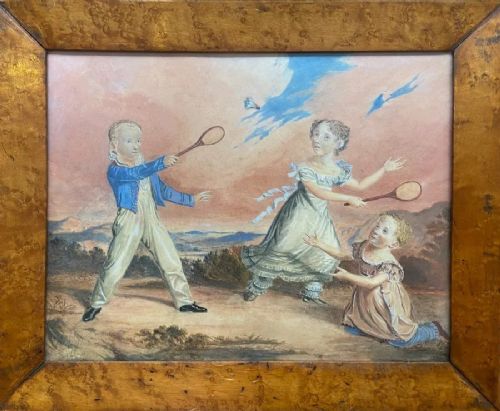
Several pieces capture indoor leisure, including an afternoon snooze by the fireside and a tense game of battledore.
Distinguishing quality
Finer examples display confident brushwork and precise draughtsmanship, particularly evident in facial expressions and architectural details. Weaker pieces reveal stiffness in composition and less fluid handling of the medium.
The relationship between the artwork and its frame also dictates overall quality. Superior pieces retain original period frames that complement the scale and tonal depth of the painting without overwhelming the composition.
Alfred Fontville de Breanski Jr·David Roberts·Gabriel Puig Roda·Henry Spernon Tozer·John Masey Wright
The Warm Brown Framed Artwork Glossary
- Oil on canvas
- A painting technique using pigments suspended in drying oil applied to a woven fabric stretched across a wooden frame. This method allowed artists to build rich, textured layers of warm brown tones.
- Watercolour
- A painting method where pigment is suspended in a water-based solution, typically applied to paper. It produces translucent washes that catch the light differently than heavy oil paints.
- Gesso
- A plaster-like mixture applied to wood frames to create a smooth surface for gilding or painting. It provides the structural base for ornate frame moulding.
- Dutch School
- A grouping of artists working in the Netherlands during the seventeenth century known for interior scenes and portraiture. Their palette relied heavily on deep umbers and dramatic chiaroscuro.
Warm Brown Framed Artwork: Frequently Asked Questions
How do I care for antique watercolours?
Keep watercolours away from direct sunlight to prevent the pigments and paper from fading over time. Maintain stable room temperatures to protect the paper and framing materials.
Ensure the protective glass remains sealed to keep out dust and moisture. Professional framing using acid-free materials safeguards the paper during long-term display.
What is the difference between oil and watercolour?
Oil paint uses drying oils to bind pigments, allowing for thick impasto marks and deep, luminous layers. Watercolour uses water-soluble binders on paper, creating lighter, translucent effects.
Oils require sturdy canvas or wood panel supports, while watercolours need paper and protective glass. Both develop rich warm brown tones as they age.
How do I date a nineteenth-century frame?
Examine the construction corners and the composition of the gesso mouldings for period manufacturing signs. Nineteenth-century frames often feature machine-sawn timber and specific plaster ornaments.
Compare the rabbet depth and backing boards with known period examples. Original frames usually show consistent wear patterns that match the age of the artwork inside.
Where should I hang dark oil paintings?
Place dark oil paintings on lighter walls to create contrast and draw the eye to the composition. Wall lighting helps illuminate deep umber and brown tones without washing out the canvas.
Avoid hanging pieces in damp spaces like kitchens or direct sunlight areas. Proper placement preserves both the wooden stretcher frames and the oil pigments.