

Georgian Walnut Secretary
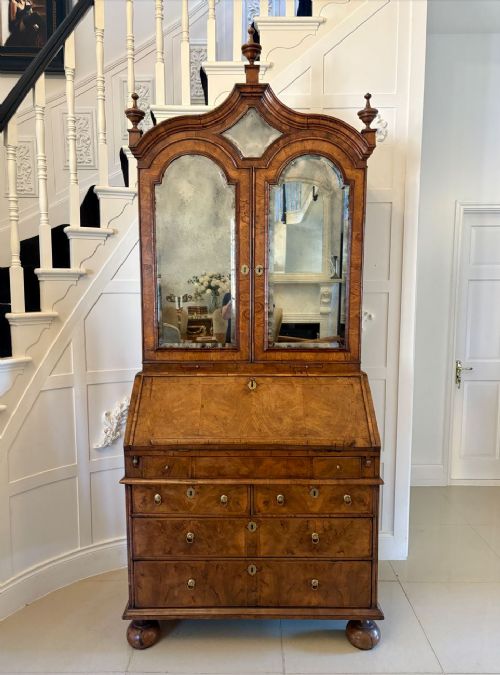
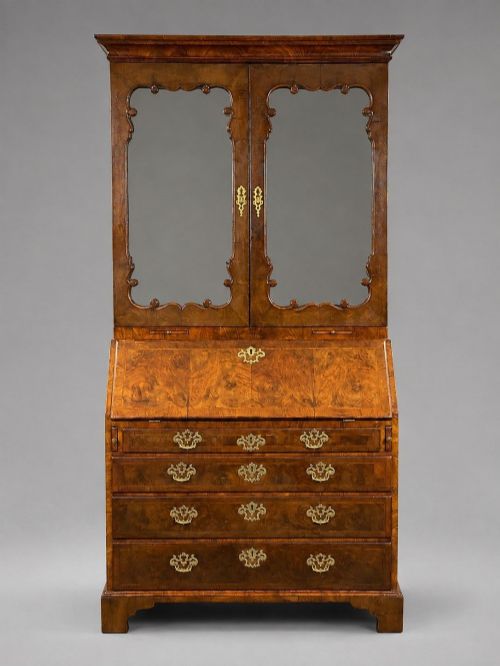
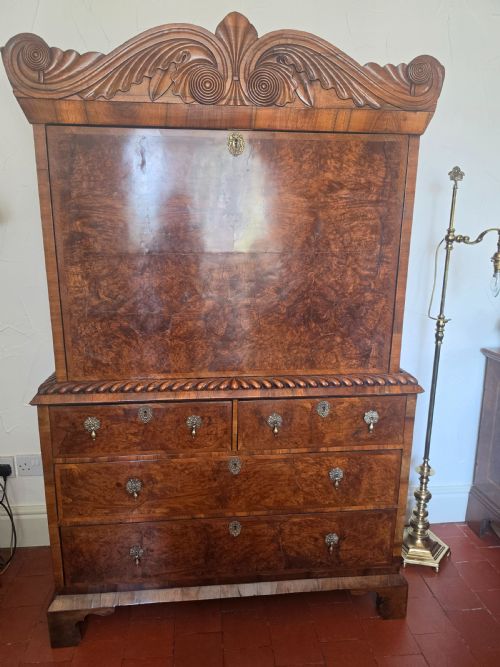
A georgian walnut secretary brings warmth and architectural precision to a room through finely figured veneers and fitted interior compartments.
Georgian Walnut Secretary
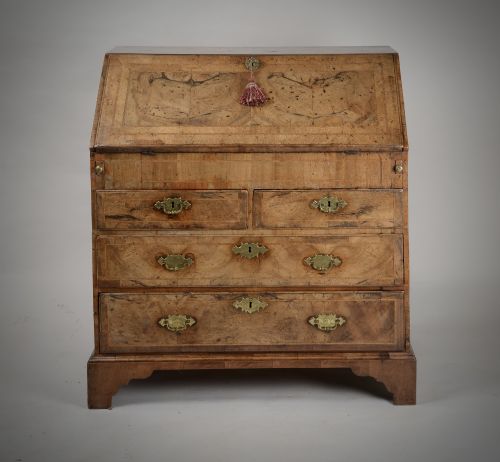
A georgian walnut secretary combines a fall-front desk or writing cabinet with upper bookcase sections, lower stands, and internal drawers. The search phrase covers sophisticated bureau bookcases and fall-front desks spanning the seventeenth century through the Georgian eras, alongside later revival pieces.
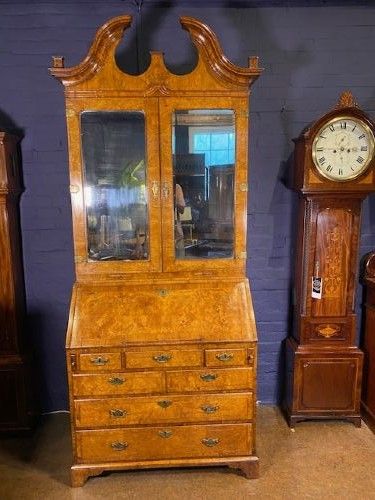
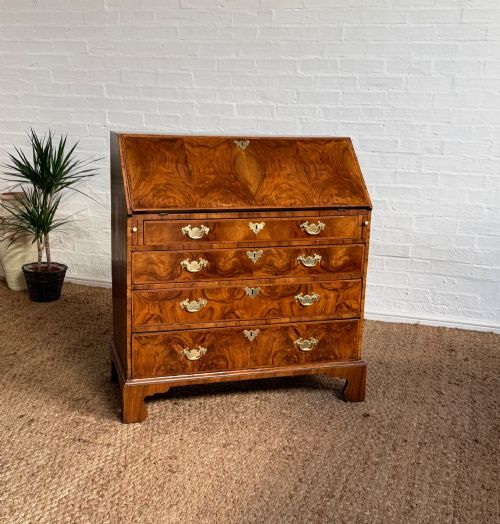
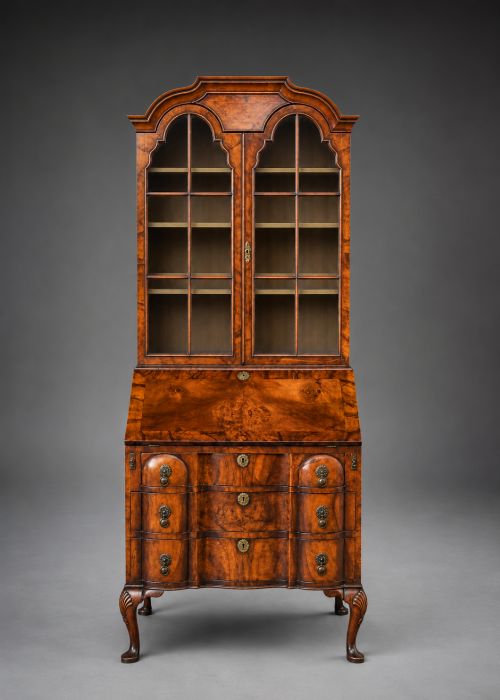
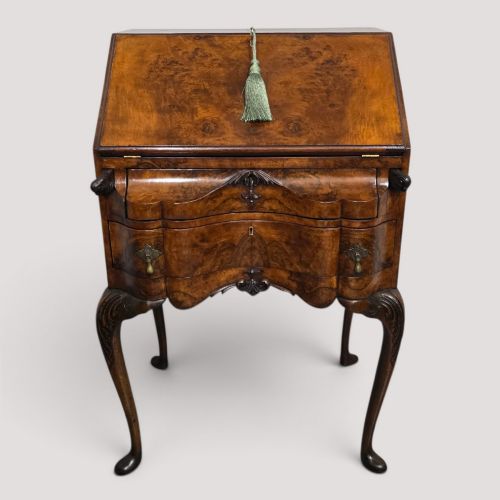
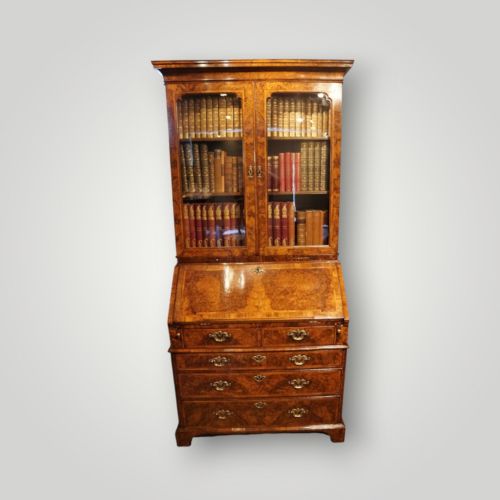
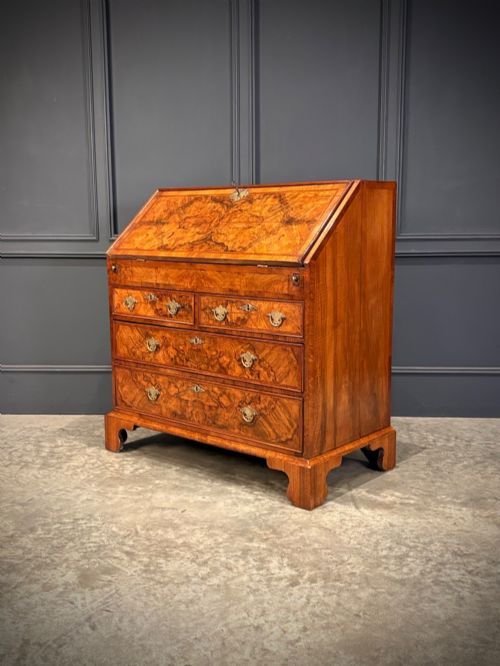
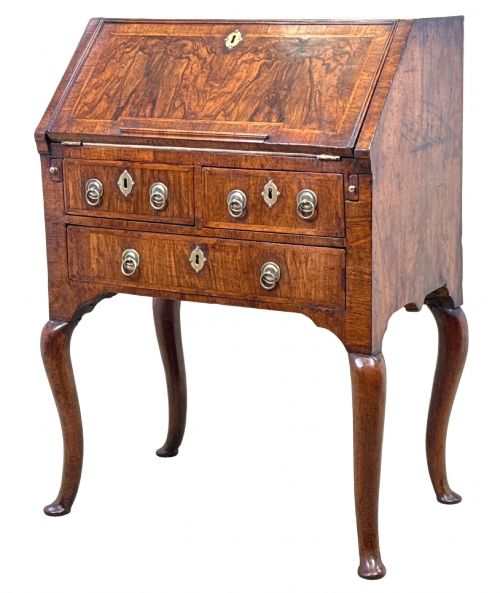
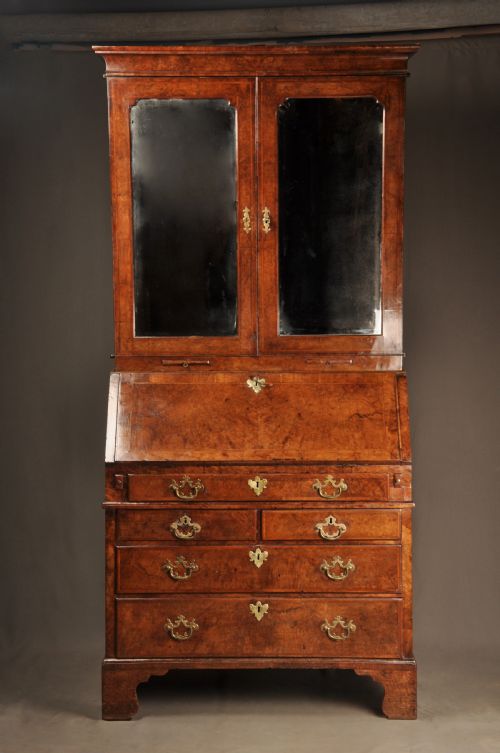
The pieces appearing most frequently on this page date from the eighteenth century, encompassing George I, George II, and Queen Anne styles. Makers utilised bureau forms ranging from compact fall-front desks on legs to large three-section bureau bookcases with glazed upper doors.
Materials and Construction
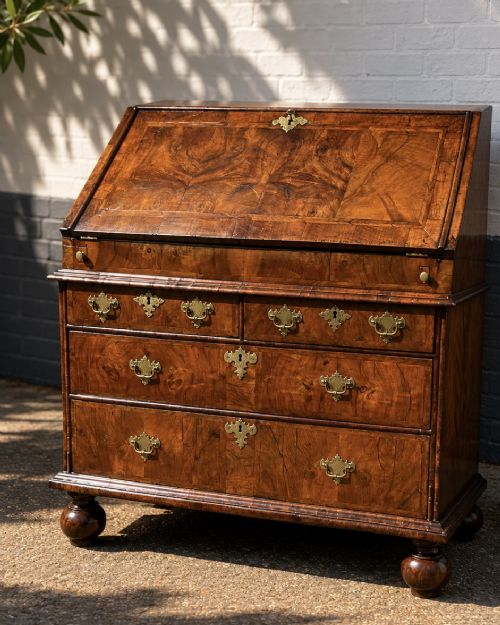
Cabinetmakers constructed these secretary desks using solid walnut, oak framing, and intricate burr walnut veneers applied across surfaces to display rich grain patterns. Workshops incorporated featherbanding, mirror glass, and marquetry inlays to define drawer fronts and panel borders.
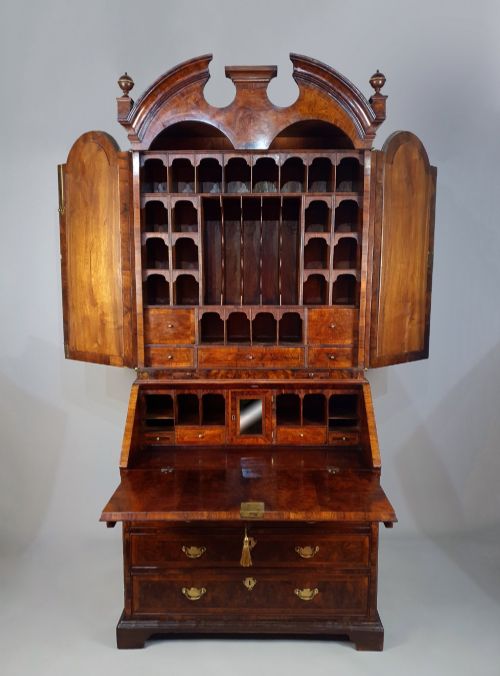
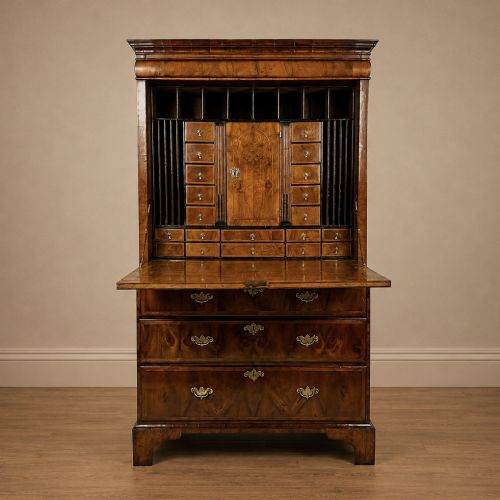
Internal construction relied on solid timber carcases fitted with pigeonholes, small drawers, and candle slides. External hardware typically involved brass handles, escutcheons, and original ironwork supporting fall-front writing surfaces lined in leather.
Current listings feature walnut and burr walnut secretary desks spanning the seventeenth century through Edwardian revival periods.
The Measure of Quality
Excellence in a georgian walnut secretary rests upon the depth of the timber figuring, the consistency of the burr walnut veneer, and the integrity of the surface patination. Pieces retaining original mirror glass, brass hardware, and unaltered interior configurations command attention.
The sophistication of the joinery and the subtlety of decorative techniques, such as delicate featherbanding around drawer perimeters, distinguish finer workshop output. Structural harmony between the upper bookcase and the lower bureau section dictates the overall architectural success of the piece.
The Georgian Walnut Secretary Glossary
- Burr walnut
- A figured wood veneer harvested from the warted growths of walnut trees, prized for its swirling grain patterns. Cabinetmakers applied this timber to primary facade surfaces for dramatic visual effect.
- Escritoire
- A writing cabinet featuring a fall-front panel that drops down to reveal a fitted interior of small drawers and pigeonholes. This form bridges the evolution from simple writing desks to elaborate bureau bookcases.
- Featherbanding
- A decorative inlay technique using narrow strips of veneer laid diagonally to form a herringbone border around drawer edges. This detail marks skilled eighteenth-century cabinetwork.
- Glazed top
- The upper section of a bureau bookcase fitted with glass panels to display books or collections. These doors often feature wooden astragals dividing the glass panes into geometric patterns.
- Candle slide
- A pull-out wooden board positioned beneath the main writing flap to hold lighting. These functional elements slide directly into the carcase frame.
Georgian Walnut Secretary: Frequently Asked Questions
What is a bureau bookcase?
A bureau bookcase combines a lower writing desk with an enclosed upper shelving cabinet behind doors.
These taller forms provide dedicated storage for books while offering a fold-down writing surface fitted with interior compartments.
How do I care for walnut veneer?
Walnut veneer requires stable indoor humidity levels and protection from direct sunlight to prevent timber shrinkage and fading.
Applying occasional conservative wax polishing maintains the natural surface sheen and nourishes the historic wood.
Are these desks practical for writing?
The drop-front writing flaps provide a stable desktop surface supported by internal brackets or pull-out lopers.
Fitted interiors incorporate pigeonholes and small drawers suitable for organising correspondence and modern writing instruments.
What defines Queen Anne style furniture?
Queen Anne style pieces emphasise clean curved lines, subtle wood figurations, and restrained ornamentation without heavy carving.
Designers utilised burr walnut veneers and fitted proportions to highlight the natural grain of the timber.