
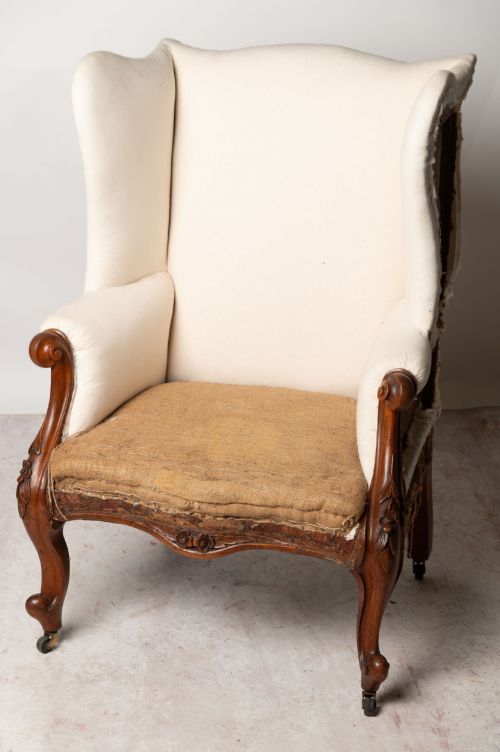
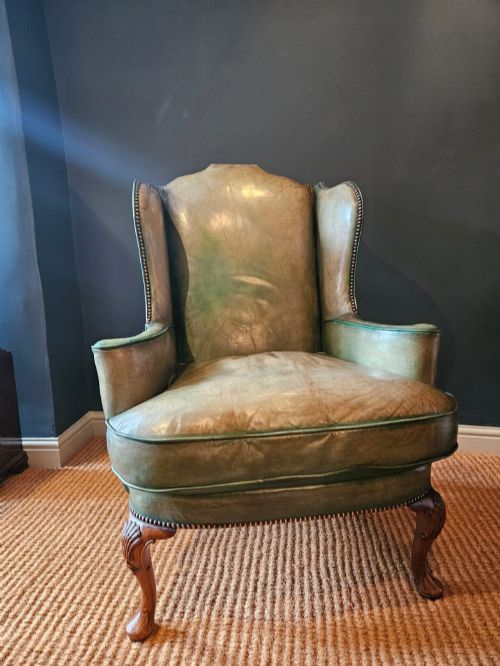
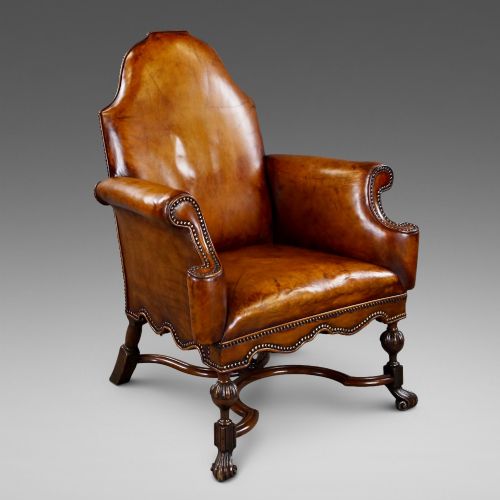
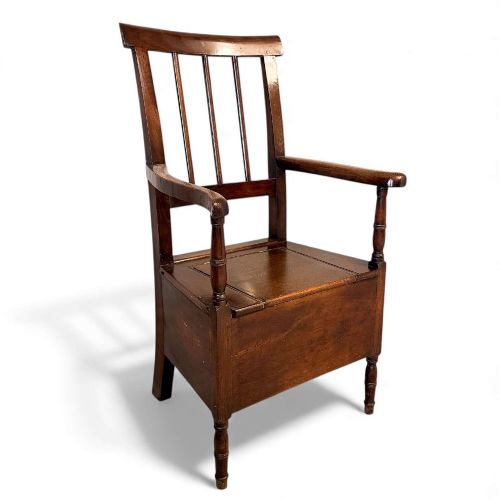
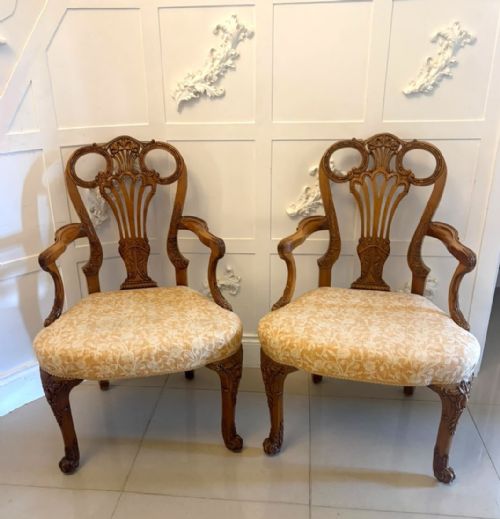
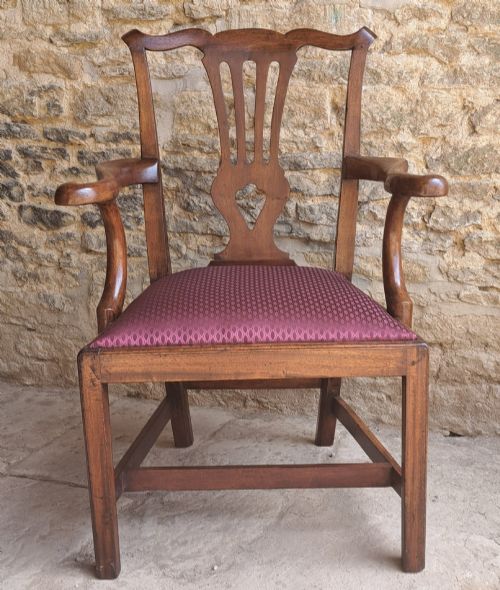
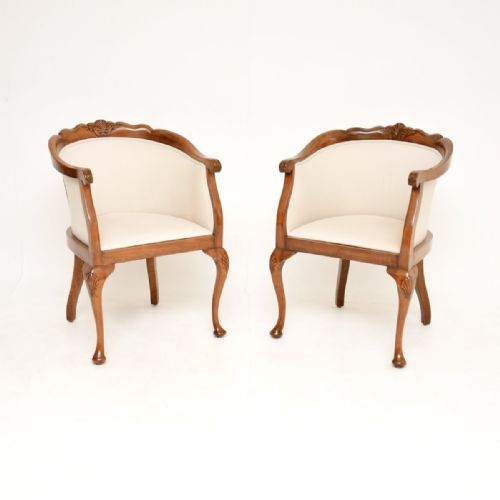

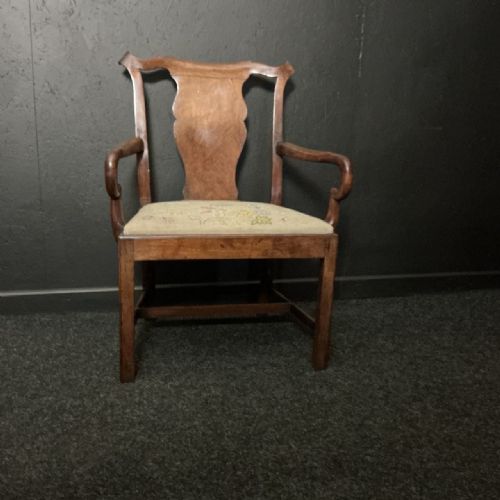


Georgian Walnut Armchair
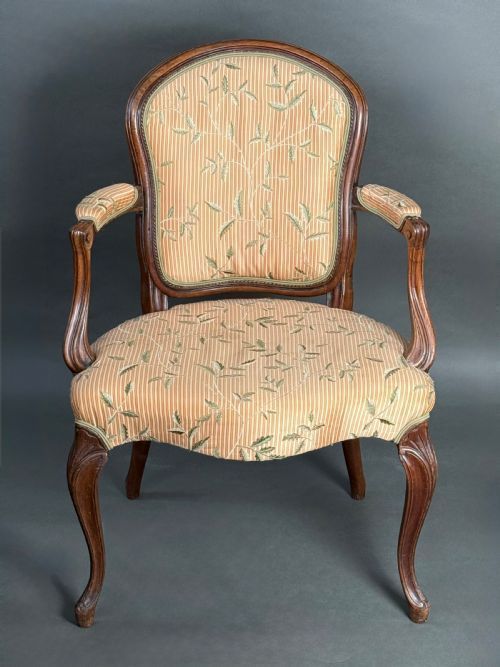
These chairs combine rich figured timber with deep, sprung comfort, and a georgian walnut armchair remains a cornerstone of traditional interior design.
Georgian Walnut Armchair
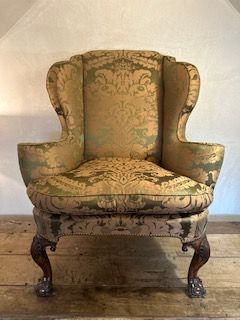
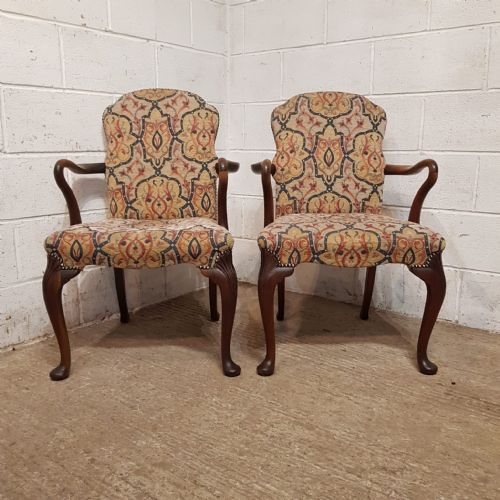
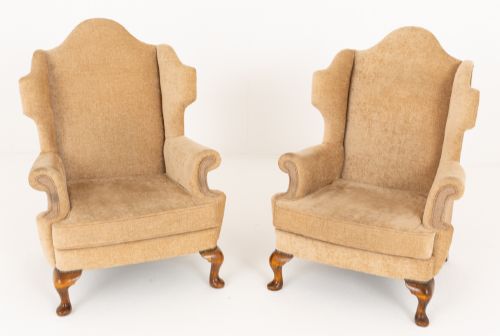
A georgian walnut armchair encompasses a varied selection of seating forms, ranging from imposing wingbacks and library chairs to compact corner pieces and desk armchairs. The selection includes genuine eighteenth-century examples alongside later revival interpretations produced across the nineteenth and twentieth centuries.
Makers and manufacturers worked within established historical idioms, drawing on George I, George II, and Queen Anne design vocabularies. Buyers will encounter open armchairs, upholstered wing chairs, and occasional desk seats that reflect both period craftsmanship and subsequent revivals.
How they were made
Construction relies primarily on walnut timber, frequently enhanced with burr veneers on prominent surfaces like splats and splat backs, supported by secondary woods in internal framing. Frames are joined using traditional methods and often feature carved cabriole legs terminating in pad or claw-and-ball feet.
Upholstery techniques span original methods utilising horsehair and hessian to later textile applications. Chairs are finished with diverse coverings including hand-coloured leather, velvet, silk, tapestry, and needlepoint upholstery.
Georgian Walnut Armchair Retail Price Guide 2026
Typical asking prices for georgian walnut armchair among the pieces listed under this phrase on Sellingantiques today, from the lower quarter to the upper quarter. They describe what is for sale here now, not the wider market.
Listings feature walnut framing paired with diverse textiles including leather, tapestry, and silk upholstery across multiple centuries.
What varies in quality
The degree of refinement in the carved details, such as shell motifs on knees or crispness along the cabriole legs, dictates the standing of an individual piece. Timber selection also plays a vital role, with richly figured burr walnut commanding greater visual presence than plain grain.
Integrity of the frame construction and the preservation of original timber surfaces separate standard examples from finer specimens. The choice and execution of period-appropriate upholstery further influence the overall character and visual balance of the seating.
Howard And Sons
The Georgian Walnut Armchair Glossary
- Cabriole leg
- A furniture leg that bends outward in a convex curve and tapers inward in a concave curve, mimicking an animal's limb. It typically terminates in a pad, club, or claw-and-ball foot.
- Burr walnut
- A specialised timber cut from walnut tree growths, yielding intricate and swirling grain patterns. It is frequently applied as a veneer on prominent cabinet and chair surfaces.
- Wing chair
- An upholstered armchair featuring flanking side panels designed to shield the occupant from drafts and retain heat from a fireplace. Early variants often stand on cabriole legs.
- Corner chair
- A seating form designed to fit into room angles, featuring a continuous curved backrest supported by three or four legs and a central post. They frequently function as desk or writing chairs.
- Needlepoint
- A type of canvas work embroidery utilised historically for durable chair seat covers and back panels. It employs wool or silk yarn in counted-thread stitches.
Georgian Walnut Armchair: Frequently Asked Questions
How do I identify a genuine eighteenth-century piece?
Examine the timber construction methods, tool marks, and overall wear patterns beneath the seat frame and along the internal joints. Eighteenth-century examples display hand-cut joinery and mature patina that differ significantly from later revival pieces.
Context also matters when determining age, as proportions and carving styles evolved noticeably between the reigns of Queen Anne and George III. Comparing structural details against documented period pieces helps clarify the timeline of manufacture.
Are these chairs suitable for daily seating?
Most antique and revival armchairs function well for everyday use provided the internal webbing, springs, and frame joints remain stable. Many library and desk chairs were engineered specifically for sustained sitting.
It is advisable to check the upholstery foundation and consult a professional restorer if the internal padding requires reinforcement. Regular maintenance of the wood surface preserves the finish against normal household wear.
What is the difference between George I and George II styles?
George I furniture typically exhibits clean, curving lines influenced by Dutch design, featuring plain walnut veneers, vase-shaped splats, and cabriole legs with pad feet. Proportions tend to be relatively restrained and graceful.
George II designs introduce heavier carving, more pronounced shell motifs, and claw-and-ball feet. Frames often become larger and more architecturally imposing, reflecting the transition into richer ornamentation.
How should I care for walnut wood?
Maintain walnut furniture by keeping it away from direct heat sources and strong sunlight, which can dry out the timber and fade the finish. Dust regularly with a soft, dry cloth to prevent particle accumulation.
Occasional application of appropriate wax polish helps nourish the wood and protect the aged surface without building up a heavy residue. Avoid using silicone-based sprays or harsh chemical cleaners.