




Georgian Wall Hanging Box
A georgian wall hanging box brings tangible domestic history to your interior, offering compact storage shaped by centuries of practical British life.
Georgian Wall Hanging Box
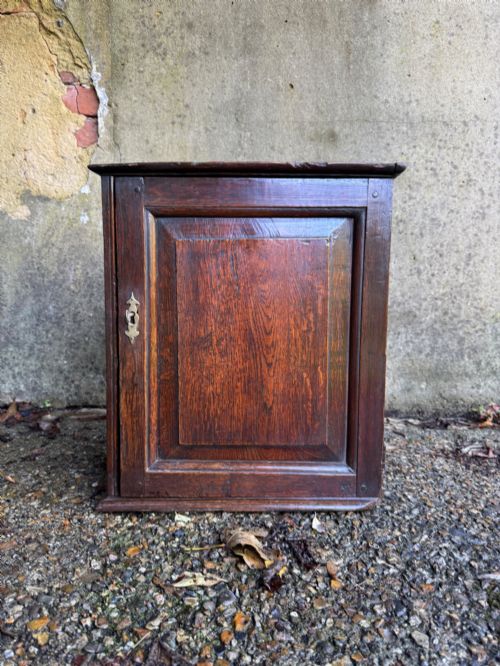
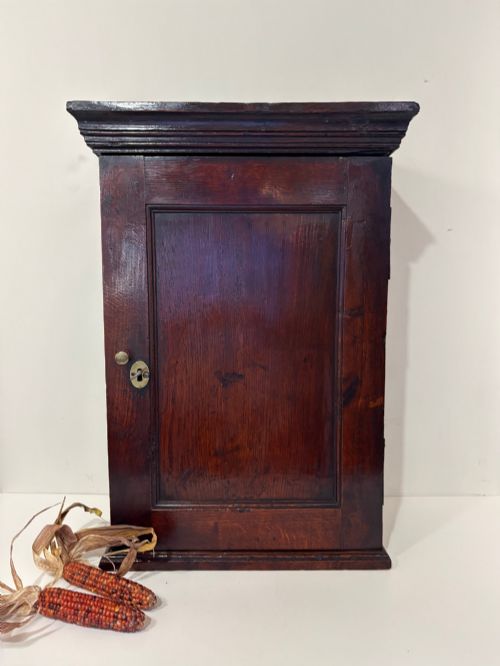
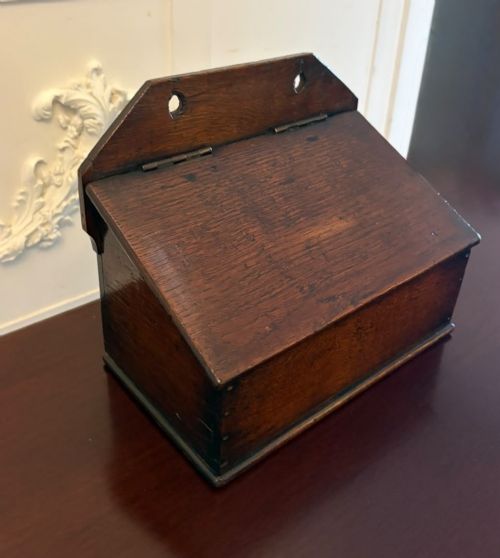
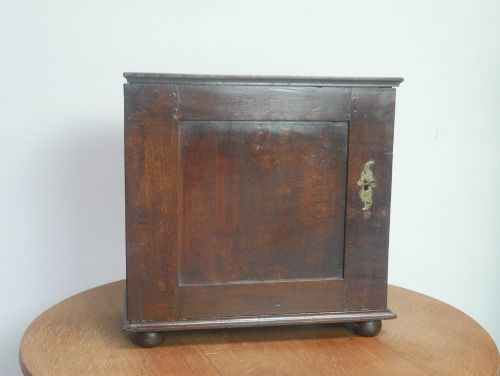
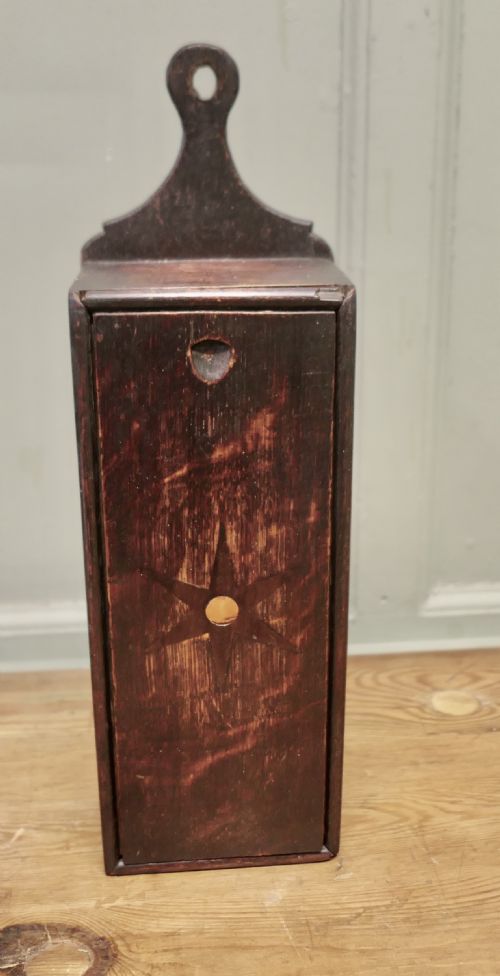
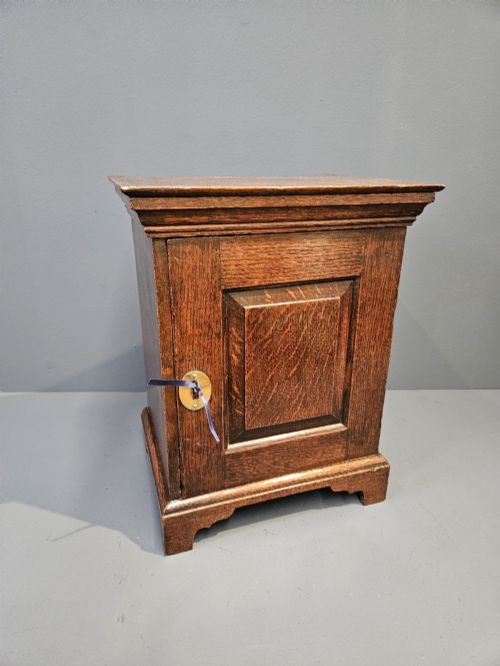
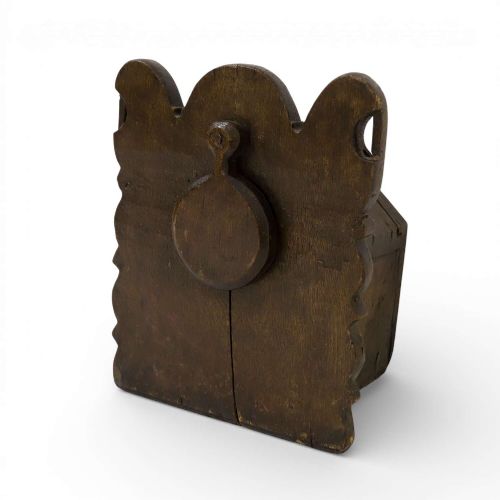
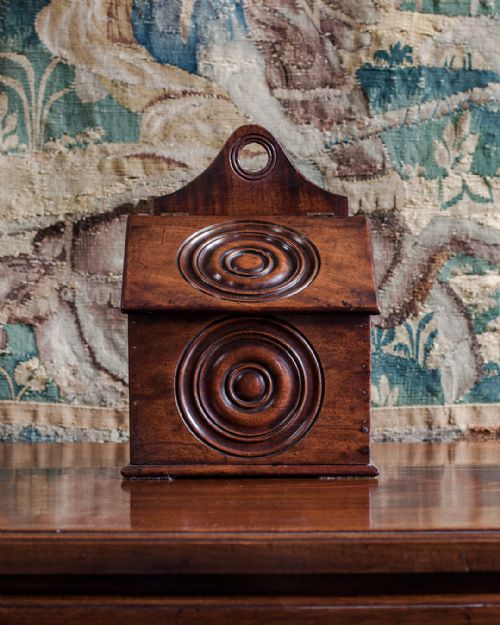
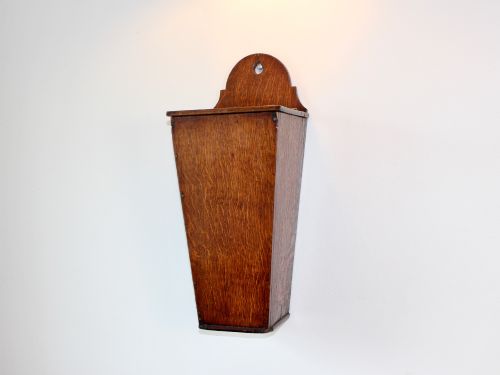
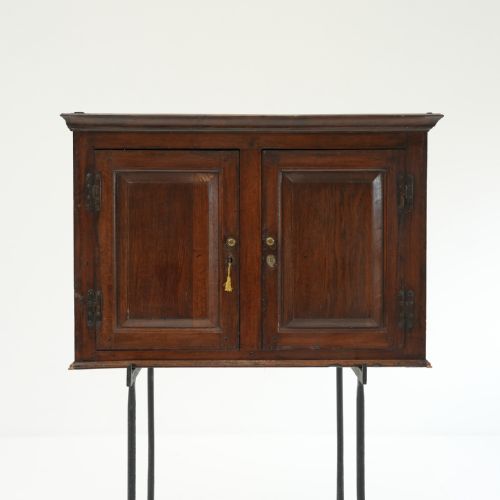
A georgian wall hanging box encompasses various practical household containers designed to be mounted securely on interior walls, saving precious surface space in older homes. The selections available typically manifest as oak or mahogany candle boxes, salt boxes, and small spice cupboards.
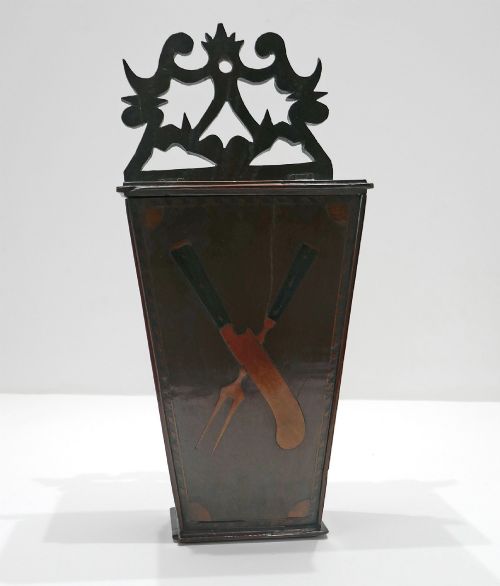
Originating largely from English and Welsh country traditions, these pieces date from the seventeenth, eighteenth, and nineteenth centuries. Buyers frequently encounter vernacular oak spice cupboards and tapered rectangular candle boxes intended for daily domestic utility.
Materials and Construction
Construction relies heavily on sturdy native timbers, with oak and pine forming the primary carcasses while mahogany appears in finer examples. Cabinetmakers and country joiners utilised traditional joints to withstand the weight of daily handling and wall mounting.
Metal fittings played a crucial role in daily function, incorporating wrought iron hinges and brass hardware. Decorative touches sometimes included boxwood and ebony inlaid patterns or traces of early red paint.
A Welsh pine knife sharpener reminds us that even edge maintenance once required its own dedicated wall-mounted home.
Craftsmanship and Material Depth
Quality separates primitive domestic items from finer regional pieces through the selection of timber and the restraint of decoration. A simple pine or oak box built for basic storage sits at one end, while mahogany pieces with delicate boxwood and ebony inlay sit at the other.
The integrity of the original hardware, such as iron hinges and fastenings, heavily influences the character of a piece. Retained traces of early paint and untouched patination further elevate the standing of these wall containers among collectors.
The Georgian Wall Hanging Box Glossary
- Treen
- Small handmade wooden household objects. These items display the utility and tactile qualities of everyday timber work.
- Vernacular
- Regional architecture and craftsmanship built by local makers using local materials. This style reflects traditional domestic needs rather than high court fashions.
- Inlay
- A technique where contrasting materials are inserted into recessed portions of a timber base. Boxwood and ebony frequently serve this decorative purpose.
- Patina
- The surface sheen and colour developed by wood and metal over decades of handling and exposure. It represents the natural ageing process of antique materials.
- Spice Cupboard
- A small wall-mounted cabinet containing multiple internal drawers or compartments. These were utilised for storing valuable culinary spices and herbs.
Georgian Wall Hanging Box: Frequently Asked Questions
Where were these boxes hung?
These containers were typically mounted on walls near fireplaces, kitchens, or doorways for immediate access to candles, salt, or spices.
Their placement kept essential household goods safe from pests while keeping them within arm's reach during daily chores.
How do I hang an antique box safely?
Utilise the existing mounting points or secure brackets that match the weight and age of the specific timber piece.
Consult a professional restorer if the original hanging loops require reinforcement to protect the old wood.
What is the difference between a candle box and a salt box?
Candle boxes often feature tapered rectangular bodies with sliding or hinged lids designed to protect tallow or wax dips.
Salt boxes usually present an open front with a high backboard containing a hanging hole, protecting dry salt from kitchen humidity.
How do I care for antique oak and mahogany?
Maintain a stable indoor humidity away from direct heat sources to prevent the timber from splitting or warping over time.
Apply a minimal amount of traditional beeswax occasionally to nourish the dry wood surface without building up excessive residue.