

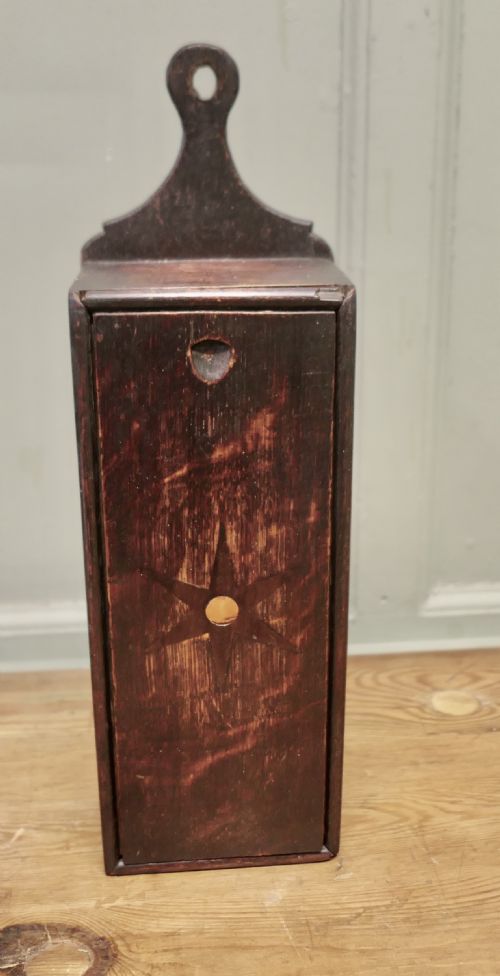
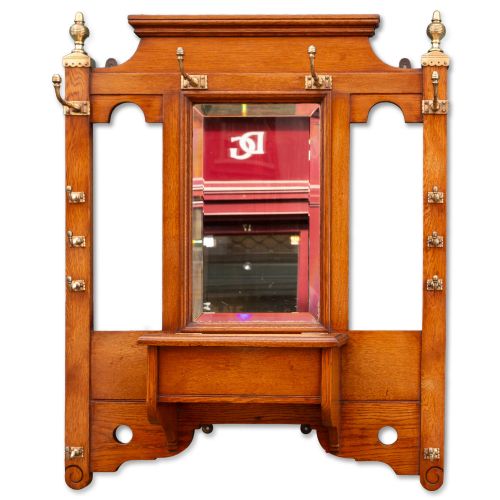
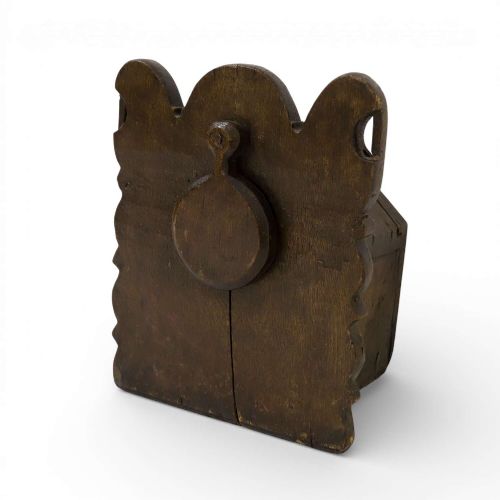


Carved Oak Wall Box
These carved oak wall box pieces combine useful storage with rich period character, making them essential finds for country interiors.
Carved Oak Wall Box
A carved oak wall box serves as a practical wooden container designed to mount securely on a wall for household storage. The selection spans several distinct periods, including the 16th century, 17th century, 18th century, Georgian, and Victorian eras.
The items found here encompass specific forms such as wall hanging cupboards, candle boxes, salt boxes, and coat racks. Buyers most frequently encounter 18th century and Victorian examples shaped for everyday domestic utility.
How they were made
Makers shaped these items primarily from solid oak, often incorporating brass or iron hardware such as hinges and latches to secure moving parts. Selected pieces also integrate glass or soapstone elements alongside silk linings.
Joinery techniques rely on traditional woodworking methods suited to each era, ranging from early British country styles to French country designs and Arts and Crafts influences.
One unexpected box guards zodiac seals carved in soapstone.
What varies in quality
Quality rests in the crispness of the carving and the originality of the timber surface. Pieces retaining their early iron hardware and traces of original paint hold greater historical integrity.
Construction depth ranges from simple utilitarian boxes to elaborate wall cabinets featuring fitted drawers and architectural salvage details.
The Carved Oak Wall Box Glossary
- Candle box
- A narrow receptacle designed to protect tallow or wax candles from dust and pests. These items often hang directly on kitchen or hallway walls.
- Architectural salvage
- Building elements rescued from older structures and adapted for decorative or functional use. This includes fragments like coffer fronts mounted for display.
- Iron hardware
- Metal fixtures such as hinges, handles, and latches made from iron. Original hardware strongly indicates the period authenticity of a wooden box.
Carved Oak Wall Box: Frequently Asked Questions
What were carved oak wall boxes used for?
These items served specific household storage needs in historical homes, holding items like salt, candles, or spices. Their wall-mounted design kept contents within reach while saving valuable surface space.
Over time, forms adapted to different domestic rooms, functioning as small cupboards, coat racks, or general wall organisers.
How do I date a carved oak wall box?
Dating relies on examining the construction methods, style influences, and timber characteristics. Pieces from the sixteenth and seventeenth centuries display heavy pegged joinery and distinct British or Tudor carving patterns.
Later Victorian and nineteen-ten examples often incorporate machine-cut elements, brass fittings, or distinct Arts and Crafts styling alongside the traditional oak.
Are these boxes suitable for modern walls?
Most pieces feature original hanging points or brackets designed for vertical display in domestic spaces. Care should be taken to ensure wall fixings can support the weight of solid oak and iron hardware.
They work well in kitchens, hallways, or living areas where period wooden texture adds warmth to a room.
What styles do these pieces represent?
The selection includes regional domestic styles such as seventeenth century British, seventeenth century country, and French country. Tudor, Georgian, Victorian, and Arts and Crafts aesthetics also appear across the listings.
Each style reflects the prevailing decorative tastes and woodworking traditions of its specific period of origin.