

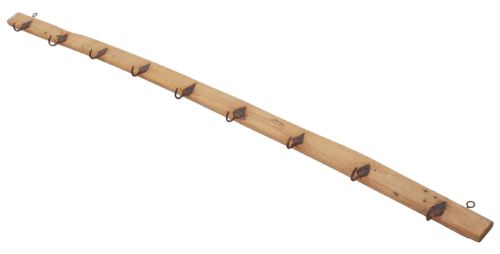
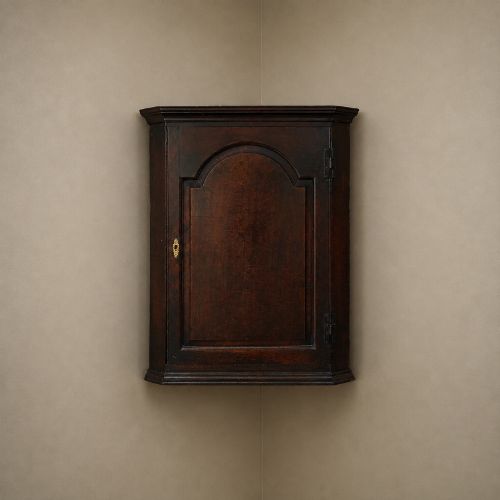
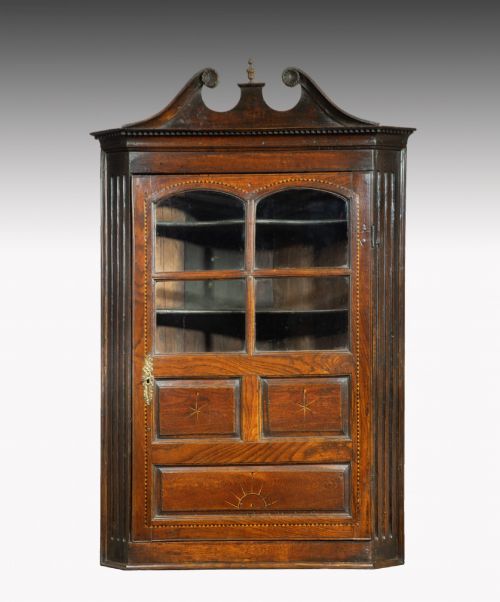
Georgian Wall Display
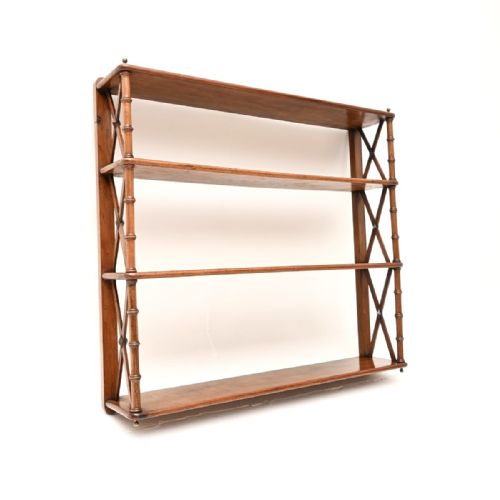
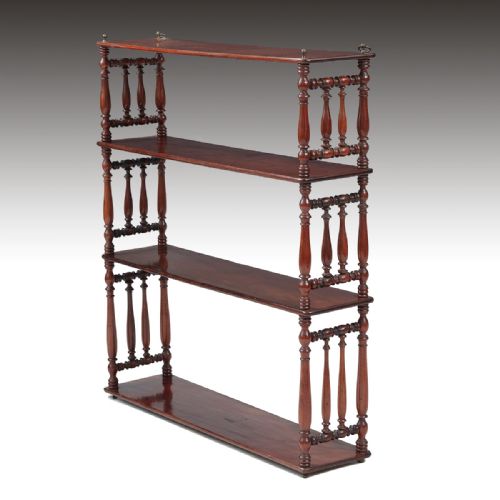
Georgian wall display pieces are timber cabinets, shelves and plate racks made to hold household ceramics and books off the floor.
Georgian Wall Display
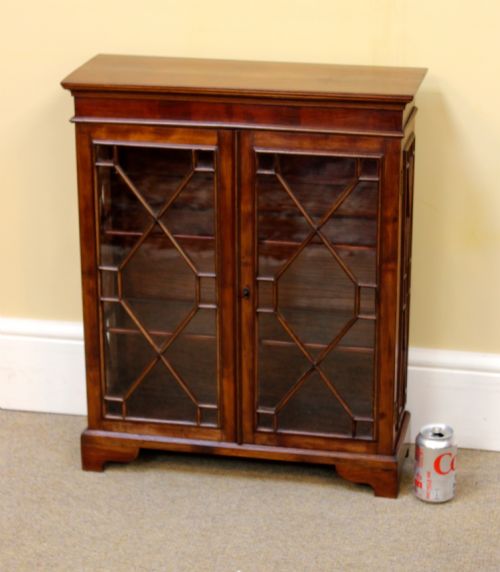
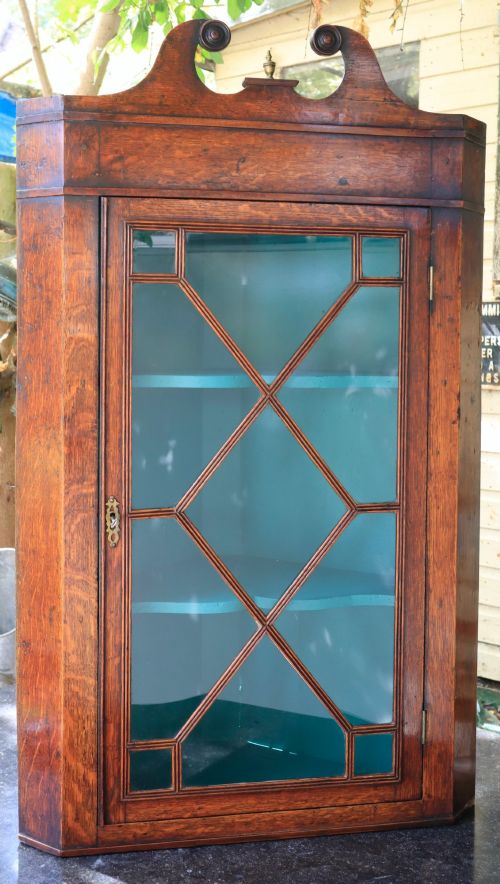
When you search for georgian wall display, you encounter a varied group of wooden furnishings designed to utilise vertical space in domestic rooms. The selection includes corner cupboards, hanging shelves, plate racks, and glazed wall cabinets.
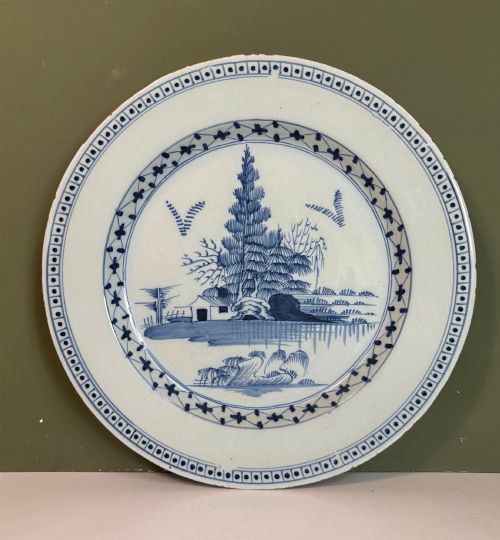
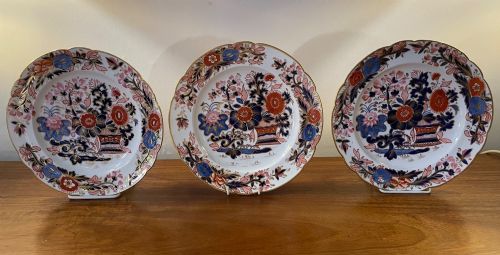
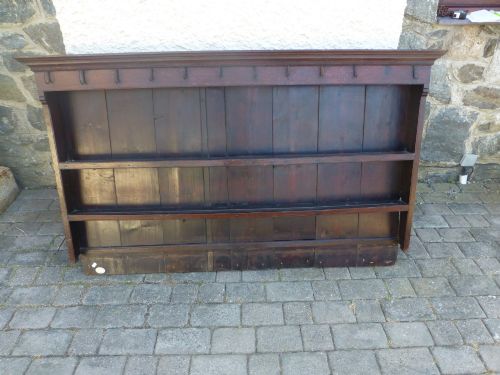
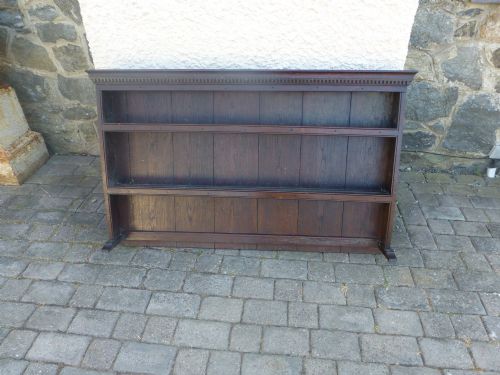
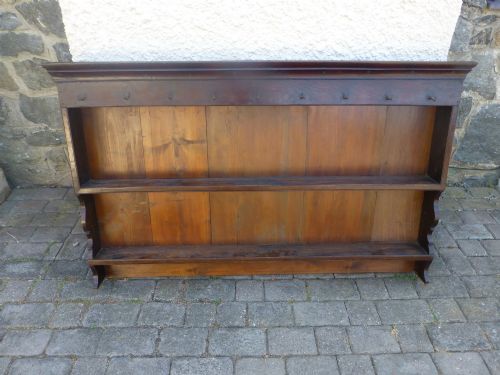
The pieces most frequently met on this page span the eighteenth and nineteenth centuries, taking the form of oak, mahogany, or pine fixtures meant for mounting in a corner or across a flat wall. Many serve to organise kitchen delftware, while others present porcelain or books behind glass doors.
Materials and construction methods
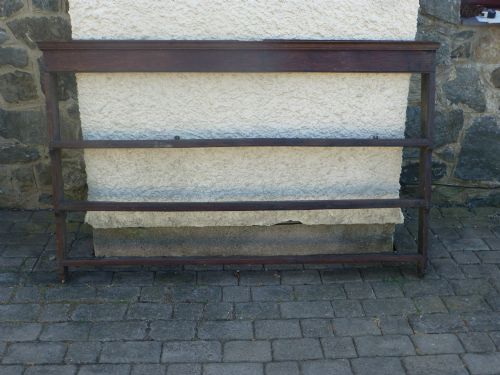
Makers relied primarily on native timbers such as oak, mahogany, pine, and walnut, often joining the carcass with traditional tongue and groove work or dovetailing. Hanging shelves and plate racks utilise sturdy horizontal rails paired with vertical slats to bear the weight of heavy ceramics.
Glazed doors on cabinets employ wooden muntins to hold individual panes of glass, whilst backing boards frequently consist of vertically arranged pine planks. Surfaces might be left with a waxed finish or treated with painted schemes inside the cabinet.
Listings feature oak, mahogany, walnut, and pine, reflecting the primary woods used by cabinetmakers across the eighteenth and nineteenth centuries.
Evaluating standard and build
Quality rests upon the selection of timber and the precision of the joinery rather than mere age alone. Pieces built from well-figured mahogany or thick, quartersawn oak with original brass hardware demonstrate a higher grade of craftsmanship.
Refinement appears in secondary details such as shaped interior shelving, clean glazing bars, and the retention of early painted surfaces. Simpler country pine and oak versions show robust utility, whereas fine urban pieces exhibit delicate mouldings and inlaid stringing.
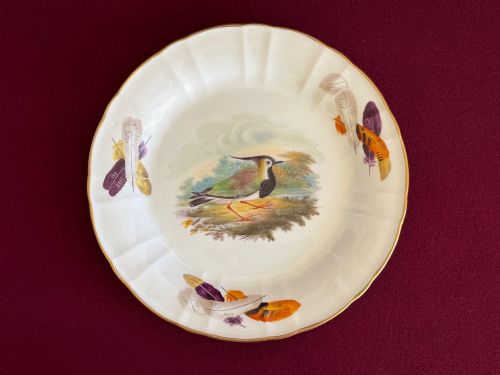
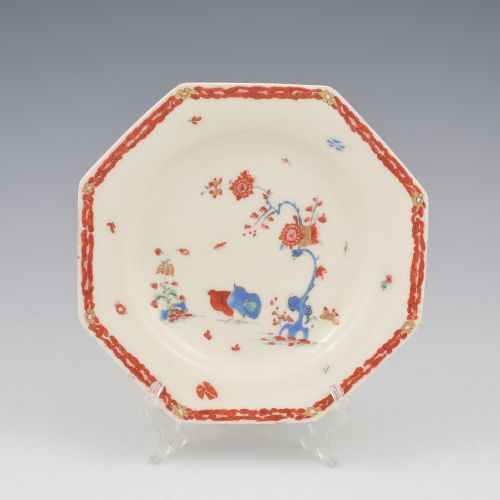
James Spackman·Wedgwood·Stubbs·Flight Barr And Barr
The Georgian Wall Display Glossary
- Delftware
- Tin-glazed earthenware produced in England and the Netherlands during the seventeenth and eighteenth centuries, known for its white surface and blue or polychrome painted decoration.
- Corner Cupboard
- A specialised cabinet constructed to fit snugly into the internal corner of a room, saving floor space while offering interior shelving.
- Plate Rack
- A wall-mounted wooden frame featuring horizontal slats or bars designed to hold dinner plates and chargers upright for display and drying.
- Giltwood
- Timber carved and coated with a thin layer of gold leaf, common on decorative brackets and mirror frames from the eighteenth century onwards.
- Imari
- A decorative ceramic style originating in Japan and copied by European factories, defined by a distinct palette of underglaze blue, iron red, and gilt.
Georgian Wall Display: Frequently Asked Questions
What is a georgian wall display cabinet used for?
These cabinets were built to store and showcase valuable household items such as imported ceramics, glassware, and books.
By hanging them on the wall or fitting them into unused corners, households kept prized possessions safe from damage while keeping rooms orderly.
How do I mount an old wall cupboard safely?
Original mounting points inside these cabinets require careful inspection to ensure the old timber can support the weight of the structure.
Modern concealed steel brackets or battens screwed securely into wall studs provide the necessary support without altering the visible antique frame.
Are plate racks sturdy enough for daily use?
Traditional oak and pine plate racks were constructed specifically to hold heavy earthenware chargers and plates upright under everyday kitchen conditions.
Because they rely on robust wooden pegs and rails, they remain entirely functional for displaying modern ceramics.
How can I tell a true Georgian piece from a later style?
Genuine eighteenth-century examples display hand-cut joinery, timber shrinkage appropriate to age, and secondary woods like pine or oak used for interior framing.
Later revival pieces often use machine-cut screws and standardised modern dimensions that differ from authentic period proportions.